
Bodh Gaya Pilgrimage Circuit - The Path to Enlightenment
The Bodh Gaya Pilgrimage Circuit is a profound spiritual journey through the heart of Bihar, India, tracing the footsteps of Siddhartha Gautama on his path to becoming the Buddha. This 50-kilometre circuit is not merely a physical trek but a deep immersion into the cradle of Buddhist philosophy and history. Centred around the UNESCO World Heritage Mahabodhi Temple Complex, the route expands to include the serene banks of the Niranjana River, the rugged heights of the Dungeshwari Hills, and a global tapestry of international monasteries. Unlike high-altitude Himalayan treks, this circuit offers an accessible, low-elevation experience that focuses on contemplative walking, cultural exchange, and historical discovery. It is a journey that invites walkers to slow down, observe the rhythmic chanting of monks, and witness the living heritage of one of the world's most influential spiritual traditions.
- Distance: 50.0 km (total circuit)
- Duration: 3–5 days
- Season: October to March (cool and dry season)
- Accommodation: International monasteries, guest houses, and hotels
- Highest point: Dungeshwari Hill (approx. 200 m elevation gain)
- Difficulty: Easy (mostly flat terrain with one moderate hill climb)
- Direction: Circular/Loop starting and ending in Bodh Gaya or Gaya
Overview
The Bodh Gaya Pilgrimage Circuit is a masterclass in spiritual geography. While the physical distance of 50 kilometres is modest, the density of historical and religious significance per metre is perhaps unmatched anywhere in the world. The circuit is anchored by the Mahabodhi Temple, where the 2,500-year-old lineage of the Bodhi Tree continues to provide shade to meditators from every corner of the globe. The experience is defined by a unique blend of ancient ruins and vibrant, modern devotion. As you walk, the landscape shifts from the bustling, incense-filled streets of Bodh Gaya to the quiet, dusty agricultural paths leading toward the Sujata Stupa and the Niranjana River.
The atmosphere of the circuit is dictated by the "International Sector" of Bodh Gaya. Here, walkers pass through a living museum of Buddhist architecture. Within a few kilometres, you can witness the ornate, multi-tiered roofs of the Thai Monastery, the minimalist Zen aesthetic of the Japanese Indosan Nipponji, the colourful and intricate murals of the Bhutanese Temple, and the towering white structures of the Vietnamese pagoda. This architectural diversity reflects the global reach of the Buddha’s teachings and provides a fascinating backdrop for the first two days of the journey.
Beyond the town centre, the circuit takes on a more rural and rugged character. The walk to the Dungeshwari Cave Temples (also known as the Pragbodhi Hills) introduces a physical challenge as the path ascends through rocky terrain. This section commemorates the six years of extreme asceticism Siddhartha Gautama practiced before realising the "Middle Way." The contrast between the lush, manicured gardens of the international monasteries and the stark, sun-drenched hills of Dungeshwari encapsulates the dual nature of the Buddhist path: the struggle and the eventual peace. For the modern walker, this circuit offers a rare opportunity to combine physical exercise with a structured exploration of philosophy, art, and history in a landscape that has remained a focal point of human aspiration for over two millennia.
History and Cultural Context
The history of the Bodh Gaya Pilgrimage Circuit is inextricably linked to the life of Siddhartha Gautama, a prince of the Shakya clan who abandoned his royal life in search of an end to human suffering. Around 528 BCE, after years of wandering and asceticism, he sat beneath a Pipal tree (Ficus religiosa) on the banks of the Phalgu River and vowed not to rise until he attained supreme enlightenment. The site of this event, the Vajrasana or "Diamond Throne," remains the spiritual epicentre of the circuit. Following his enlightenment, the Buddha spent several weeks in the immediate vicinity, and many of the landmarks on the modern trail—such as the Animesh Lochan Stupa and the Ratnachakrama (Jewel Walk)—mark the specific spots of his post-enlightenment meditations.
The physical infrastructure of the pilgrimage began to take shape in the 3rd century BCE under the patronage of Emperor Ashoka the Great. Ashoka, a fierce conqueror who turned to Buddhism after the bloody Kalinga War, is credited with building the first temple at the site and erecting numerous pillars and stupas throughout the region. The current Mahabodhi Temple, with its iconic 55-metre pyramidal spire, dates back to the Gupta period (5th–6th centuries CE), though it has undergone extensive restorations over the centuries. During the medieval period, as Buddhism declined in India, the site fell into disrepair and was eventually buried under silt and sand. It was not until the late 19th century, through the efforts of British archaeologists like Sir Alexander Cunningham and the Burmese government, that the temple was excavated and restored to its former glory.
Culturally, Bodh Gaya is a "United Nations of Buddhism." Since the mid-20th century, various Buddhist nations have established their own monasteries and temples in the town, each reflecting their unique cultural and architectural heritage. This modern revival has transformed the circuit into a vibrant, cosmopolitan pilgrimage site. For the local Bihari population, the circuit is a vital part of their identity and economy. The interaction between the local Hindu traditions—particularly in nearby Gaya, which is a major site for Pinda Daan (ancestral rites)—and the international Buddhist community creates a complex, multi-layered cultural landscape that walkers will encounter at every turn.
Want more background? Read extended notes on history and cultural context → Learn more
Seasonal Highlights and Weather Reality
The timing of a Bodh Gaya pilgrimage is critical, as the plains of Bihar experience extreme climatic shifts. The peak season for the circuit is from October to March. During these months, the weather is pleasantly cool and dry, with daytime temperatures ranging from 15°C to 25°C. This is the ideal window for walking the 50-kilometre route without the risk of heat exhaustion. The winter months also coincide with the major pilgrimage season, meaning the monasteries are active, and the atmosphere is charged with the energy of thousands of practitioners.
Summer (April to June) is exceptionally harsh, with temperatures frequently soaring above 40°C. Walking the circuit during this time is not recommended, as the heat can be life-threatening, and the landscape becomes parched and dusty. The monsoon season (July to September) brings heavy rains and high humidity. While the landscape turns a vibrant green and the dust is settled, the unpaved paths leading to Sujata Stupa and Dungeshwari can become muddy and difficult to navigate. However, for those who don't mind the rain, the monsoon offers a quieter, more introspective experience with far fewer crowds.
Key cultural events also dictate the "feel" of the circuit. Buddha Purnima (usually in May) celebrates the Buddha's birth, enlightenment, and death; while the weather is hot, the celebrations are spectacular. The Kalachakra Initiation, occasionally led by the Dalai Lama in December or January, draws hundreds of thousands of visitors, making the circuit extremely crowded but spiritually vibrant. If you prefer solitude, aim for the shoulder months of October or March, when the weather is manageable but the peak crowds have either not yet arrived or have begun to disperse.
Recommended Itinerary
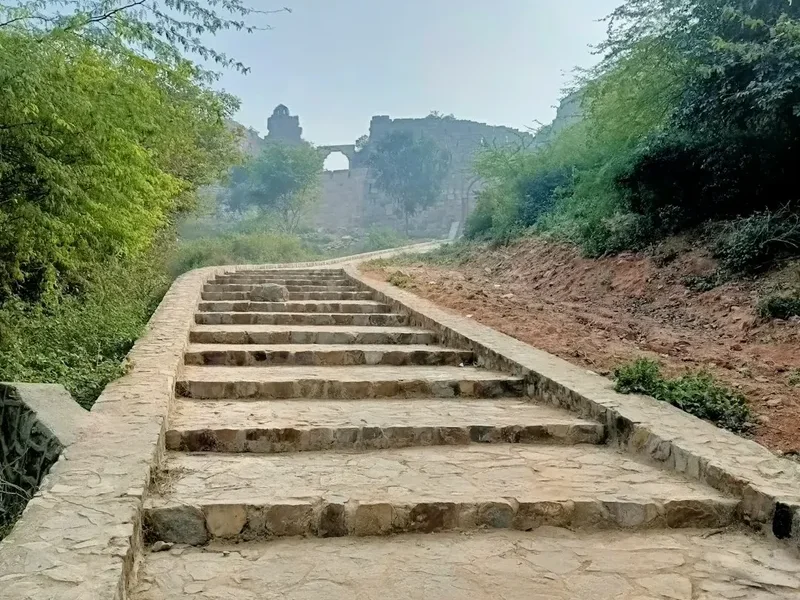
5-Day Bodh Gaya Pilgrimage Circuit Itinerary
Day 1: Arrival in Gaya and Transit to Bodh Gaya
- Distance: 15 km (via vehicle) + 2 km walking
- Elevation gain: Minimal
- Time: 3–4 hours
- Arrive at Gaya Airport or Gaya Junction Railway Station
- Transfer to Bodh Gaya via taxi or auto-rickshaw (approx. 30–45 minutes)
- Check into accommodation and settle in
- Evening visit to the Mahabodhi Temple Complex for the evening chanting
- Circumambulate the temple (Kora) with the evening pilgrims
- Orientation walk around the local market to familiarise yourself with the town layout
Day 2: The Inner Circle and International Monasteries
- Distance: 8 km
- Elevation gain: Minimal
- Time: 5–6 hours
- Morning meditation at the Bodhi Tree (arrive early, around 5:00 AM, for the best experience)
- Visit the 80-foot Great Buddha Statue, an iconic landmark of modern Bodh Gaya
- Explore the Japanese Indosan Nipponji Temple and the Royal Thai Monastery
- Walk to the Bhutanese Temple to view its intricate clay carvings and murals
- Visit the Tergar Monastery (Yongey Mingyur Rinpoche’s seat) and the Tibetan Karma Temple
- This day focuses on the architectural diversity and the central spiritual sites of the town
Day 3: The Sujata Path and Niranjana River
- Distance: 12 km
- Elevation gain: Minimal
- Time: 4–5 hours
- Walk east from the Mahabodhi Temple toward the Niranjana River (Phalgu)
- Cross the river (often dry or shallow) to reach the village of Bakraur
- Visit the Sujata Stupa, built to commemorate the milkmaid Sujata who offered rice milk to the starving Siddhartha
- Explore the Sujata Temple and the nearby banyan tree marking the site of the offering
- Walk through local agricultural fields, observing rural Bihari life
- Return to Bodh Gaya via the riverside path, offering views of the temple spires across the water
Day 4: The Ascent to Dungeshwari (Pragbodhi)
- Distance: 18 km (round trip)
- Elevation gain: 200 m
- Time: 6–7 hours
- Early morning departure for the Dungeshwari Cave Temples, located 12 km northeast of Bodh Gaya
- The route follows rural roads and then ascends a rocky path up the hill
- Visit the Mahakala Cave where Siddhartha practiced extreme asceticism for six years
- Explore the small Tibetan and Hindu shrines located on the hillside
- Enjoy panoramic views of the Phalgu River and the plains of Bihar from the summit
- Descend and return to Bodh Gaya (auto-rickshaws are available for the return if legs are tired)
- This is the most physically demanding day of the circuit
Day 5: Gaya Heritage and Departure
- Distance: 10 km walking + 15 km transit
- Elevation gain: Minimal
- Time: 5–6 hours
- Transfer back to Gaya city
- Visit the Vishnupad Temple, an ancient Hindu site on the banks of the Phalgu River
- Explore the narrow lanes of old Gaya and the local textile markets
- Visit the Mangla Gauri Temple, one of the 18 Shakti Peethas
- Final reflection at the riverside ghats
- Transfer to Gaya Airport or Railway Station for onward journey
Important Notes:
- The circuit is flexible; many walkers choose to spend extra days in meditation or study
- Footwear must be removed before entering any temple or monastery; carry a small bag for your shoes
- Dress modestly at all times (shoulders and knees covered)
- Carry plenty of water, especially on the walk to Dungeshwari
- Photography is restricted inside the Mahabodhi Temple; mobile phones must be deposited at the entrance lockers
Planning and Bookings
Book Your Trip
Everything you need to plan your journey
Accommodation
Find places to stay near Gaya
Flights
Search flights to Gaya
Essential Preparation
Planning a trip to Bodh Gaya requires a balance of logistical coordination and cultural sensitivity. Most international travellers will require an Indian visa; the e-Tourist Visa is generally the most convenient option. It is advisable to apply at least three weeks before your departure. In terms of physical preparation, the circuit is "easy" by trekking standards, but the heat and dust can be taxing. Ensure you are comfortable walking 10–15 kilometres a day in warm conditions. If you plan to participate in meditation retreats, check the schedules of centres like the Root Institute or the Dhamma Bodhi Vipassana Centre months in advance, as they often fill up during the peak winter season.
Gaya serves as the primary transport hub. It is well-connected by rail to major cities like Delhi, Kolkata, and Varanasi. Gaya Airport (GAY) has seasonal international flights from Buddhist-majority countries like Thailand, Bhutan, and Myanmar, as well as domestic connections. Upon arrival, the 15-kilometre journey to Bodh Gaya is best handled by pre-arranged hotel pickup or a registered taxi to avoid the aggressive touts often found at the station.
Trail Accommodation
Accommodation in Bodh Gaya ranges from basic monastic dormitories to luxury hotels. The choice depends on your budget and the level of immersion you seek.
Monastery Guest Houses: Many international monasteries (Thai, Tibetan, Bhutanese, etc.) offer basic rooms for pilgrims. These are often the most atmospheric places to stay.
- Facilities: Usually simple rooms with a bed, mosquito net, and attached or shared bathroom.
- Booking: Often requires emailing or calling the monastery directly; some do not take advance bookings and operate on a first-come, first-served basis.
- Costs: Usually based on a "suggested donation" (approx. ₹500–₹1,500 per night).
- Note: Guests are expected to follow monastery rules, including silence after 9:00 PM and no alcohol or smoking.
Guest Houses and Hotels: There are dozens of private guest houses and mid-range hotels in the town centre.
- Facilities: WiFi, air conditioning (essential in shoulder seasons), and on-site restaurants.
- Booking: Available through major online travel platforms.
- Costs: ₹1,500 to ₹5,000 per night for mid-range options.
What's NOT Provided: Most budget and monastic accommodations do not provide toiletries, towels, or consistent hot water. Power outages are common in Bihar, so a power bank is essential. During the peak winter months, rooms can get surprisingly cold at night, and many budget places do not have heating; bring a warm layer for sleeping.
Required Gear
- Walking shoes: Lightweight, breathable trainers or walking sandals. You will be removing them frequently, so slip-on styles are highly practical.
- Modest clothing: Loose-fitting cotton trousers and shirts that cover shoulders and knees. This is mandatory for temple entry and respectful for local culture.
- Sun protection: A wide-brimmed hat, high-SPF sunscreen, and quality sunglasses. The Bihar sun is intense even in winter.
- Daypack: A 15–25L pack for carrying water, snacks, and your camera.
- Lightweight scarf or shawl: Useful for covering up in temples or protecting against dust.
- Small shoe bag: To carry your footwear when walking inside temple complexes.
- Power bank: To keep your phone and GPS charged during long walking days.
What to Bring
- Water treatment: While bottled water is widely available, a reusable bottle with a built-in filter (like LifeStraw) reduces plastic waste.
- Electrolytes: Rehydration salts (ORS) are vital if walking in the heat.
- Personal first aid: Include anti-diarrhoeal medication, antiseptic cream, and plenty of plasters for blisters.
- Hand sanitiser and wet wipes: Essential for hygiene before meals and after temple visits.
- Meditation cushion or mat: If you plan to spend significant time sitting at the Bodhi Tree.
- Earplugs: Bodh Gaya can be noisy with temple bells, chanting, and street traffic.
- Cash: Small denominations of Indian Rupees (INR) for donations, market purchases, and auto-rickshaws. ATMs are available but can be unreliable.
Permits
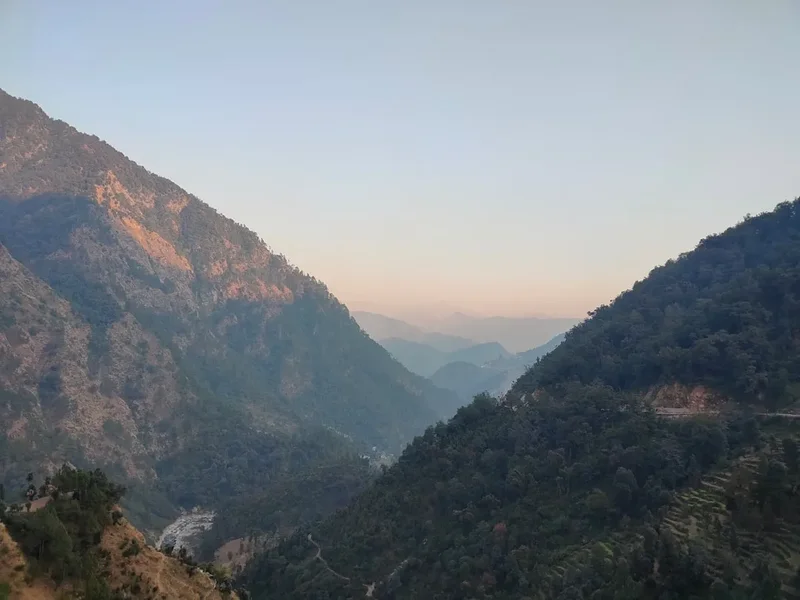
For the majority of the Bodh Gaya Pilgrimage Circuit, no specific trekking permits are required. The town and the surrounding rural paths are open to the public. However, there are specific regulations and fees associated with the primary religious sites that walkers must be aware of to ensure a smooth journey.
Mahabodhi Temple Access:
- Entry: Free for all visitors.
- Security: There is a rigorous security check at the entrance. No electronic items (including mobile phones, smartwatches, and tablets) are allowed inside the main complex. These must be deposited in the free lockers provided at the entrance.
- Photography: If you wish to take a dedicated camera (DSLR/Mirrorless) into the complex, you must purchase a camera permit at the entrance gate. The cost is approximately ₹100 for still cameras and ₹300 for video cameras.
- Hours: The temple is generally open from 5:00 AM to 9:00 PM.
International Monasteries: Most monasteries are free to enter, but they have specific visiting hours (usually 8:00 AM–12:00 PM and 2:00 PM–6:00 PM). Always check the signboards at the gates. Donations are not mandatory but are highly appreciated and help with the upkeep of the facilities.
Dungeshwari Cave Temples: There is no entry fee for the caves, but you may encounter local "guides" or children asking for donations. It is best to give to the official temple donation boxes rather than individuals. If you are travelling by vehicle to the base of the hill, there may be a small parking fee (approx. ₹50).
Visa Requirements: While not a "trail permit," your Indian visa is your primary legal document. Ensure you carry a photocopy of your passport and visa at all times, as guest houses and monasteries are required by law to register foreign guests via "Form C."
Other Activities in the Area
Bodh Gaya and the surrounding Gaya district offer several enriching experiences that complement the pilgrimage circuit:
- Vipassana Meditation Retreats: The Dhamma Bodhi centre offers 10-day silent meditation courses in the tradition of S.N. Goenka. This is a rigorous but transformative experience for many travellers.
- Root Institute for Wisdom Culture: A socially active Tibetan Buddhist centre that offers introductory courses on Buddhist philosophy, yoga classes, and volunteer opportunities in their local clinic and school.
- Gaya Pinda Daan Observation: Visit the Vishnupad Temple in Gaya to witness the ancient Hindu ritual of Pinda Daan, where devotees perform rites to ensure the salvation of their ancestors' souls. It provides a fascinating contrast to the Buddhist practices in Bodh Gaya.
- Barabar Caves: Located about 40 km from Gaya, these are the oldest surviving rock-cut caves in India, dating back to the Maurya Empire (3rd century BCE). They feature highly polished internal surfaces and unique echo properties.
- Local Handicraft Shopping: The markets around the Mahabodhi Temple are excellent for purchasing Tibetan singing bowls, statues, incense, and locally woven silk scarves.
- Sujata Village School Visit: Several NGOs operate schools in the villages across the Niranjana River. Visiting (and perhaps donating to) these schools provides insight into the educational challenges and triumphs in rural Bihar.
Safety and Conditions
Health and Hygiene: The most common safety issue on this circuit is "Delhi Belly" or food-borne illness. To stay safe: only drink bottled or filtered water, avoid ice, eat at busy restaurants with high turnover, and ensure street food is cooked fresh in front of you. Carry a basic medical kit with rehydration salts and antibiotics prescribed by your doctor for travel.
Heat and Sun: Even in the "cool" season, the sun can be intense. Dehydration and heat exhaustion are genuine risks, especially on the 18-kilometre round trip to Dungeshwari. Start your walks early (at dawn), wear a hat, and drink more water than you think you need. If you feel dizzy or nauseous, seek shade immediately and find an auto-rickshaw to return to your accommodation.
Traffic and Road Safety: Walking in Bodh Gaya involves navigating narrow streets shared with auto-rickshaws, motorbikes, cows, and tractors. Indian traffic can seem chaotic; always walk facing the oncoming traffic and be predictable in your movements. On the rural paths to Sujata Stupa, be mindful of the dust kicked up by passing vehicles.
Personal Safety and Scams: Bodh Gaya is generally safe for tourists, but like any major pilgrimage site, it has its share of touts and minor scams. Be wary of "monks" asking for donations on the street (genuine monks rarely do this), or people offering "free" tours that end with a high-pressure sales pitch in a shop. Use registered taxis and agree on auto-rickshaw fares before starting the journey. Female solo travellers should take standard precautions and avoid walking alone on rural paths after dark.
Environmental Hazards: During the monsoon, the Phalgu River can rise quickly. Do not attempt to cross the riverbed if there has been heavy rain upstream. In the dry season, the riverbed is a vast expanse of sand; be prepared for heavy dust and carry a scarf to cover your face if it becomes windy.
Side Trips and Points of Interest
The 80-Foot Buddha Statue: This magnificent statue, unveiled in 1989 by the Dalai Lama, is a symbol of modern Bodh Gaya. It is made of red granite and sandstone blocks and depicts the Buddha in the dhyana mudra (meditation pose). The statue is surrounded by ten smaller sculptures of the Buddha's disciples. It is a peaceful spot for a morning walk and offers excellent photographic opportunities.
Indosan Nipponji (Japanese Temple): Located near the 80-foot Buddha, this temple is a masterpiece of Japanese architecture. It is constructed entirely of wood and features beautiful Zen gardens. The interior contains paintings depicting the life of the Buddha. The temple also runs a free kindergarten and a medical clinic for the local community, embodying the Buddhist principle of Karuna (compassion).
The Muchalinda Lake: Located within the Mahabodhi Temple complex, this pond marks the spot where the Snake King Muchalinda protected the Buddha from a violent storm during his sixth week of meditation. A statue in the centre of the pond depicts the Buddha sheltered by the multi-headed cobra. It is a serene place to sit and observe the golden fish and the reflections of the temple spires.
Nalanda and Rajgir: While technically outside the 50-kilometre walking circuit, these sites are essential for any serious student of Buddhist history. Nalanda (approx. 80 km away) was the site of the world's first residential university, while Rajgir was the Buddha's favourite retreat and the site of the first Buddhist Council. Most travellers add a 2-day vehicle-based side trip to these locations at the end of their circuit.
Leave No Trace
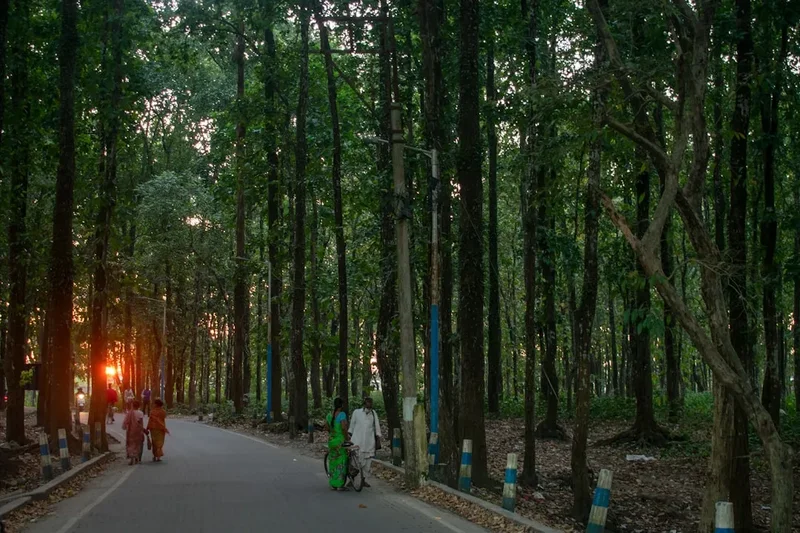
Bodh Gaya is a sacred site for millions, and the surrounding rural areas are home to farming communities. Practicing Leave No Trace principles is essential to preserve the spiritual atmosphere and the local environment. The region struggles with waste management, so your personal actions make a significant difference.
Your responsibility as a pilgrim-walker:
- Manage your plastic: Bihar has a ban on single-use plastics, but it is not always strictly enforced. Avoid plastic bags and disposable water bottles. Carry a reusable bottle and a cloth bag for shopping.
- Dispose of waste properly: Trash cans are scarce outside the main temple area. Carry a small "trash bag" in your daypack and take your litter back to your hotel for proper disposal.
- Respect the silence: Many people come to Bodh Gaya for silent meditation. Keep your voice low in temple complexes and avoid playing music on speakers while walking.
- Respect local customs: Never touch a monk or nun (especially if you are of the opposite gender), and never touch someone's head. When circumambulating a stupa or temple, always walk in a clockwise direction.
- Be water-wise: Bihar is a water-stressed region. Keep your showers short and reuse towels in your guest house.
- Support the local economy fairly: Pay a fair price for goods and services. While bargaining is part of the culture, aggressive haggling over small amounts can be disrespectful to local vendors who rely on pilgrimage income.