
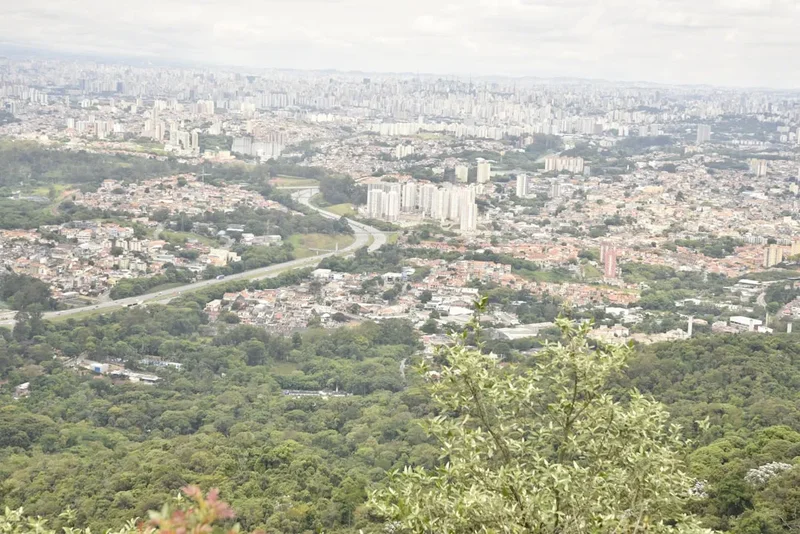
Trilha da Serra da Bocaina - A Journey Through Atlantic Forest and Mountain Peaks
The Trilha da Serra da Bocaina is a challenging multi-day trek traversing the heart of Brazil's Atlantic Forest, connecting the states of São Paulo and Rio de Janeiro. This route is renowned for its dramatic elevation changes, diverse ecosystems ranging from lush rainforest to high-altitude grasslands, and stunning panoramic views. It's a journey that tests physical endurance while immersing walkers in one of the world's most biodiverse and threatened biomes. The trail is not a single, well-trodden path but rather a network of old trails, cattle tracks, and routes used by local communities, offering a raw and authentic wilderness experience.
- Distance: Approximately 45.0 km (can vary slightly depending on exact route variations)
- Duration: 3-5 days
- Season: April to September (dry season, cooler temperatures, less rain)
- Accommodation: Basic mountain shelters, camping
- Highest point: Varies, but reaches significant altitudes within the Serra da Bocaina National Park
- Difficulty: Challenging (due to elevation gain, terrain, and potential for unpredictable weather)
- Direction: Typically walked from São José do Barreiro (SP) towards Cunha (RJ) or vice-versa, though variations exist.
Overview
The Trilha da Serra da Bocaina offers a profound immersion into the Atlantic Forest (Mata Atlântica), a biome critically endangered yet teeming with life. This trail is not for the faint of heart; it demands significant physical preparation and a robust spirit of adventure. The route ascends from the lower altitudes, often starting near agricultural lands or small rural communities, and climbs steadily into the mountainous interior of the Serra da Bocaina National Park. As you gain elevation, the dense, humid rainforest gives way to cloud forests, and eventually, to high-altitude grasslands and rocky outcrops, offering breathtaking vistas of the surrounding mountain ranges and distant coastlines.
The trail's character shifts dramatically with altitude. The lower sections are characterized by dense vegetation, towering trees draped in epiphytes, and a symphony of insect and bird calls. Water is abundant, with numerous streams and small waterfalls. As the ascent continues, the forest becomes more stunted and moss-laden, often shrouded in mist, creating an ethereal atmosphere. The higher reaches present a more exposed landscape, with windswept grasslands and rocky terrain, where hardy vegetation clings to life. The weather is a significant factor; while the dry season (April-September) offers the best conditions, sudden storms, fog, and temperature drops are common, especially at higher elevations.
This trek is a journey through a landscape that has been shaped by both natural forces and human history. The Serra da Bocaina has historically been a route for cattle drovers and local communities, and remnants of these past uses can still be found. The park itself is a vital conservation area, protecting a significant portion of the remaining Atlantic Forest and its unique biodiversity, including numerous endemic species of plants, birds, and mammals. Completing the Trilha da Serra da Bocaina is a rewarding achievement, offering a deep connection with nature and a unique perspective on Brazil's natural heritage.
History and Cultural Context
The Serra da Bocaina region has a long history of human interaction, predating the establishment of national parks and formal trails. Indigenous peoples likely traversed these mountains for millennia, utilizing the abundant natural resources for sustenance and shelter. Later, during the colonial and imperial periods, the region became important for agriculture and cattle ranching. The trails that form the basis of the modern Trilha da Serra da Bocaina were often established and maintained by these early settlers and drovers (tropeiros) who used them to transport livestock and goods between the interior and the coastal regions.
The establishment of the Serra da Bocaina National Park in 1971 was a crucial step in preserving this ecologically significant area. The park was created to protect the remaining fragments of the Atlantic Forest, a biome that has been heavily deforested for agriculture, urban development, and logging. The park encompasses a vast area, spanning parts of both São Paulo and Rio de Janeiro states, and is a vital refuge for numerous species, many of which are endemic and endangered.
The Trilha da Serra da Bocaina itself is not a single, officially designated "Great Walk" like some international trails. Instead, it is a collection of interconnected routes that have been used by locals and adventurous hikers for decades. Its history is tied to the resilience of the Atlantic Forest and the efforts to conserve it. The trail offers a glimpse into a landscape that has witnessed centuries of human activity, from indigenous journeys to the routes of the tropeiros, all set against the backdrop of a recovering and vital ecosystem.
Seasonal Highlights and Weather Reality
The Trilha da Serra da Bocaina is best experienced during the dry season, which typically runs from April to September. This period offers the most favourable conditions for hiking, with lower humidity, less rainfall, and cooler temperatures, making the ascents more manageable and the views clearer.
Dry Season (April to September): This is the prime hiking window.
- April-May: The transition into the dry season often brings pleasant temperatures and clear skies. The vegetation is still lush from the rainy season, and the colours are vibrant. Nights can be cool, especially at higher altitudes.
- June-August: These are the coldest and driest months. Daytime temperatures can be mild, but nights can drop significantly, potentially reaching near freezing at the highest elevations. Fog and mist are common in the mornings and evenings, creating a mystical atmosphere in the cloud forest. This is also the period with the lowest risk of heavy rain.
- September: The end of the dry season can still offer good conditions, though temperatures may start to rise, and there's a slightly increased chance of isolated showers as the rainy season approaches.
Rainy Season (October to March): Hiking during this period is significantly more challenging and generally not recommended for less experienced hikers.
- October-March: Characterized by high humidity, frequent and heavy rainfall, and thunderstorms. Trails can become muddy, slippery, and difficult to navigate. Rivers and streams can swell rapidly, posing a significant risk. Visibility is often poor due to persistent fog and rain. While the forest is at its most verdant, the logistical and safety challenges are substantial.
Weather Considerations: Regardless of the season, the Serra da Bocaina is a mountainous region, and weather can change rapidly. Be prepared for a wide range of conditions, including strong winds, sudden temperature drops, and fog, even during the dry season. Altitude plays a significant role, with higher elevations being considerably colder and more exposed.
Recommended Itinerary
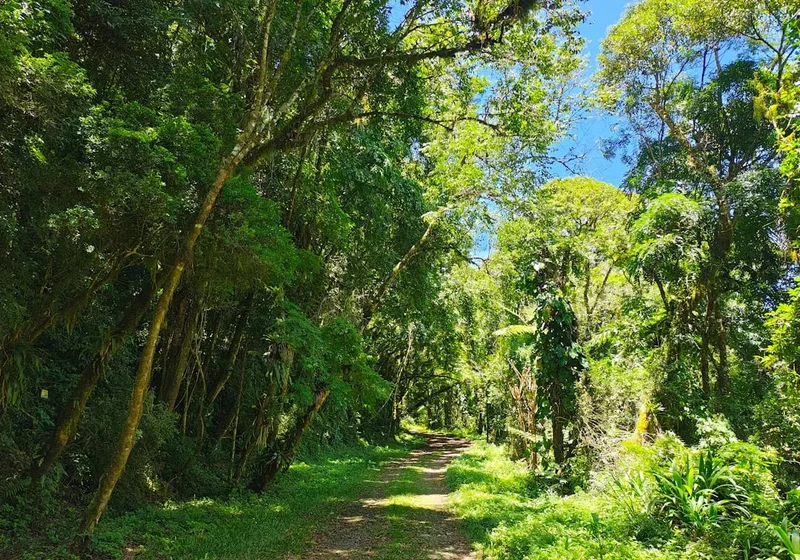
3-Day Trilha da Serra da Bocaina Itinerary (Example)
Day 1: São José do Barreiro (SP) to Camp 1 (e.g., near Pico da Bocaina)
- Distance: Approximately 12-15 km
- Elevation gain: Significant, starting from lower altitudes and climbing towards the park's higher regions
- Time: 6-8 hours
- Start from São José do Barreiro, often from a designated trailhead or a point accessible by local transport.
- Initial section may pass through agricultural land or lower-altitude Atlantic Forest.
- Gradual but persistent ascent through dense rainforest.
- Opportunity to observe diverse flora and fauna.
- Reach a suitable camping spot or basic shelter at higher elevation, preparing for colder temperatures.
- Set up camp and acclimatise to the altitude and environment.
Day 2: Camp 1 to Camp 2 (e.g., near Pico do Tira Chapéu)
- Distance: Approximately 15-18 km
- Elevation gain: Continued ascent, potentially reaching the highest points of the trek.
- Time: 7-9 hours
- Continue the climb, transitioning from dense forest to more open, high-altitude grasslands and rocky terrain.
- Pass through areas known for cloud forest characteristics, with moss-covered trees and frequent mist.
- Potential to reach prominent peaks like Pico da Bocaina or Pico do Tira Chapéu, offering spectacular (weather permitting) panoramic views.
- Navigate potentially challenging terrain, including rocky sections and exposed ridges.
- Find a suitable camping location or shelter for the night, often at a significant altitude.
- Enjoy the vastness of the mountain landscape.
Day 3: Camp 2 to Cunha (RJ)
- Distance: Approximately 12-18 km
- Elevation loss: Significant descent towards Cunha.
- Time: 5-7 hours
- Begin the descent from the higher altitudes.
- The terrain will gradually transition back towards more forested areas as you lose elevation.
- Follow established trails or routes leading towards the town of Cunha.
- The final section may involve walking on dirt roads or paths closer to the town.
- Arrive in Cunha, a charming town known for its ceramics and relaxed atmosphere, marking the end of the trek.
- Arrange for transport from Cunha.
Important Notes:
- This itinerary is a guideline; actual distances and times can vary based on the specific route taken, trail conditions, and individual pace.
- Accommodation is typically basic shelters or camping. Bookings for official park facilities are generally not required in the same way as managed trails, but it's wise to check local park regulations.
- Water sources can be plentiful but should always be treated.
- Weather is highly unpredictable; be prepared for all conditions.
- Navigation can be challenging; a good map, compass, and GPS device are essential.
Planning and Bookings
Book Your Trip
Everything you need to plan your journey
Accommodation
Find places to stay near Landmannalaugar
Flights
Search flights to Landmannalaugar
Essential Preparation
The Trilha da Serra da Bocaina requires thorough planning due to its remote nature and challenging terrain. Unlike highly managed trails, this route relies more on self-sufficiency and local knowledge. It's crucial to coordinate logistics, especially regarding transport to and from the trailheads. São José do Barreiro in São Paulo state and Cunha in Rio de Janeiro state are the primary access points. Both towns offer basic accommodation and services. It is highly recommended to arrange transport in advance, especially for reaching the more remote trailheads. Hiring a local guide is strongly advised, particularly for first-time trekkers, as they possess invaluable knowledge of the routes, weather patterns, and safety considerations. Ensure you have a reliable communication device, such as a satellite phone or personal locator beacon (PLB), as mobile phone reception is virtually non-existent in most parts of the park.
Trail Accommodation
Accommodation along the Trilha da Serra da Bocaina is primarily basic and self-catered. There are no formal "huts" in the same vein as more developed trekking routes. Instead, hikers typically rely on:
- Camping: Designated or suitable wild camping spots are the most common form of accommodation. Hikers must be fully equipped to camp, including tents, sleeping bags, and cooking gear. Choose established clearings or durable surfaces to minimise environmental impact.
- Basic Shelters: In some areas, rudimentary shelters or stone refuges may exist, often built by local communities or park rangers. These offer basic protection from the elements but are usually unequipped and may be in disrepair.
Booking Requirements: Generally, no advance bookings are required for camping or using basic shelters within the Serra da Bocaina National Park. However, it is always advisable to check with the park authorities or local tourism offices for any specific regulations or recommendations. Some guided tours may arrange specific camping locations or use private campsites.
Facilities Provided: None. Hikers must be entirely self-sufficient.
What's NOT Provided: All food, water treatment, cooking equipment, sleeping gear, shelter, and sanitation facilities must be carried in by the hiker.
Seasonal Availability: Camping and shelters are available year-round, but conditions are significantly more challenging during the rainy season (October-March).
Costs: Generally free, though park entrance fees may apply. If using a guided service, costs will be bundled into the tour price.
Required Gear
- Sturdy hiking boots: Waterproof, with good ankle support and well broken-in.
- Backpack: 50-70 litre capacity, with a rain cover.
- Tent: Lightweight, waterproof, and suitable for mountain conditions.
- Sleeping bag: Rated for temperatures as low as 0°C or below, especially for higher altitudes.
- Sleeping pad: For insulation and comfort.
- Waterproof jacket and trousers: Essential for protection against rain and wind.
- Warm layers: Fleece or down jacket, thermal base layers (merino wool or synthetic).
- Head torch: With spare batteries.
- Navigation tools: Map of the Serra da Bocaina region, compass, and a GPS device or smartphone with offline maps.
- First-aid kit: Comprehensive, including blister treatment, pain relievers, antiseptic wipes, bandages, and any personal medications.
- Sun protection: High SPF sunscreen, sunglasses, wide-brimmed hat.
- Insect repellent: Effective against mosquitoes and other biting insects.
- Trekking poles: Highly recommended for steep ascents and descents.
What to Bring
- Food: Lightweight, high-energy, non-perishable food for the duration of the trek (e.g., dehydrated meals, nuts, dried fruit, energy bars, jerky). Plan for at least 3-5 days of food, plus extra for emergencies.
- Water treatment: Water filter, purification tablets, or a method to boil water. While water sources are often available, they must be treated.
- Cooking equipment: Lightweight camping stove, fuel, pot, utensils, mug, and a lighter or waterproof matches.
- Toiletries: Biodegradable soap, toothbrush, toothpaste, toilet paper, hand sanitiser, small trowel for burying waste if necessary (follow Leave No Trace principles).
- Personal items: Camera, power bank for electronics, book or journal, identification, cash for emergencies or local transport.
- Trash bags: To pack out all waste.
- Emergency communication device: Satellite phone or Personal Locator Beacon (PLB) is highly recommended due to lack of mobile signal.
Permits
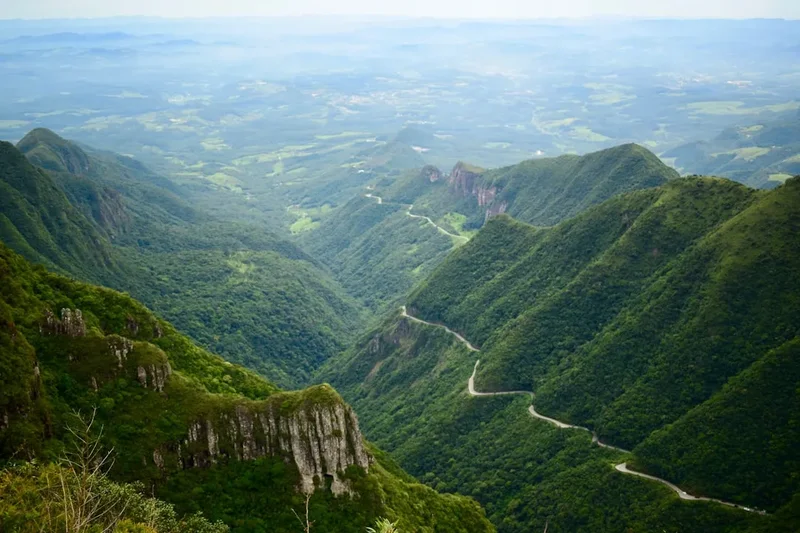
The Trilha da Serra da Bocaina traverses the Serra da Bocaina National Park. While the park is a protected area, the trails are not as formally managed or regulated as some international "Great Walks." Therefore, specific permits for hiking the entire trail are generally not required in the same way. However, it is essential to be aware of park regulations and any potential entry fees.
Park Entrance: There may be entrance fees for accessing the Serra da Bocaina National Park, depending on the specific entry point and current park management policies. It is advisable to check with the ICMBio (Instituto Chico Mendes de Conservação da Biodiversidade), the federal agency responsible for Brazil's protected areas, or local park offices for the most up-to-date information on fees and access requirements.
Camping: While there are no formal booking systems for camping spots, hikers are expected to practice Leave No Trace principles and camp in designated or appropriate areas to minimise environmental impact. Wild camping is generally permitted, but it's wise to confirm this with park authorities.
Guided Hikes: If you opt for a guided tour, the tour operator will typically handle any necessary permits or fees as part of their service. They will also be knowledgeable about the current park regulations.
Recommendations:
- Contact Park Authorities: Before your trip, try to contact the ICMBio office responsible for the Serra da Bocaina National Park to inquire about any specific permit requirements, trail conditions, or safety advisories.
- Local Knowledge: If hiring a local guide, they will be your best resource for understanding current access rules and any necessary documentation.
- Respect Protected Areas: Always adhere to the rules and guidelines of the national park to help preserve its natural beauty and biodiversity.
Other Activities in the Area
The regions surrounding the Trilha da Serra da Bocaina offer a variety of activities for those looking to extend their stay or explore beyond the trek:
- Cunha (RJ): This charming town is a popular destination for its vibrant ceramics scene. Visit local workshops, admire artisanal pottery, and perhaps purchase a unique souvenir. Cunha also offers beautiful views of the Serra do Mar mountains and is known for its lavender fields.
- São José do Barreiro (SP): The starting point for many Bocaina treks, this town offers a glimpse into rural Brazilian life. It's a good place to arrange local transport, gather supplies, and connect with local guides.
- Serra da Bocaina National Park (General Exploration): Beyond the main trek, the park offers opportunities for shorter hikes, birdwatching, and exploring different sections of the Atlantic Forest. Access to specific viewpoints or waterfalls may be possible with local guides.
- Rural Tourism: Experience the local culture by visiting farms and rural properties in the surrounding areas. This can include learning about local agriculture, enjoying regional cuisine, and understanding the lifestyle of the communities that inhabit the foothills of the Bocaina range.
- Waterfalls: The region is dotted with numerous waterfalls, some of which may be accessible via shorter trails or by arrangement with local guides.
Safety and Conditions
Pre-Departure Checks:
- Weather Forecast: Obtain the most up-to-date weather forecast for the Serra da Bocaina region. Be aware that mountain weather can change rapidly and forecasts may not always be accurate at higher altitudes.
- Trail Conditions: If possible, consult with local guides or park authorities about current trail conditions, especially after periods of heavy rain, which can cause landslides or make trails impassable.
- Emergency Contacts: Ensure you have contact information for local emergency services, park rangers, and your chosen transport providers.
- Inform Someone: Leave a detailed itinerary with a trusted person, including your expected start and end dates, route, and contact information.
Terrain Hazards: The Trilha da Serra da Bocaina involves challenging terrain, including steep ascents and descents, rocky paths, slippery sections (especially when wet), and potentially dense vegetation. Proper footwear and trekking poles are essential for stability and to prevent injuries.
Weather Hazards:
- Rain and Fog: Frequent rain and dense fog are common, particularly at higher elevations. This can significantly reduce visibility, making navigation difficult and increasing the risk of getting lost. Hypothermia is a risk, even in warmer months, due to wind chill and wet conditions.
- Temperature Fluctuations: Temperatures can vary dramatically between day and night, and with altitude. Be prepared for cold conditions, especially at night and on exposed ridges.
- Thunderstorms: During the rainy season, thunderstorms can be frequent and dangerous. Seek shelter away from exposed ridges and tall trees if a storm approaches.
Wildlife: While the Atlantic Forest is rich in biodiversity, encounters with dangerous wildlife are rare. However, be aware of your surroundings. Venomous snakes and insects are present, so watch where you step and place your hands. Always treat water from natural sources.
Navigation: This trail is not always clearly marked. A good map, compass, and GPS device are crucial. Hiring a local guide is highly recommended for navigation, especially for those unfamiliar with the area.
Communication: Mobile phone reception is extremely limited or non-existent in most of the park. Carrying a satellite phone or a Personal Locator Beacon (PLB) is strongly advised for emergencies.
Self-Sufficiency: You must be prepared to be self-sufficient for the entire duration of the trek. Carry enough food, water, and appropriate gear for all conditions.
Side Trips and Points of Interest
Pico da Bocaina: The highest peak in the Serra da Bocaina range, often accessible as a side trip or a key point on the main route. Reaching the summit (approximately 2,088 metres) offers spectacular panoramic views of the surrounding mountains, the Atlantic Forest stretching out below, and on clear days, potentially the coastline. The ascent can be challenging, involving rocky terrain and exposed sections.
Pico do Tira Chapéu: Another significant peak in the range, offering similar breathtaking vistas. The name "Tira Chapéu" (hat remover) suggests the strong winds that can be encountered at its summit. This peak is often a focal point for multi-day treks.
Atlantic Forest Biodiversity: The entire trail is a journey through a biodiversity hotspot. Keep an eye out for the incredible array of flora and fauna, including numerous species of orchids, bromeliads, ferns, and a vast diversity of birds, insects, and potentially mammals like monkeys and tapirs (though sightings are rare). The cloud forest sections are particularly rich in epiphytic plants.
Waterfalls: The mountainous terrain is crisscrossed by numerous streams and rivers, creating many beautiful waterfalls. Depending on the exact route and time of year, you may encounter several cascades, some of which can be quite impressive, especially after rainfall.
Tropeiro Trails: While not always distinct, sections of the route may follow ancient paths historically used by "tropeiros" (cattle drovers). These routes offer a connection to the region's past and the historical significance of the Serra da Bocaina as a transit corridor.
Leave No Trace
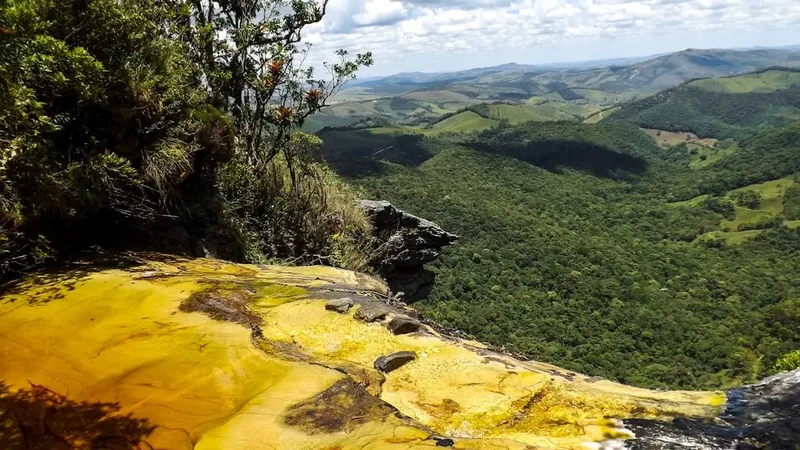
The Trilha da Serra da Bocaina traverses a vital and fragile ecosystem – the Atlantic Forest. Practicing Leave No Trace (LNT) principles is paramount to preserving this environment for future generations and ensuring the safety and enjoyment of all who visit.
Your responsibility as a walker:
- Plan Ahead and Prepare: Research the trail, understand its challenges, and pack appropriate gear and food. Inform someone of your plans.
- Travel and Camp on Durable Surfaces: Stick to established trails to avoid damaging vegetation. When camping, use designated sites or choose durable surfaces like rock or dry grass, well away from water sources.
- Dispose of Waste Properly: Pack out everything you pack in, including all food scraps, wrappers, and toilet paper. Use designated toilets where available, or dig catholes at least 60 metres away from water, trails, and campsites.
- Leave What You Find: Do not remove plants, rocks, or any natural or cultural artifacts. Take only photographs and memories.
- Minimise Campfire Impacts: Campfires are generally discouraged in sensitive ecosystems like the Atlantic Forest. If permitted and necessary, use established fire rings and keep fires small. Ensure fires are completely extinguished before leaving.
- Respect Wildlife: Observe wildlife from a distance. Never feed animals, as this can disrupt their natural behaviours and diets. Store food securely to prevent attracting animals.
- Be Considerate of Other Visitors: Keep noise levels down and yield to other hikers. Respect the local culture and traditions.
By adhering to these principles, you help protect the unique biodiversity and natural beauty of the Serra da Bocaina, ensuring its preservation for years to come.
Useful Links
- ICMBio - Parque Nacional da Serra da Bocaina (Official Park Information - Portuguese)
- ICMBio - Visiting Serra da Bocaina National Park (Portuguese)
- Climatempo - Weather for São Paulo State (Portuguese)
- Climatempo - Weather for Cunha, Rio de Janeiro (Portuguese)
- Wikiloc - Trilha da Serra da Bocaina (User-generated routes and GPS tracks)
- TripAdvisor - Cunha Travel Guide