
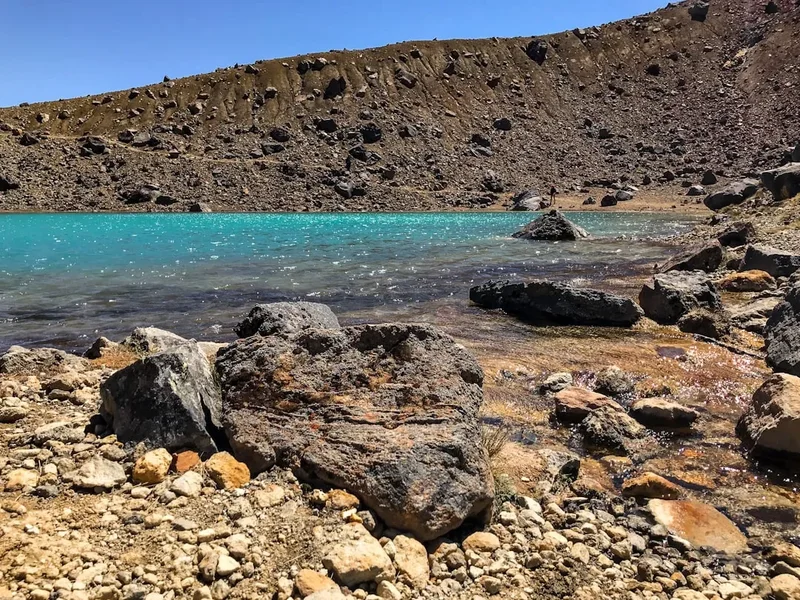
Blue Pools Track - A Fiordland Gem
The Blue Pools Track is a short, accessible, and incredibly rewarding day walk located in the heart of the Haast Pass, a stunning mountain pass connecting the West Coast with the Southern Lakes region of New Zealand. This track offers a delightful immersion into the lush, temperate rainforest characteristic of Fiordland National Park, culminating in the breathtaking sight of the Blue Pools themselves – a series of crystal-clear pools fed by the Makarora River, renowned for their vibrant turquoise hue and exceptional clarity. The walk is suitable for most fitness levels, making it a popular choice for families and those seeking a taste of Fiordland's natural beauty without committing to a multi-day trek. The journey is a sensory delight, filled with the sounds of native birds, the scent of damp earth and moss, and the visual spectacle of ancient ferns and towering beech trees.
- Distance: 3.0 km return
- Duration: 1 hour 30 minutes
- Season: Year-round, but best in late spring, summer, and early autumn for warmer temperatures.
- Difficulty: Easy
- Closest City: Wanaka
- Trailhead Access: From Wanaka, drive north on SH6 for approximately 75km (1 hour). The trailhead is well-signposted. Parking is available.
- Permits: No permits are required for this day walk.
Overview
The Blue Pools Track is a quintessential Fiordland experience, condensed into a manageable and highly scenic day walk. The trail begins from a well-maintained carpark off State Highway 6, immediately plunging you into a dense, ancient temperate rainforest. The path is generally wide and well-formed, with a gentle gradient for much of its length, making it accessible for a wide range of visitors. As you walk, the air becomes cooler and more humid, filled with the earthy aroma of moss and decaying leaves. Sunlight filters through the thick canopy of beech trees, creating a dappled, ethereal light that illuminates the vibrant green undergrowth of ferns, mosses, and lichens. The sounds of the forest are a constant companion: the chirping of native birds like the fantail (pīwakawaka) and the bellbird (korimako), and the distant murmur of the Makarora River.
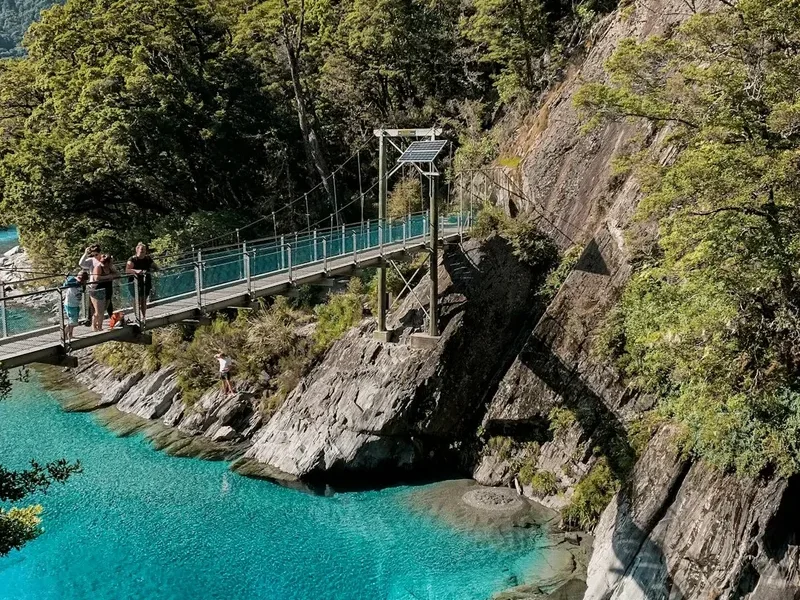
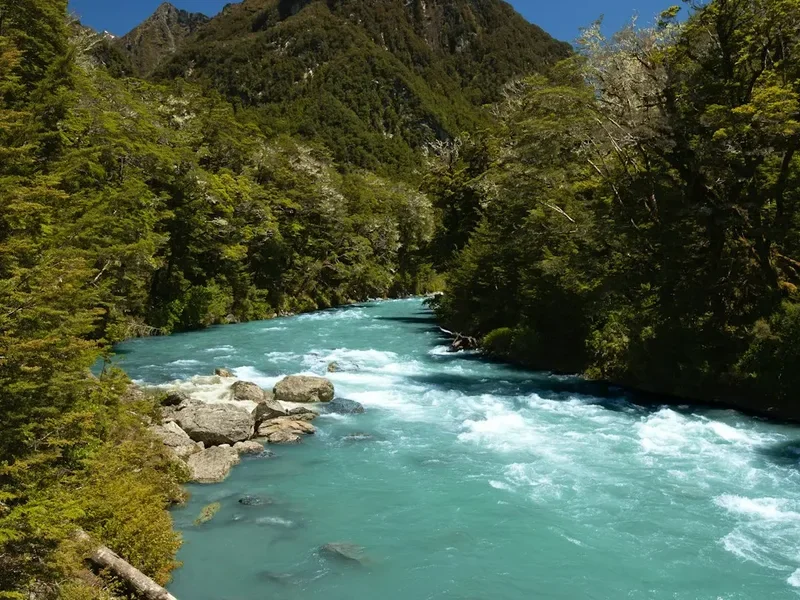
The track is divided into two main sections, separated by a suspension bridge over the Makarora River. The first section leads to the riverbank, offering initial glimpses of the water's clarity. After crossing the bridge, the track continues through more pristine forest, eventually leading to the main attraction: the Blue Pools. Here, the Makarora River cascades over smooth, grey rocks, forming a series of deep, impossibly clear pools. The water's striking blue-green colour is due to the fine glacial rock flour suspended in it, which reflects light in a way that creates this mesmerising hue. The pools are remarkably transparent, allowing you to see the riverbed pebbles and aquatic life with astonishing detail. The surrounding rocks and vegetation add to the picturesque scene, creating a tranquil and visually stunning natural spectacle. The return journey retraces your steps, offering a different perspective on the forest and river.
This walk is an excellent introduction to the natural wonders of the Haast Pass and Fiordland National Park. It provides a tangible connection to the raw, untamed beauty of New Zealand's West Coast, showcasing the unique flora and fauna of its temperate rainforests and the striking geological features that define the region. The ease of access and relatively short duration make it an ideal stop for travellers exploring the scenic State Highway 6.
History and Cultural Context
The area surrounding the Blue Pools Track, within the Haast Pass and Fiordland National Park, holds deep historical and cultural significance. For millennia, Māori, particularly the Ngāi Tahu iwi, have traversed these mountain passes as part of traditional routes connecting the West Coast with the inland lakes and the Canterbury Plains. These routes were vital for seasonal hunting, gathering, and trade, including the highly prized pounamu (greenstone/jade), which was often sourced from the West Coast and transported inland. The Makarora River and its tributaries would have been important sources of food and water for these travellers, and the dense forests provided shelter and resources.
The Haast Pass itself was named after Julius von Haast, a German geologist and explorer who surveyed the area in the 1860s. His explorations contributed to the European understanding of the region's geology and natural resources. The construction of State Highway 6 through the Haast Pass in the 1960s was a monumental engineering feat, opening up the West Coast to easier access and tourism. This development, while bringing economic benefits and increased visitor numbers, also necessitated careful management to protect the fragile natural environment.
The Blue Pools Track, as a designated walking track, is a relatively modern development, designed to provide public access to this natural wonder while minimising environmental impact. The track's construction and maintenance are managed by the Department of Conservation (DOC), which works to preserve the ecological integrity of the area and ensure a safe and enjoyable experience for visitors. The vibrant blue colour of the pools is a result of natural geological processes, specifically the fine glacial silt carried by the Makarora River. This natural phenomenon has been a source of wonder for both Māori and European visitors for generations, a testament to the enduring beauty of Fiordland's landscapes.
Seasonal Highlights and Weather Reality
The Blue Pools Track is accessible and enjoyable year-round, offering a different experience depending on the season. However, certain times of the year are generally considered more favourable for visiting.
Late Spring (November) to Early Autumn (April): This period generally offers the most pleasant weather conditions. Temperatures are warmer, making the walk more comfortable, and the days are longer, allowing for more flexibility. The forest is lush and vibrant, and the Makarora River is typically at a good level for viewing the pools. This is also the peak tourist season, so expect more visitors on the track, especially during weekends and public holidays.
Summer (December to February): While offering the warmest temperatures and longest daylight hours, summer can also bring more sandflies. These small biting insects are prevalent in Fiordland, particularly in damp, sheltered areas. While the Blue Pools Track is generally well-ventilated by the river, it's advisable to bring insect repellent during these months. The forest is at its most verdant, and the river's clarity is usually excellent.
Autumn (March to May): Autumn is a beautiful time to visit, with the surrounding beech forests potentially displaying subtle autumnal colours. The crowds begin to thin, and the weather can still be mild. However, rainfall can increase, and temperatures start to drop, especially towards the end of autumn.
Winter (June to August): The Blue Pools Track remains open in winter, offering a starkly beautiful and often dramatic experience. Snowfall is possible, especially at higher elevations, and the forest can be dusted with frost or snow, creating a magical winter wonderland. The Makarora River may be lower, and the pools can still be viewed, though the water might appear a deeper, more intense blue against the muted winter landscape. However, visitors should be prepared for colder temperatures, shorter daylight hours, and potentially icy or slippery conditions on the track. Waterproof and warm clothing is essential.
Spring (September to October): Spring sees the forest awakening after winter. Temperatures begin to rise, and native birds become more active. The track conditions are generally good, though lingering snow or ice is possible in early spring. Rainfall is common throughout the year in Fiordland, so visitors should always be prepared for wet weather, regardless of the season. The Makarora River's clarity can be affected by heavy rainfall, which can temporarily increase sediment levels.
Recommended Itinerary
Blue Pools Track - Day Walk Itinerary
Early Morning (Approx. 9:00 AM): Departure from Wanaka
- Depart from Wanaka, heading north on State Highway 6.
- Enjoy the scenic drive through the Upper Clutha Valley and towards the Haast Pass.
- The drive to the trailhead takes approximately 1 hour and 15 minutes (75 km).
Morning (Approx. 10:15 AM): Arrival at Trailhead and Start of Walk
- Arrive at the well-signposted Blue Pools Carpark.
- Take a moment to prepare: apply sunscreen, insect repellent, and ensure you have water.
- Begin the walk from the carpark, entering the temperate rainforest.
- The initial section of the track is well-formed and relatively flat, winding through dense vegetation.
- Listen for the sounds of native birds and enjoy the cool, damp forest air.
Mid-Morning (Approx. 10:45 AM): Makarora River Suspension Bridge
- Reach the first suspension bridge crossing the Makarora River.
- Pause here to admire the river's clarity and the surrounding forest.
- Cross the bridge to the other side of the river.
Late Morning (Approx. 11:00 AM): Arrival at the Blue Pools
- Continue on the track for a short distance after the bridge.
- Arrive at the viewing platforms overlooking the Blue Pools.
- Spend time marvelling at the vibrant turquoise water, its exceptional clarity, and the surrounding natural beauty.
- Observe the smooth, colourful river stones beneath the surface.
- Take photographs and soak in the serene atmosphere.
Midday (Approx. 11:45 AM): Return Journey
- Begin the walk back towards the carpark, retracing your steps.
- Enjoy the forest from a different perspective on the return journey.
- The descent is gentle, making the return trip relatively easy.
Early Afternoon (Approx. 12:30 PM): Departure from Trailhead
- Arrive back at the Blue Pools Carpark.
- Continue your journey north towards the West Coast or return to Wanaka.
Important Notes:
- This is a day walk; no overnight accommodation is required.
- The track is well-maintained and signposted.
- Wear comfortable walking shoes or hiking boots.
- Carry water and snacks, as there are no facilities along the track.
- Be prepared for changeable weather; bring waterproofs.
- Sandflies can be present, especially during warmer months; bring repellent.
Planning and Bookings
Book Your Trip
Everything you need to plan your journey
Accommodation
Find places to stay near Wanaka
Flights
Search flights to Wanaka
Essential Preparation
The Blue Pools Track is a straightforward day walk, meaning preparation is minimal compared to multi-day treks. However, a few key considerations will ensure a smooth and enjoyable experience. The closest major town and logistical hub is Wanaka, located approximately 75 kilometres south of the trailhead. Wanaka offers a full range of services, including accommodation (from budget hostels to luxury lodges), supermarkets for purchasing supplies, outdoor gear shops, and numerous cafes and restaurants. It is advisable to stock up on food and any last-minute gear in Wanaka before heading to the trailhead, as facilities are scarce along State Highway 6 in the Haast Pass region.
The drive to the trailhead is scenic but can be affected by weather, particularly in winter. It's wise to check road conditions, especially if travelling outside of the summer months. The trailhead is clearly signposted from SH6, and ample parking is available. While the walk itself is short, it's still important to be prepared for the Fiordland environment, which can be unpredictable.
Trail Accommodation
This is a day hike requiring no overnight accommodation. The Blue Pools Track is designed for visitors to experience the natural beauty of the area and return to their accommodation in nearby towns such as Wanaka or further afield on the West Coast.
Required Gear
- Footwear: Sturdy, comfortable walking shoes or hiking boots are recommended. The track is well-formed but can be uneven in places, and may be slippery if wet.
- Clothing: Layers are key for Fiordland's variable weather. A waterproof and windproof jacket is essential, even on a sunny day, as conditions can change rapidly. Bring a warm mid-layer (e.g., fleece or down jacket) and comfortable trousers.
- Navigation: While the track is well-marked and easy to follow, carrying a map or using a GPS device with the track downloaded is always a good safety practice, especially if you plan to explore any unofficial side paths (not recommended).
- Safety Gear: A basic first-aid kit is advisable for any outdoor activity. Include plasters, antiseptic wipes, pain relief, and any personal medications. A mobile phone is useful for emergencies, though reception can be patchy in the Haast Pass.
What to Bring
- Food and Water: Carry sufficient water for the duration of your walk (approximately 1.5 hours round trip). While the Makarora River is clear, it is not recommended to drink untreated water. Pack snacks or a light lunch to enjoy at the pools or on your return.
- Insect Repellent: Sandflies are common in Fiordland, particularly during warmer months. A good quality repellent containing DEET is highly recommended to protect against bites.
- Sun Protection: Even on cloudy days, the sun's rays can be strong, especially at higher altitudes. Bring sunscreen, a hat, and sunglasses.
- Camera: The Blue Pools are incredibly photogenic, so don't forget your camera to capture the stunning turquoise water and lush forest scenery.
- Small Backpack: A small daypack is ideal for carrying water, snacks, camera, and extra clothing layers.
Permits
No permits are required to walk the Blue Pools Track. This is a public access day walk managed by the Department of Conservation (DOC) as part of Fiordland National Park. Visitors are welcome to access the track and enjoy the scenery without needing to book in advance or pay any fees.
While no permits are needed for the track itself, it's important to be aware of the general regulations within national parks. These typically include rules about:
- Keeping dogs under control (dogs are generally not permitted on walking tracks within national parks unless specifically allowed).
- Not lighting fires.
- Not feeding wildlife.
- Taking all rubbish out with you.
- Respecting the natural environment and staying on marked tracks.
The accessibility of the Blue Pools Track is one of its key attractions, allowing anyone to experience this natural wonder without bureaucratic hurdles. However, this also means the track can become busy, especially during peak season. Visiting during weekdays or outside of school holidays can offer a more tranquil experience.
Other Activities in the Area
The Blue Pools Track is an excellent stop on a journey through the Haast Pass, and there are numerous other activities and points of interest in the surrounding region:
- Haast Pass Lookout: Located near the summit of the pass, this viewpoint offers panoramic vistas of the surrounding mountains and valleys. It's a great spot for photos and to appreciate the scale of the landscape.
- Fantail Falls: A short, easy walk from the highway leads to Fantail Falls, a picturesque waterfall cascading over a rock face. It's a lovely spot for a brief stop and a chance to stretch your legs.
- Thunder Creek Falls: Another easily accessible waterfall, Thunder Creek Falls is a powerful cascade that plunges into a gorge. The viewing platform provides excellent views of the falls and the river below.
- Knight's Point Lookout: Further north on the West Coast, this dramatic lookout offers sweeping views of the Tasman Sea coastline, with opportunities to spot seals and, occasionally, dolphins or whales.
- Ship Creek Walk: Located south of Haast, this short walk features a boardwalk through a coastal forest and a unique kahikatea (white pine) swamp forest, showcasing different ecosystems.
- Lake Wanaka and surrounds: Before or after your visit to the Blue Pools, explore the town of Wanaka, enjoy water sports on the lake, hike up Roy's Peak for iconic views, or visit the quirky Puzzling World.
- West Coast Glaciers (Fox and Franz Josef): If continuing north, the famous Fox and Franz Josef Glaciers are accessible for guided walks or scenic helicopter flights.
Safety and Conditions
Track Conditions: The Blue Pools Track is generally well-maintained and easy to navigate. However, like all natural environments, it can present minor hazards. The track surface can be uneven, with exposed roots and rocks. After rain, sections of the track may become muddy and slippery, particularly on the inclines and descents. The suspension bridge is safe but can sway slightly when walked upon.
Weather: Fiordland National Park is renowned for its high rainfall and rapidly changing weather. Even on a clear day, conditions can deteriorate quickly. Always be prepared for rain, wind, and cooler temperatures, especially in the forest canopy where it can feel damp and chilly. Check the MetService forecast for the Haast Pass region before you depart.
Sandflies: These small biting insects are a common nuisance in many parts of New Zealand, especially in damp, sheltered areas and near water. They are most active during warmer, calmer conditions. It is highly recommended to bring effective insect repellent containing DEET (at least 15-20% concentration) and apply it liberally to exposed skin. Wearing long sleeves and trousers can also help minimise bites.
Water Safety: While the Blue Pools are visually stunning, the Makarora River is a wild river with strong currents, especially after rainfall. Do not attempt to swim in the river unless you are an experienced swimmer and aware of the conditions. The water is also very cold, and the riverbed can be slippery. Stick to the designated viewing platforms for enjoying the pools.
Wildlife: You may encounter native birds such as fantails, bellbirds, and tūī. Please do not feed the wildlife, as it can disrupt their natural behaviour and diet. Keep a respectful distance and observe them quietly.
Emergency Contact: Mobile phone reception can be unreliable in the Haast Pass. It is advisable to inform someone of your plans, including your estimated return time. In case of an emergency, the Department of Conservation (DOC) can be contacted, and emergency services can be reached via 111.
Side Trips and Points of Interest
While the Blue Pools themselves are the primary draw, the short walk to reach them is dotted with smaller points of interest that enhance the experience:
Makarora River Suspension Bridge: This sturdy suspension bridge offers a fantastic vantage point for appreciating the power and clarity of the Makarora River. Crossing it provides a sense of adventure and allows for excellent photographic opportunities of the river flowing through the gorge. The bridge is a key waypoint, marking the transition to the final approach to the Blue Pools.
Forest Flora and Fauna: The track itself is a point of interest, showcasing the rich biodiversity of Fiordland's temperate rainforest. Keep an eye out for the diverse array of ferns, mosses, and lichens that carpet the forest floor and cling to the ancient beech trees. The air is often filled with the calls of native birds, and with patience, you might spot fantails flitting through the undergrowth or hear the melodic song of a bellbird.
Viewing Platforms: Strategically placed viewing platforms at the Blue Pools provide safe and unobstructed views of the water. These platforms are designed to minimise impact on the surrounding environment while offering the best possible perspective of the pools' vibrant colour and clarity. They are ideal spots to pause, reflect, and absorb the natural beauty.
Leave No Trace
The Blue Pools Track, like all natural areas, benefits immensely from visitors adhering to Leave No Trace principles. These guidelines help preserve the pristine beauty of the environment for future generations and minimise human impact.
Plan Ahead and Prepare: Familiarise yourself with the track's conditions and weather forecast before you go. Pack appropriately for the conditions, including layers of clothing and rain gear. Carry sufficient water and snacks.
Travel and Camp on Durable Surfaces: Stick to the marked track at all times. This prevents erosion and protects the fragile vegetation on the forest floor. The track is well-defined, so there is no need to stray from it.
Dispose of Waste Properly: Pack out everything you pack in. This includes all food scraps, wrappers, and any other litter. There are no rubbish bins along the track or at the trailhead, so you must carry your waste back with you to dispose of it properly in Wanaka or your next destination.
Leave What You Find: Do not remove any natural items, such as rocks, plants, or flowers. These are part of the natural ecosystem and should be left for others to enjoy and for the environment to sustain.
Minimise Campfire Impacts: This is a day walk, so campfires are not applicable. However, if you were to visit other areas, always use established fire rings and ensure fires are completely extinguished.
Respect Wildlife: Observe wildlife from a distance and never feed them. Feeding native animals can disrupt their natural diet and behaviour, and can make them dependent on human food sources.
Be Considerate of Other Visitors: Keep noise levels down to allow everyone to enjoy the natural sounds of the forest. Yield to other walkers on the track, especially on narrow sections.
By following these principles, you help ensure that the Blue Pools Track remains a beautiful and accessible natural treasure.
 New Zealand