
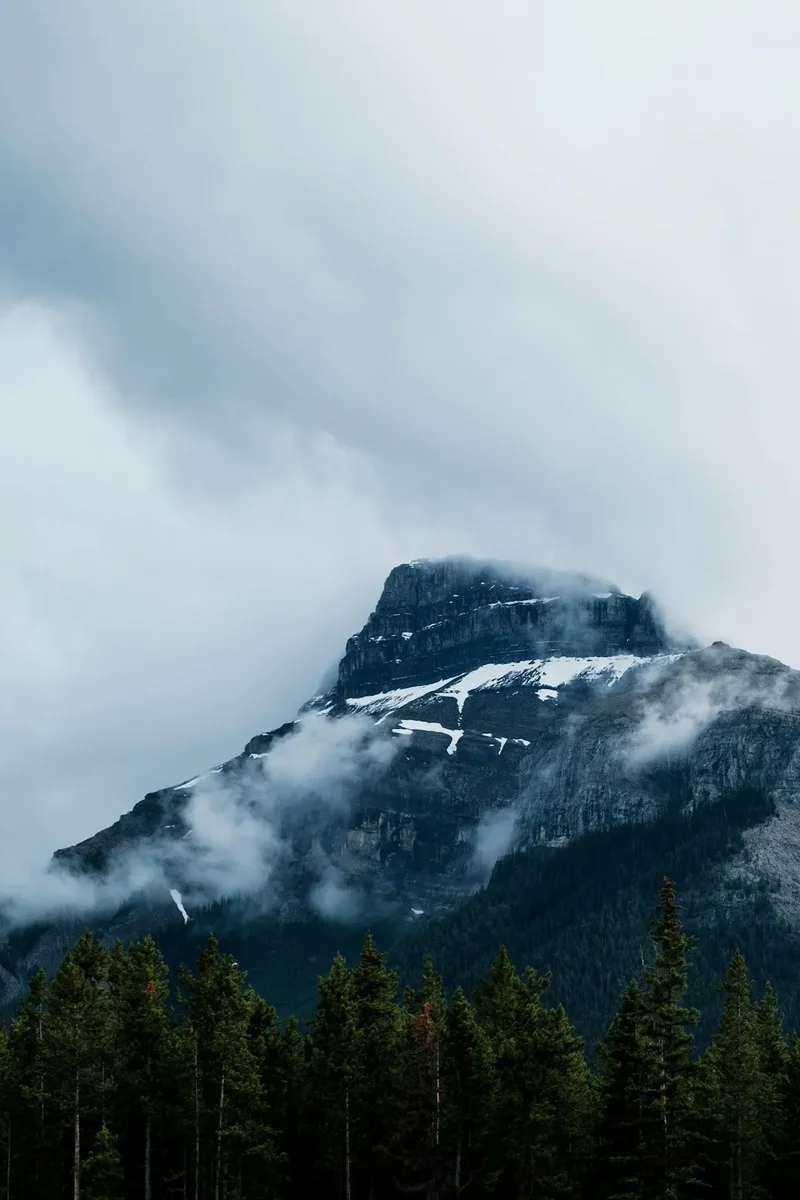
Black Tusk Trail - Whistler's Iconic Peak
The Black Tusk Trail, a challenging and rewarding mountain track located in British Columbia, Canada, offers a spectacular journey through alpine meadows, past turquoise lakes, and towards the imposing volcanic peak of Black Tusk. This demanding day hike, or potential overnight adventure for the ultra-prepared, is a quintessential Whistler experience, showcasing the raw beauty of Garibaldi Provincial Park. The trail ascends steadily, revealing increasingly breathtaking vistas of surrounding peaks, glaciers, and the vibrant blue waters of Garibaldi Lake. It's a route that tests physical endurance while offering unparalleled scenic rewards, making it a must-do for experienced hikers seeking an unforgettable mountain adventure.
- Distance: 29.0 km (round trip)
- Elevation Gain: 1700 m
- Duration: 8-10 hours (day hike)
- Difficulty: Very Challenging
- Best Time: May-October
- Closest City: Whistler
- Trailhead Access: Rubble Creek Trailhead (BC-99 North)
- Required: BC Parks Day-Use Pass (free, online)
Overview
The Black Tusk Trail is a strenuous but immensely satisfying trek that culminates at the base of the iconic Black Tusk, a striking volcanic plug that dominates the skyline of Garibaldi Provincial Park. This trail is not for the faint of heart; it demands a high level of fitness and preparedness due to its significant elevation gain and length. The journey begins at the Rubble Creek Trailhead, a popular starting point for many Garibaldi Park adventures. Initially, the trail winds through dense old-growth forest, a serene introduction to the park's lush environment. As you ascend, the forest canopy gradually thins, giving way to subalpine meadows that burst with wildflowers in the summer months.
A significant highlight of the Black Tusk Trail is the series of stunning alpine lakes encountered along the way. Garibaldi Lake, with its surreal turquoise hue, is a major landmark and a popular spot for a well-deserved break. Further along, the trail passes Lesser Garibaldi Lake and the striking Barrier Lake, a glacial lake held back by a massive moraine dam. The final push towards Black Tusk involves a steep, rocky ascent, often requiring scrambling over scree and boulders. While the summit of Black Tusk itself is a technical climb reserved for experienced mountaineers, the trail leads to a viewpoint offering spectacular close-up views of the peak and the surrounding panoramic landscape, including the vast expanse of the Coast Mountains.
The trail is well-maintained for the most part, but the final section to the base of Black Tusk is rugged and exposed. Hikers should be prepared for all types of weather, as conditions can change rapidly in the mountains. The sheer scale of the landscape, the vibrant colours of the lakes, and the dramatic presence of Black Tusk itself combine to create an unforgettable hiking experience that embodies the wild beauty of British Columbia's coastal mountains.
History and Cultural Context
The land that encompasses Garibaldi Provincial Park, including the area around Black Tusk, has been the traditional territory of the Skwxwú7mesh Úxwumixw (Squamish) and Lil'wat Nations for millennia. These Indigenous peoples have a deep and enduring connection to this land, utilising its resources for hunting, gathering, and spiritual practices. The volcanic formations, including Black Tusk itself, hold cultural significance and are part of the rich oral histories and traditional knowledge of these First Nations.
The modern history of the Black Tusk Trail is intertwined with the development of tourism and recreation in the Whistler area. Black Tusk, a prominent landmark visible from afar, has long been a focal point for exploration. The establishment of Garibaldi Provincial Park in 1927 was a crucial step in preserving this unique alpine environment for public enjoyment and scientific study. Early explorers and mountaineers were drawn to the challenge of reaching its summit, and the trails were gradually developed to allow greater access for hikers and climbers.
The Rubble Creek Trailhead, the primary access point for the Black Tusk Trail, has seen significant improvements over the years to accommodate the growing number of visitors. The park's popularity has surged with the development of Whistler as a world-class resort destination. Today, the Black Tusk Trail is one of the most sought-after day hikes in the region, attracting both local enthusiasts and international tourists eager to experience the dramatic alpine scenery and the iconic volcanic peak. The ongoing management of the park by BC Parks aims to balance recreational access with the critical need for conservation of its natural and cultural heritage.
Seasonal Highlights and Weather Reality
The Black Tusk Trail is typically accessible from late May or early June through to October, depending on snow conditions. The optimal hiking season is generally from July to September, when the snow has melted from the higher elevations, and the alpine meadows are in full bloom.
Spring (May-June): Early season hikers may encounter significant snowpack, especially at higher elevations. The trail can be challenging to navigate, and avalanche risk may still be present in some areas. Wildflowers begin to emerge in the lower meadows, offering a splash of colour. Access to the upper sections of the trail may be limited.
Summer (July-August): This is the peak season for the Black Tusk Trail. The weather is generally warmer, and the alpine meadows are carpeted with vibrant wildflowers, creating a stunning visual spectacle. Garibaldi Lake is at its most inviting, though still very cold. Days are long, allowing ample time for the strenuous hike. However, this is also the busiest time, and the Rubble Creek Trailhead can become very crowded, necessitating an early start. Sandflies can be present, particularly in shaded or damp areas.
Autumn (September-October): The autumn months offer a different kind of beauty. The wildflowers may have faded, but the larch trees in the subalpine areas turn a brilliant golden hue, creating a spectacular display. The air is crisp, and the crowds tend to thin out. However, snow can begin to fall at higher elevations as early as September, so hikers should be prepared for colder temperatures and potentially icy or snowy conditions, especially on the final ascent to Black Tusk.
Weather: Mountain weather is notoriously unpredictable. Hikers should always be prepared for rapid changes, including sudden downpours, strong winds, and even snow, regardless of the season. Temperatures can fluctuate significantly between the trailhead and the higher elevations. Hypothermia is a risk even in summer if hikers are caught unprepared in adverse weather.
Recommended Itinerary
Black Tusk Trail - Day Hike Itinerary
Early Morning (6:00 AM - 7:00 AM): Departure and Trailhead Arrival
- Depart from Whistler or Vancouver, aiming to arrive at the Rubble Creek Trailhead as early as possible to secure parking.
- Ensure you have your BC Parks Day-Use Pass printed or saved on your device.
- Final gear check and hydration.
Morning (7:00 AM - 11:00 AM): Ascent through Forest and Meadows
- Begin the hike from Rubble Creek Trailhead (elevation ~900 m).
- The initial 6 km (approx. 2 hours) is a steady climb through dense forest, gaining approximately 600 m in elevation.
- The trail is well-maintained but can be rooty and rocky in sections.
- Emergence into subalpine meadows around the 6 km mark.
- Continue ascending towards Garibaldi Lake.
Midday (11:00 AM - 1:00 PM): Garibaldi Lake and Lunch Break
- Arrive at the shores of Garibaldi Lake (elevation ~1500 m).
- Distance covered: approximately 9 km from the trailhead.
- Elevation gain: approximately 1500 m.
- Time taken: 3-4 hours.
- Enjoy a well-deserved lunch break with stunning views of the turquoise lake and surrounding peaks.
- This is a good point to assess your energy levels and the weather before proceeding.
Afternoon (1:00 PM - 4:00 PM): Towards Black Tusk
- Continue past Garibaldi Lake, following signs for Black Tusk.
- The trail becomes more rugged and exposed as you ascend towards the Black Tusk viewpoint.
- Pass Lesser Garibaldi Lake and the impressive Barrier Lake.
- The final section involves a steep scramble over scree and boulders to reach the viewpoint at the base of Black Tusk (elevation ~2100 m).
- Distance from Garibaldi Lake to Black Tusk viewpoint: approximately 5.5 km.
- Elevation gain from Garibaldi Lake: approximately 600 m.
- Time taken: 2-3 hours from Garibaldi Lake.
Late Afternoon (4:00 PM - 7:00 PM): Descent and Return to Trailhead
- Begin the descent from the Black Tusk viewpoint.
- The descent can be as challenging as the ascent, especially on the scree slopes. Take your time and use trekking poles for stability.
- Revisit Garibaldi Lake for a final view or a quick dip (if brave!).
- Continue descending through the meadows and forest back to the Rubble Creek Trailhead.
- Total descent: approximately 1700 m.
- Time taken for descent: 3-4 hours.
Evening (7:00 PM onwards): Post-Hike and Departure
- Arrive back at the Rubble Creek Trailhead.
- Celebrate your accomplishment!
- Drive back to Whistler or Vancouver.
Important Considerations:
- This is a strenuous hike; start early and be prepared for a long day.
- Carry ample water and high-energy food.
- Weather can change rapidly; pack layers and rain gear.
- Trekking poles are highly recommended for the steep ascents and descents.
- The final section to Black Tusk is a scramble and requires good balance and sure footing.
- The summit of Black Tusk itself is a technical climb and should only be attempted by experienced mountaineers with appropriate gear and knowledge.
Planning and Bookings
Book Your Trip
Everything you need to plan your journey
Accommodation
Find places to stay near Whistler
Flights
Search flights to Whistler
Essential Preparation
The Black Tusk Trail is a significant undertaking that requires thorough preparation. Given its challenging nature, a high level of physical fitness is paramount. Hikers should be comfortable with long distances and substantial elevation gains. Training that includes hiking with a weighted pack, stair climbing, and cardiovascular exercises is highly recommended. Familiarise yourself with the route using maps and trail descriptions. Inform someone of your hiking plans, including your expected return time.
The closest major city to the Rubble Creek Trailhead is Whistler, a world-renowned resort town offering a wide range of accommodation, dining, and gear rental services. Vancouver is approximately a 2-hour drive south of Whistler and is the nearest international airport (YVR). Ensure you have a reliable vehicle for accessing the trailhead, as public transportation options to Rubble Creek are limited. Parking at the trailhead can be extremely busy, especially on weekends and holidays during the summer months. Arriving very early in the morning (before 7:00 AM) is strongly advised to secure a parking spot. A BC Parks Day-Use Pass is mandatory for all visitors and can be obtained for free online through the BC Parks website.
Trail Accommodation
This is a day hike requiring no overnight accommodation. However, for those wishing to extend their stay in the Garibaldi Park area, there are backcountry campgrounds available. These require separate reservations and are managed by BC Parks. Popular options include:
- Garibaldi Lake Campground: Located near Garibaldi Lake, offering a stunning setting.
- Taylor Meadows Campground: Situated in a beautiful meadow area, providing access to various trails.
- Chilliwack River Campground: Located outside the park, offering a more rustic experience.
Reservations for these campgrounds are essential and can be made through the BC Parks reservation system. They typically open in the spring and fill up quickly. Facilities at these campgrounds usually include tent pads, pit toilets, and bear-proof food caches. No cooking shelters or potable water are provided; hikers must be self-sufficient.
Required Gear
- Sturdy hiking boots: Waterproof and well broken-in, with good ankle support.
- Backpack: A comfortable daypack (30-40 litres) with a rain cover.
- Waterproof and windproof jacket: Essential for protection against sudden weather changes.
- Waterproof overtrousers: To keep dry during rain showers.
- Warm layers: Including a fleece or down jacket, and a hat and gloves, as temperatures can drop significantly at higher elevations.
- Navigation tools: A detailed map of Garibaldi Provincial Park, a compass, and a GPS device or smartphone with offline maps.
- Headlamp or flashlight: With extra batteries, in case of unexpected delays.
- First-aid kit: Comprehensive and tailored to your needs, including blister treatment.
- Sun protection: High SPF sunscreen, sunglasses, and a wide-brimmed hat.
- Insect repellent: Especially for sandflies, which can be prevalent in summer.
- Trekking poles: Highly recommended for stability on steep ascents and descents, and for reducing strain on knees.
What to Bring
- Food: High-energy snacks and a substantial lunch. Consider carrying extra food in case of delays. Examples include trail mix, energy bars, sandwiches, fruit, and jerky.
- Water: A minimum of 3 litres of water per person. Water sources are available along the trail (e.g., Garibaldi Lake), but water treatment (filter or purification tablets) is strongly recommended.
- Toiletries: Biodegradable toilet paper, hand sanitiser, and any personal medications. Pack out all used toilet paper.
- Emergency shelter: A lightweight emergency blanket or bivvy bag.
- Whistle: For signalling in emergencies.
- Multi-tool or knife: Useful for various situations.
- Camera: To capture the stunning scenery.
- Binoculars (optional): For wildlife viewing.
- Cash: For any potential purchases or donations (though most services are pre-booked).
Permits
A BC Parks Day-Use Pass is mandatory for all visitors accessing Garibaldi Provincial Park, including the Rubble Creek Trailhead for the Black Tusk Trail. These passes are free and can be obtained online through the BC Parks website. It is crucial to book your Day-Use Pass in advance, especially for popular hiking days during the peak season (July and August). Passes are released in batches, and it is recommended to check the BC Parks website for the specific release dates and times.
Booking a Day-Use Pass:
- Visit the BC Parks website and navigate to the Garibaldi Provincial Park page.
- Select the date you wish to visit and the specific trailhead (Rubble Creek).
- Choose the number of people in your group.
- Complete the booking process. You will receive a confirmation email with your pass.
- It is advisable to print a copy of your pass or have it readily accessible on your mobile device.
Backcountry Camping Permits: If you plan to camp overnight in Garibaldi Provincial Park (e.g., at Garibaldi Lake or Taylor Meadows campgrounds), you will need to obtain a separate backcountry camping permit. These permits are also booked through the BC Parks reservation system and are in high demand. Reservations typically open in the spring and sell out very quickly.
Important Notes:
- Ensure you have your Day-Use Pass or backcountry permit readily available for inspection by park rangers.
- Failure to have the required pass or permit can result in fines.
- Always check the BC Parks website for the most up-to-date information on pass requirements, availability, and any trail alerts or closures.
Other Activities in the Area
Whistler and the surrounding Garibaldi Provincial Park offer a wealth of activities for outdoor enthusiasts:
- Hiking: Numerous other trails exist within Garibaldi Park, ranging from moderate walks to challenging multi-day treks. Popular options include the Panorama Ridge Trail, the High Note Trail, and the Garibaldi Lake Shoreline Trail.
- Mountaineering and Climbing: For experienced climbers, the park offers opportunities to ascend peaks like Mount Garibaldi, Atwell Peak, and the summit of Black Tusk itself (requires technical skills and equipment).
- Mountain Biking: Whistler is a world-renowned mountain biking destination, with an extensive network of trails for all skill levels in the Whistler Mountain Bike Park and surrounding areas.
- Canoeing and Kayaking: While Garibaldi Lake is too cold for casual swimming, nearby lakes and rivers offer opportunities for paddling.
- Wildlife Viewing: Garibaldi Park is home to a variety of wildlife, including black bears, grizzly bears, deer, marmots, and numerous bird species. Always maintain a safe distance and never feed wildlife.
- Scenic Gondola Rides: The Whistler Blackcomb ski resort offers scenic gondola rides that provide stunning panoramic views of the surrounding mountains and valleys, even outside of ski season.
- Via Ferrata: Experience climbing on fixed routes with the guidance of a certified guide on Whistler Mountain.
- Cultural Experiences: Visit the Squamish Lil'wat Cultural Centre in Whistler to learn about the history and traditions of the local First Nations.
Safety and Conditions
Pre-Departure Checks:
- Weather Forecast: Always check the most up-to-date mountain weather forecast for Garibaldi Provincial Park before you leave. Websites like Environment Canada and Mountain-Forecast.com are valuable resources. Be prepared for rapid changes in weather, including rain, wind, and even snow, at higher elevations.
- Trail Conditions: Visit the BC Parks website for any alerts or closures related to Garibaldi Provincial Park. Snow can linger on higher trails well into July, and early snowfalls can occur in September.
- Park Regulations: Familiarise yourself with BC Parks regulations, including rules on campfires, waste disposal, and wildlife encounters.
- Inform Someone: Leave your detailed itinerary, including your expected return time, with a reliable friend or family member.
Trail Hazards:
- Steep Terrain and Scree: The final ascent to Black Tusk involves navigating steep, loose scree slopes. This requires careful footing and can be challenging on the descent. Trekking poles are highly recommended to aid balance and reduce impact on joints.
- Altitude: The trail reaches an elevation of approximately 2100 metres. Be aware of the symptoms of altitude sickness, especially if you are not accustomed to high altitudes.
- Wildlife: Garibaldi Park is home to bears (black and grizzly). Carry bear spray and know how to use it. Make noise while hiking to avoid surprising animals. Store food properly in bear-proof containers if camping.
- Hypothermia: Even in summer, temperatures at higher elevations can drop significantly, especially with wind chill. Always carry adequate warm layers and waterproof gear.
- Sandflies: These biting insects can be a nuisance, particularly in shaded and damp areas during the summer months. Use effective insect repellent.
Emergency Preparedness:
- Carry a fully stocked first-aid kit and know how to use its contents.
- Carry a reliable navigation system (map, compass, GPS) and know how to use it.
- Consider carrying a personal locator beacon (PLB) or satellite messenger for remote areas where cell service is unreliable.
- Know basic wilderness first-aid and survival skills.
BC Parks Day-Use Pass: Ensure you have your pre-booked Day-Use Pass readily available for inspection. Rangers patrol the park, and failure to comply can result in penalties.
Side Trips and Points of Interest
Garibaldi Lake: The jewel of the park, Garibaldi Lake is renowned for its stunning turquoise colour, a result of glacial silt suspended in the water. The lake is a perfect spot for a lunch break, offering magnificent views of the surrounding peaks, including the imposing Black Tusk. While the water is frigid, some brave hikers opt for a quick, invigorating dip.
Lesser Garibaldi Lake: A smaller, but equally beautiful, lake encountered on the trail beyond Garibaldi Lake. It offers a more serene setting and often fewer crowds.
The Barrier: This massive moraine dam holds back Garibaldi Lake. The trail passes close to its impressive structure, providing a sense of the immense geological forces that shaped the landscape.
Taylor Meadows: If you choose to camp or hike through Taylor Meadows, you'll experience a vast expanse of subalpine meadows that are spectacular in bloom during the summer months. This area offers a different perspective on the park's diverse ecosystems.
Black Tusk Viewpoint: While reaching the summit of Black Tusk is a technical mountaineering feat, the trail leads to a viewpoint at its base. From here, you get an up-close and personal view of the dramatic volcanic plug, its sheer cliffs, and the surrounding rugged alpine terrain. This is the primary destination for most day hikers.
Panorama Ridge (Optional Extension): For those with exceptional fitness and time, an extension to Panorama Ridge offers arguably the most iconic view of Garibaldi Lake, with Black Tusk and the surrounding peaks forming a breathtaking backdrop. This adds significant distance and elevation gain to an already challenging hike.
Leave No Trace
Garibaldi Provincial Park is a precious natural environment, and it is essential for all visitors to practice Leave No Trace principles to minimise their impact and preserve its beauty for future generations. The Black Tusk Trail, being a popular route, experiences significant foot traffic, making adherence to these principles even more critical.
Your responsibility as a hiker:
- Plan Ahead and Prepare: Know the regulations, carry appropriate gear, and be prepared for all weather conditions.
- Travel and Camp on Durable Surfaces: Stick to the marked trails. Avoid cutting switchbacks, as this causes erosion. Stay on designated paths and campsites if camping.
- Dispose of Waste Properly: Pack out everything you pack in, including all food scraps, wrappers, and even fruit peels. Use designated toilets or dig catholes at least 70 metres away from water sources, trails, and campsites if no facilities are available. Pack out all toilet paper.
- Leave What You Find: Do not remove or disturb natural objects such as rocks, plants, or flowers. Take only photographs and memories.
- Minimise Campfire Impacts: Campfires are often restricted or prohibited in Garibaldi Park. If permitted, use existing fire rings and keep fires small. Ensure fires are completely extinguished before leaving.
- Respect Wildlife: Observe wildlife from a distance. Never feed animals, as this can harm their health and alter their natural behaviour. Store food securely.
- Be Considerate of Other Visitors: Keep noise levels down, yield to uphill hikers, and maintain a respectful attitude towards fellow park users.
By following these principles, you help ensure that the Black Tusk Trail and Garibaldi Provincial Park remain a wild and beautiful place for everyone to enjoy.
 Canada