
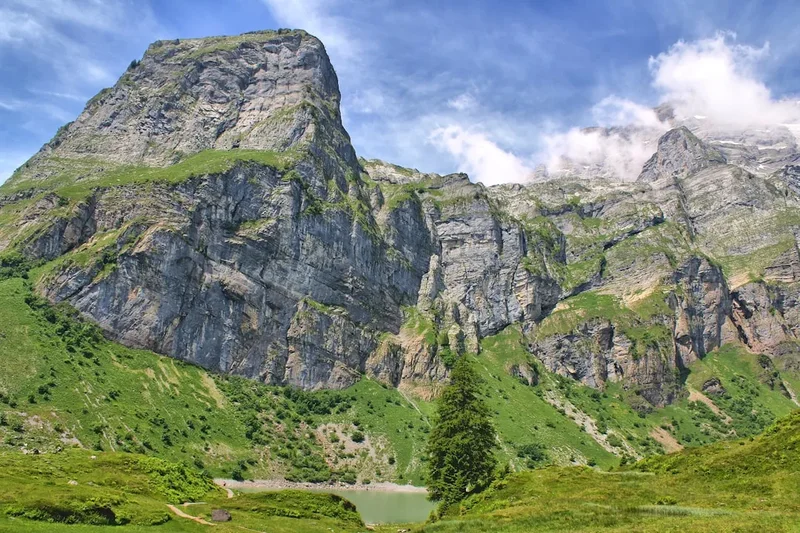
Bisse du Torrent Neuf - A Swiss Alpine Water Walk
The Bisse du Torrent Neuf, nestled in the Swiss Alps near Sion, offers a unique and accessible hiking experience that combines natural beauty with a fascinating historical irrigation system. This trail follows an ancient "bisse," a man-made channel designed to transport water from mountain streams down to the arid lower valleys. Unlike many high-alpine routes, the Bisse du Torrent Neuf is a relatively short and moderate walk, making it ideal for families, casual hikers, and those seeking a taste of the Swiss landscape without extreme exertion. The path winds through diverse terrain, from lush forests to rocky outcrops, offering stunning panoramic views of the Rhone Valley and the surrounding peaks. Its accessibility and the sheer ingenuity of the bisse system make it a memorable destination for any visitor to the Valais region.
- Distance: 6.0 km one-way
- Duration: 2-3 hours
- Season: June to October
- Difficulty: Moderate
- Elevation Gain: 150 m
- Highest Point: Approximately 1,700 m
- Base Town: Sion
- Access: Public transport and car
- Permits: Not required
Overview
The Bisse du Torrent Neuf is a testament to human ingenuity and the enduring relationship between communities and their water resources. This historic irrigation channel, carved into the mountainside, provides a relatively flat and scenic pathway through a dramatic alpine landscape. The walk begins in the charming village of Botyre, where the modern world gives way to the tranquility of the mountains. As you ascend along the bisse, the path offers a constant, gentle gradient, making it a comfortable walk even for those not accustomed to strenuous hiking. The bisse itself is a marvel, a narrow channel of flowing water that has sustained agriculture in the dry Rhone Valley for centuries. Along the route, you'll encounter a variety of flora and fauna, with the changing seasons painting the landscape in different hues. The views across the Rhone Valley are expansive, revealing vineyards, villages, and snow-capped peaks in the distance. The trail is well-maintained and marked, ensuring a safe and enjoyable experience.
The Bisse du Torrent Neuf is particularly renowned for its dramatic sections, including a suspension bridge and a section carved directly through a rock face, offering thrilling moments and unique perspectives. These features highlight the challenges faced by the original builders and the adventurous spirit required to construct and maintain such a vital infrastructure. The sound of the flowing water is a constant companion, a soothing soundtrack to the visual spectacle of the alpine scenery. The walk culminates at a point where the bisse is most impressive, often near a source or a significant distribution point, before a return journey that offers different light and perspectives on the landscape.
This trail is more than just a walk; it's an immersion into the history and culture of alpine water management. It provides a tangible connection to the past, allowing hikers to appreciate the vital role water has played in shaping life in this region. The moderate difficulty, combined with the captivating scenery and historical significance, makes the Bisse du Torrent Neuf a highly recommended excursion for anyone visiting the Valais.
History and Cultural Context
The history of the Bisse du Torrent Neuf is deeply intertwined with the agricultural development of the dry Rhone Valley. For centuries, the southern slopes of the Alps, while offering stunning mountain vistas, suffered from a lack of water, particularly during the hot summer months. To overcome this challenge, the ingenious system of "bisses" was developed. These were not merely ditches but sophisticated channels, often carved directly into steep rock faces or supported by wooden structures, designed to divert water from high-altitude glacial streams and snowmelt down to the thirsty fields and pastures below.
The Bisse du Torrent Neuf itself is believed to have been constructed in the 15th century, though its exact origins are somewhat shrouded in legend. The name "Torrent Neuf" (New Torrent) suggests it was a significant and perhaps relatively recent addition to the water management system at the time of its creation. The construction of such a bisse was an enormous undertaking, requiring immense labour, skill, and courage. Workers had to navigate treacherous terrain, often working at dizzying heights with rudimentary tools. The engineering involved in maintaining a consistent flow and preventing erosion or collapse over centuries is remarkable.
For generations, the bisse was the lifeblood of the communities it served, enabling the cultivation of crops, the grazing of livestock, and the general prosperity of the region. The maintenance of the bisse was a communal responsibility, with villagers taking turns to clear debris, repair breaches, and ensure the water flowed freely. This shared duty fostered a strong sense of community and a deep respect for the water that sustained them.
In the late 20th and early 21st centuries, as modern irrigation techniques and infrastructure became more prevalent, many of the traditional bisses fell into disuse or disrepair. However, the Bisse du Torrent Neuf was recognised for its historical and cultural significance and has been carefully restored and preserved. Today, it serves not only its original purpose of water distribution but also as a popular hiking trail, allowing visitors to experience firsthand the legacy of this ancient engineering feat and the breathtaking alpine scenery it traverses.
Seasonal Highlights and Weather Reality
The Bisse du Torrent Neuf is a trail best enjoyed during the warmer months when the alpine environment is most accessible and the weather is generally favourable. The optimal period for hiking this route is from June to October.
Spring (June): As the snow melts, the bisse begins to flow with renewed vigour. The landscape awakens, with wildflowers starting to bloom, adding splashes of colour to the meadows and hillsides. The air is crisp, and the temperatures are generally mild, making for pleasant hiking conditions. However, higher sections might still have lingering snow patches early in the month, and the weather can be unpredictable, with occasional rain showers.
Summer (July-August): This is peak season for the Bisse du Torrent Neuf. The weather is typically warm and sunny, ideal for enjoying the panoramic views of the Rhone Valley. The bisse is in full flow, and the surrounding vegetation is lush and green. This is also the busiest time for hikers, so expect to encounter other people on the trail. Sandflies are generally not a significant issue on this particular trail, unlike some other alpine regions.
Autumn (September-October): The autumn months offer a spectacular display of colours as the foliage changes. The larch trees turn a brilliant golden-yellow, creating a stunning contrast with the evergreen pines and the rugged grey rock. The air becomes cooler, and the crowds thin out, offering a more serene hiking experience. The weather can be more variable, with a higher chance of cooler temperatures and early snowfalls, especially in October. It's advisable to check the weather forecast before heading out.
Weather Considerations: While the Bisse du Torrent Neuf is a moderate hike, alpine weather can change rapidly. Even in summer, it's essential to be prepared for sudden rain showers, cooler temperatures at higher elevations, and strong winds. Always check the local weather forecast before your hike and pack appropriate layers, including waterproof and windproof clothing. The bisse path itself can become slippery when wet, so sturdy footwear with good grip is crucial.
Recommended Itinerary
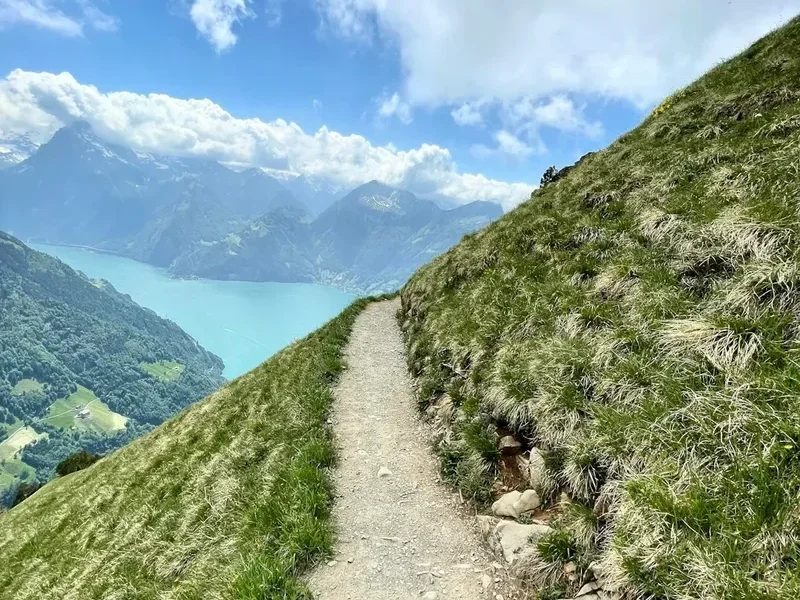
Bisse du Torrent Neuf - Day Walk Itinerary
Early Morning: Arrival in Botyre
- Travel to the village of Botyre, the starting point for the hike.
- Nearest major city: Sion. From Sion, take bus 421 towards Botyre.
- Allow ample time for travel and parking if driving.
- Brief stop to admire the traditional alpine village architecture.
Morning: Ascent along the Bisse
- Begin the hike from Botyre, following the signs for the Bisse du Torrent Neuf.
- The initial section involves a gentle ascent through meadows and light forest.
- You will soon reach the bisse itself, a narrow channel of flowing water.
- The path follows the bisse, generally remaining relatively flat with some minor undulations.
- Enjoy the first panoramic views of the Rhone Valley opening up below.
- Approximate distance covered: 2.5 km.
- Approximate time taken: 1–1.5 hours.
Midday: Dramatic Sections and Lunch Break
- The trail becomes more dramatic as it enters sections carved directly into the rock face.
- Experience the thrill of walking across the suspension bridge, offering unique perspectives of the bisse and the valley.
- Find a scenic spot along the bisse or at a designated viewpoint for a picnic lunch.
- Observe the flow of water and appreciate the engineering of the bisse.
- Approximate distance covered: 1.5 km.
- Approximate time taken: 1 hour (including lunch).
Afternoon: Reaching the High Point and Return Journey
- Continue along the bisse towards its highest accessible point or a significant landmark.
- The trail may involve some slightly steeper sections as it navigates the terrain.
- Enjoy the expansive views from this elevated position.
- Begin the return journey, retracing your steps along the bisse.
- The descent is generally easier and offers different lighting and perspectives on the landscape.
- Approximate distance covered: 2.0 km (return).
- Approximate time taken: 1–1.5 hours (return).
Late Afternoon: Return to Botyre
- Arrive back in Botyre, completing the loop.
- Option to visit a local café or restaurant for refreshments.
- Depart from Botyre.
Important Notes:
- This is a one-way description of the outward journey, with the return being the same path.
- The total distance is 6.0 km, and the total time is 2-3 hours, not including extended breaks.
- Wear sturdy hiking boots with good grip, as the path can be uneven and slippery when wet.
- Carry sufficient water, as water sources along the trail are limited to the bisse itself (treatment recommended if drinking).
- Sun protection (hat, sunscreen) is essential, especially during summer months.
- Be mindful of the bisse channel; do not step into it or disturb the water flow.
Planning and Bookings
Book Your Trip
Everything you need to plan your journey
Accommodation
Find places to stay near Sion
Flights
Search flights to Sion
Essential Preparation
The Bisse du Torrent Neuf is a relatively straightforward day hike, but proper preparation ensures a more enjoyable experience. The closest major city and transport hub is Sion. From Sion, public transport is readily available, making it accessible without a car. If driving, there is parking available in Botyre. It's advisable to check public transport schedules in advance, especially if travelling on weekends or public holidays. The trail is well-marked, but carrying a map or using a GPS device is always recommended for navigation. Given the alpine environment, checking the weather forecast immediately before your trip is crucial, as conditions can change rapidly. Pack accordingly for potential shifts in temperature and precipitation.
Trail Accommodation
This is a day hike requiring no overnight accommodation. The village of Botyre offers some local amenities, and the city of Sion provides a wide range of accommodation options should you wish to stay in the area before or after your hike.
Required Gear
- Hiking boots: Sturdy, waterproof boots with good ankle support and excellent grip are essential. The trail can be uneven and slippery, especially after rain.
- Daypack: A comfortable daypack (20-30 litres) to carry essentials.
- Waterproof jacket: A lightweight, breathable waterproof jacket is recommended, as alpine weather can change quickly.
- Warm layers: Even in summer, temperatures can drop at higher elevations. A fleece or insulating jacket is advisable.
- Sun protection: A wide-brimmed hat, sunglasses, and high-SPF sunscreen are crucial, as the sun's rays are intense at altitude, even on cloudy days.
- Navigation: A map of the area, a compass, or a GPS device/smartphone with offline maps. While the trail is marked, it's always wise to have backup navigation.
- First-aid kit: A basic first-aid kit including plasters, antiseptic wipes, pain relievers, and any personal medications.
What to Bring
- Water: Carry at least 1-1.5 litres of water per person. While the bisse is a water channel, drinking untreated water is not recommended.
- Food: Pack a picnic lunch, snacks, and energy bars. There are limited facilities along the trail itself.
- Toiletries: Hand sanitiser, tissues, and any personal hygiene items.
- Camera: To capture the stunning scenery and unique features of the bisse.
- Insect repellent: While not typically a major issue on this trail, it's always wise to have some on hand, especially during warmer months.
- Walking poles (optional): Can be helpful for stability on uneven terrain and for reducing strain on knees during descents.
Permits
No permits are required to hike the Bisse du Torrent Neuf. This trail is part of the public access network in the Swiss Alps and is free to explore. The bisse system is maintained by local authorities and community groups, and hikers are expected to respect the trail and its historical significance.
Other Activities in the Area
The region surrounding Sion and the Bisse du Torrent Neuf offers a wealth of activities for visitors:
- Explore Sion: Visit the historic city of Sion, dominated by its two impressive castles, Tourbillon and Valère. Wander through the charming old town, discover its museums, and enjoy the local cuisine.
- Wine Tasting: The Valais region is renowned for its vineyards. Many wineries offer tastings of local grape varietals like Fendant and Petite Arvine.
- Hiking in the Alps: Numerous other hiking trails exist in the surrounding mountains, ranging from gentle valley walks to challenging alpine ascents. The nearby Aletsch Glacier region, a UNESCO World Heritage site, offers spectacular glacier hiking opportunities.
- Cycling: The Rhone Valley is a popular cycling destination, with dedicated cycle paths offering scenic routes through vineyards and picturesque villages.
- Thermal Baths: Relax and rejuvenate at one of the region's thermal spas, such as the Leukerbad Therme, one of the largest alpine thermal spa complexes in Europe.
- Skiing and Snowboarding: During the winter months, the Valais region transforms into a premier destination for winter sports, with numerous world-class ski resorts like Verbier, Crans-Montana, and Zermatt (home to the Matterhorn).
Safety and Conditions
Trail Conditions: The Bisse du Torrent Neuf is generally well-maintained. However, sections carved into rock can be narrow and exposed. Always stay on the marked path and exercise caution. The path can be slippery when wet, especially after rain or dew. Ensure your footwear has good grip.
Weather: Alpine weather is notoriously unpredictable. Always check the local forecast before you set out. Be prepared for sudden changes in temperature, wind, and precipitation. Hypothermia is a risk even in summer if you get caught in cold, wet conditions without adequate clothing.
Water: While the bisse is a water channel, it is not recommended to drink the water directly without treatment. Carry sufficient drinking water for your hike. If you need to refill, use a water filter or purification tablets.
Navigation: The trail is generally well-marked, but it's always wise to have a map or GPS device. Familiarise yourself with the route before you start.
Exposure: Some sections of the bisse are carved into cliff faces and can be exposed. If you have a fear of heights, these sections might be challenging. Take your time and focus on your footing.
Emergency: In case of an emergency, contact the Swiss emergency number: 144 for medical assistance, 117 for police, or 112 for general emergency services. Ensure your mobile phone is fully charged.
Respect the Bisse: The bisse is a vital historical and functional water channel. Do not throw anything into it, step into it, or damage its structure. Stay on the designated path.
Side Trips and Points of Interest
The Suspension Bridge: One of the most iconic features of the Bisse du Torrent Neuf is the modern suspension bridge that spans a gorge, allowing the bisse to continue its path. Walking across this bridge offers a thrilling perspective and a unique photo opportunity, showcasing the blend of ancient engineering and modern solutions.
Rock-Carved Sections: The trail features several sections where the bisse has been ingeniously carved directly into the rock face. These passages highlight the immense effort and skill of the original builders and provide a sense of walking through the mountain itself. The cool, damp air within these carved sections offers a refreshing contrast to the open trail.
Panoramic Viewpoints: Throughout the hike, particularly as you gain elevation, numerous spots offer breathtaking panoramic views of the Rhone Valley. These viewpoints are ideal for resting, enjoying a picnic, and appreciating the vastness of the landscape, with its patchwork of vineyards, villages, and distant snow-capped peaks.
The Source of the Bisse (Optional Extension): For those with extra time and energy, it may be possible to follow the bisse further towards its source, though this often involves more challenging terrain and may not be as well-marked. The primary hiking route typically follows the most accessible and scenic parts of the bisse.
Botyre Village: The starting and ending point, Botyre, is a charming traditional Swiss alpine village. Taking a moment to explore its quaint streets and traditional architecture adds to the overall experience of the hike.
Leave No Trace
The Bisse du Torrent Neuf is a precious historical and natural resource. Practising Leave No Trace principles ensures its preservation for future generations and minimises our impact on the environment.
- Pack it in, Pack it out: Carry out all litter, including food scraps, wrappers, and any other waste you generate. Do not bury or burn trash.
- Stay on the Trail: Stick to the marked path to avoid damaging fragile vegetation and to prevent erosion. The bisse channel itself is not a path and should not be walked in.
- Respect Wildlife: Observe wildlife from a distance and do not feed any animals.
- Dispose of Waste Properly: Use designated toilet facilities where available. If not, dig a cathole at least 70 metres away from water sources, trails, and campsites. Pack out all toilet paper.
- Leave What You Find: Do not take rocks, plants, or any other natural objects. Leave historical artefacts and structures undisturbed.
- Minimise Campfire Impacts: Campfires are generally not permitted on this day hike. If you are on a longer trip and choose to have a fire, use established fire rings and ensure it is completely extinguished.
- Be Considerate of Other Visitors: Keep noise levels down and yield to other hikers, especially on narrow sections.
- Respect the Bisse: Do not throw anything into the water channel, step into it, or disturb its flow. It is a vital part of the landscape's heritage.
 Switzerland