
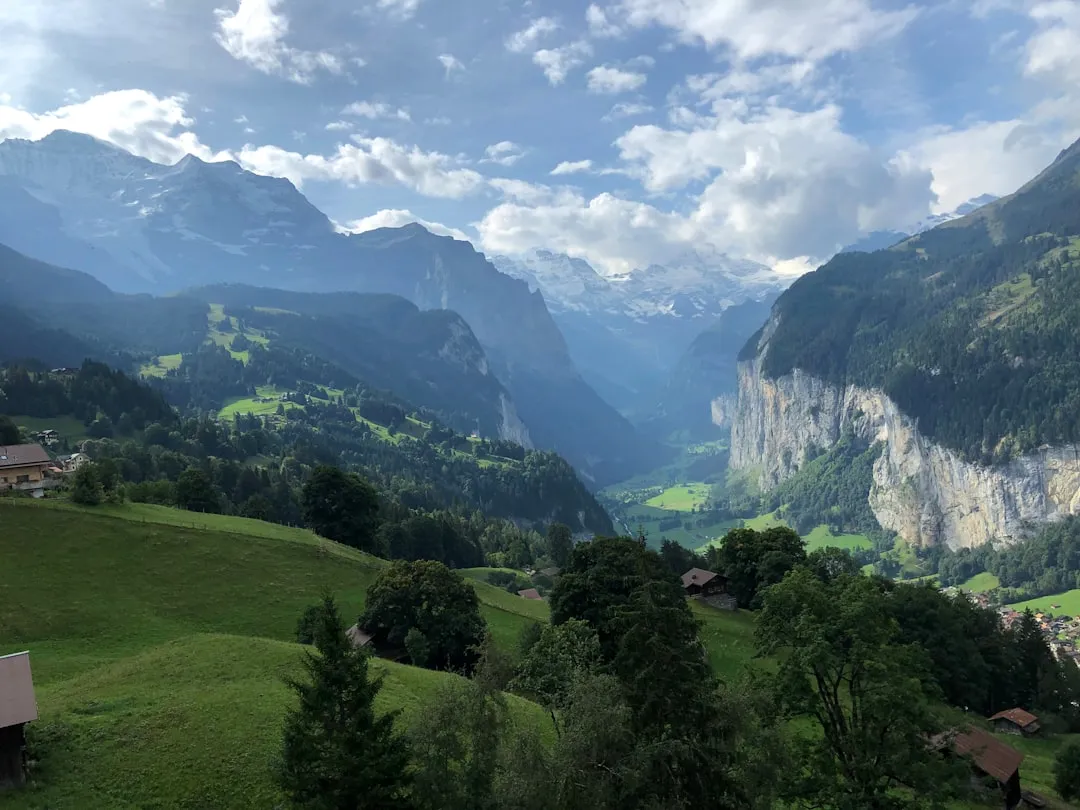
Bisse de Savièse: A Gentle Alpine Waterway Walk
The Bisse de Savièse is a charming and accessible day walk in the Swiss Alps, offering a delightful experience of the Valais region's unique irrigation channels, known as "bisses." This particular bisse winds its way through picturesque landscapes, providing stunning views of the surrounding mountains and valleys. Unlike the rugged, high-alpine treks, the Bisse de Savièse is a relatively gentle path, making it suitable for a wide range of walkers. It's a journey that celebrates the ingenuity of historical water management systems while immersing you in the natural beauty of Switzerland. The trail is well-maintained and offers a peaceful escape, perfect for a relaxed day out amidst alpine scenery.
- Distance: 11.0 km
- Elevation gain: 150 m
- Duration: 3-4 hours
- Difficulty: Moderate
- Best Time: May to October
- Closest City: Sion
- Trailhead Access: Nearest airport: Geneva (GVA). Take a train to Sion (approx. 2 hours). From Sion, take a bus or taxi to Savièse. Follow signs to Torrent-Neuf/Bisse de Savièse. Road conditions are generally good. Parking available near the trailhead. No permits required.
Overview
The Bisse de Savièse is a testament to the historical importance of water in the arid Valais region of Switzerland. These ancient irrigation channels, or "bisses," were ingeniously constructed to transport water from mountain streams down to the lower-lying agricultural lands. The Bisse de Savièse itself is a prime example, offering a relatively flat and easy walking experience for most of its length. The trail meanders through a varied landscape, from open meadows dotted with wildflowers to shaded sections of forest, all while following the gentle flow of the water.
The walk is renowned for its panoramic views. As you progress along the bisse, you'll be treated to sweeping vistas of the Rhône Valley, the imposing peaks of the surrounding Alps, and the charming villages nestled in the landscape. The path is generally wide and well-trodden, making it a comfortable walk even for those less experienced in mountain hiking. The moderate elevation gain means that while you are certainly in the mountains, the physical exertion is manageable, allowing ample opportunity to soak in the scenery and the tranquility of the environment.
One of the unique aspects of the Bisse de Savièse is the opportunity to learn about the history and engineering of these bisses. Interpretive signs along the route often explain the construction methods, the importance of water management, and the role these channels played in the development of the region's agriculture. This blend of natural beauty, historical insight, and accessible terrain makes the Bisse de Savièse a highly rewarding day walk.
History and Cultural Context
The history of the Bisse de Savièse is deeply intertwined with the agricultural heritage of the Valais region. For centuries, the southern slopes of the Alps in this area have been characterised by a dry climate, making irrigation a critical factor for successful farming. The development of the bisses, dating back to at least the 13th century, was a revolutionary feat of engineering and community cooperation.
The Bisse de Savièse, in particular, was constructed to channel water from the high mountain streams, often originating from glaciers or snowmelt, down to the fields and vineyards of the Savièse commune. The construction of these channels was a monumental undertaking, often involving manual labour, rudimentary tools, and a profound understanding of hydraulics and topography. They were built to follow the contours of the land, minimising the need for complex structures like aqueducts or tunnels, though some sections might have involved minor excavations or retaining walls.
The maintenance of the bisses was, and in some cases still is, a communal responsibility. Historically, villagers would take turns clearing debris, repairing breaches, and ensuring the equitable distribution of water. This shared stewardship fostered a strong sense of community and a deep respect for the water that sustained their livelihoods. The Bisse de Savièse represents not just an engineering marvel but also a living link to the past, showcasing the resourcefulness and resilience of the people who shaped this landscape.
Today, many of these historic bisses have been restored and are maintained for both practical irrigation purposes and as walking trails. The Bisse de Savièse is a prime example of this dual purpose, allowing modern visitors to experience the same routes that have been vital to the region for generations, offering a tangible connection to the agricultural and engineering history of the Valais.
Seasonal Highlights and Weather Reality
The Bisse de Savièse is a walk best enjoyed during the warmer months when the alpine environment is most accessible and pleasant. The period from May to October generally offers the most favourable conditions for this trail.
Spring (May to June): As the snow melts at higher elevations, the bisses begin to flow more strongly. The landscape awakens, with wildflowers starting to bloom in the meadows. The air is fresh, and the temperatures are typically mild, making for comfortable walking. However, there might still be patches of snow at higher points, and some sections could be muddy after recent rain.
Summer (July to August): This is peak season for the Bisse de Savièse. The weather is usually warm and sunny, ideal for enjoying the panoramic views. The bisses are at their fullest flow, and the surrounding vegetation is lush and green. This is also the time when the region is most popular with tourists, so expect more company on the trail. Sandflies are generally not a significant issue on this particular trail, unlike some of the more remote alpine routes.
Autumn (September to October): Autumn brings a spectacular display of colours to the landscape. The leaves on the trees turn shades of gold, red, and orange, creating a beautiful contrast with the evergreen pines. The air becomes crisp and clear, offering excellent visibility for mountain views. Temperatures begin to cool, but days can still be pleasant for walking. By late October, however, the first snowfalls can occur at higher altitudes, potentially making sections of the trail less accessible or more challenging.
Weather Reality: While the Valais region is known for its sunshine, mountain weather can change rapidly. Even during summer, it's advisable to be prepared for cooler temperatures, especially in shaded sections or if the wind picks up. Rain showers can occur, so carrying waterproof layers is always a good precaution. The moderate elevation gain means extreme alpine weather is less of a concern than on higher mountain hikes, but it's always wise to check the local forecast before setting out.
Recommended Itinerary
Bisse de Savièse Day Walk Itinerary
Early Morning: Arrival and Trailhead Access
- Travel to Savièse from Sion via bus or taxi.
- Follow signs towards Torrent-Neuf and the Bisse de Savièse trailhead.
- Parking is available near the start of the walk.
- Take time to prepare your gear, apply sunscreen, and have a final check of the weather forecast.
Morning: Beginning the Bisse Walk
- Start your walk by following the well-marked path alongside the Bisse de Savièse.
- The initial section may involve a gentle ascent through open meadows or light woodland.
- Enjoy the first views of the Rhône Valley and the surrounding mountain ranges.
- The bisse itself will be clearly visible, a ribbon of water guiding your way.
Midday: Scenic Views and Picnic Stop
- Continue along the bisse, with the path offering increasingly impressive vistas.
- Look out for interpretive signs detailing the history and engineering of the bisse.
- Find a scenic spot to stop for lunch or a snack. Many sections offer natural resting places with beautiful views, perfect for a picnic.
- The elevation gain is gradual, making this a comfortable section for most walkers.
Afternoon: Reaching the Turnaround Point and Return
- The Bisse de Savièse is typically walked as an out-and-back route, or a circular route can be formed by descending via different paths. For this description, we assume an out-and-back.
- Walk for approximately 1.5 to 2 hours along the bisse, reaching a point where you can comfortably turn around. This might be a specific landmark or simply a point where you feel you have experienced the essence of the walk.
- Begin your return journey, retracing your steps.
- The descent will feel easier, and you may notice different details in the landscape on your way back.
Late Afternoon: Completion of the Walk
- Arrive back at the trailhead in Savièse.
- Take time to relax and enjoy the accomplishment.
- Consider visiting a local café or restaurant in Savièse to refuel and reflect on your walk.
Important Notes:
- This is a day hike; no overnight accommodation is required.
- The trail is generally well-maintained, but sturdy walking shoes are recommended.
- Carry sufficient water and snacks, as facilities are limited along the route.
- Sun protection (hat, sunscreen) is essential, especially during summer months.
- Be aware of the weather and be prepared for changes.
Planning and Bookings
Book Your Trip
Everything you need to plan your journey
Accommodation
Find places to stay near Sion
Flights
Search flights to Sion
Essential Preparation
The Bisse de Savièse is a day walk, which simplifies planning considerably compared to multi-day treks. The primary logistical consideration is reaching the trailhead in Savièse. Geneva Airport (GVA) is the most convenient international gateway. From Geneva, take a train to Sion, which is a major hub in the Valais region. The train journey typically takes around 2 hours. Upon arrival in Sion, you can opt for a local bus service or a taxi to reach Savièse. The roads leading to Savièse are generally well-maintained and accessible.
Savièse itself is a charming commune with local amenities. It's advisable to check public transport schedules in advance, especially if you plan to travel on a weekend or public holiday. Parking is usually available near the designated starting points of the bisse walks, making it convenient for those travelling by car. While no specific booking is required for the walk itself, it's always a good idea to check local tourism websites for any advisories or temporary trail closures, though these are rare for this type of walk.
Trail Accommodation
This is a day hike requiring no overnight accommodation.
Required Gear
- Walking shoes or boots: Sturdy, comfortable footwear with good grip is essential. Trail runners or hiking boots are suitable.
- Waterproof jacket: Lightweight and breathable, to protect against unexpected rain showers.
- Layers of clothing: Even in summer, mountain weather can be unpredictable. Bring a fleece or insulating layer for cooler temperatures.
- Sun protection: A wide-brimmed hat, sunglasses, and high SPF sunscreen are crucial, as much of the trail is exposed.
- Backpack: A small daypack (15-25 litres) to carry essentials like water, snacks, and extra clothing.
- Navigation: While the trail is generally well-marked, a map of the area or a reliable GPS device/app is recommended for orientation and to explore alternative routes.
- First-aid kit: A basic kit with plasters, antiseptic wipes, pain relievers, and any personal medications.
What to Bring
- Water: Carry at least 1.5 to 2 litres of water per person. Refill points are scarce along the bisse itself.
- Food: Plenty of snacks and a packed lunch. There are limited or no facilities for purchasing food directly on the trail.
- Toiletries: Hand sanitiser, tissues, and any personal hygiene items.
- Camera: To capture the stunning scenery and unique bisse structures.
- Walking poles (optional): Can provide extra stability and reduce strain on knees, especially during descents.
- Insect repellent: While not typically a major issue on this specific bisse, it's always wise to have some on hand, especially during warmer months.
Permits
No permits are required to walk the Bisse de Savièse. This is a public access trail, and no special permissions or fees are necessary for individuals or small groups to enjoy the walk. The trail is maintained by local authorities or community groups, and access is generally free and open to all.
While no permits are needed, it is always good practice to be aware of local regulations and to practice responsible tourism. This includes staying on marked paths, respecting private property if the trail passes near agricultural land, and ensuring you leave no trace of your visit.
Other Activities in the Area
The Valais region surrounding Savièse offers a wealth of activities for visitors looking to extend their stay or explore beyond the Bisse de Savièse:
- Exploring Sion: The historic capital of the Valais, Sion, boasts impressive medieval castles (Tourbillon and Valère), a charming old town, and several museums. It's a perfect place to immerse yourself in Swiss history and culture.
- Wine Tasting: The Valais is Switzerland's largest wine-producing region, renowned for its Fendant and Petite Arvine white wines, as well as its robust reds. Many vineyards offer tastings and tours.
- Hiking in the Alps: Numerous other hiking trails exist in the vicinity, ranging from gentle valley walks to more challenging mountain ascents. The nearby Aletsch Glacier region, a UNESCO World Heritage site, offers spectacular high-alpine scenery.
- Mountain Biking: The region is a paradise for mountain bikers, with a network of trails catering to all skill levels.
- Skiing and Snowboarding: During the winter months, the Valais transforms into a premier destination for winter sports, with world-class resorts like Verbier, Crans-Montana, and Zermatt within driving distance.
- Thermal Baths: Relax and rejuvenate at one of the region's thermal spas, such as the Leukerbad Therme, offering stunning mountain views.
- Local Markets: Experience the vibrant local culture by visiting a regional market, where you can find fresh produce, artisanal crafts, and local delicacies.
Safety and Conditions
Trail Conditions: The Bisse de Savièse is generally a well-maintained and safe trail. The path is usually clear of significant obstacles, and the gradient is moderate. However, as with any outdoor activity, it's important to be aware of potential hazards.
Weather: Mountain weather can change rapidly. Always check the local forecast before you set out. Be prepared for sunshine, but also for potential rain, wind, or cooler temperatures, especially at higher points or if you encounter shaded sections. Hypothermia is a risk even in summer if you get wet and cold.
Footwear: Wearing appropriate footwear is crucial. Sturdy walking shoes or boots with good ankle support and grip will prevent slips and provide comfort over the 11 km distance.
Hydration and Nutrition: Carry sufficient water and snacks. There are very few, if any, facilities along the bisse itself. Dehydration can lead to fatigue and affect judgment.
Navigation: While the main path is usually clear, it's wise to have a map or GPS device, especially if you plan to explore any side paths or if visibility is poor. Inform someone of your hiking plans, including your intended route and estimated return time.
Sun Protection: The sun's rays can be intense at altitude, even on cloudy days. Use sunscreen, wear a hat, and sunglasses to protect yourself from sunburn and UV damage.
Emergency Contacts: In case of an emergency, know the local emergency number (144 in Switzerland). It's also advisable to have a fully charged mobile phone, although signal coverage can be intermittent in mountainous areas.
Respecting the Bisse: The bisses are functional irrigation systems. Avoid throwing anything into the water, disturbing the channels, or damaging the surrounding vegetation. Stick to the designated paths.
Side Trips and Points of Interest
Torrent-Neuf: While the Bisse de Savièse is the primary focus, the area around the trailhead often leads towards or is associated with Torrent-Neuf. This is a historic and beautifully restored bisse system that offers a more extensive network of walking paths and often features more elaborate historical interpretations and reconstructed elements. Exploring Torrent-Neuf can add significant depth to your visit, offering a more comprehensive understanding of bisse construction and usage.
Panoramic Viewpoints: Throughout the walk, numerous natural viewpoints offer stunning vistas. Keep an eye out for clearings or elevated spots that provide expansive views of the Rhône Valley, the surrounding vineyards, and the snow-capped peaks of the Alps. These are ideal locations for photography and for taking a moment to appreciate the scale of the landscape.
Local Flora and Fauna: Depending on the season, you may encounter a variety of alpine flora and fauna. Wildflowers are particularly abundant in late spring and early summer. Keep an eye out for birds of prey soaring overhead or smaller wildlife in the meadows and forests.
Savièse Village: Before or after your walk, take some time to explore the village of Savièse itself. It's a traditional Swiss village with charming architecture, local shops, and perhaps a small museum or information centre that can provide further context about the region's history and the importance of the bisses.
Leave No Trace
The Bisse de Savièse, like all natural environments, benefits from responsible visitor behaviour. Adhering to Leave No Trace principles ensures that this beautiful area remains pristine for future generations and minimises any impact on the local ecosystem and community.
Plan Ahead and Prepare: Familiarise yourself with the trail, weather conditions, and any local regulations before you go. Pack appropriately for the conditions.
Travel and Camp on Durable Surfaces: Stick to the marked trails. Avoid walking on fragile vegetation or creating new paths, which can lead to erosion and habitat damage.
Dispose of Waste Properly: Pack out everything you pack in. This includes all food scraps, wrappers, and any other litter. Use designated bins where available, but be prepared to carry your waste until you find one.
Leave What You Find: Do not take any natural objects, such as rocks, plants, or flowers, from the environment. Leave them for others to enjoy and for the ecosystem to thrive.
Minimise Campfire Impacts: This is a day walk, so campfires are not applicable. However, if you were to picnic, ensure any cooking is done responsibly and that all traces are removed.
Respect Wildlife: Observe wildlife from a distance. Do not feed animals, as this can disrupt their natural behaviours and diets. Keep pets under control if you bring them along.
Be Considerate of Other Visitors: Keep noise levels down, especially in quieter sections of the trail. Yield to other walkers, and be mindful of the shared use of the path.
By following these principles, you contribute to the preservation of the Bisse de Savièse and the surrounding natural beauty, ensuring a positive experience for yourself and for everyone who visits.
Useful Links
- Switzerland Tourism - Valais Hiking
- Savièse Tourism - Bisses (Note: Official commune website, may require translation)
- SBB (Swiss Federal Railways) - For train and bus schedules
- MeteoSwiss - For weather forecasts
 Switzerland