
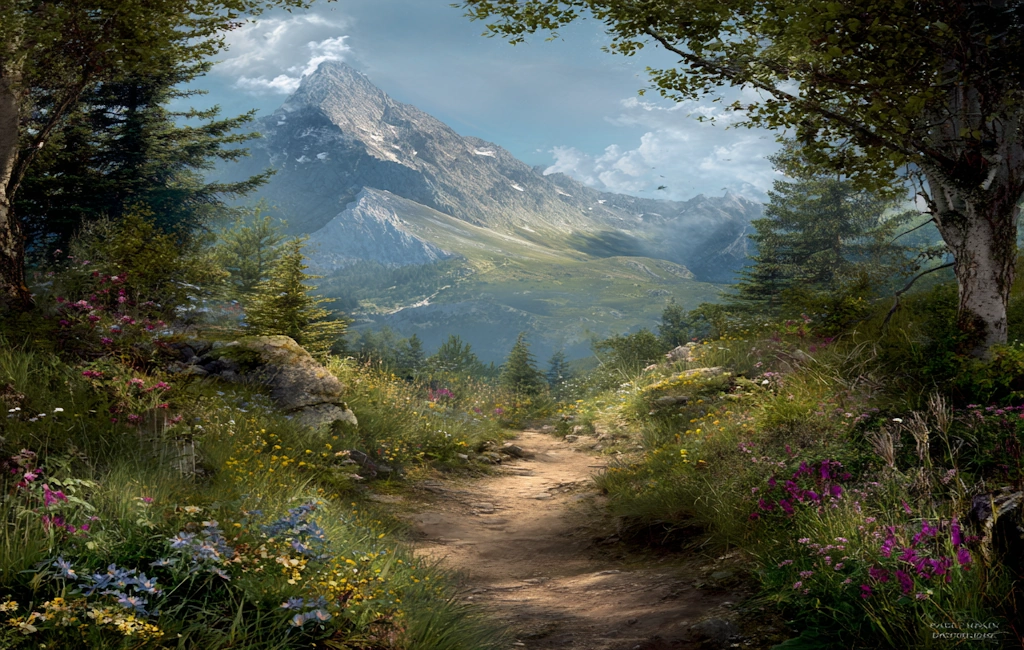
Big Sur River Trail - A Coastal Gem
The Big Sur River Trail is a captivating day walk nestled within the iconic Big Sur region of California, USA. This trail offers a delightful immersion into the diverse ecosystems that define this dramatic coastline, from coastal scrub and oak woodlands to the riparian environment along the Big Sur River. It's a relatively accessible route that provides a rewarding experience for hikers seeking natural beauty without an overnight commitment. The trail's moderate difficulty and manageable distance make it an excellent choice for families, casual hikers, and those looking for a scenic escape within Pfeiffer Big Sur State Park.
- Distance: 16.1 km one-way
- Duration: 5-7 hours
- Season: Spring and Fall (ideal weather conditions)
- Huts: N/A (Day hike)
- Highest point: Approximately 305 m elevation gain
- Difficulty: Moderate
- Closest City: Monterey
Overview
The Big Sur River Trail is a journey through a landscape that embodies the wild spirit of the California coast. Starting from the vicinity of Pfeiffer Big Sur State Park, the trail gradually ascends, offering a changing tapestry of flora and fauna. Initially, you'll traverse through chaparral and coastal sage scrub, characteristic of the drier slopes, where hardy plants like manzanita and various wildflowers thrive, especially in spring. As the trail progresses, it dips into the cooler, more shaded canyons carved by the Big Sur River and its tributaries. Here, the environment transforms into a lush riparian zone, dominated by majestic California sycamores, coast live oaks, and dense undergrowth of ferns and poison oak. The sound of the river becomes a constant companion, its gentle murmur or more vigorous rush depending on the season and recent rainfall.
The moderate elevation gain of 305 metres is spread across the 16.1 km distance, meaning the climb is generally gradual, with some steeper sections interspersed. This allows for a comfortable pace, enabling hikers to truly appreciate the surroundings. The trail is well-defined for the most part, though some sections may be less maintained than a national park's flagship trail, adding to its rustic charm. Wildlife sightings are common, including various bird species, lizards, and if you're lucky, deer or even a bobcat. The air is often filled with the scent of pine, eucalyptus, and the salty tang of the nearby Pacific Ocean, a unique olfactory blend that defines the Big Sur experience.
This trail is a fantastic introduction to the diverse natural beauty of Big Sur, offering a more intimate experience than some of the more crowded coastal viewpoints. It’s a place where you can disconnect from the hustle and bustle and reconnect with the natural world, experiencing the serene beauty of a California river valley.
History and Cultural Context
The Big Sur region has a rich history, shaped by indigenous peoples, Spanish missionaries, Mexican ranchers, and American settlers. For thousands of years, the Esselen people inhabited this rugged coastline, their lives intrinsically linked to the land and sea. They utilized the abundant resources of the Big Sur River and the surrounding forests for sustenance and shelter. Evidence of their presence can still be found in the form of archaeological sites, though many are fragile and protected.
Following the Spanish colonization, the area became part of large Mexican land grants. Ranching was a primary activity, with cattle grazing on the rolling hills. The construction of Highway 1 in the early to mid-20th century was a monumental engineering feat that opened up Big Sur to the wider world, transforming it from a remote outpost into a destination for artists, writers, and nature enthusiasts. The establishment of Pfeiffer Big Sur State Park in the 1930s helped to preserve a significant portion of this unique landscape for public enjoyment and conservation.
The Big Sur River itself has been a vital resource for millennia, providing water for flora and fauna, and shaping the very canyons and valleys that hikers now explore. The trail follows in the footsteps of those who have lived, worked, and travelled through this area for centuries, offering a tangible connection to its past. The preservation of this trail and the surrounding parkland is a testament to the ongoing efforts to protect the natural and cultural heritage of Big Sur.
Seasonal Highlights and Weather Reality
The Big Sur River Trail is best enjoyed during the spring and fall months when the weather is most favourable. These seasons offer a pleasant balance of sunshine and cooler temperatures, ideal for hiking.
Spring (March to May): This is arguably the most spectacular time to visit. The hillsides are a vibrant green, wildflowers carpet the landscape in a riot of colour, and the Big Sur River is typically flowing strongly from winter rains. Temperatures are mild, usually ranging from 10°C to 20°C. The air is fresh, and the light is often soft and beautiful, perfect for photography. However, spring can also bring occasional rain showers, so waterproof gear is advisable.
Summer (June to August): Summers in Big Sur can be warm, with temperatures often reaching the mid-20s Celsius, sometimes higher inland. Coastal fog is common in the mornings, which can burn off by midday, leading to sunny afternoons. While pleasant for hiking, the river flow may be reduced, and the vegetation can become drier. Sandflies can also be present, especially near the river, though generally less of an issue than in more humid climates.
Fall (September to November): Autumn offers a continuation of pleasant hiking conditions. The crowds of summer tend to thin out, and the weather remains generally stable and mild, with temperatures similar to spring. The light takes on a golden hue, and the landscape can be very picturesque. This is an excellent time for hiking, with a lower chance of rain compared to spring.
Winter (December to February): Winter is the wet season in Big Sur. Rainfall can be significant, leading to swollen rivers and potentially muddy or slippery trails. While the landscape is lush and green, hiking can be challenging due to wet conditions and cooler temperatures, typically ranging from 8°C to 15°C. Some sections of the trail might be temporarily closed due to erosion or flooding. However, for those prepared for the elements, winter can offer a dramatic and serene experience with fewer visitors.
Weather Considerations: Regardless of the season, coastal weather can be unpredictable. Fog can roll in quickly, and temperatures can fluctuate. It's always wise to check the local weather forecast before your hike and be prepared for a range of conditions.
Recommended Itinerary
Big Sur River Trail - Day Hike Itinerary
Early Morning (Approx. 8:00 AM - 9:00 AM): Arrival and Preparation
- Arrive at Pfeiffer Big Sur State Park.
- Pay park entrance fee (if applicable).
- Locate trailhead parking.
- Final gear check: ensure water bottles are full, snacks are accessible, and layers are adjusted.
- Consult park maps for the most up-to-date trail information.
Morning (Approx. 9:00 AM - 12:00 PM): Ascent into Woodland and River Valley
- Begin the hike from the designated trailhead.
- Initial section may pass through coastal scrub and oak woodlands.
- The trail gradually begins to follow the Big Sur River, entering a riparian zone.
- Observe changes in vegetation as you gain elevation and move deeper into the canyon.
- Listen to the sounds of the river and the diverse birdlife.
- Key Waypoints: Junctions with smaller feeder streams, notable large oak trees.
Midday (Approx. 12:00 PM - 1:30 PM): Lunch and Reflection
- Find a suitable spot for a picnic lunch, ideally near the river or a scenic overlook.
- Take time to rest, rehydrate, and enjoy the natural surroundings.
- Observe the interplay of light and shadow through the tree canopy.
- Consider the geological forces that have shaped this valley over millennia.
Afternoon (Approx. 1:30 PM - 4:00 PM): Continued Exploration and Descent
- Continue along the trail, potentially reaching higher elevations or more remote sections of the river valley.
- Note any significant geological features or unique plant life.
- Begin the gradual descent back towards the trailhead.
- The return journey often offers different perspectives on the landscape.
- Key Waypoints: Any distinctive rock formations, areas with dense fern growth.
Late Afternoon (Approx. 4:00 PM - 5:00 PM): Return to Trailhead
- Complete the hike, returning to the starting point.
- Take time to stretch and reflect on the day's journey.
- Ensure all litter is packed out.
- Consider visiting a nearby viewpoint or beach for sunset if time permits.
Important Notes:
- This is a day hike; no overnight accommodation is required.
- Trail conditions can vary; check with park rangers for the latest updates.
- Carry sufficient water, as water sources may be unreliable or require treatment.
- Be aware of poison oak and take precautions.
- Cell phone reception can be spotty; download offline maps.
Planning and Bookings
Book Your Trip
Everything you need to plan your journey
Accommodation
Find places to stay near Monterey
Flights
Search flights to Monterey
Essential Preparation
The Big Sur River Trail is located within Pfeiffer Big Sur State Park, a popular destination. Advance planning is recommended, especially during peak seasons (spring and fall weekends). The nearest major airport is Monterey Regional Airport (MRY), approximately a 45-minute drive north. From Monterey, take CA-1 South. The drive itself is scenic, hugging the coastline. Car rental is highly recommended, as public transportation options to the park are very limited. Parking is available within the park, and a fee is typically required. It's advisable to check the California State Parks website for current entrance fees, operating hours, and any specific park alerts or closures before your visit. Arriving early in the morning is best to secure parking and enjoy the trail with fewer crowds.
Trail Accommodation
This is a day hike requiring no overnight accommodation.
Required Gear
- Sturdy hiking boots or trail shoes with good grip – essential for varied terrain.
- Comfortable hiking socks – moisture-wicking materials are best.
- Layered clothing – a base layer, insulating mid-layer (fleece or down jacket), and a waterproof/windproof outer shell are recommended, as coastal weather can change rapidly.
- Sun protection – wide-brimmed hat, sunglasses, and high SPF sunscreen.
- Navigation tools – a physical map of Pfeiffer Big Sur State Park and a compass, or a reliable GPS device/smartphone with offline maps downloaded. Cell service is unreliable.
- First-aid kit – including blister treatment, antiseptic wipes, bandages, pain relievers, and any personal medications.
- Insect repellent – particularly useful for areas near the river, especially during warmer months.
- Trekking poles (optional) – can provide stability on ascents and descents, and reduce strain on knees.
What to Bring
- Sufficient water – at least 2-3 litres per person for a 5-7 hour hike. Water sources along the trail are not guaranteed to be potable and may require treatment.
- Food and snacks – high-energy snacks like trail mix, energy bars, fruit, and sandwiches for lunch.
- Toiletries – hand sanitiser, biodegradable wet wipes.
- Camera – to capture the stunning scenery.
- Binoculars (optional) – for wildlife viewing.
- A small backpack or daypack to carry all your essentials.
- A plastic bag for packing out all rubbish.
Permits
The Big Sur River Trail is located within Pfeiffer Big Sur State Park, which is managed by California State Parks. A park entrance fee is typically required per vehicle. This fee grants access to the park and its trails for the day. There are no specific permits required for day hiking on the Big Sur River Trail itself, beyond the standard park entry. However, it is always advisable to check the official Pfeiffer Big Sur State Park website or contact the park directly for the most up-to-date information on entrance fees, operating hours, and any potential special regulations or advisories that may be in effect. For any activities beyond day hiking, such as camping or group events, separate permits and reservations would be necessary.
Other Activities in the Area
The Big Sur region offers a wealth of activities beyond the Big Sur River Trail:
- Pfeiffer Beach: Famous for its purple sand and Keyhole Arch rock formation. A short drive from the park, it's a must-visit for photographers.
- Julia Pfeiffer Burns State Park: Home to the iconic McWay Falls, a stunning waterfall that cascades directly onto the beach.
- Point Sur State Historic Park and Lighthouse: Offers guided tours of the historic lighthouse perched dramatically on a volcanic rock.
- Bixby Creek Bridge: An iconic landmark and one of the most photographed bridges in California.
- Coastal Drives: Simply driving along Highway 1 offers breathtaking ocean vistas, pull-offs for scenic overlooks, and access to numerous small beaches and coves.
- Whale Watching: Depending on the season, you might spot migrating whales from various coastal viewpoints.
- Hiking in adjacent parks: Explore other trails in nearby state parks like Andrew Molera State Park or Garrapata State Park for different coastal and canyon experiences.
- Art Galleries and Shops: Big Sur has a vibrant arts community with numerous galleries and craft shops to explore.
Safety and Conditions
Trail Conditions: The Big Sur River Trail is generally well-maintained, but conditions can vary. Sections may be rocky, uneven, or have exposed roots. After rain, some areas can become muddy and slippery. Always wear appropriate footwear. Be aware of poison oak, which is prevalent in the area; learn to identify it and avoid contact.
Weather: Coastal weather is notoriously changeable. Fog can roll in quickly, reducing visibility and dropping temperatures. Be prepared for sun, wind, and potential rain, even on the same day. Check the forecast before you go and carry layers.
Water: Carry ample water, as reliable potable water sources are not available on the trail. The Big Sur River is a water source, but it should be treated before consumption.
Wildlife: While generally not aggressive, be aware of local wildlife. Deer are common, and you might encounter snakes or lizards. Keep a safe distance and never feed wild animals.
Navigation: Cell phone reception is unreliable in Big Sur. Download offline maps of the area and carry a physical map and compass. Inform someone of your hiking plans, including your expected return time.
Emergency: In case of an emergency, call 911. Be aware that response times can be longer in remote areas. Consider carrying a personal locator beacon (PLB) or satellite messenger for areas with no cell service.
Park Rules: Adhere to all park regulations, including staying on marked trails, packing out all trash, and respecting wildlife. Dogs are generally not permitted on most trails within Pfeiffer Big Sur State Park, so check specific park rules.
Side Trips and Points of Interest
Big Sur River Access Points: Throughout the hike, there are numerous opportunities to access the Big Sur River. These spots offer tranquil settings for a break, a chance to dip your feet in the cool water, or simply to enjoy the sounds and sights of the flowing river. Some areas may have small, informal picnic spots.
Oak Woodlands and Sycamore Groves: The trail passes through magnificent stands of California live oaks and large sycamores, particularly in the riparian zones. These ancient trees provide shade and a sense of timelessness. Look for the distinctive bark patterns and the way they adapt to the riverine environment.
Wildflower Displays (Spring): If hiking in spring, keep an eye out for the vibrant wildflower displays that can carpet the hillsides and trail edges. Species like California poppies, lupine, and various native daisies can create stunning visual spectacles.
Birdwatching Opportunities: The diverse habitats along the trail—from coastal scrub to dense riparian forest—support a rich variety of birdlife. Birdwatchers may spot species such as Steller's jays, acorn woodpeckers, various warblers, and possibly raptors soaring overhead.
Geological Formations: As you ascend, observe the rock formations and the way the river has carved its path through the landscape over millennia. The underlying geology of Big Sur is complex and contributes to the dramatic topography of the region.
Leave No Trace
The Big Sur River Trail, like all natural areas, benefits greatly from visitors practicing Leave No Trace principles. These seven principles are designed to minimise our impact on the environment, ensuring that these beautiful places remain pristine for future generations.
Your responsibility as a hiker:
- Plan Ahead and Prepare: Know the regulations, check weather forecasts, and download offline maps.
- Travel and Camp on Durable Surfaces: Stick to the marked trail to avoid damaging fragile vegetation and soil. Avoid creating new paths.
- Dispose of Waste Properly: Pack out everything you pack in, including all food scraps, wrappers, and even fruit peels. Use designated restrooms or dig catholes at least 60 metres from water sources and trails if necessary (though this is a day hike, so pack it out).
- Leave What You Find: Do not take rocks, plants, or any natural objects. Leave them for others to enjoy.
- Minimise Campfire Impacts: Campfires are generally prohibited in Pfeiffer Big Sur State Park, especially on trails. If permitted in designated areas (not applicable for this day hike), use existing fire rings and ensure fires are completely extinguished.
- Respect Wildlife: Observe wildlife from a distance. Never feed animals, as it can harm their health and alter their natural behaviours.
- Be Considerate of Other Visitors: Keep noise levels down, yield to other hikers, and maintain a respectful attitude towards fellow visitors and the natural environment.
By adhering to these principles, you help preserve the natural beauty and ecological integrity of the Big Sur River Trail and the surrounding landscape.
 USA
USA