
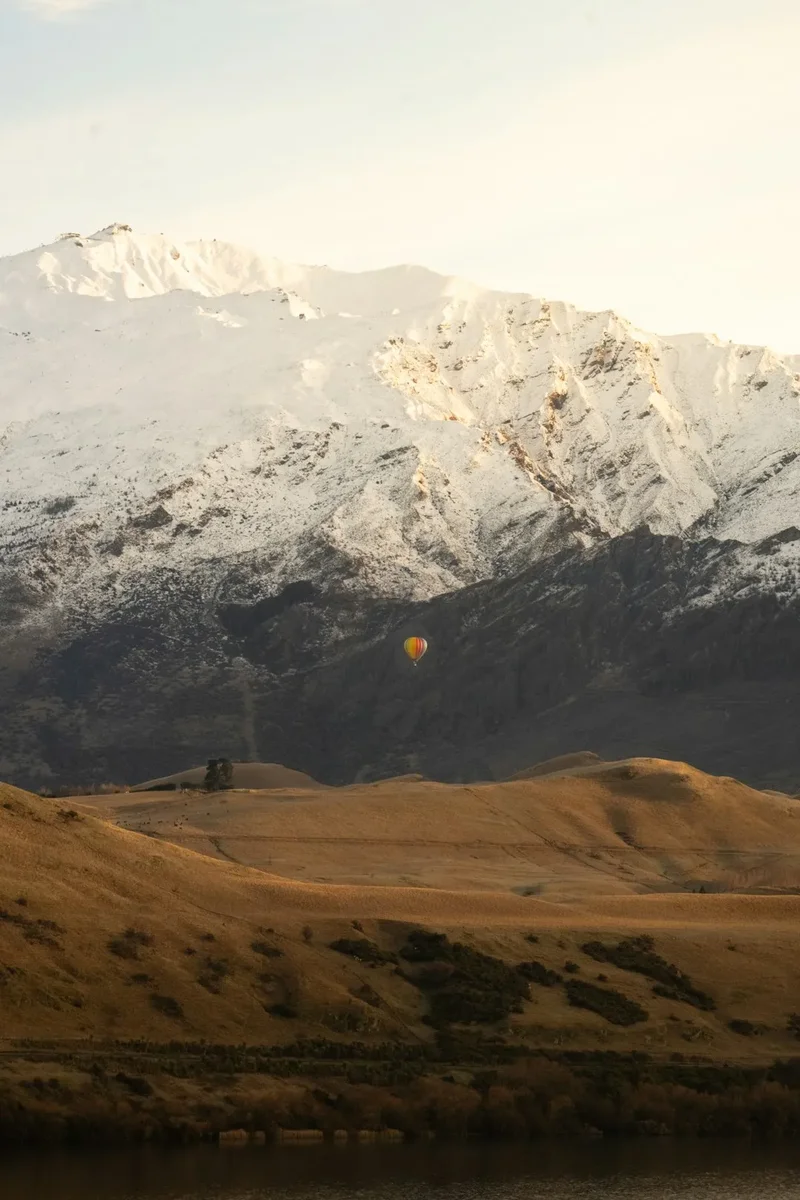
Big Hill Track - Dunedin's Coastal Gem
The Big Hill Track is a rewarding day walk offering spectacular panoramic views of the Pacific Ocean, the Otago Peninsula, and the city of Dunedin. This well-maintained trail provides a moderate challenge with a significant elevation gain, making it a popular choice for locals and visitors seeking a taste of New Zealand's coastal and forest landscapes. The track winds through native bush before emerging onto exposed ridgelines, showcasing the diverse natural beauty of the region. It's an accessible escape from the urban environment, offering a sense of wilderness without requiring extensive travel or overnight stays.
- Distance: 10.5 km one-way
- Elevation gain: 450 m
- Duration: 3-4 hours
- Difficulty: Moderate
- Best Time: Year-round, but best during spring and autumn for pleasant temperatures and fewer sandflies.
- Closest City: Dunedin
- Trailhead Access: From Dunedin, drive north on SH1 for ~15km. Turn right onto Waitati Valley Rd. Follow for ~5km. Trailhead parking is at the end of the road. Road is sealed. Parking available. No permit required.
- GPS Coordinates: -45.8789, 170.5028
Overview
The Big Hill Track is a classic Dunedin day walk that perfectly encapsulates the region's diverse topography. Starting from the Waitati Valley, the trail immediately begins a steady ascent through regenerating native bush. This initial section is shaded and sheltered, offering a gentle introduction to the climb. As you gain altitude, the forest canopy gradually thins, and the first glimpses of the expansive coastal views begin to appear. The track is well-formed, with a mix of packed earth and gravel, making it navigable for most fitness levels, though the consistent incline demands a reasonable level of cardiovascular fitness.
The highlight of the Big Hill Track is undoubtedly the summit ridge. Upon reaching the higher elevations, the landscape opens up dramatically. You'll find yourself walking along exposed ridgelines with sweeping vistas stretching out in every direction. To the east, the vast expanse of the Pacific Ocean meets the rugged coastline of the Otago Peninsula, with waves crashing against the shore far below. To the west, the city of Dunedin sprawls across the landscape, nestled between rolling hills and the harbour. The summit itself offers a prime vantage point for appreciating this expansive panorama. The return journey follows a similar path, allowing for a different perspective on the scenery as you descend back into the valley.
The track is popular with local walkers, runners, and families, especially on weekends. While it can be busy, the length and moderate difficulty mean that crowds tend to disperse, allowing for moments of solitude, particularly during weekdays or outside peak hours. The accessibility from Dunedin makes it an ideal option for a half-day or full-day excursion, combining physical activity with breathtaking natural beauty.
History and Cultural Context
The land surrounding Big Hill has a rich history, deeply intertwined with the Māori people and early European settlement of the Otago region. For centuries, Māori, particularly the Kāti Māmoe and later Ngāi Tahu iwi, utilized the coastal and inland areas for hunting, gathering, and travel. The prominent hills and valleys provided vantage points and resources, with the abundant marine life along the coast being a significant food source.
European settlement in the Dunedin area began in earnest in the mid-19th century. The fertile valleys and the natural harbour of Ōtepoti (Dunedin) attracted settlers, leading to the development of agriculture and urban centres. The land around Big Hill, while perhaps not as intensively farmed as some of the flatter plains, would have been part of the broader landscape shaped by early land use, including forestry and pastoralism. The development of tracks like the Big Hill Track often originated from older Māori trails or routes established by early surveyors and farmers to access different areas for resource management or exploration.
The establishment of the track as a recreational walking route reflects a modern appreciation for the natural environment and the desire to preserve and provide access to these scenic areas. The regeneration of native bush along the track signifies a shift towards conservation and the restoration of indigenous ecosystems, a process that has been ongoing in many parts of New Zealand over the past few decades. The track serves as a testament to the enduring natural beauty of the region and its importance for both cultural heritage and contemporary recreation.
Seasonal Highlights and Weather Reality
The Big Hill Track is a year-round destination, offering different experiences depending on the season. However, certain times of the year are generally more favourable for walking.
Spring (September–November): This is an excellent time to visit. The native bush comes alive with new growth, and the forest floor may be dotted with early wildflowers. Temperatures are generally mild, and the risk of sandflies is lower than in summer. The coastal views are crisp and clear, offering a refreshing start to the walking season.
Summer (December–February): Summer offers the warmest temperatures and longest daylight hours, ideal for extended walks. However, this is also peak season for sandflies, particularly in the sheltered bush sections. While the coastal views are often spectacular, the higher elevations can experience strong winds. It's essential to be prepared for heat and sun exposure, as well as insect bites.
Autumn (March–May): Autumn is arguably the best season for the Big Hill Track. The weather is typically stable and pleasant, with cooler temperatures and significantly fewer sandflies. The surrounding hills may begin to show subtle autumn colours, and the coastal air is often clear, providing excellent visibility for the panoramic views. This season offers a comfortable and visually rewarding experience.
Winter (June–August): Winter can bring cooler temperatures, frost, and occasional snow at higher elevations, though significant snow accumulation is rare. The track can be muddy and slippery after rain. However, winter also offers a unique tranquility, with fewer visitors and dramatic, moody skies over the ocean. If visiting in winter, ensure you have warm, waterproof clothing and sturdy footwear.
Weather Considerations: Regardless of the season, Fiordland weather can be unpredictable. The exposed ridgelines are susceptible to strong winds, and rain can occur at any time. It is crucial to check the local weather forecast before heading out and to be prepared for changing conditions with appropriate layers and waterproof gear.
Recommended Itinerary
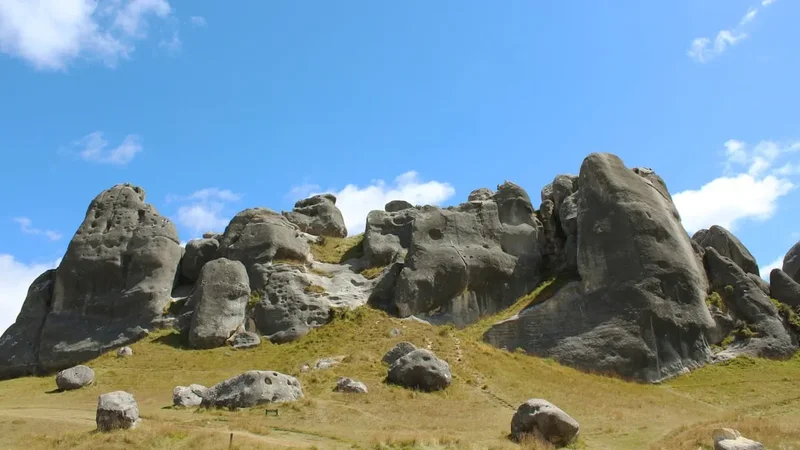
Big Hill Track - Day Walk Itinerary
Early Morning (Approx. 8:00 AM - 9:00 AM): Arrival and Start
- Drive from Dunedin to the Big Hill Track trailhead on Waitati Valley Road.
- Park at the designated trailhead parking area.
- Prepare your gear, apply sunscreen and insect repellent.
- Begin the walk from the trailhead, entering the native bush.
Morning (Approx. 9:00 AM - 11:00 AM): Ascent Through Forest
- Follow the well-marked track as it begins a steady climb.
- The initial section winds through regenerating native forest, featuring ferns, mosses, and various native trees.
- Enjoy the sheltered environment and the sounds of native birds.
- The gradient is consistent, providing a good cardiovascular workout.
Midday (Approx. 11:00 AM - 12:30 PM): Reaching the Ridges and Summit Views
- As you gain altitude, the forest begins to thin, and you'll start to encounter more open, exposed sections.
- The track emerges onto the ridgeline, offering the first expansive views of the Pacific Ocean and the surrounding landscape.
- Continue climbing towards the summit.
- Reach the summit of Big Hill (approx. 450 m elevation gain).
- Spend time at the summit, taking in the 360-degree panoramic views of Dunedin, the Otago Peninsula, and the coastline.
- Enjoy a packed lunch and rest.
Afternoon (Approx. 12:30 PM - 2:30 PM): Descent and Return
- Begin the descent back towards the trailhead.
- The descent offers a different perspective on the scenery you encountered on the way up.
- Navigate the forest sections and open ridgelines.
- Arrive back at the trailhead parking area.
- Allow time for stretching and rehydrating.
Important Notes:
- This is a day walk; no overnight accommodation is required.
- The track is well-marked, but carrying a map or using a navigation app is recommended.
- Weather can change rapidly; always be prepared for rain and wind.
- Sandflies can be present, especially in sheltered, damp areas and during warmer months.
- Carry sufficient water and snacks for the duration of the walk.
Planning and Bookings
Book Your Trip
Everything you need to plan your journey
Accommodation
Find places to stay near Dunedin
Flights
Search flights to Dunedin
Essential Preparation
The Big Hill Track is a popular day walk easily accessible from Dunedin. Preparation is straightforward, focusing on ensuring you have the right gear and are aware of the conditions. The trailhead is located at the end of Waitati Valley Road, which is a sealed road, making access straightforward. Ample parking is available at the trailhead, eliminating the need for complex booking arrangements or shuttle services. The closest major city is Dunedin, which offers a full range of services, including accommodation, gear shops, and supermarkets, should you need to stock up before or after your walk. It's advisable to check the weather forecast for Dunedin and the specific area around Big Hill before you depart, as conditions can vary.
Trail Accommodation
This is a day hike requiring no overnight accommodation.
Required Gear
- Sturdy walking shoes or hiking boots with good grip – essential for the varied terrain and elevation gain.
- Waterproof and windproof jacket – Fiordland weather can change quickly, and the exposed ridgelines can be windy.
- Warm layers – a fleece or woollen jumper is recommended, even in warmer months, as temperatures can drop at higher elevations.
- Sun protection – hat, sunglasses, and sunscreen are important, especially on the exposed ridgelines.
- Insect repellent – particularly for sandflies, which can be prevalent in the bush sections, especially during warmer months.
- Small backpack – to carry water, snacks, and extra clothing.
- Navigation tools – while the track is well-marked, a map, compass, or GPS device/app is always a good precaution.
- First-aid kit – for minor injuries.
What to Bring
- Water – carry at least 1-2 litres per person, as there are no water sources along the track.
- Food/Snacks – energy bars, fruit, sandwiches, or other trail mix to keep you fuelled.
- Camera – to capture the stunning panoramic views.
- Mobile phone – for emergencies (note that reception may be intermittent).
- Trekking poles (optional) – can be helpful for the steep ascents and descents.
Permits
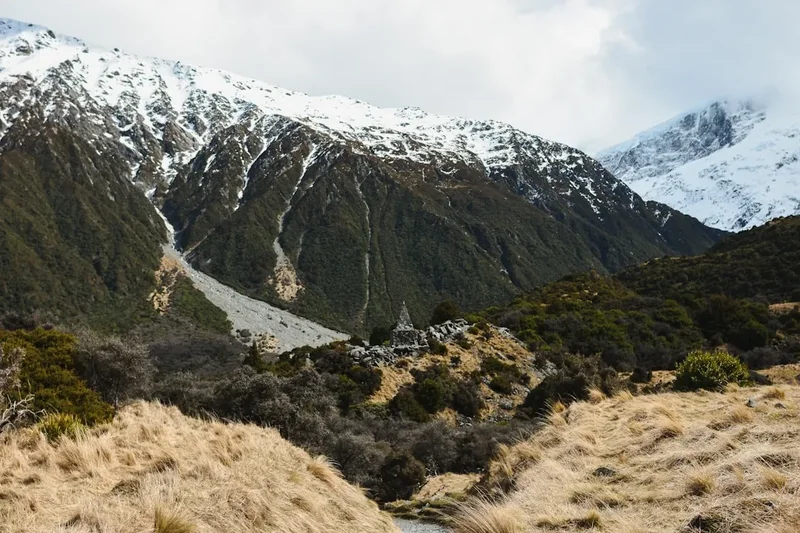
No permits are required to walk the Big Hill Track. Access to the trailhead and the track itself is free and open to the public. This makes it a very accessible and popular option for a day trip from Dunedin.
Other Activities in the Area
The Big Hill Track is an excellent addition to a visit to the Dunedin region, which offers a wealth of other attractions:
- Otago Peninsula Exploration: Discover the unique wildlife of the Otago Peninsula, including Royal Albatross at Taiaroa Head, fur seals, and penguins.
- Dunedin City Attractions: Visit Larnach Castle, the Dunedin Botanic Garden, the Otago Museum, or explore the city's Victorian and Edwardian architecture.
- Coastal Drives: Enjoy scenic drives along the coast, exploring bays and beaches such as Brighton Beach or Allans Beach.
- Wildlife Spotting: Beyond the Otago Peninsula, opportunities exist for spotting marine life and native birds in various coastal and forest reserves around Dunedin.
- Hiking in the Silverpeaks: For more challenging hikes, explore the nearby Silverpeaks Scenic Reserve, which offers a network of longer and more rugged trails.
- Dunedin Botanic Garden: A beautiful and extensive garden offering a diverse range of plant collections and walking paths.
Safety and Conditions
Track Conditions: The Big Hill Track is generally well-maintained. However, after periods of heavy rain, sections of the track, particularly in the bush, can become muddy and slippery. The exposed ridgelines can be subject to strong winds, which can make walking more challenging and increase the risk of falls. Always wear appropriate footwear with good grip.
Weather: Fiordland and the Dunedin region are known for their changeable weather. Be prepared for all conditions, including sun, wind, and rain, even on the same day. Check the MetService forecast for Dunedin and the specific area before you set out. Hypothermia is a risk if you get wet and cold, especially on the exposed summit.
Sandflies: Sandflies are common in New Zealand, particularly in damp, sheltered bush areas. They are most active during warmer months and can be a nuisance. It is highly recommended to use an effective insect repellent containing DEET or picaridin. Wearing long sleeves and trousers can also help protect against bites.
Navigation: While the Big Hill Track is clearly marked, it is always advisable to carry a map and compass or use a GPS device or smartphone app with offline maps. Familiarise yourself with the route before you start.
Fitness: The track involves a significant elevation gain of 450 metres over a relatively short distance, making it a moderate to challenging walk for some. Ensure you are adequately fit for the climb and descent. Take breaks as needed.
Emergency: In case of an emergency, call 111 for police, fire, or ambulance services. Mobile phone reception can be intermittent on the track, especially in the bush sections. Inform someone of your plans, including your expected return time.
Side Trips and Points of Interest
Summit Views: The primary point of interest on the Big Hill Track is the summit itself. From here, on a clear day, you are rewarded with breathtaking 360-degree panoramic views. To the east, the vast, blue expanse of the Pacific Ocean stretches to the horizon, with the rugged coastline of the Otago Peninsula providing a dramatic foreground. You can often see waves crashing against the cliffs far below. To the west, the city of Dunedin unfolds, nestled between the harbour and the rolling green hills of the surrounding countryside. The scale of the landscape from this vantage point is truly impressive and offers fantastic photographic opportunities.
Native Bush Sections: The initial and final parts of the walk traverse regenerating native bush. While not as dramatic as the summit views, these sections are rich in biodiversity. Look out for various native ferns, mosses, and trees such as beech and broadleaf. The sounds of native birds, such as fantails and tūī, often accompany you through these sheltered areas, providing a peaceful contrast to the exposed ridgelines.
Waitati Valley Approach: The drive along Waitati Valley Road to the trailhead itself offers scenic views of the valley and the surrounding farmland. The transition from the more developed areas closer to Dunedin to the more rural setting of the valley adds to the sense of getting away from it all before you even start the walk.
Leave No Trace
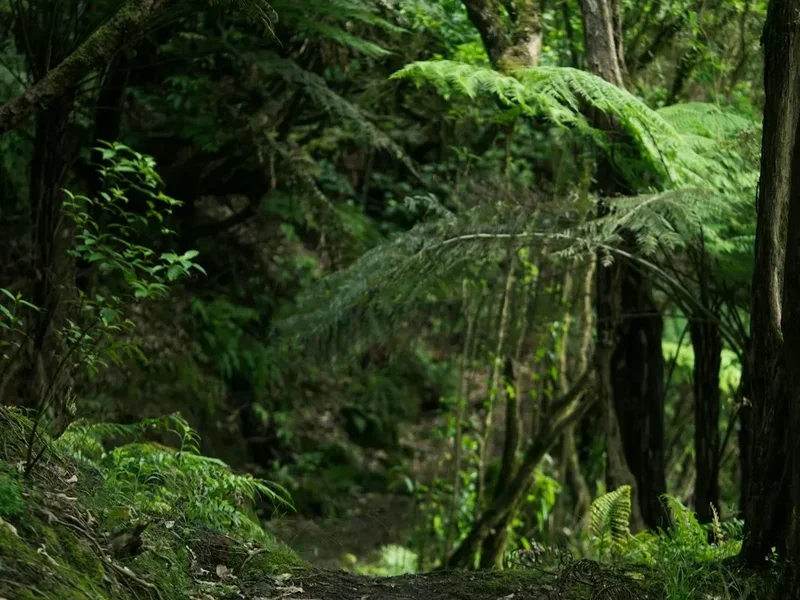
The Big Hill Track, like all natural environments, benefits from responsible visitor behaviour. Adhering to Leave No Trace principles ensures that this beautiful area remains pristine for future generations to enjoy.
Plan Ahead and Prepare: Check the weather forecast and trail conditions before you go. Pack appropriate gear and sufficient food and water. Know the regulations for the area.
Travel and Camp on Durable Surfaces: Stick to the marked track at all times. This prevents erosion and protects fragile vegetation, especially in the bush sections where the ground can be soft.
Dispose of Waste Properly: Pack out everything you pack in. This includes all food scraps, wrappers, and any other litter. Use the toilet facilities at the trailhead if available, or be prepared to carry out all human waste if necessary (though for a day walk, this is rarely an issue).
Leave What You Find: Do not remove any natural objects, such as rocks, plants, or flowers. Take only photographs and memories.
Minimise Campfire Impacts: Campfires are not permitted on this day walk. If you were to camp (which is not an option on this track), always use established fire rings and ensure fires are completely extinguished.
Respect Wildlife: Observe wildlife from a distance. Do not feed any animals, as this can disrupt their natural behaviours and diets. Be aware of native birds and insects.
Be Considerate of Other Visitors: Keep noise levels down, especially in the bush sections. Yield to other walkers, particularly on narrow parts of the track. Allow others to enjoy the peace and quiet of the natural environment.
 New Zealand