
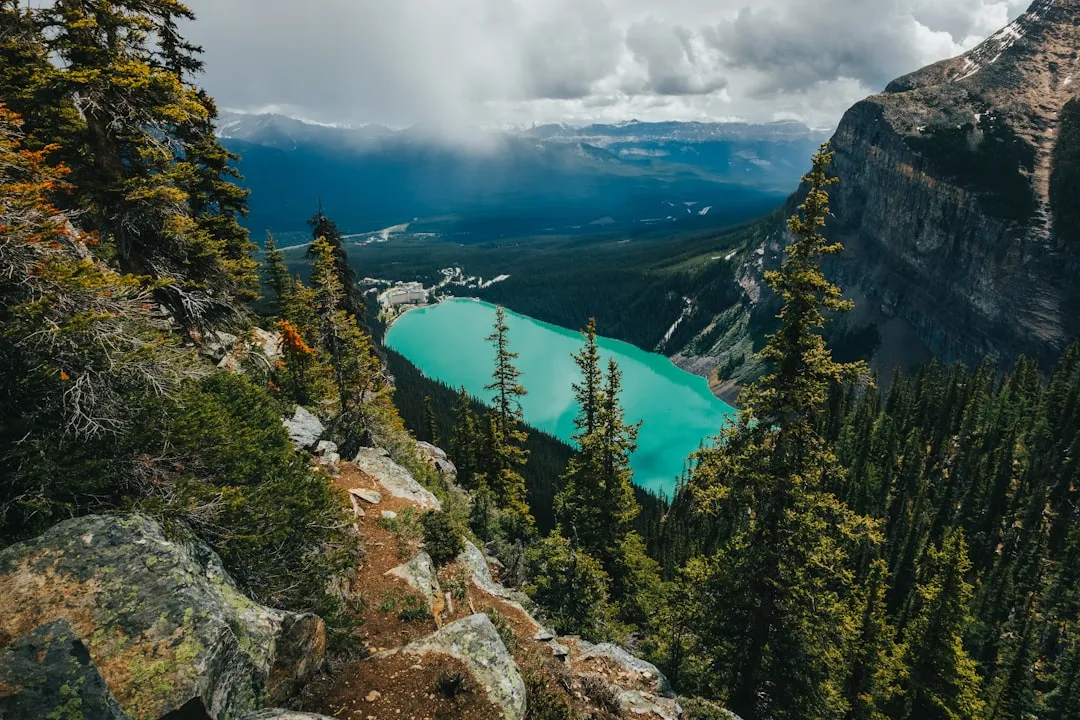
Big Beehive Trail - A Rocky Mountain Panorama
The Big Beehive Trail is a quintessential Canadian Rockies hike, offering breathtaking panoramic views of Lake Louise and the surrounding iconic peaks. This moderate-difficulty trail ascends steadily through a fragrant pine forest before emerging onto a rocky ridge that provides unparalleled vistas. It's a popular choice for visitors to Banff National Park, combining accessibility with a rewarding alpine experience. The trail is well-maintained and offers a taste of high-altitude hiking without requiring extreme fitness or technical skills. Its proximity to the historic Fairmont Chateau Lake Louise and the vibrant village of Lake Louise makes it an easily integrated part of any visit to this world-renowned destination.
- Distance: 10.0 km return
- Elevation gain: 550 m
- Duration: 3-4 hours
- Difficulty: Moderate
- Best Time: May to October
- Highest point: Approximately 2,150 m
- Trailhead Access: Lake Louise Lakeshore, Banff National Park
- Closest City: Lake Louise
Overview
The Big Beehive Trail is a classic Banff National Park hike that delivers immense scenic rewards for a moderate effort. Starting from the shores of the impossibly turquoise Lake Louise, the trail immediately begins its ascent, guiding hikers through a dense, fragrant forest of lodgepole pine and spruce. The initial climb is steady, providing a good workout while offering glimpses of the lake through the trees. As the elevation increases, the forest begins to thin, and the landscape opens up, revealing increasingly spectacular views.
The trail eventually breaks out of the treeline onto a rocky, exposed ridge. This is the "Big Beehive" itself, a prominent rocky outcrop that provides a commanding 360-degree panorama. From this vantage point, hikers can gaze down upon the entirety of Lake Louise, its vibrant blue waters contrasting sharply with the surrounding snow-capped peaks. Iconic mountains such as Mount Victoria, Mount Lefroy, and the Victoria Glacier are clearly visible, creating a postcard-perfect scene. The trail continues along the ridge for a short distance, offering different perspectives and photo opportunities.
The descent follows the same path, allowing for a different appreciation of the scenery as you re-enter the forest. The Big Beehive is a popular trail, especially during the summer months, so expect to share the path with other hikers. However, the expansive views and the sheer grandeur of the landscape make it a worthwhile experience for all.
History and Cultural Context
The Lake Louise area, including the trails leading to the Big Beehive, has a rich history intertwined with exploration, tourism, and the indigenous peoples of the region. For millennia, the Stoney Nakoda First Nations people have lived in and travelled through these lands, utilising the abundant natural resources for sustenance and spiritual connection. The dramatic mountain landscapes and the vibrant turquoise waters of Lake Louise have always held deep cultural significance for them.
The modern history of Lake Louise is inextricably linked to the Canadian Pacific Railway (CPR) and the development of tourism in the Canadian Rockies. In the late 19th and early 20th centuries, the CPR established a network of grand hotels and scenic trails to attract visitors to the newly accessible mountain parks. The iconic Fairmont Chateau Lake Louise, originally built as a log hotel in 1890 and later expanded into the magnificent chateau it is today, became a central hub for exploration.
The trails around Lake Louise, including those leading to the Big Beehive and its neighbour, the Little Beehive, were developed during this era to provide visitors with access to the stunning alpine scenery. These trails were designed to be manageable for hotel guests, offering accessible routes to spectacular viewpoints. The names "Big Beehive" and "Little Beehive" likely arose from the distinctive shape of the rocky outcrops, resembling the domed structures used for beekeeping, and were given by early surveyors or guides who found the formations memorable.
The area was designated as part of Banff National Park in 1885, Canada's first national park, underscoring its importance for conservation and public enjoyment. Today, the Big Beehive Trail continues to be a vital part of the visitor experience, offering a connection to the natural beauty and the historical legacy of this iconic mountain destination.
Seasonal Highlights and Weather Reality
The Big Beehive Trail is a seasonal hike, primarily accessible and enjoyable from late spring through early autumn. The timing of your visit will significantly influence the experience, from trail conditions to the surrounding natural beauty.
Spring (May to early June): As the snow begins to melt, the lower sections of the trail may become accessible. However, higher elevations will likely still be snow-covered, making the trail difficult or impossible to follow without snowshoes or skis. Wildflowers may begin to appear in the lower forest areas. Lake Louise itself may still be partially or fully frozen in early May.
Summer (mid-June to August): This is the peak season for hiking the Big Beehive. The snow has completely melted from the trail, and the weather is generally warm and sunny, though afternoon thunderstorms are common. The lake is its vibrant turquoise colour, and the surrounding mountains are free of snow. This is also the busiest time, so expect crowds, especially on weekends and holidays. The forest is lush and green, and the alpine meadows, if you venture further, will be in bloom.
Autumn (September to October): Autumn offers a different kind of beauty. The larch trees in the surrounding forests turn a brilliant golden yellow, creating a stunning contrast with the evergreen pines and the blue lake. The air is crisp, and the crowds begin to thin. However, the weather can become unpredictable, with early snowfalls possible, especially in October. The lake may begin to freeze over again by late October.
Winter (November to April): The Big Beehive Trail is generally inaccessible and unsafe for hiking during winter due to heavy snowfall and avalanche risk. The area is popular for winter activities like ice skating on Lake Louise and cross-country skiing, but the hiking trails are covered in deep snow and are not maintained.
Weather Considerations: Mountain weather is notoriously unpredictable. Even in summer, conditions can change rapidly. Be prepared for sun, rain, wind, and cooler temperatures, especially at higher elevations. Always check the weather forecast before you go and be ready to turn back if conditions deteriorate.
Recommended Itinerary
Big Beehive Trail - Day Hike Itinerary
Early Morning (Approx. 8:00 AM - 9:00 AM): Arrival and Trailhead Start
- Arrive at Lake Louise Lakeshore parking area. Note: Parking is extremely limited and fills very early, especially during peak season. Consider using Parks Canada shuttle services or arriving before 7:00 AM.
- Begin your hike from the eastern end of the Lake Louise shoreline, near the Fairmont Chateau Lake Louise.
- The trailhead is clearly marked.
Morning (Approx. 9:00 AM - 11:00 AM): Forest Ascent
- Follow the well-defined trail as it begins to climb steadily through a dense coniferous forest.
- The path is primarily a dirt and gravel track, with some rocky sections and switchbacks to manage the elevation gain.
- Enjoy the scent of pine and the dappled sunlight filtering through the trees.
- Keep an eye out for potential wildlife sightings (though less common on this busy trail).
- The initial section is approximately 2.5 km with a consistent gradient.
Late Morning (Approx. 11:00 AM - 12:00 PM): Emerging Views and Little Beehive
- As you gain elevation, the forest begins to thin, offering your first tantalising glimpses of Lake Louise below.
- The trail may intersect with the path to the Little Beehive. You can choose to make a brief detour to the Little Beehive (adds minimal distance and time) for an earlier, slightly lower viewpoint.
- The path becomes rockier and more exposed as you approach the ridge.
Midday (Approx. 12:00 PM - 1:30 PM): Summiting the Big Beehive and Lunch Break
- Reach the summit of the Big Beehive, a prominent rocky outcrop offering spectacular 360-degree panoramic views.
- Spend time taking in the breathtaking scenery: Lake Louise, the Victoria Glacier, Mount Victoria, Mount Lefroy, and the surrounding peaks of Banff National Park.
- Find a comfortable spot to enjoy your packed lunch and soak in the alpine atmosphere.
- This is an excellent opportunity for photography.
- The summit area is exposed, so be mindful of wind and sun.
Afternoon (Approx. 1:30 PM - 3:00 PM): Descent and Return
- Begin your descent back down the same trail.
- The descent can be faster but requires careful footing, especially on rocky or loose sections.
- Re-enter the forest and enjoy the changing perspective as you head back towards the lake.
- Arrive back at the Lake Louise shoreline.
Late Afternoon (Optional): Lake Louise Exploration
- After your hike, you can explore the Lake Louise shoreline, visit the Fairmont Chateau Lake Louise, or rent a canoe on the lake (seasonal).
- Consider visiting the nearby village of Lake Louise for amenities or further exploration of Banff National Park.
Important Notes:
- This is a day hike; no overnight accommodation is required.
- Carry sufficient water and snacks, as there are no facilities on the trail.
- Wear sturdy hiking boots and dress in layers, as mountain weather can change quickly.
- Sun protection (hat, sunglasses, sunscreen) is essential due to the high elevation and exposure.
- Be aware of wildlife; maintain a safe distance and never feed animals.
- Parking at Lake Louise is extremely challenging. Plan to use Parks Canada shuttles or arrive very early.
Planning and Bookings
Book Your Trip
Everything you need to plan your journey
Accommodation
Find places to stay near Lake Louise
Flights
Search flights to Lake Louise
Essential Preparation
The Big Beehive Trail is located within Banff National Park, a UNESCO World Heritage Site managed by Parks Canada. Access to the Lake Louise area, including parking and shuttle services, is subject to Parks Canada regulations and can be highly competitive, especially during peak season (June to September). It is crucial to plan your visit well in advance.
Parking: Parking at the Lake Louise Lakeshore is extremely limited and often fills by 6:00 AM or 7:00 AM during the summer months. Arriving very early is essential if you plan to drive your own vehicle. Alternatively, Parks Canada operates a shuttle service from designated parking lots further away, and reservations for these shuttles are highly recommended and often mandatory. Check the Parks Canada website for the most up-to-date information on parking and shuttle reservations.
Park Pass: A Parks Canada Discovery Pass is required for all visitors entering Banff National Park. These can be purchased online in advance or at park gates and visitor centres.
Logistics: The closest major airport is Calgary International Airport (YYC), approximately a 2-hour drive east of Lake Louise. From Calgary, you can rent a car or take a shuttle service to Lake Louise. Accommodation options range from the luxurious Fairmont Chateau Lake Louise to various hotels, motels, and hostels in the village of Lake Louise and nearby towns like Banff.
Fitness: The Big Beehive Trail is considered moderate. It involves a steady elevation gain of 550 metres over 5 km, so a reasonable level of cardiovascular fitness is recommended. The trail is well-maintained but can be rocky and uneven in places.
Trail Accommodation
This is a day hike requiring no overnight accommodation.
Required Gear
- Hiking Boots: Sturdy, broken-in hiking boots with good ankle support are essential for navigating the rocky and uneven terrain.
- Waterproof Jacket: Mountain weather can change rapidly. A waterproof and windproof jacket is crucial for protection against rain and wind.
- Layers of Clothing: Dress in layers to adapt to changing temperatures. Include a moisture-wicking base layer, an insulating mid-layer (fleece or down jacket), and an outer shell.
- Backpack: A comfortable daypack (20-30 litres) to carry essentials like water, snacks, extra clothing, and safety gear.
- Navigation: While the trail is well-marked, a map of the area and a compass or GPS device are always recommended for safety. A downloaded offline map on your smartphone is also useful.
- Sun Protection: A wide-brimmed hat, sunglasses, and high-SPF sunscreen are vital, as the sun's intensity is greater at higher altitudes, even on cloudy days.
- First-Aid Kit: A basic first-aid kit including blister treatment, bandages, antiseptic wipes, pain relievers, and any personal medications.
- Headlamp/Torch: Essential in case your hike extends longer than anticipated, especially if starting early or finishing late.
What to Bring
- Water: Carry at least 1.5 to 2 litres of water per person. There are no water sources or refill stations on the trail.
- Food/Snacks: High-energy snacks such as trail mix, energy bars, fruit, and sandwiches are recommended.
- Insect Repellent: Mosquitoes and black flies can be present, especially in early summer.
- Camera: To capture the stunning scenery.
- Binoculars (Optional): For wildlife viewing or closer inspection of distant peaks.
- Trekking Poles (Optional): Can be helpful for stability on the ascent and to reduce strain on knees during the descent.
- Cash: For potential purchases at the Chateau or for shuttle services if not pre-booked.
Permits
A Parks Canada Discovery Pass is mandatory for all visitors entering Banff National Park. This pass covers entry to all national parks in Canada for a year and can be purchased online through the Parks Canada website, at park gates, or at visitor centres.
Shuttle Reservations: During the peak season (typically June to mid-October), Parks Canada strongly recommends, and often requires, reservations for the Lake Louise shuttle service. This service departs from designated parking areas and provides access to the Lake Louise Lakeshore, which is essential if you cannot secure parking at the lake itself. It is highly advisable to book shuttle tickets in advance online via the Parks Canada Reservation Service website, as they sell out quickly.
Parking Reservations: In addition to shuttle reservations, Parks Canada may also implement a parking reservation system for the Lake Louise Lakeshore parking lot during peak periods. Check the Parks Canada website for the latest information and to make any necessary parking reservations.
No Specific Trail Permit: There is no specific permit required for hiking the Big Beehive Trail itself, beyond the general park entry permit (Discovery Pass). However, access to the trailhead is controlled by the parking and shuttle systems.
Important Dates:
- Discovery Pass: Purchase anytime online or upon arrival.
- Shuttle/Parking Reservations: Typically open in spring for the summer season. Check the Parks Canada website for exact dates.
Other Activities in the Area
The Lake Louise area offers a wealth of activities beyond the Big Beehive Trail, catering to various interests and fitness levels:
- Lake Agnes Teahouse Hike: A popular extension or alternative, this trail leads to another historic teahouse nestled beside a beautiful alpine lake. It's a moderate hike, slightly longer and with more elevation gain than the Big Beehive.
- Plain of Six Glaciers Teahouse Hike: For a more challenging day hike, this route takes you further into the valley towards the Victoria Glacier, with another charming teahouse offering refreshments and stunning glacial views.
- Canoeing on Lake Louise: Rent a iconic red canoe from the Fairmont Chateau Lake Louise and paddle on the turquoise waters for a unique perspective of the surrounding mountains. This is a seasonal activity.
- Walking the Lake Louise Shoreline: A gentle, paved path along the lake's edge, offering accessible views and photo opportunities.
- Visiting the Fairmont Chateau Lake Louise: Even if not staying at the hotel, you can explore its public areas, enjoy afternoon tea, or dine with a view of the lake.
- Moraine Lake: A short drive (or shuttle ride) from Lake Louise, Moraine Lake is another stunningly beautiful glacial lake, famous for the Valley of the Ten Peaks. Access to Moraine Lake Road is often restricted to shuttle buses or cycling during peak season.
- Hiking to Consolation Lakes: A relatively easy hike starting from Moraine Lake, leading to a series of picturesque alpine lakes.
- Wildlife Viewing: Keep an eye out for elk, deer, bighorn sheep, and smaller mammals. Always maintain a safe distance and never feed wildlife.
- Scenic Drives: Explore the Icefields Parkway, one of the world's most scenic drives, connecting Lake Louise to Jasper National Park.
Safety and Conditions
Trail Conditions: The Big Beehive Trail is generally well-maintained. However, sections can be rocky, uneven, and exposed. In early spring or late autumn, snow and ice may be present, making the trail slippery and potentially hazardous. Always check current trail conditions with Parks Canada or local visitor centres before setting out.
Weather: Mountain weather is unpredictable and can change rapidly. Be prepared for all conditions, including sun, rain, wind, and cooler temperatures, even in summer. Afternoon thunderstorms are common in the Rockies; if you hear thunder, descend immediately.
Wildlife: Banff National Park is home to a variety of wildlife, including bears (grizzly and black bears), elk, deer, and bighorn sheep. While encounters on the busy Big Beehive Trail are less common, it is essential to be bear aware. Carry bear spray, know how to use it, make noise while hiking (especially in areas with limited visibility), and never approach or feed wildlife.
Altitude: The Big Beehive reaches an elevation of approximately 2,150 metres. While not extremely high, some individuals may experience mild altitude sickness. Stay hydrated and listen to your body.
Exposure: The upper sections of the trail and the summit are exposed to the elements. Be prepared for strong winds, intense sun, and potential rapid temperature drops. Wear appropriate sun protection and windproof clothing.
Navigation: The trail is generally well-marked, but it's always wise to carry a map and compass or use a GPS device/app. Ensure your phone is fully charged, but do not rely solely on it for navigation as reception can be spotty.
Emergency: In case of an emergency, dial 911 or contact Parks Canada Dispatch. Cell service can be unreliable in mountainous areas, so consider carrying a satellite communication device for remote areas or if hiking alone.
Hiking with Others: It is always safer to hike with at least one other person. Inform someone of your hiking plans, including your intended route and expected return time.
Side Trips and Points of Interest
Little Beehive: Located just before the main Big Beehive summit, the Little Beehive offers a slightly lower but still spectacular viewpoint. It's a worthwhile short detour for those who want a taste of the panoramic views without completing the full ascent to the Big Beehive, or as a stop on the way down.
Lake Agnes Teahouse: For those seeking a longer hike, the trail continues past the Big Beehive junction towards the Lake Agnes Teahouse. This historic teahouse, accessible only by foot, offers refreshments and a beautiful setting beside Lake Agnes. The combined hike to Lake Agnes and back is a popular full-day excursion.
Fairmont Chateau Lake Louise: The iconic hotel at the base of the trail is a point of interest in itself. Its grand architecture and prime location on the lake make it a landmark worth admiring. You can explore its public areas or enjoy a meal with a view.
Lake Louise Shoreline: The area immediately surrounding the lake offers stunning views of the Victoria Glacier and the surrounding peaks. The paved shoreline path is perfect for a leisurely stroll and photography.
Victoria Glacier: While not directly accessible from the Big Beehive trail, the imposing Victoria Glacier is a dominant feature of the landscape visible from the summit. Its immense scale is a testament to the power of nature.
Leave No Trace
The Big Beehive Trail, like all trails in Banff National Park, is a precious natural resource that requires responsible stewardship. Adhering to Leave No Trace principles ensures that this beautiful environment remains pristine for future generations of hikers and for the wildlife that calls it home.
Plan Ahead and Prepare: Research trail conditions, weather forecasts, and any specific regulations for Banff National Park before your visit. Pack appropriate gear and sufficient supplies.
Travel and Camp on Durable Surfaces: Stay on the marked trail at all times. Cutting switchbacks or venturing off-trail can cause erosion and damage fragile vegetation. The trail itself is the designated durable surface.
Dispose of Waste Properly: Pack out everything you pack in, including all food scraps, wrappers, and any other litter. There are no bins on the trail. Use designated toilet facilities where available, or if not, dig a cathole at least 70 metres away from water sources, trails, and campsites.
Leave What You Find: Do not remove or disturb natural objects such as rocks, plants, or flowers. Take only photographs and memories.
Minimize Campfire Impacts: Campfires are not permitted on this day hike. If camping elsewhere in the park, use designated fire rings and be aware of fire bans.
Respect Wildlife: Observe wildlife from a distance. Never feed animals, as this can harm their health, alter their natural behaviours, and put you at risk. Store food securely and keep a clean campsite (or day-use area).
Be Considerate of Other Visitors: Keep noise levels down, yield to other hikers on the trail, and be respectful of everyone's experience in nature.
 Canada