
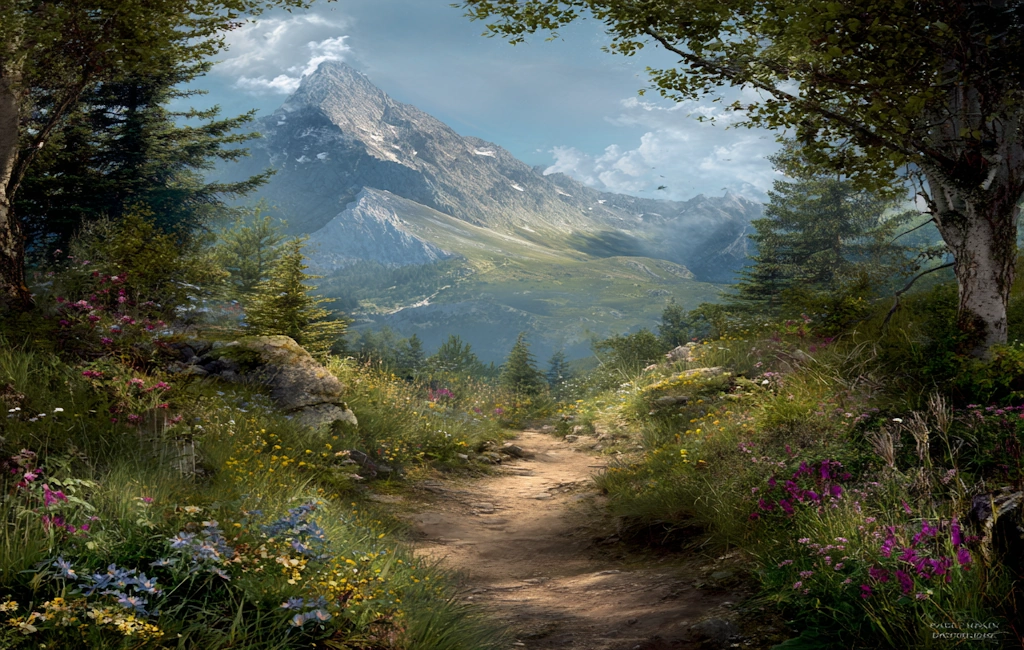
Bhrigu Lake Trek - A Himalayan Gem
The Bhrigu Lake Trek is a captivating mountain journey located in the Kullu Valley of Himachal Pradesh, India. This moderate-difficulty trek offers a spectacular glimpse into the grandeur of the Indian Himalayas, culminating at the pristine, high-altitude Bhrigu Lake, also known as "The Lake of the Gods." Nestled at an elevation of approximately 4,300 metres, the lake is surrounded by snow-capped peaks and offers breathtaking panoramic views. The trek is renowned for its diverse landscapes, transitioning from lush green meadows and dense pine forests to barren alpine terrain and finally, the serene, glacial waters of the lake. It's a relatively short trek, typically completed in 3 to 4 days, making it an accessible yet rewarding adventure for trekkers seeking a taste of the Himalayas without an extensive time commitment.
- Distance: 25.0 km (one-way)
- Duration: 3-4 days
- Season: May to October
- Difficulty: Moderate
- Highest point: Bhrigu Lake (approx. 4,300 m)
- Base Town: Manali
- Trailhead Access: Gulaba (via taxi/jeep from Manali)
- Accommodation: Camping (no permanent huts on the trail)
Overview
The Bhrigu Lake Trek is a journey that unfolds gradually, revealing the diverse beauty of the Himalayas. Starting from the popular tourist hub of Manali, the trek quickly ascends into a world of natural splendour. The initial days are characterised by walking through dense forests of deodar and pine, with the gentle murmur of streams accompanying the trekkers. As the altitude increases, the landscape transforms into expansive alpine meadows, carpeted with wildflowers during the summer months. These meadows, such as the popular Rola Khuli, offer stunning vistas of the surrounding peaks and provide ideal camping spots.
The trek's moderate difficulty makes it suitable for individuals with a reasonable level of fitness. The ascent is steady, allowing for acclimatisation, which is crucial for high-altitude treks. The highlight of the trek is undoubtedly Bhrigu Lake itself. The lake's ethereal beauty, its deep blue waters reflecting the surrounding mountains, is a sight that stays with trekkers long after they descend. Local legends speak of the lake being a meditation spot for the sage Bhrigu, adding a spiritual dimension to the experience. The trek offers a perfect blend of natural beauty, physical challenge, and cultural immersion, making it a popular choice for both Indian and international trekkers.
The accessibility from Manali, a well-connected town, further enhances its appeal. While camping is the primary mode of accommodation, the organised nature of most treks ensures that necessary arrangements for tents, food, and guides are made, allowing trekkers to focus on the experience. The best time to undertake this trek is from May to October, when the weather is generally favourable, and the trails are clear of heavy snow, though early May and late October can still see snow at higher altitudes.
History and Cultural Context
The Kullu Valley, where Bhrigu Lake is situated, has a rich history deeply intertwined with spirituality and trade. For centuries, this region has been a significant centre for Hinduism, with numerous temples and ancient pilgrimage routes. The valley is often referred to as the "Valley of the Gods" due to the numerous deities worshipped here and the belief that gods and goddesses reside in the mountains and lakes.
Bhrigu Lake itself is named after the revered sage Bhrigu, one of the Saptarishis (Seven Great Sages) in Hindu tradition. Legend has it that the sage meditated by the lake, and its waters are considered sacred. Local communities hold the lake in high regard, and it is believed to possess healing properties. During certain times of the year, particularly during local festivals, pilgrims undertake the trek to offer prayers at the lake.
The trekking routes in this region have historically been used by shepherds and local villagers for centuries to move their livestock between summer pastures and lower valleys. The trails are well-trodden, reflecting their long-standing use. The development of these routes into popular trekking destinations is a more recent phenomenon, driven by the growing interest in adventure tourism in the Himalayas. While the Bhrigu Lake Trek is now a recognised trekking route, its historical significance as a sacred site and a traditional passage for local communities remains an integral part of its identity.
Seasonal Highlights and Weather Reality
The Bhrigu Lake Trek is best undertaken during the months of May to October. This period offers the most favourable weather conditions for trekking in the Himalayas, balancing accessibility with stunning natural beauty.
Spring (May to June): This is an ideal time to trek. The snow from winter begins to melt, revealing vibrant green meadows dotted with a profusion of wildflowers. The skies are generally clear, offering excellent visibility of the surrounding snow-capped peaks. The temperatures are pleasant, making for comfortable trekking days. However, early May can still experience residual snow at higher altitudes, and occasional late snow showers are possible.
Summer (July to August): These months are part of the monsoon season in the Indian Himalayas. While the lower altitudes might experience rain, the higher reaches, including Bhrigu Lake, often remain relatively dry or experience intermittent showers. The meadows are at their lushest and most vibrant during this period. The increased rainfall can lead to spectacular waterfalls and a more dramatic landscape. However, trekkers should be prepared for wet conditions and potential cloud cover, which might obscure some of the panoramic views.
Autumn (September to October): This is another excellent period for the trek. The monsoon recedes, leaving behind clear skies and crisp, cool air. The landscape takes on a golden hue as the vegetation dries, and the views of the mountains are exceptionally sharp and clear. The temperatures are cooler, especially at night, and require warm clothing. By late October, the first snowfalls of winter can begin at higher elevations, potentially making the trail more challenging.
Winter (November to April): The Bhrigu Lake Trek is generally not recommended during these months due to heavy snowfall, extreme cold, and treacherous trail conditions. The lake and surrounding areas are often covered in thick snow, making navigation difficult and the trek inaccessible for most trekkers.
Recommended Itinerary
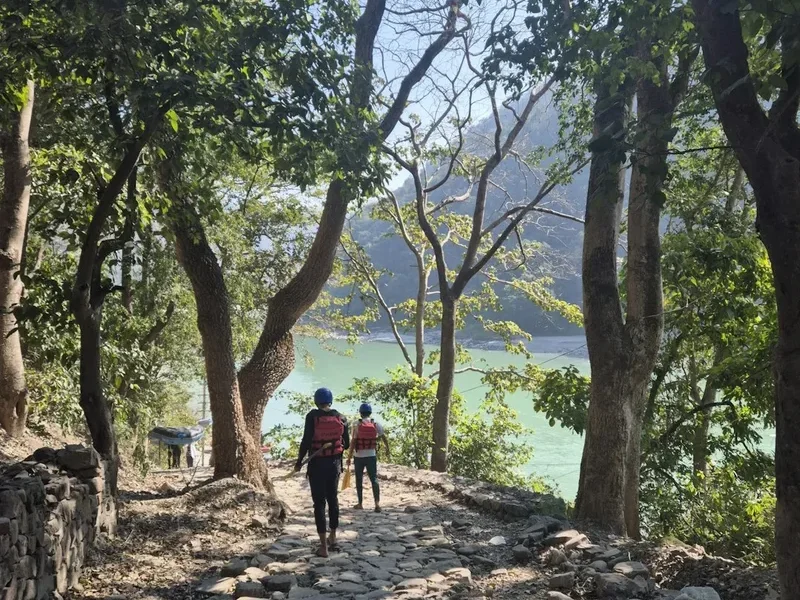
3-Day Bhrigu Lake Trek Itinerary
Day 1: Gulaba to Rola Khuli
- Distance: 8.0 km
- Elevation gain: 900 m
- Time: 4–5 hours
- Start from Gulaba, a popular checkpoint accessible by taxi from Manali
- The trail begins with a gradual ascent through dense pine and deodar forests
- The path opens up into beautiful meadows as you gain altitude
- Reach Rola Khuli, a picturesque campsite situated in a large meadow
- Set up camp and enjoy the surrounding mountain views
- Acclimatise to the altitude and rest for the next day's climb
Day 2: Rola Khuli to Bhrigu Lake and back to Rola Khuli
- Distance: 6.0 km (round trip)
- Elevation gain: 400 m to lake, 400 m descent
- Time: 5–6 hours
- Early morning start after breakfast
- Ascend towards Bhrigu Lake, the trail becomes steeper and more rocky
- Pass through barren alpine terrain
- Reach the stunning Bhrigu Lake (approx. 4,300 m)
- Spend time admiring the lake and the panoramic views of the surrounding peaks
- Have lunch by the lake
- Descend back to Rola Khuli campsite
- This is the most challenging day, involving a significant altitude gain
Day 3: Rola Khuli to Gulaba and drive to Manali
- Distance: 8.0 km
- Elevation loss: 900 m
- Time: 3–4 hours
- After breakfast, begin the descent back to Gulaba
- The descent is quicker and less strenuous than the ascent
- Enjoy the familiar forest trails and meadows on your way down
- Reach Gulaba, where your vehicle will be waiting
- Drive back to Manali, concluding the trek
4-Day Bhrigu Lake Trek Itinerary (Optional Extension)
Day 1: Gulaba to Rola Khuli (Same as 3-day itinerary)
Day 2: Rola Khuli to Bhrigu Lake and camp near the lake
- Distance: 3.0 km to lake, 3.0 km to campsite
- Elevation gain: 400 m to lake, minimal gain to campsite
- Time: 5–6 hours
- Trek to Bhrigu Lake as per the 3-day itinerary
- Instead of returning to Rola Khuli, continue a short distance to a campsite closer to the lake (if permitted and feasible)
- This allows for more time to explore the lake area and enjoy the high-altitude environment
- Camp at a designated spot near Bhrigu Lake (subject to availability and regulations)
Day 3: Camp near Bhrigu Lake to Vashisht Village
- Distance: 11.0 km
- Elevation loss: 1100 m
- Time: 5–6 hours
- Descend from the campsite towards Vashisht village, bypassing Rola Khuli
- This route offers different perspectives of the landscape
- Vashisht is known for its hot springs and ancient temples
- Check into a guesthouse in Vashisht or Manali
Day 4: Explore Vashisht/Manali
- Enjoy the hot springs and local culture in Vashisht
- Explore Manali town, Hadimba Temple, Old Manali
- Depart from Manali
Important Notes:
- This is a camping trek; no permanent huts are available on the trail.
- Tents, sleeping bags, and meals are typically provided by trekking agencies.
- Acclimatisation is crucial. Listen to your body and inform your guide of any discomfort.
- Weather can change rapidly in the mountains; be prepared for all conditions.
- Carry sufficient water or a purification method.
- Respect the local culture and the sanctity of Bhrigu Lake.
Planning and Bookings
Book Your Trip
Everything you need to plan your journey
Accommodation
Find places to stay near Manali
Flights
Search flights to Manali
Essential Preparation
The Bhrigu Lake Trek is a moderate-level trek that requires good physical fitness and proper planning. Given its popularity, it's advisable to book your trek through a reputable trekking agency well in advance, especially if you plan to travel during peak season (May-October). Agencies typically handle all logistics, including permits (if any are required for specific areas), transportation to the trailhead, accommodation (tents), meals, and experienced guides and porters.
Fitness: A good level of cardiovascular fitness is essential. Regular aerobic exercises like jogging, cycling, and swimming for at least a month prior to the trek will be beneficial. Include some uphill walking or stair climbing in your training to prepare your leg muscles for the ascents. The altitude gain is significant, so acclimatisation is key. Ensure you are well-rested before starting the trek.
Logistics: The nearest major airport is Kullu-Manali Airport (KUU), located about 50 km from Manali. From the airport, you can hire a taxi or take a bus to Manali. Manali is also well-connected by road to major cities like Delhi, Chandigarh, and Shimla via overnight bus services. From Manali, you will typically arrange transport (often a taxi or jeep) to Gulaba, the starting point of the trek. Ensure your chosen agency coordinates this transport.
Base Town: Manali is the primary base town for the Bhrigu Lake Trek. It's a bustling tourist destination with a wide range of accommodation options, from budget guesthouses and hostels to mid-range hotels. Manali also offers numerous restaurants, cafes, and shops where you can purchase last-minute trekking essentials, snacks, and souvenirs. It's advisable to spend at least one night in Manali before the trek to acclimatise to the lower altitude of the town (around 2,050 m) and finalise any last-minute arrangements.
Trail Accommodation
The Bhrigu Lake Trek is primarily a camping trek. There are no permanent huts or lodges along the trail. Accommodation is provided in the form of tents, typically set up at designated campsites.
Campsites:
- Rola Khuli: This is the main campsite for the trek, located in a large, scenic meadow at an altitude of approximately 3,400 metres. It serves as the base for the ascent to Bhrigu Lake.
- Near Bhrigu Lake (Optional): For the 4-day itinerary, a campsite might be set up closer to Bhrigu Lake itself, at a higher altitude (around 4,000 m). This is subject to regulations and feasibility.
Facilities Provided:
- Tents: Two-person or three-person dome tents are usually provided.
- Sleeping Bags: Warm sleeping bags suitable for sub-zero temperatures are provided.
- Sleeping Mats: Foam or inflatable mats for insulation and comfort.
- Dining Tent: A separate tent for meals, especially if weather is inclement.
- Toilet Tent: A basic portable toilet setup, often a pit latrine or a chemical toilet, is arranged at campsites.
What's NOT Provided:
- Personal toiletries
- Personal clothing and footwear
- Medications
- Snacks (though agencies may provide some basic ones)
- Water bottles (you'll need to carry your own)
Seasonal Availability: Campsites are generally accessible and usable from May to October. Outside this period, heavy snowfall makes camping impossible and the trail impassable.
Costs: The cost of accommodation is included in the overall trek package offered by trekking agencies. Prices vary depending on the agency, duration, and inclusions, but typically range from ₹8,000 to ₹15,000 per person for a 3-4 day trek.
Required Gear
- Trekking Boots: Waterproof, sturdy, ankle-high trekking boots with good grip. Ensure they are well broken-in to prevent blisters.
- Backpack: A 40-60 litre backpack for carrying your personal gear. A rain cover for the backpack is essential.
- Clothing:
- Base Layers: Thermal innerwear (tops and bottoms) made of wool or synthetic material.
- Mid Layers: Fleece jacket or a down vest for insulation.
- Outer Layer: Waterproof and windproof jacket and trousers (e.g., Gore-Tex).
- Trekking Trousers: Quick-drying, comfortable trekking pants (avoid jeans).
- Warm Hat: Woollen or fleece hat that covers your ears.
- Gloves: Warm, waterproof gloves.
- Headlamp/Torch: With extra batteries, essential for navigating at night and in the tent.
- Sun Protection: Sunglasses (UV protection), sunscreen (SPF 30+), lip balm with SPF.
- First-Aid Kit: Personal medications, blister treatment, antiseptic wipes, bandages, pain relievers, and any specific items recommended by your doctor.
- Water Bottles/Hydration Pack: At least 2 litres capacity.
- Trekking Poles: Highly recommended for stability and reducing strain on knees during ascents and descents.
What to Bring
- Food and Snacks: While agencies provide meals, carry high-energy snacks like nuts, dried fruits, energy bars, and chocolates.
- Water Treatment: Water purification tablets or a portable water filter. While streams are common, treating water is always recommended.
- Toiletries: Toothbrush, toothpaste, biodegradable soap, small towel, hand sanitiser.
- Personal Items: Camera, power bank for charging devices, a good book for downtime.
- Documents: Identification proof (Aadhaar card, passport), permits (if applicable), emergency contact details.
- Cash: Sufficient Indian Rupees for personal expenses, tips for guides/porters, and any unforeseen costs. ATMs are not available on the trek.
- Insect Repellent: Especially useful during lower altitude forest sections.
- Small Backpack/Daypack: For carrying essentials during day hikes from the campsite.
- Sleeping Bag Liner: For added warmth and hygiene inside the sleeping bag.
Permits
For the Bhrigu Lake Trek, specific permits are generally not required for Indian nationals for the standard route starting from Gulaba and camping at Rola Khuli. However, regulations can change, and it is always advisable to confirm the latest requirements with your trekking agency or the local tourism authorities in Manali before your trip.
Potential Permit Requirements:
- Forest Entry Fees: There might be a nominal forest entry fee levied at Gulaba or other checkpoints, which is usually included in the package by trekking agencies.
- Inner Line Permit (ILP): While not typically required for Bhrigu Lake itself, certain restricted areas in Himachal Pradesh do require an ILP for Indian citizens. It's good practice to carry a valid photo ID at all times. Foreign nationals may require special permits for certain areas, but Bhrigu Lake is generally accessible.
- National Park Fees: If the route passes through any designated national park areas, there might be entry fees.
Booking Strategy:
- Trekking Agency: The most straightforward approach is to book through a reputable trekking agency. They are well-versed with the local regulations and will arrange any necessary permits as part of their package.
- Local Authorities: If you are planning an independent trek, it is crucial to visit the Himachal Pradesh Tourism Development Corporation (HPTDC) office or the Forest Department office in Manali to inquire about current permit requirements and obtain them if needed.
- Confirmation: Always confirm the permit situation at least a few weeks before your trek date, as rules can be updated.
Cost: If permits are required, the cost is usually nominal and often included in the trek package. For independent trekkers, expect fees to be in the range of a few hundred Indian Rupees.
Other Activities in the Area
Manali and its surrounding regions offer a plethora of activities for trekkers to enjoy before or after their Bhrigu Lake adventure:
- Explore Manali Town: Visit Hadimba Devi Temple, a unique wooden temple dedicated to a local deity. Wander through the bustling markets of Mall Road and explore the charming lanes of Old Manali.
- Vashisht Village: Take a dip in the natural hot springs, believed to have therapeutic properties. The village also houses ancient temples.
- Solang Valley: Known for its adventure sports like paragliding, zorbing, and skiing (in winter). It offers stunning views of the surrounding mountains.
- Rohtang Pass: (Subject to road conditions and permits) A high mountain pass offering spectacular snow-capped vistas and a gateway to the Lahaul and Spiti valleys.
- Naggar Castle: A historic castle that once served as the residence of the rulers of Kullu. It now houses a museum and offers panoramic views of the Kullu Valley.
- Beas River: Enjoy riverside activities like rafting (seasonal) or simply relax by the banks of the Beas River.
- Local Cuisine: Savour Himachali delicacies like Siddu, Dham, and various types of momos and thukpa.
Safety and Conditions
Altitude Sickness (AMS): Bhrigu Lake is at a significant altitude (approx. 4,300 m). Altitude sickness is a serious concern. Symptoms include headache, nausea, dizziness, fatigue, and shortness of breath. To prevent AMS:
- Acclimatise properly: Spend at least one night in Manali (2,050 m) before starting the trek.
- Ascend gradually: The itinerary is designed for gradual ascent, but listen to your body.
- Stay hydrated: Drink plenty of water.
- Avoid alcohol and smoking: These can exacerbate AMS symptoms.
- Inform your guide: If you experience any symptoms, inform your guide immediately. They are trained to handle such situations.
Weather: Mountain weather is unpredictable. Be prepared for sudden changes, including rain, snow, strong winds, and fog, even during the trekking season. Always carry waterproof and warm clothing.
Trail Conditions: The trail can be rocky, uneven, and steep, especially on the ascent to Bhrigu Lake. In early May or late October, there might be snow and ice on the trail, making it slippery. Trekking poles are highly recommended for stability.
Water Sources: While streams are available, it is crucial to treat all water before consumption using purification tablets, a filter, or by boiling. Do not drink directly from streams.
Guides and Porters: Hiring a local guide is strongly recommended. They possess invaluable knowledge of the terrain, weather patterns, and local conditions, and can assist in emergencies. Porters can carry your main backpack, making the trek more enjoyable.
Communication: Mobile network coverage is generally absent on the trek route. Carry a fully charged power bank. For emergencies, consider carrying a satellite phone or a Personal Locator Beacon (PLB), especially if trekking independently.
Emergency Evacuation: In case of a serious medical emergency, evacuation might be necessary. This can be done via helicopter (expensive) or by descending to a point where vehicle access is possible. Ensure you have adequate travel insurance that covers high-altitude trekking and emergency evacuation.
Side Trips and Points of Interest
Bhrigu Lake Views: The primary point of interest is Bhrigu Lake itself. The serene, high-altitude lake, often surrounded by snow-clad peaks, offers a breathtaking spectacle. The reflection of the mountains in its clear blue waters is a photographer's delight. The spiritual significance attributed to the lake by locals adds to its allure.
Alpine Meadows of Rola Khuli: The campsite at Rola Khuli is situated in a vast, open meadow. During the trekking season (May-October), these meadows are often carpeted with a variety of wildflowers, creating a vibrant and picturesque landscape. It's an ideal spot for leisurely walks and enjoying the panoramic views of the surrounding mountains.
Forest Trails: The initial part of the trek winds through dense forests of deodar and pine. These trails offer a refreshing walk amidst nature, with the scent of pine needles and the sounds of birds. The change in vegetation from dense forest to open meadows is a notable transition.
Panoramic Mountain Vistas: Throughout the trek, especially from Rola Khuli and the ascent to Bhrigu Lake, trekkers are treated to stunning panoramic views of the Pir Panjal range and other Himalayan peaks. The clear skies during the trekking season provide excellent visibility.
Local Culture and Legends: Interacting with guides and locals can provide insights into the legends associated with Bhrigu Lake and the Kullu Valley. Understanding the spiritual significance of the lake enhances the trekking experience.
Leave No Trace
The Bhrigu Lake Trek traverses through pristine natural environments, including fragile alpine meadows and sensitive ecosystems. Adhering to Leave No Trace principles is paramount to preserving the beauty and integrity of this region for future generations.
Plan Ahead and Prepare:
- Book your trek with responsible agencies that follow LNT guidelines.
- Pack appropriately to avoid bringing unnecessary items that will become waste.
- Familiarise yourself with local regulations and customs.
Travel and Camp on Durable Surfaces:
- Stick to the established trails to avoid damaging vegetation and causing erosion.
- Camp only in designated campsites or on durable surfaces like rock or dry grass, away from water sources.
Dispose of Waste Properly:
- Pack out everything you pack in, including all food scraps, wrappers, and any other waste.
- Use designated toilet facilities or dig catholes 6-8 inches deep, at least 60 m (70 steps) away from water, trails, and campsites. Pack out all toilet paper.
- Do not bury or burn waste.
Leave What You Find:
- Do not pick wildflowers or remove any natural objects from the environment.
- Respect cultural and historical sites.
Minimise Campfire Impacts:
- Campfires are generally discouraged or prohibited in high-altitude areas due to the scarcity of firewood and the risk of wildfires. Use portable stoves for cooking.
Respect Wildlife:
- Observe wildlife from a distance. Do not feed animals, as it disrupts their natural behaviour and diet.
- Store food securely to prevent attracting animals.
Be Considerate of Other Visitors:
- Keep noise levels down to enjoy the natural sounds and respect the peace of other trekkers.
- Yield to other trekkers on narrow trails.
By following these principles, you help ensure that the Bhrigu Lake Trek remains a beautiful and sustainable experience.