
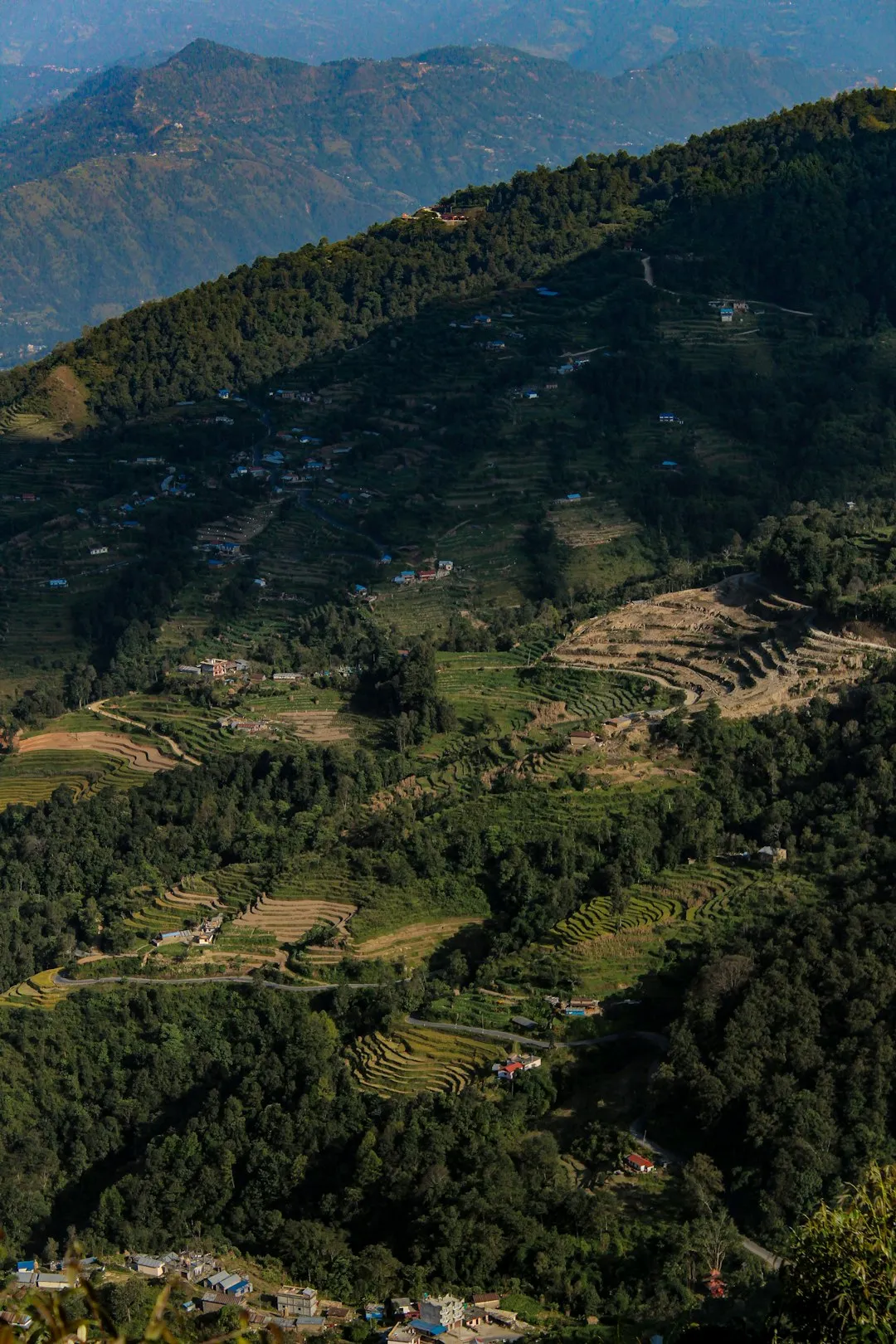
Bhaktapur Heritage Walk
The Bhaktapur Heritage Walk is a captivating day excursion that immerses you in the living history and vibrant culture of one of Nepal's ancient Newar cities. This walk is not about rugged terrain or challenging ascents; rather, it is a journey through time, exploring the meticulously preserved architectural marvels, bustling courtyards, and spiritual heart of Bhaktapur Durbar Square and its surrounding neighbourhoods. Designated a UNESCO World Heritage Site, Bhaktapur offers a unique glimpse into medieval Nepal, a place where traditional crafts, religious practices, and daily life continue to thrive amidst centuries-old temples, palaces, and pagodas. This walk is an invitation to wander, observe, and absorb the rich tapestry of Nepalese heritage.
- Distance: 5.0 km
- Duration: 2-3 hours
- Season: October to April (dry season)
- Difficulty: Easy
- Closest City: Bhaktapur
- Trailhead Access: Nearest airport: Tribhuvan International Airport (KTM) in Kathmandu. From KTM, take a taxi or bus to Bhaktapur (approx. 1 hour). Road conditions are generally good. Parking available near Durbar Square (fee applies).
- GPS: 27.6700, 85.4300
Overview
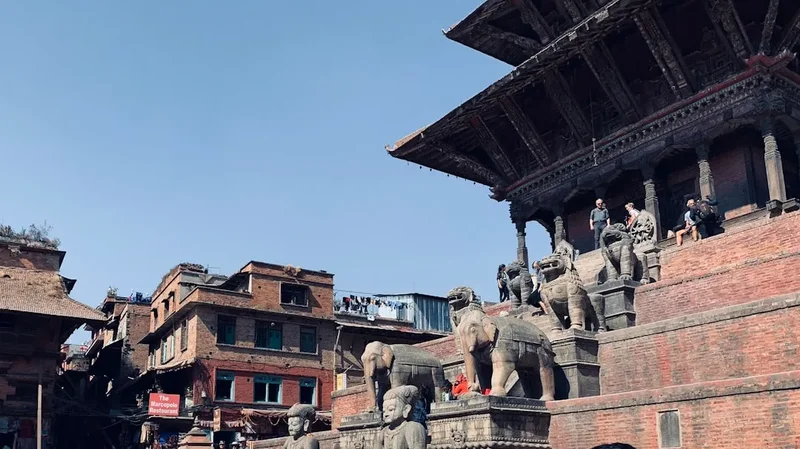
The Bhaktapur Heritage Walk is a gentle exploration of a city that feels frozen in time, yet vibrantly alive. Unlike a typical trek, this walk is a cultural immersion, a sensory experience that unfolds as you navigate its ancient streets and squares. The primary focus is Bhaktapur Durbar Square, a UNESCO World Heritage Site and a breathtaking collection of palaces, temples, and statues that showcase the pinnacle of Newar architecture. Here, you'll encounter the 55-Window Palace, the Royal Bath, the Golden Gate, and the magnificent Nyatapola Temple, a five-tiered pagoda that stands as Bhaktapur's most iconic landmark.
Beyond the main square, the walk extends into the labyrinthine alleys and smaller courtyards that form the heart of the old city. These areas offer a more intimate perspective, revealing hidden shrines, traditional workshops where artisans practice age-old crafts like pottery and woodcarving, and the daily rhythms of local life. You'll witness women in colourful saris drawing water from communal taps, children playing in dusty lanes, and the aroma of local delicacies wafting from small eateries. The walk is designed to be flexible, allowing ample time for photography, interaction with locals (with respect and a smile), and quiet contemplation of the spiritual and artistic heritage that permeates every corner of Bhaktapur.
The best time to undertake this walk is during the dry season, from October to April. During these months, the weather is pleasant, with clear skies offering excellent visibility for photography and comfortable temperatures for walking. The monsoon season (June to September) brings heavy rainfall, which can make exploring the narrow streets less enjoyable, though it also brings a lush greenness to the surrounding landscape.
History and Cultural Context
Bhaktapur, also known as Khwopa, meaning "devotee of Bhaktapur," is one of the three ancient royal cities of the Kathmandu Valley, alongside Kathmandu and Patan. Its history stretches back to the Malla Dynasty, which ruled the valley from the 12th to the 18th centuries. During this period, Bhaktapur flourished as a centre of art, architecture, and trade, developing a distinct cultural identity that is still evident today.
The city's architectural grandeur is a testament to the skill and artistry of the Newar people, who were renowned for their craftsmanship in stone, wood, and metal. The Malla kings commissioned numerous temples, palaces, and public spaces, many of which remain remarkably well-preserved. Bhaktapur Durbar Square, in particular, was the seat of power for the Malla rulers and served as the stage for royal ceremonies and public gatherings. The intricate carvings, pagoda-style roofs, and gilded embellishments found throughout the city reflect a deep understanding of religious symbolism and aesthetic principles.
Bhaktapur's history is also marked by periods of both prosperity and upheaval. It was a vital stop on ancient trade routes, connecting the Indian subcontinent with Tibet. However, it also suffered from earthquakes, most notably the devastating one in 1934, which destroyed many of its structures. The subsequent restoration efforts, particularly those undertaken after the 2015 earthquake, have been crucial in preserving its heritage for future generations. Today, Bhaktapur stands as a living museum, a place where the past is not just remembered but actively lived, with traditional crafts and festivals continuing to be integral to its identity.
Seasonal Highlights and Weather Reality
The Bhaktapur Heritage Walk is best enjoyed during the dry season, which spans from October to April. This period offers the most favourable weather conditions for exploring the city's open squares and narrow lanes.
Autumn (October to November): This is arguably the most pleasant time to visit. The monsoon rains have subsided, leaving the air clean and the landscape vibrant. Temperatures are mild, typically ranging from 15°C to 25°C. The skies are usually clear, offering excellent visibility for photography and comfortable conditions for walking. Festivals like Dashain and Tihar often fall within this period, adding an extra layer of cultural vibrancy to the city.
Winter (December to February): While cooler, with temperatures sometimes dropping to around 5°C, winter still offers clear, crisp days. Daytime temperatures can be pleasant, especially when basking in the sun in the open squares. Mornings can be chilly, and occasional fog might roll in, adding a mystical atmosphere to the ancient architecture. It's advisable to wear layers to adapt to the temperature fluctuations.
Spring (March to April): Spring brings warmer temperatures, with daytime highs reaching up to 30°C. The city begins to bloom, and the atmosphere becomes more lively. However, as April progresses, the heat can become more intense, and the pre-monsoon showers may begin. This period is also excellent for exploring, with comfortable temperatures for walking and good visibility.
Monsoon (June to September): This is the least ideal time for the heritage walk due to heavy rainfall. While the rain can make the city appear lush and green, it can also lead to muddy streets, slippery surfaces, and limited visibility, making exploration less comfortable and potentially hazardous. Outdoor activities might be significantly curtailed.
Recommended Itinerary
Bhaktapur Heritage Walk Itinerary
Early Morning (Approx. 9:00 AM): Arrival and Entry to Bhaktapur Durbar Square
- Arrive in Bhaktapur via taxi or bus from Kathmandu.
- Proceed to the entrance of Bhaktapur Durbar Square. Purchase your entry ticket (required for foreigners).
- Begin your exploration at the main Durbar Square, a UNESCO World Heritage Site.
- Admire the intricate architecture of the 55-Window Palace, the Royal Bath, and the Taleju Temple complex.
- Observe the imposing Nyatapola Temple, Bhaktapur's tallest pagoda, and its surrounding structures.
- Take time to appreciate the detailed wood carvings and stone sculptures that adorn the buildings.
Morning (Approx. 10:30 AM): Exploring Surrounding Courtyards and Temples
- Wander through the smaller courtyards adjacent to the main square.
- Visit the Pottery Square (Talako), where you can witness local artisans at work, shaping clay on traditional wheels.
- Explore the Dattatreya Temple complex, known for its intricate wood carvings and the adjacent Pujari Math (Priest's Monastery).
- Discover hidden shrines and local temples that offer a glimpse into the daily spiritual life of the residents.
- Observe the traditional Newar houses with their distinctive brickwork and wooden windows.
Midday (Approx. 12:30 PM): Local Crafts and Culinary Delights
- Continue your exploration into the narrower lanes, observing local crafts such as wood carving and metalwork.
- Consider a brief stop at a local eatery or tea house for a refreshing drink or a taste of traditional Bhaktapuri cuisine (e.g., Juju Dhau - King Curd).
- Engage with local shopkeepers and artisans, perhaps purchasing a unique souvenir.
- Enjoy the atmosphere of the bustling local markets that often spring up around the main squares.
Afternoon (Approx. 2:00 PM): Departure or Further Exploration
- Conclude your heritage walk at your leisure.
- You may choose to spend more time revisiting favourite spots, exploring further afield, or enjoying a final meal in Bhaktapur.
- Depart from Bhaktapur back to Kathmandu or your next destination.
Important Notes:
- Wear comfortable walking shoes.
- Carry water and stay hydrated.
- Be respectful of local customs and religious sites.
- Photography is generally permitted, but always ask permission before photographing individuals.
- Consider hiring a local guide for a more in-depth understanding of the history and culture.
Planning and Bookings
Book Your Trip
Everything you need to plan your journey
Accommodation
Find places to stay near Bhaktapur
Flights
Search flights to Bhaktapur
Essential Preparation
The Bhaktapur Heritage Walk is a day trip, making it relatively straightforward to plan. The primary logistical consideration is transportation to and from Bhaktapur. Bhaktapur is located approximately 13 kilometres east of Kathmandu. The most convenient way to reach it is by taxi, which can be hired from Kathmandu or directly from Tribhuvan International Airport (KTM). The journey typically takes about 45 minutes to 1 hour, depending on traffic conditions. Alternatively, local buses operate from various points in Kathmandu, offering a more budget-friendly option, though the journey may be longer and less comfortable.
Upon arrival in Bhaktapur, you will need to purchase an entry ticket to the Durbar Square area. This ticket is mandatory for foreign nationals and contributes to the preservation of the heritage sites. Parking is available near the Durbar Square, usually for a fee.
For those wishing to delve deeper into the history and culture, hiring a local guide is highly recommended. Guides can provide invaluable insights into the architecture, historical significance, and local traditions that might otherwise be missed. Guides can often be arranged through your hotel in Kathmandu or directly at the entrance to Bhaktapur Durbar Square.
Trail Accommodation
This is a day hike requiring no overnight accommodation.
Required Gear
- Comfortable walking shoes: Essential for navigating the cobblestone streets and uneven pathways.
- Lightweight backpack: To carry essentials like water, snacks, camera, and any souvenirs.
- Sun protection: Hat, sunglasses, and sunscreen are recommended, especially during the drier months.
- Camera: Bhaktapur is incredibly photogenic, so ensure you have a camera or smartphone ready to capture its beauty.
- Small notebook and pen: For jotting down observations or sketching.
What to Bring
- Water bottle: Stay hydrated, especially during warmer months. Refill stations may be limited, so carrying your own is advisable.
- Snacks: While there are many food options available, having some personal snacks can be convenient.
- Cash: For entry tickets, local transport, souvenirs, and food. While some larger establishments may accept cards, smaller vendors and local eateries primarily operate on cash.
- Hand sanitiser: Useful for maintaining hygiene, especially when handling money or before eating.
- Small first-aid kit: For minor cuts or scrapes.
- Power bank: To ensure your camera or phone remains charged for capturing memories.
Permits
No specific permits are required for the Bhaktapur Heritage Walk itself, beyond the standard entry ticket for Bhaktapur Durbar Square. Foreign nationals are required to purchase an entrance pass upon arrival at the main entry points to the heritage zone. This pass is typically valid for the duration of your visit on that day.
Entry Ticket Fees (subject to change):
- Foreign Nationals: Approximately NPR 1,500 (Nepali Rupees)
- SAARC Nationals: Approximately NPR 500
- Nepali Citizens: Free entry
These tickets contribute directly to the conservation and maintenance of Bhaktapur's invaluable heritage sites. It is advisable to carry sufficient Nepali Rupees in cash to purchase the entry ticket, as card payment facilities may not always be available at the ticket counter.
Beyond the entry ticket, no other permits are necessary for walking through the streets and squares of Bhaktapur. The city is a living urban area, and its streets are open to all visitors who respect its cultural significance and adhere to local customs.
Other Activities in the Area
While the Bhaktapur Heritage Walk is a primary attraction, the city and its surroundings offer a wealth of other experiences:
- Pottery Square (Talako): Witness the traditional craft of pottery making. You can even try your hand at shaping clay on a potter's wheel under the guidance of local artisans.
- Woodcarving Workshops: Bhaktapur is renowned for its intricate wood carvings. Visit workshops to see artisans at work and admire their detailed craftsmanship.
- Local Cuisine: Sample Bhaktapuri specialties like Juju Dhau (King Curd), a rich and creamy yogurt, or various Newari dishes.
- Bhaktapur Durbar Square Museums: Within the palace complex, several small museums house historical artifacts, traditional art, and religious objects.
- Nyatapola Temple Climb: For a panoramic view of the city, climb the steps of the Nyatapola Temple (note: access to the upper tiers may be restricted).
- Day trip to Changunarayan Temple: A short drive from Bhaktapur, this is one of the oldest temples in Nepal, dedicated to Lord Vishnu. It's another significant UNESCO World Heritage Site.
- Explore Local Markets: Wander through the bustling local markets to experience the daily life of Bhaktapur residents and find unique handicrafts.
Safety and Conditions
The Bhaktapur Heritage Walk is a safe and accessible day excursion. However, as with any urban exploration, it's wise to be aware of your surroundings and take standard precautions.
General Safety:
- Petty Theft: While Bhaktapur is generally safe, be mindful of your belongings, especially in crowded areas like markets and Durbar Square. Keep valuables secure and out of sight.
- Traffic: The streets within Bhaktapur are primarily pedestrianised, but you may encounter occasional motorbikes or bicycles. Always be aware of your surroundings when crossing streets or navigating narrow lanes.
- Scams: Be cautious of overly friendly strangers offering unsolicited tours or trying to lead you to specific shops. It's best to arrange guides through official channels or your accommodation.
Health and Hygiene:
- Water: Drink only bottled or purified water. Avoid tap water and ice in drinks unless you are certain of its source.
- Food: Eat at reputable restaurants and eateries. Be cautious with street food if you have a sensitive stomach. Juju Dhau is generally safe and a must-try, but ensure it's from a clean establishment.
- Sun Exposure: The sun can be intense, especially during midday. Wear sunscreen, a hat, and sunglasses, and take breaks in shaded areas.
- Dust: The city can be dusty, particularly during the dry season. If you have respiratory sensitivities, consider wearing a mask.
Cultural Sensitivity:
- Dress Code: While Bhaktapur is accustomed to tourists, it is a deeply religious and traditional city. Dress modestly, especially when visiting temples and religious sites. Shoulders and knees should be covered.
- Photography: Always ask for permission before taking photographs of people, particularly women and monks. Some temples may prohibit photography inside.
- Respect: Be respectful of religious practices and local customs. Avoid loud behaviour or disruptive actions in sacred areas.
Conditions:
- Terrain: The walk involves navigating cobblestone streets, uneven pavements, and some steps, particularly around temples. Comfortable walking shoes are essential.
- Crowds: Bhaktapur Durbar Square can get busy, especially during peak tourist season and weekends. Visiting early in the morning can offer a more peaceful experience.
- Weather: The weather can vary. During the dry season, days are generally pleasant, but mornings and evenings can be cool. During spring, it can get quite warm.
Side Trips and Points of Interest
Nyatapola Temple: This magnificent five-tiered pagoda, standing at 30 metres, is the tallest temple in Nepal and a symbol of Bhaktapur. Built in 1702, it is dedicated to the goddess Siddhi Lakshmi. The temple is renowned for its architectural symmetry and the five stone terraces leading up to it, each guarded by mythical creatures. Climbing the steps offers a commanding view of the surrounding square and city.
55-Window Palace: Located in Bhaktapur Durbar Square, this impressive palace is a masterpiece of Newar architecture. Its name comes from the 55 intricately carved wooden windows adorning its facade. While the palace itself is not fully accessible to the public, its exterior is a stunning example of craftsmanship and historical significance.
Golden Gate (Sun Dhoka): This ornate golden gate, a masterpiece of Newar metalwork, leads to the inner courtyard of the 55-Window Palace. It is adorned with intricate carvings of deities and mythical beasts, and is considered one of the most beautiful gates in Nepal.
Pottery Square (Talako): A vibrant hub where traditional pottery making has been practiced for centuries. Here, you can witness artisans skillfully shaping clay on traditional spinning wheels, drying pots in the sun, and firing them in kilns. It's a fantastic place to observe a living craft and purchase unique handmade souvenirs.
Dattatreya Temple: This temple, dedicated to Lord Dattatreya, is one of the oldest in Bhaktapur. It is known for its exquisite wood carvings, particularly the Peacock Window, a highly detailed carving of a peacock surrounded by other motifs. The surrounding area also features several monasteries (maths) with interesting architecture.
Bhairavnath Temple: Located near the Dattatreya Temple, this temple is dedicated to Bhairavnath, a fierce manifestation of Lord Shiva. It is known for its three-story pagoda and the large, imposing image of Bhairavnath that is paraded through the city during the Bisket Jatra festival.
Leave No Trace
The Bhaktapur Heritage Walk, while not a wilderness trek, still requires a mindful approach to ensure the preservation of its invaluable cultural and historical assets. Practicing principles akin to Leave No Trace is crucial for maintaining the integrity of this living heritage site.
Respect the Environment and Culture:
- Stay on Paths: While the city is your path, avoid stepping on delicate carvings, flowerbeds, or areas marked as off-limits. Stick to established walkways and squares.
- Dispose of Waste Properly: Carry out all litter, including food wrappers, plastic bottles, and cigarette butts. Use designated bins where available. Do not discard waste in ancient courtyards or waterways.
- Respect Religious Sites: When visiting temples and monasteries, dress modestly (cover shoulders and knees). Remove your shoes before entering temples. Avoid touching religious artifacts unless permitted. Be quiet and respectful during prayer times.
- Photography Etiquette: Always ask for permission before photographing individuals, especially women and children. Be mindful of where you point your camera; avoid intrusive photography in private homes or during sensitive ceremonies.
- Do Not Disturb Wildlife: While not a wilderness area, you may encounter stray animals. Do not feed them, as it can disrupt their natural behaviour and health.
- Support Local Artisans Responsibly: When purchasing souvenirs, engage respectfully. Bargaining is common, but do so with fairness and appreciation for the craftsmanship.
- Minimize Noise: Bhaktapur is a residential city. Keep noise levels down, especially in residential areas and near temples. Avoid playing loud music.
By being a considerate visitor, you help ensure that Bhaktapur's unique heritage remains vibrant and accessible for generations to come. Your actions contribute to the ongoing story of this remarkable city.
 Nepal
Nepal