
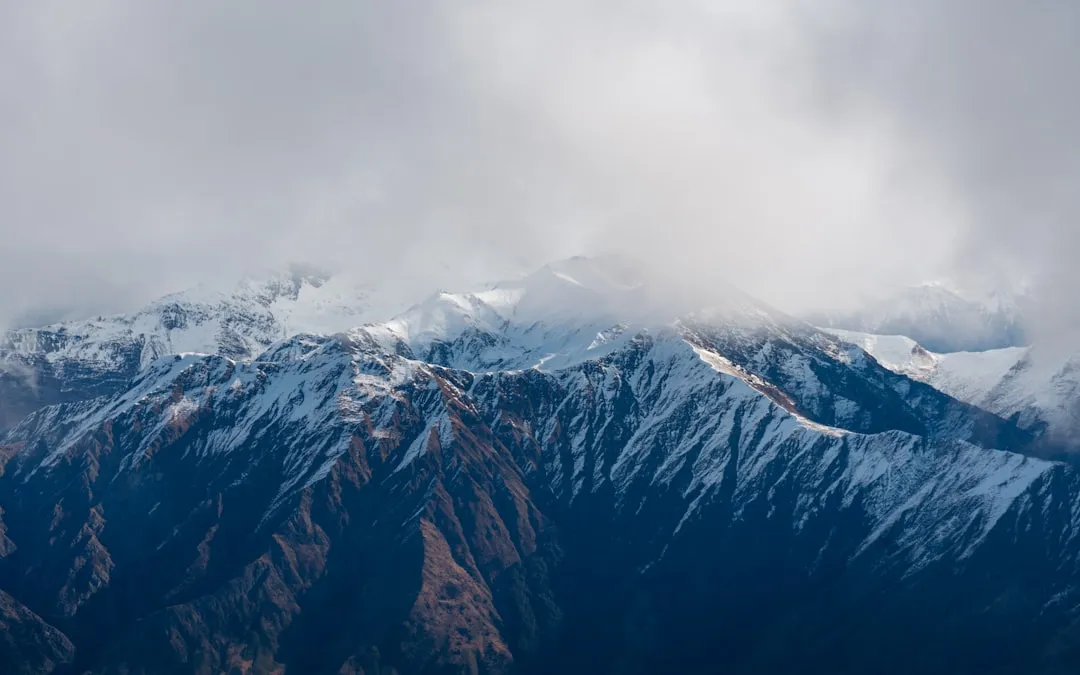
Ben Lomond Track - Queenstown's Majestic Summit
The Ben Lomond Track is Queenstown's premier day walk, offering a challenging yet immensely rewarding ascent to the summit of Ben Lomond, a prominent peak overlooking the town and its surrounding alpine landscape. This track is a true test of endurance, with a significant elevation gain that rewards hikers with unparalleled panoramic views of Lake Wakatipu, The Remarkables mountain range, and the vast wilderness of Fiordland National Park. It's a journey that starts from the bustling tourist hub of Queenstown and quickly immerses you in a rugged, alpine environment, showcasing the dramatic beauty of the Southern Alps. While accessible as a day hike, its steepness and elevation demand respect and thorough preparation, making it a popular objective for fit hikers seeking a substantial challenge and breathtaking vistas.
- Distance: 11.0 km (return from Gondola top station)
- Elevation Gain: 1438 m
- Duration: 6-8 hours (return)
- Difficulty: Challenging
- Best Time: November to April (summer and autumn)
- Closest City: Queenstown
- Trailhead Access: Queenstown Gondola (top station)
- Permits: No permit required for the track itself.
Overview
The Ben Lomond Track is a classic Queenstown experience, a steep but incredibly rewarding climb that culminates at the 1,438-metre summit of Ben Lomond. The journey begins at the top of the Skyline Queenstown Gondola, which significantly reduces the initial ascent, allowing hikers to focus on the more challenging alpine sections. From the gondola top station, the track initially follows a well-formed path through tussock-covered slopes, gradually gaining elevation. The first major landmark is the saddle between Ben Lomond and its neighbour, Ben Lomond Peak, offering a tantalising glimpse of the summit ahead.
As you continue towards the summit, the terrain becomes steeper and more rugged. The path can be rocky and exposed in places, requiring careful footing. The final push to the summit is a steep scramble, but the effort is amply repaid by the 360-degree views that unfold. On a clear day, you can see the entire expanse of Lake Wakatipu, the jagged peaks of The Remarkables, the distant snow-capped mountains of Fiordland, and the sprawling township of Queenstown nestled below. The sense of accomplishment upon reaching the summit is immense, making it a highly sought-after destination for both locals and visitors.
The track is popular year-round, but its true glory is revealed during the warmer months of November to April. During this period, the alpine meadows are often dotted with wildflowers, and the weather is generally more favourable for summit attempts. However, even in summer, Fiordland's notorious weather can change rapidly, bringing wind, rain, and even snow. Therefore, preparedness is key for any hiker venturing onto Ben Lomond.
History and Cultural Context
The Ben Lomond area, like much of the Queenstown region, holds significant cultural importance for the Ngāi Tahu Māori people. The land has been a source of sustenance and a place of spiritual connection for centuries. While specific historical accounts of Māori use of the Ben Lomond summit itself are less documented than for lower-lying areas, the broader landscape of the Wakatipu Basin was a vital part of their traditional territory, used for hunting and gathering.
The modern history of Ben Lomond is intertwined with the European settlement and exploration of the Queenstown area. Following the discovery of gold in the Arrowtown region in the 1860s, Queenstown rapidly grew as a service centre. The surrounding mountains, including Ben Lomond, were explored by early settlers and surveyors. The establishment of the Queenstown Gondola in the late 20th century made the lower slopes of Ben Lomond more accessible, and the development of the track system has allowed for a more structured and safer hiking experience.
The name "Ben Lomond" itself is a clear indication of Scottish influence, with "Ben" being the Gaelic word for mountain. This naming convention is common throughout New Zealand, reflecting the heritage of many early European settlers. The track's evolution from a rough, untamed mountainside to a well-maintained hiking route mirrors the development of Queenstown from a gold rush town to a world-renowned adventure tourism destination.
Seasonal Highlights and Weather Reality
The Ben Lomond Track is a year-round destination, but its accessibility and enjoyment are heavily influenced by the season and the notoriously unpredictable Fiordland weather.
Spring (September to November): The lower sections of the track begin to thaw, and alpine wildflowers may start to appear. Snow can still linger on the upper reaches and the summit, making the final ascent challenging or impossible without appropriate winter gear and experience. Weather is highly variable, with a mix of sunshine, rain, and potential for late snowfalls.
Summer (December to February): This is generally considered the prime season for hiking Ben Lomond. Days are longer, and temperatures are milder. The track is usually clear of snow, making the summit accessible. However, summer also brings the highest number of visitors and the potential for strong sun and heat at lower elevations. Sandflies can be prevalent, especially in damper areas. Weather can still change rapidly, with afternoon thunderstorms a possibility.
Autumn (March to May): Autumn offers crisp air, clear skies, and stunning autumnal colours in the lower beech forests. The crowds thin out, providing a more serene hiking experience. Snowfall becomes more likely as the season progresses, particularly at higher elevations. The track can become icy and treacherous, especially in May.
Winter (June to August): The Ben Lomond Track is a serious alpine undertaking in winter. The summit and upper sections are typically covered in deep snow and ice, requiring advanced mountaineering skills, ice axe, crampons, and avalanche safety knowledge. The track is often impassable for casual hikers, and the Queenstown Gondola may operate with restrictions or close due to severe weather. Only experienced winter mountaineers should attempt the summit during this period.
Weather Considerations: Fiordland is renowned for its extreme weather. Even on a clear morning in Queenstown, conditions at the summit of Ben Lomond can be vastly different. Wind, rain, fog, and snow can descend rapidly, significantly reducing visibility and creating hazardous conditions. Always check the mountain forecast before you go and be prepared to turn back if conditions deteriorate.
Recommended Itinerary
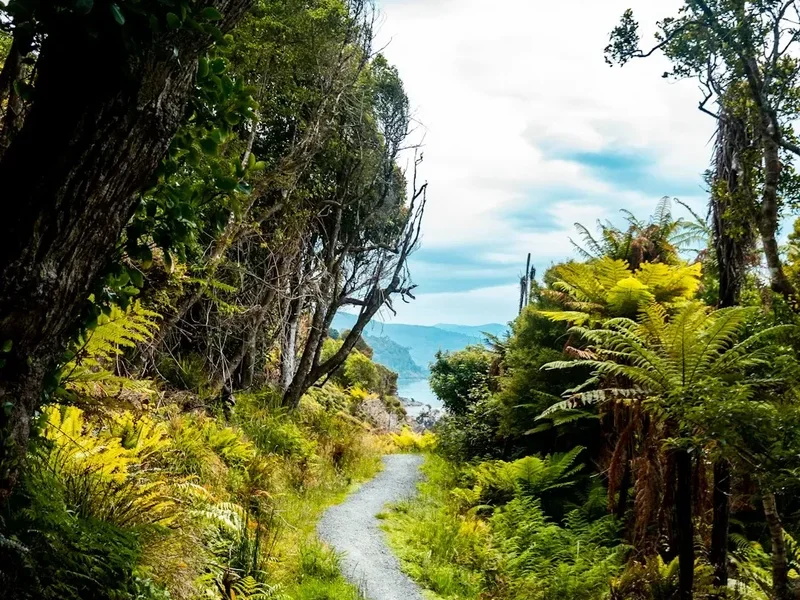
Ben Lomond Track - Day Walk Itinerary
Early Morning: Queenstown Gondola Ascent
- Start from the base of the Skyline Queenstown Gondola.
- Purchase your ticket and take the gondola up to the top station (approx. 5-minute ride).
- This bypasses the initial steep climb from Queenstown town centre, saving significant time and energy.
- Arrive at the gondola top station, which serves as the primary trailhead for the Ben Lomond Track.
Morning: Ascent to the Saddle
- Begin walking from the gondola top station.
- Follow the well-marked track heading west towards Ben Lomond.
- The initial section is a relatively gentle climb through tussock and scrubland.
- Pass through a gate and continue uphill.
- Reach the Ben Lomond Saddle (approx. 1,200 m elevation). This is a good point for a short break and to assess conditions.
- The saddle offers the first expansive views of Lake Wakatipu and the surrounding mountains.
Late Morning/Midday: Summit Push
- From the saddle, the track becomes steeper and more rugged.
- Continue ascending towards the summit of Ben Lomond (1,438 m).
- The path can be rocky and exposed in places, requiring careful footing.
- The final section to the summit is a steep scramble over scree and rocks.
- Allow ample time for this section, especially if conditions are challenging.
Midday: Summit Experience
- Reach the summit of Ben Lomond.
- Spend time enjoying the breathtaking 360-degree panoramic views.
- Identify landmarks such as Lake Wakatipu, The Remarkables, Cecil Peak, Walter Peak, and the distant Fiordland ranges.
- Take photographs and have your packed lunch.
- Be mindful of the weather; it can change rapidly at the summit.
Afternoon: Descent and Return
- Begin your descent from the summit.
- Retrace your steps back down the steep, rocky path towards the saddle.
- Continue descending from the saddle back towards the gondola top station.
- Take care on the descent, as it can be hard on the knees.
- Once back at the gondola top station, you can either take the gondola back down to Queenstown or, if time and energy permit, walk down the steeper Queenstown Hill track.
Important Notes:
- This is a challenging day hike with significant elevation gain.
- Start early to allow ample time and avoid afternoon weather changes.
- Carry sufficient water and food, as there are no facilities on the track.
- Wear sturdy, broken-in hiking boots.
- Be prepared for all weather conditions, even on a clear day.
- Check the mountain forecast before you depart.
- The track is well-marked but can be steep and exposed in sections.
Planning and Bookings
Book Your Trip
Everything you need to plan your journey
Accommodation
Find places to stay near Queenstown
Flights
Search flights to Queenstown
Essential Preparation
The Ben Lomond Track is a demanding day hike that requires careful planning. While no specific bookings are required for the track itself, the primary access point is via the Skyline Queenstown Gondola, which does require a ticket. It is advisable to purchase gondola tickets in advance, especially during peak tourist season, to avoid queues and secure your preferred time slot. Queenstown is the logistical hub for this hike, offering a wide range of accommodation options from budget hostels to luxury hotels, as well as numerous outdoor gear shops for last-minute purchases or rentals. It's crucial to assess your fitness level realistically; this is not a casual stroll. The significant elevation gain means a good level of cardiovascular fitness and leg strength is essential. Allow a full day for the hike, including travel to and from the gondola, the hike itself, and time for breaks and enjoying the summit views.
Trail Accommodation
This is a day hike requiring no overnight accommodation. The Ben Lomond Track is designed to be completed within a single day, starting and finishing from the Queenstown area. Hikers typically use the accommodation available in Queenstown before and after their hike.
Required Gear
- Sturdy Hiking Boots: Waterproof and with good ankle support are essential due to the steep, rocky, and potentially slippery terrain. Ensure they are well broken-in to prevent blisters.
- Waterproof Jacket and Trousers: Fiordland weather is notoriously changeable. A reliable waterproof and windproof outer layer is non-negotiable, even on a sunny day.
- Warm Layers: Including a fleece or down jacket, and thermal base layers. Temperatures can drop significantly at higher altitudes, and wind chill can make it feel much colder.
- Hat and Gloves: Essential for warmth and protection from the elements, especially at the summit.
- Sun Protection: High SPF sunscreen, sunglasses, and a wide-brimmed hat are crucial, as the sun's rays are intensified at higher altitudes, even on cloudy days.
- Navigation: While the track is generally well-marked, a map and compass or a GPS device with an offline map of the area is recommended, especially in case of poor visibility. A charged mobile phone is also advisable.
- First-Aid Kit: Including blister treatment, pain relievers, antiseptic wipes, bandages, and any personal medications.
- Head Torch: With spare batteries, in case your hike takes longer than expected and you are descending in the dark.
What to Bring
- Sufficient Water: Carry at least 2-3 litres of water per person. There are no water sources on the upper track, and any water found should be treated.
- High-Energy Food: Pack plenty of snacks and a substantial lunch. Options include sandwiches, trail mix, energy bars, fruit, and nuts.
- Sandfly Repellent: Especially during warmer months, sandflies can be a nuisance. A strong repellent with DEET is recommended.
- Insect Head Net: Optional but highly recommended for comfort during breaks, especially in summer.
- Trekking Poles: Highly recommended for assisting with balance and reducing strain on knees during the steep ascent and descent.
- Camera: To capture the spectacular views.
- Small Backpack: To carry all your gear comfortably.
- Emergency Shelter: A lightweight emergency blanket or bivvy bag can be a lifesaver in unexpected situations.
Permits
No specific permits are required to walk the Ben Lomond Track itself. The track is part of the public conservation estate managed by the Department of Conservation (DOC). However, access to the trailhead at the top of the Queenstown Gondola requires a gondola ticket. It is highly recommended to purchase your gondola tickets in advance, especially during the busy summer months and school holidays, to ensure availability and potentially save time queuing.
Gondola Ticket Information:
- Tickets can be purchased online via the Skyline Queenstown website or at the ticket office at the gondola base.
- Prices vary depending on age group (adult, child, senior) and package deals.
- The gondola operates year-round, with extended hours during peak seasons.
- Check the Skyline Queenstown website for current pricing and operating hours.
Conservation Fees: While there are no specific track fees, visitors are encouraged to practice Leave No Trace principles and consider making a donation to local conservation efforts if they wish to support the ongoing maintenance and protection of the area.
Other Activities in the Area
Queenstown is the adventure capital of New Zealand, offering a plethora of activities to complement your Ben Lomond hike:
- Skyline Queenstown: Beyond the gondola ride, the summit complex offers luge rides, scenic dining at the Stratosfare Restaurant, and stunning viewpoints.
- Queenstown Hill Time Walk: A shorter, less strenuous walk from Queenstown town centre that also offers excellent views of the lake and mountains.
- Lake Wakatipu Cruises: Take a scenic cruise on the historic TSS Earnslaw steamship or a thrilling jet boat ride on the lake.
- Bungy Jumping and Canyon Swings: Queenstown is the birthplace of commercial bungy jumping and offers numerous adrenaline-pumping activities.
- Hiking and Mountain Biking: Explore other trails in the region, such as the Bob's Cove Track, Moke Lake Loop, or the extensive network of trails around Coronet Peak.
- Wine Tasting: The Gibbston Valley, a short drive from Queenstown, is renowned for its Pinot Noir and offers numerous wineries for tours and tastings.
- White Water Rafting: Experience the thrill of rafting on the Shotover or Kawarau Rivers.
- Fiordland National Park Day Trips: While Ben Lomond offers a taste of Fiordland's grandeur, consider a day trip to Milford Sound or Doubtful Sound for a more immersive fiord experience.
Safety and Conditions
Weather: The most significant safety consideration on the Ben Lomond Track is the unpredictable weather. Conditions can change rapidly from clear and sunny to windy, rainy, or even snowy within a short period. Always check the MetService mountain forecast for the Queenstown area before you set out. Be prepared for wind, rain, and cold temperatures, even in summer. If the weather deteriorates significantly, do not hesitate to turn back.
Track Conditions: The track is generally well-maintained, but the upper sections can be steep, rocky, and exposed. Loose scree and rocks can make the descent challenging. In winter or after heavy rain, ice and snow can make the track treacherous, requiring specialised equipment and experience.
Fitness: This is a challenging hike with a substantial elevation gain. Ensure you are physically fit and have adequate stamina. If you are unsure about your fitness, consider walking to the saddle first and assessing how you feel before continuing to the summit.
Navigation: While the track is well-marked, visibility can be severely reduced in fog or cloud. Carry a map and compass or a GPS device, and know how to use them. A charged mobile phone is essential for emergencies, but reception can be patchy.
Water and Food: Carry more water than you think you will need, as dehydration can lead to fatigue and poor decision-making. Pack high-energy food to maintain your energy levels throughout the hike.
Sandflies: During warmer months, sandflies can be a significant nuisance. Use a strong insect repellent and consider wearing long sleeves and trousers, especially during breaks.
Emergency Contact: Inform someone of your hiking plans, including your intended route and expected return time. In case of an emergency, dial 111 for police, fire, or ambulance services. For mountain rescue, provide as much detail as possible about your location.
Personal Locator Beacon (PLB): For added safety, consider carrying a PLB, especially if hiking alone or in adverse weather conditions.
Side Trips and Points of Interest
Ben Lomond Peak (1,748 m): For experienced and well-equipped hikers, the true summit of Ben Lomond Peak offers an even more challenging extension. This requires advanced navigation skills, mountaineering experience, and appropriate gear, as the route is unmarked, steep, and involves significant scrambling and potential snow/ice crossings. It is not recommended for casual day hikers.
The Saddle: The point between the gondola top station and the summit, the saddle offers a fantastic viewpoint and a natural resting spot. It's a good turnaround point for those who don't wish to tackle the full summit climb but still want to experience significant elevation gain and impressive views.
Panoramic Views: The entire track, from the saddle upwards, is a point of interest for its constantly evolving and spectacular vistas. Each step higher reveals new perspectives of Lake Wakatipu, the surrounding mountain ranges, and the vastness of the Fiordland landscape. The summit itself provides an unparalleled 360-degree panorama.
Flora and Fauna: Keep an eye out for native alpine plants, including various tussock species and, in spring and summer, alpine wildflowers. Birdlife may include the native New Zealand falcon (kārearea) or various smaller passerine birds.
Leave No Trace
The Ben Lomond Track traverses a beautiful and ecologically sensitive alpine environment. Adhering to Leave No Trace principles is crucial to preserving its natural state for future visitors and for the health of the ecosystem.
- Plan Ahead and Prepare: Understand the track's difficulty, check weather forecasts, and pack appropriate gear. Inform someone of your plans.
- Travel and Camp on Durable Surfaces: Stick to the marked track at all times. Avoid walking on fragile alpine vegetation, which can take years to recover from damage.
- Dispose of Waste Properly: Pack out everything you pack in, including all food scraps, wrappers, and any other litter. Use designated toilet facilities where available (though none exist on this track; plan accordingly).
- Leave What You Find: Do not remove any natural objects, such as rocks, plants, or flowers. Take only photographs and memories.
- Minimise Campfire Impacts: Campfires are not permitted on this track.
- Respect Wildlife: Observe wildlife from a distance and never feed them. Feeding native birds can harm their health and alter their natural behaviour.
- Be Considerate of Other Visitors: Keep noise levels down, yield to uphill hikers, and be courteous to fellow walkers.
By following these principles, you help ensure that the Ben Lomond Track remains a pristine and enjoyable experience for everyone.
 New Zealand