
Belougery Split Rock Circuit
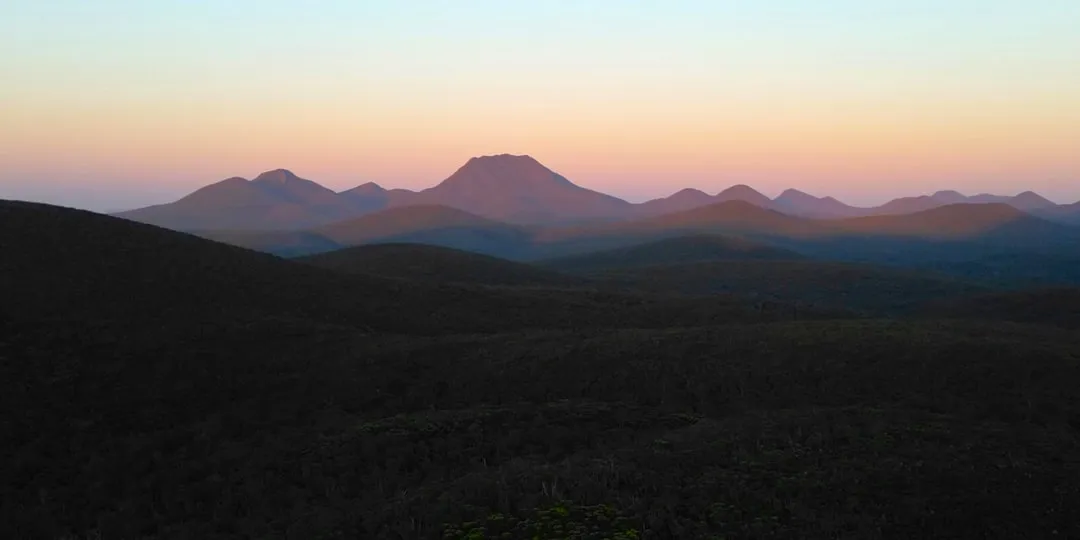
The Belougery Split Rock Circuit is a captivating day walk located within the dramatic landscapes of the Warrumbungle National Park in New South Wales, Australia. This moderate-difficulty trail offers a rewarding experience for hikers seeking stunning geological formations, panoramic vistas, and a glimpse into the unique flora of the region. The circuit culminates at the iconic Belougery Split Rock, a prominent monolith that stands as a testament to the volcanic past of the park. With its well-defined path and manageable distance, it's an ideal choice for those looking to immerse themselves in the rugged beauty of the Warrumbungles.
- Distance: 12.5 km
- Elevation Gain: 450 m
- Duration: 4-5 hours
- Difficulty: Moderate
- Best Time: Autumn and Spring
- Closest City: Mudgee
- Trailhead Access: Sealed road access from Mudgee. Parking available.
- Permits: No permits required for day use.
Overview
The Belougery Split Rock Circuit is a circular route that winds its way through the heart of the Warrumbungle National Park, a landscape sculpted by ancient volcanic activity. The trail begins with a relatively gentle ascent, gradually increasing in gradient as it approaches the base of Belougery Split Rock. Hikers will traverse a diverse range of terrain, from open woodlands dotted with native shrubs and wildflowers to more exposed rocky sections offering increasingly impressive views.
The defining feature of this walk is, of course, Belougery Split Rock itself. This towering volcanic plug, split by millennia of weathering, presents a striking visual spectacle. The circuit provides opportunities to circumnavigate its base and offers vantage points that showcase its sheer scale and unique geological character. As you ascend, the surrounding landscape unfolds, revealing the rugged peaks and deep valleys that characterise the Warrumbungle Range. The views from higher elevations are particularly rewarding, extending across the park and out to the surrounding plains.
The trail is well-maintained for the most part, though some sections can be steep and rocky, requiring careful footing. The moderate difficulty rating reflects the sustained elevation gain and the uneven terrain encountered, particularly on the approach to the rock formation. The duration of 4-5 hours allows ample time to complete the circuit at a comfortable pace, with opportunities to pause, take photographs, and appreciate the natural beauty of the park.
History and Cultural Context
The Warrumbungle region holds deep cultural significance for the Aboriginal peoples, particularly the Gamilaroi and Wiradjuri nations, who have inhabited this land for thousands of years. The volcanic formations and unique landscapes of the park were integral to their traditional way of life, providing resources, shelter, and spiritual connection. The prominent rock formations, including Belougery Split Rock, often feature in Dreamtime stories and hold considerable cultural importance.
The geological history of the Warrumbungle National Park is dominated by its volcanic origins. Approximately 13 to 17 million years ago, this area was a centre of intense volcanic activity. Lava flows and eruptions built up a complex volcanic shield, which has since been eroded by wind, water, and time to reveal the dramatic landforms seen today. Belougery Split Rock is a remnant of this ancient volcanic past, a plug of harder rock that has resisted erosion more effectively than the surrounding material.
European settlement in the region began in the mid-19th century, with pastoralism becoming a dominant land use. The unique natural beauty of the Warrumbungles eventually led to its protection, with the establishment of the National Park in 1953. Conservation efforts have since focused on preserving the park's geological heritage, unique flora and fauna, and its cultural significance.
Seasonal Highlights and Weather Reality
The Warrumbungle National Park experiences a temperate climate with hot summers and mild winters. The best times to undertake the Belougery Split Rock Circuit are during the shoulder seasons of autumn and spring.
Autumn (March to May): This period offers pleasant temperatures, typically ranging from 15°C to 25°C. The skies are often clear, and the landscape takes on a golden hue as native grasses mature. The reduced heat makes for more comfortable hiking conditions, and the risk of bushfires is generally lower than in summer.
Spring (September to November): Spring brings a burst of life to the park. Wildflowers bloom in abundance, adding vibrant colours to the landscape. Temperatures are mild, usually between 20°C and 30°C, making it an excellent time for hiking. However, spring can also bring occasional thunderstorms, so it's wise to be prepared for variable weather.
Summer (December to February): Summers in the Warrumbungles can be very hot, with temperatures frequently exceeding 35°C and sometimes reaching over 40°C. While the longer daylight hours are an advantage, hiking during the hottest parts of the day is strongly discouraged due to the risk of heatstroke and dehydration. If hiking in summer, start very early in the morning and carry ample water.
Winter (June to August): Winters are generally mild, with daytime temperatures averaging between 10°C and 20°C. Frosts are common in the mornings, and temperatures can drop below freezing overnight. While the cooler temperatures are pleasant for hiking, the shorter daylight hours mean you'll need to plan your walk accordingly. The landscape can appear stark but beautiful in winter, with a crispness in the air.
Regardless of the season, always check the weather forecast before you go. The park can experience sudden changes in weather, including strong winds and dust storms.
Recommended Itinerary
Belougery Split Rock Circuit - Day Walk Itinerary
Early Morning (Approx. 8:00 AM): Arrival and Trailhead Start
- Arrive at the Warrumbungle National Park visitor centre or directly at the Belougery Split Rock Circuit trailhead.
- Ensure you have ample water, snacks, and your essential gear.
- Begin the circuit from the designated trailhead, marked by signage.
- The initial section of the walk is generally through open woodland, offering a gentle introduction to the park's environment.
Morning (Approx. 8:30 AM - 11:00 AM): Ascent and Changing Landscapes
- The trail begins to gain elevation steadily.
- You will notice the vegetation changing as you climb, with more hardy shrubs and grasses becoming prevalent.
- Keep an eye out for native wildlife such as kangaroos, wallabies, and various bird species.
- The path may become rockier and steeper in sections, requiring more careful footing.
- Look for opportunities to pause and take in the emerging views of the surrounding park.
Midday (Approx. 11:00 AM - 1:00 PM): Reaching Belougery Split Rock
- The trail leads you towards the base of Belougery Split Rock.
- Spend time exploring the immediate vicinity of the rock formation. Observe its immense size, the deep fissure that gives it its name, and the textures of the ancient volcanic rock.
- This is an excellent spot for a break, a snack, and photography.
- The views from this point are expansive, offering panoramic vistas across the park's unique topography.
Afternoon (Approx. 1:00 PM - 3:00 PM): Descent and Return
- Continue on the circuit, which will lead you around the rock formation and begin your descent.
- The descent path may offer different perspectives of the landscape you ascended.
- Pay attention to your footing, especially on steeper or looser sections.
- The final part of the walk will take you back through woodlands towards the trailhead.
- Arrive back at the trailhead, completing the 12.5 km circuit.
Important Notes:
- This is a day walk; no overnight accommodation is required.
- Carry sufficient water (at least 2-3 litres per person) as there are no water sources along the track.
- Wear sturdy, closed-toe walking shoes or hiking boots.
- Sun protection (hat, sunscreen, sunglasses) is essential, even on cloudy days.
- Be aware of the weather conditions and start your walk early, especially during warmer months.
- Mobile phone reception can be unreliable within the park.
Planning and Bookings
Book Your Trip
Everything you need to plan your journey
Accommodation
Find places to stay near Mudgee
Flights
Search flights to Mudgee
Essential Preparation
The Belougery Split Rock Circuit is a day walk, meaning no overnight bookings are required. However, essential preparation is still crucial for a safe and enjoyable experience. The closest major town with comprehensive services is Mudgee, located approximately 1.5 hours' drive from the Warrumbungle National Park. Mudgee offers a range of accommodation options, supermarkets for stocking up on supplies, and outdoor gear stores.
Access to the park is via sealed roads, making it relatively easy to reach. The trailhead for the Belougery Split Rock Circuit is well-marked and typically has dedicated parking facilities. It is advisable to check the NSW National Parks and Wildlife Service (NPWS) website for any alerts or temporary closures before your visit, particularly after periods of heavy rain or during fire bans.
Given that this is a day walk, the primary logistical consideration is ensuring you have adequate supplies, particularly water, as there are no water sources available along the trail itself. Planning your departure from Mudgee or your accommodation base to arrive at the park entrance with sufficient daylight hours is also important.
Trail Accommodation
This is a day hike requiring no overnight accommodation.
Required Gear
- Sturdy walking shoes or hiking boots: Essential for navigating uneven and rocky terrain. Ensure they are well broken-in to prevent blisters.
- Backpack: A comfortable daypack (20-30 litres) to carry your essentials.
- Sun protection: Wide-brimmed hat, sunglasses, and high SPF sunscreen are vital due to the exposed nature of parts of the trail and the Australian sun.
- Navigation: While the track is generally well-marked, a map of the park and a compass or GPS device are recommended, especially if you plan to explore any side routes or if visibility is poor. A charged mobile phone is useful for emergencies, though reception can be patchy.
- First-aid kit: A basic kit including bandages, antiseptic wipes, pain relievers, blister treatment, and any personal medications.
- Insect repellent: Particularly useful during warmer months to ward off flies and other biting insects.
- Head torch: Even for a day walk, it's prudent to carry a head torch with spare batteries in case of unexpected delays or if you start earlier or finish later than planned.
What to Bring
- Water: This is the most critical item. Carry at least 2-3 litres of water per person. There are no reliable water sources along the Belougery Split Rock Circuit.
- Food: Pack plenty of high-energy snacks and a packed lunch. Options include sandwiches, fruit, nuts, energy bars, and trail mix.
- Clothing: Wear comfortable, moisture-wicking clothing. Layers are recommended, as temperatures can change throughout the day. A light waterproof jacket is advisable, as weather can be unpredictable.
- Toiletries: Hand sanitiser, tissues, and any personal hygiene items. Pack out all rubbish.
- Camera: To capture the stunning scenery and unique rock formations.
- Binoculars (optional): For spotting wildlife and appreciating distant views.
Permits
No specific permits are required for day use of the Belougery Split Rock Circuit or for general entry into Warrumbungle National Park. Access is typically managed through park entry fees, which are usually paid at the park entrance or via an online system managed by NSW National Parks and Wildlife Service (NPWS). It is always advisable to check the official NPWS website for Warrumbungle National Park for the most up-to-date information regarding entry fees, any potential booking requirements for day use areas, and current park conditions or alerts.
While no permits are needed for this specific circuit, it's good practice to be aware of any regulations within the national park, such as fire restrictions, camping rules (if applicable to other areas), and guidelines for interacting with wildlife. These are usually clearly displayed at park entrances and visitor centres.
Other Activities in the Area
Warrumbungle National Park offers a wealth of activities beyond the Belougery Split Rock Circuit, catering to a range of interests:
- Other Hiking Trails: Explore other marked trails within the park, such as the Mount Exmouth Summit walk (challenging, rewarding views), the Breadknife and Grand High Tops walk (iconic formations), or the less strenuous Dows Well walk.
- Stargazing: The Warrumbungles are renowned for their exceptionally dark skies, making them an ideal location for stargazing. The park is home to Siding Spring Observatory, Australia's premier optical astronomy facility, and offers excellent opportunities for amateur astronomers.
- Photography: The unique geological formations, diverse flora, and expansive vistas provide endless opportunities for photographers. Sunrise and sunset often cast dramatic light and shadows across the landscape.
- Wildlife Spotting: The park is home to a variety of native Australian fauna, including kangaroos, wallabies, koalas, echidnas, and numerous bird species. Early mornings and late afternoons are often the best times for sightings.
- Picnicking: Several designated picnic areas are scattered throughout the park, offering scenic spots to relax and enjoy a meal amidst nature.
- Camping: For those wishing to extend their stay, the park offers several campgrounds, providing a chance to experience the Warrumbungles more fully, especially for stargazing.
Safety and Conditions
Weather Preparedness: The Warrumbungle National Park can experience extreme weather conditions. Summers are very hot, with temperatures often exceeding 40°C. Winters are mild but can be cold, with frost and occasional freezing temperatures. Always check the weather forecast before your visit and be prepared for rapid changes. Carry adequate water, sun protection, and appropriate clothing layers.
Trail Conditions: The Belougery Split Rock Circuit is a moderate-difficulty walk. While generally well-maintained, some sections are steep and rocky, requiring careful footing. Wear sturdy hiking boots. Be aware of loose rocks and uneven surfaces, especially on descents.
Water Availability: There are no reliable water sources along the Belougery Split Rock Circuit. You must carry all the water you need for the duration of your walk. A minimum of 2-3 litres per person is strongly recommended, especially during warmer months.
Wildlife: The park is home to various native animals, including kangaroos, wallabies, and snakes. Maintain a safe distance from all wildlife. Be aware of your surroundings, especially when walking through tall grass or near rock crevices where snakes may be present. Never feed native animals.
Bushfire Risk: The Warrumbungle region is prone to bushfires, particularly during hot, dry periods. Always check for fire bans and park alerts before visiting. If a fire is detected, follow park ranger instructions and evacuation procedures immediately.
Communication: Mobile phone reception can be unreliable within the national park. Inform someone of your hiking plans, including your intended route and expected return time. Consider carrying a personal locator beacon (PLB) for emergencies, especially if venturing onto less-travelled tracks.
First Aid: Carry a well-stocked first-aid kit and know how to use it. Be prepared to administer basic first aid for common hiking injuries such as blisters, sprains, and cuts.
Side Trips and Points of Interest
While the Belougery Split Rock Circuit is a substantial walk in itself, several other points of interest and potential side trips are within easy reach or accessible from the main park road:
The Breadknife and Grand High Tops: This is arguably the most iconic walk in the Warrumbungles. It features the dramatic volcanic dyke known as The Breadknife and leads to the Grand High Tops, offering spectacular panoramic views. While a longer and more challenging walk than the Belougery Split Rock Circuit, it is highly recommended for those with more time and energy. The circuit typically takes 3-4 hours and involves significant elevation gain.
Mount Exmouth Summit: The highest peak in the Warrumbungles, Mount Exmouth offers a challenging but incredibly rewarding climb. The summit provides 360-degree views across the entire park and the surrounding plains. This walk is considerably more strenuous than the Belougery Split Rock Circuit, requiring good fitness and taking approximately 4-5 hours return.
Dows Well: A shorter, easier walk that leads to a historic well and offers a different perspective on the park's landscape. It's a good option for a less strenuous outing or for families.
Siding Spring Observatory: Located within the park, this is Australia's premier optical astronomy facility. While not a hiking side trip, it's a significant point of interest. Visitors can tour the facility (check opening times and tour availability) and learn about astronomical research. The dark skies here are exceptional for stargazing.
Visitor Centre: The park's visitor centre provides valuable information about the park's geology, flora, fauna, and cultural history. It's a good place to start your visit, pick up maps, and get advice from rangers.
Leave No Trace
The Warrumbungle National Park is a precious natural environment, and it is essential that all visitors practice Leave No Trace principles to minimise their impact and preserve its beauty for future generations. The Belougery Split Rock Circuit, like all trails in the park, is subject to these principles.
Plan Ahead and Prepare: Research the trail, understand its conditions, and be prepared for the weather. Carry sufficient water and food, and pack out everything you pack in.
Travel and Camp on Durable Surfaces: Stick to the marked trails. Avoid walking on vegetation, especially fragile native plants and grasses, which can take a long time to recover. The Belougery Split Rock Circuit is a defined path; stay on it.
Dispose of Waste Properly: Pack out all rubbish, including food scraps, wrappers, and any other waste. Use the provided bins at designated areas or take your rubbish home with you. Do not bury or burn waste.
Leave What You Find: Do not remove any natural objects, such as rocks, plants, or flowers. Take only photographs and memories.
Minimise Campfire Impacts: Campfires are generally not permitted on day walks. If camping in designated areas, use existing fire rings and ensure fires are completely extinguished before leaving.
Respect Wildlife: Observe wildlife from a distance. Never feed animals, as this can disrupt their natural behaviours and diets, and can be harmful to their health. Secure your food to prevent attracting animals.
Be Considerate of Other Visitors: Keep noise levels down, especially during early mornings and evenings. Yield to other walkers on narrow sections of the trail. Respect the natural quiet of the park.
By adhering to these principles, you help ensure that the Warrumbungle National Park remains a pristine and enjoyable destination for everyone.
 Australia