
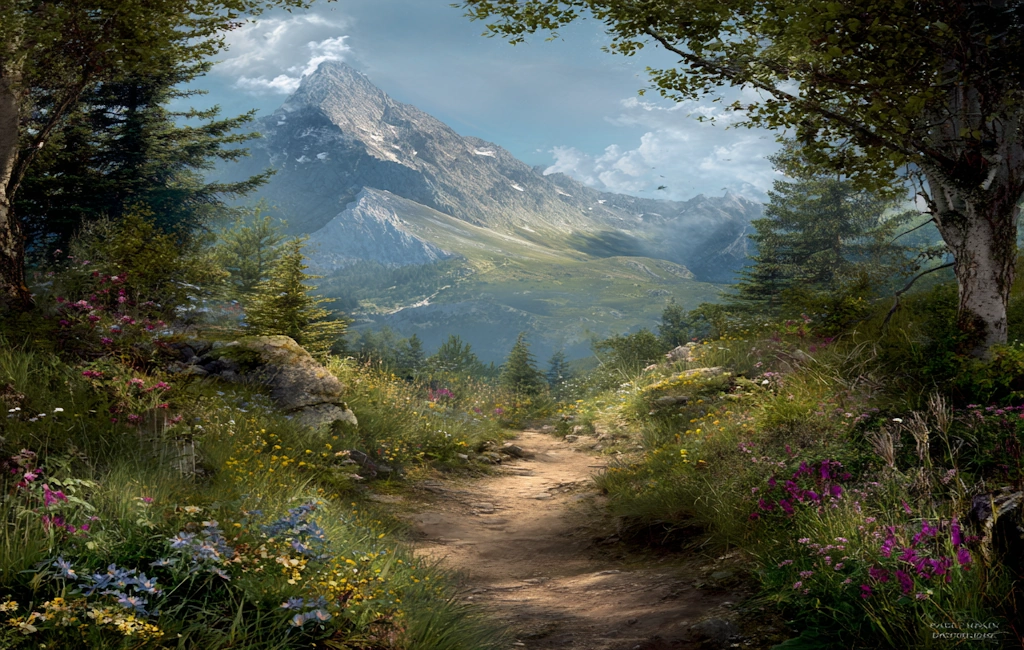
Beas Kund Trek - The Gateway to the Beas River
The Beas Kund Trek is a captivating mountain journey in the Indian Himalayas, offering a moderate challenge and spectacular alpine scenery. This trek leads to the pristine Beas Kund, the sacred source of the Beas River, nestled amidst towering snow-capped peaks. It's a popular choice for trekkers seeking a taste of Himalayan wilderness without extreme difficulty, providing a rewarding experience with its lush meadows, gurgling streams, and panoramic mountain vistas. The trek is accessible from Manali, a well-known hill station, making logistics relatively straightforward.
- Distance: 47.0 km (round trip)
- Duration: 4 days / 3 nights
- Season: May to October
- Difficulty: Moderate
- Base Town: Manali
- Highest Point: Beas Kund (approx. 3,700 m)
- Trailhead: Solang Valley
- Permits: May be required; check local regulations in Manali
Overview
The Beas Kund Trek is a quintessential Himalayan experience, renowned for its accessibility and stunning natural beauty. Starting from the popular tourist hub of Manali, the trek quickly immerses you in the serene embrace of the mountains. The trail winds through verdant valleys, past charming shepherd encampments, and across babbling brooks, gradually ascending towards the source of the mighty Beas River. The journey is punctuated by breathtaking views of surrounding peaks such as Hanuman Tibba, Friendship Peak, and the Seven Sisters.
The trek's moderate difficulty makes it suitable for beginners and experienced trekkers alike, provided they have a reasonable level of fitness. The path is well-defined for most sections, though some parts can be rocky and steep, especially as you approach Beas Kund. The landscape transforms from dense pine forests to open alpine meadows, offering a diverse visual feast. The highlight, Beas Kund itself, is a glacial lake of remarkable clarity, considered sacred by Hindus. The atmosphere around the lake is one of profound peace and spiritual significance, amplified by the majestic mountain amphitheatre it resides within.
The trek typically spans four days, allowing ample time to acclimatise, enjoy the scenery, and reach the destination comfortably. Each day presents new vistas and experiences, from the bustling energy of Solang Valley to the tranquil solitude of the higher reaches. The Beas Kund Trek is not just a physical journey but also a cultural immersion, offering glimpses into the lives of local shepherds and the spiritual importance of the mountains.
History and Cultural Context
The Beas River, known in ancient Sanskrit as Vipasha, holds significant religious and historical importance in Hindu mythology. Legend states that the sage Vyasa meditated here, and the river is named after him. The Beas Kund, as its source, is therefore considered a sacred site. For centuries, this region has been a pilgrimage route for those seeking spiritual solace and connection with the divine. The local communities, primarily shepherds and villagers, have long revered these mountains and the river that sustains them.
Historically, the routes through these valleys were used by local communities for trade and seasonal migration with their livestock. The trails, though not as extensively documented as some other Himalayan routes, have been trodden by generations of shepherds and pilgrims. The discovery and popularisation of the Beas Kund Trek for modern trekking are relatively recent, gaining traction in the latter half of the 20th century as adventure tourism began to flourish in the Indian Himalayas.
The presence of ancient shepherd encampments and the spiritual significance of Beas Kund add a layer of cultural depth to the trek. Trekkers often encounter nomadic shepherds with their flocks of sheep and goats, offering a unique opportunity to interact with the local way of life. The mountains themselves are often personified and worshipped, with local deities believed to reside in the peaks and valleys. This blend of natural grandeur and spiritual heritage makes the Beas Kund Trek a truly enriching experience.
Seasonal Highlights and Weather Reality
The Beas Kund Trek is best undertaken during the warmer months when the snow has receded from the higher passes and meadows are in full bloom. The trekking season generally runs from May to October.
Spring (May - June): This period marks the beginning of the trekking season. The snow starts melting, revealing lush green meadows dotted with wildflowers. The weather is generally pleasant, with clear skies and moderate temperatures during the day. However, evenings can still be chilly, and there's a possibility of occasional rain showers. The Beas River is usually at its fullest due to snowmelt.
Summer (July - August): These are the monsoon months in the Himalayas. While the lower altitudes might experience heavy rainfall, the higher reaches, including Beas Kund, often remain relatively dry or experience intermittent showers. The landscape is at its most vibrant, with everything appearing fresh and green. The Beas River is powerful and majestic. Despite the monsoon, this is a popular time for trekkers due to the lush scenery.
Autumn (September - October): This is arguably the best time to trek to Beas Kund. The monsoon has subsided, leaving behind clear skies and excellent visibility. The air is crisp, and the temperatures are cool and comfortable. The autumn foliage adds a golden hue to the landscape, making for stunning photographic opportunities. The risk of snow on the higher passes is minimal during this period.
Winter (November - April): The region experiences heavy snowfall during winter, making the trek inaccessible and dangerous. The trails are covered in deep snow, and temperatures plummet, making it unsuitable for trekking. Only experienced mountaineers with specialised winter gear and knowledge would consider attempting this trek during this period, and it is generally not recommended for recreational trekkers.
Recommended Itinerary
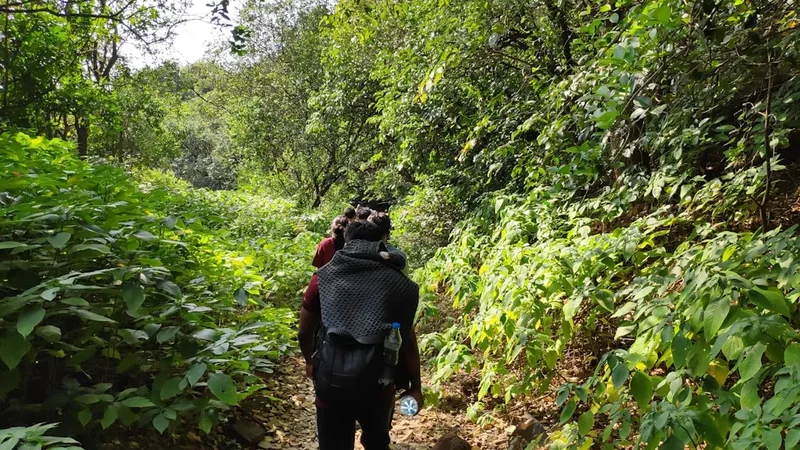
4-Day Beas Kund Trek Itinerary
Day 1: Arrival in Manali and Drive to Solang Valley, Trek to Dhundi
- Distance: 8 km
- Elevation gain: Approx. 500 m
- Time: 4–5 hours
- Arrive in Manali, the base town for the trek.
- After breakfast, drive to Solang Valley (approx. 14 km, 30-45 minutes).
- Begin the trek from Solang Valley towards Dhundi.
- The trail passes through pine forests and open meadows.
- You will cross the Beas River via a bridge.
- Camp at Dhundi, a beautiful meadow with views of Hanuman Tibba.
Day 2: Trek from Dhundi to Beas Kund Base Camp (Bakarthach)
- Distance: 6 km
- Elevation gain: Approx. 600 m
- Time: 3–4 hours
- Today's trek is a gradual ascent through alpine meadows.
- The landscape opens up, offering stunning views of the surrounding peaks.
- You will reach Bakarthach, also known as Beas Kund Base Camp, a popular camping spot for shepherds.
- Set up camp and enjoy the panoramic views of Hanuman Tibba and Friendship Peak.
- Acclimatise to the increasing altitude.
Day 3: Trek to Beas Kund and Return to Bakarthach
- Distance: 4 km (round trip to Beas Kund)
- Elevation gain: Approx. 600 m (to Beas Kund)
- Time: 4–5 hours (total for the day)
- Embark on an early morning trek to Beas Kund.
- The trail becomes steeper and rockier as you approach the lake.
- Reach Beas Kund (approx. 3,700 m), the source of the Beas River.
- Spend time admiring the serene glacial lake and the surrounding majestic peaks.
- Take photographs and soak in the spiritual ambiance.
- Descend back to Bakarthach for the night.
Day 4: Trek from Bakarthach to Solang Valley and Departure
- Distance: 14 km
- Elevation loss: Approx. 1100 m
- Time: 5–6 hours
- After breakfast, begin the descent back to Solang Valley.
- The trek down is quicker and offers different perspectives of the landscape.
- Reach Solang Valley, where your vehicle will be waiting.
- Drive back to Manali.
- Depart from Manali or spend an extra day exploring the town.
Important Notes:
- This itinerary is a suggestion and can be modified based on your fitness and acclimatisation.
- Carry sufficient water or a water filter/purification tablets.
- Pack layers of clothing as temperatures can fluctuate significantly.
- Inform local authorities or your trekking agency about your itinerary.
Planning and Bookings
Book Your Trip
Everything you need to plan your journey
Accommodation
Find places to stay near Manali
Flights
Search flights to Manali
Essential Preparation
The Beas Kund Trek is a moderate-level trek, but proper preparation is crucial for a safe and enjoyable experience. Begin by assessing your physical fitness. Regular cardiovascular exercises, including hiking with a backpack, running, and swimming, for at least 4-6 weeks prior to the trek will be beneficial. Focus on building stamina and leg strength.
Logistics involve reaching Manali, which is well-connected by road and air (via Bhuntar Airport). From Manali, you will need to arrange transport to the trailhead at Solang Valley. It is advisable to book accommodation in Manali in advance, especially during peak tourist seasons. Consider hiring a local guide and porters, particularly if you are new to trekking in the Himalayas. They can assist with navigation, carrying gear, and provide valuable insights into the local culture and environment. Ensure you have all necessary permits, though for Beas Kund, these are generally minimal for Indian nationals, but it's wise to check with local authorities in Manali.
Trail Accommodation
This is a camping trek, meaning there are no permanent structures or lodges along the route. Accommodation is provided through tents pitched at designated campsites.
Campsites:
- Dhundi: A popular camping spot in a scenic meadow, often used as a first-day stop. Offers relatively flat ground and good views.
- Bakarthach (Beas Kund Base Camp): The primary campsite for reaching Beas Kund. It's a spacious meadow situated at a higher altitude, providing a base for the final ascent.
Facilities Provided:
- Tent accommodation (usually 2-3 person tents)
- Sleeping bags and sleeping mats
- Camp kitchen setup for meals
- Basic toilet arrangements (e.g., pit toilets or portable toilets)
What's NOT Provided:
- No permanent structures, electricity, or running water at campsites.
- No cooked meals unless arranged with a trekking agency.
- No charging facilities for electronic devices.
Seasonal Availability: Campsites are generally available and safe to use from May to October. Outside these months, heavy snowfall makes camping impossible and dangerous.
Costs: Costs vary significantly depending on whether you are trekking independently or with a guided agency. A rough estimate for a guided trek (including tents, meals, guide, and porters) can range from ₹8,000 to ₹15,000 per person for the 4-day itinerary, excluding travel to Manali.
Required Gear
- Trekking Boots: Waterproof, sturdy, and well-broken-in trekking boots with good ankle support are essential.
- Backpack: A 45-60 litre backpack for carrying your personal gear. A rain cover for the backpack is highly recommended.
- Clothing:
- Thermal base layers (top and bottom)
- Fleece jacket or down jacket for insulation
- Waterproof and windproof outer jacket (Gore-Tex or similar)
- Waterproof and windproof trousers
- Trekking trousers (quick-drying)
- T-shirts (quick-drying, moisture-wicking)
- Warm hat (beanie) and gloves
- Sun hat or cap
- Navigation: A map of the area and a compass. GPS device or smartphone with offline maps is also useful.
- Safety Gear:
- First-aid kit (including personal medications, blister treatment, pain relievers, antiseptic wipes, bandages)
- Headlamp or torch with extra batteries
- Sunscreen (SPF 30 or higher)
- Sunglasses (UV protection)
- Whistle
- Emergency shelter (e.g., bivvy bag)
What to Bring
- Food and Water:
- High-energy snacks (nuts, dried fruits, energy bars, chocolate)
- Water bottles or hydration reservoir (minimum 2-litre capacity)
- Water purification tablets or a water filter
- Toiletries:
- Biodegradable soap and shampoo
- Toothbrush and toothpaste
- Toilet paper (carry a small bag for used paper)
- Hand sanitiser
- Moisturiser and lip balm
- Personal Items:
- Camera and extra batteries/power bank
- Personal identification and any required permits
- Small towel (quick-drying)
- Trekking poles (highly recommended for stability and reducing knee strain)
- Insect repellent (especially for lower altitudes)
- Book or journal for downtime
Permits
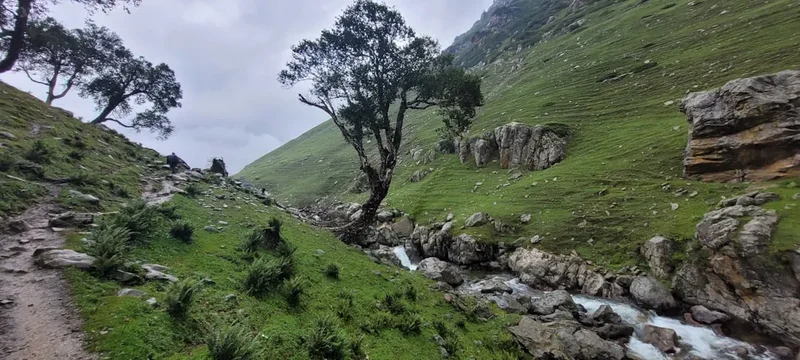
For Indian nationals, the Beas Kund Trek generally does not require a specific trekking permit for the route itself, as it passes through areas that are not strictly protected national parks requiring entry fees. However, it is always advisable to confirm the latest regulations with the local tourism department or forest authorities in Manali before commencing your trek. Sometimes, local permits might be required for camping in certain areas, or if you plan to venture into restricted zones.
For foreign nationals, regulations can differ. It is recommended to check with the Indian Embassy or Consulate in your home country, or with reputable trekking agencies in India, regarding any specific permits or registration requirements for trekking in the Himachal Pradesh region. Often, foreign trekkers are required to register their trek with the local police or tourism office, and may need to hire a registered local guide.
Key points to consider:
- Local Authority Check: Always verify current permit requirements with the Himachal Pradesh Tourism Development Corporation (HPTDC) or the Kullu District Administration in Manali.
- Guide Requirement: While not always mandatory for Indian nationals, hiring a local guide is highly recommended for safety, navigation, and cultural insights. Some agencies may make this a condition of their package.
- Camping Regulations: Be aware of any specific rules regarding camping in designated areas to minimise environmental impact.
- National Park Fees: If your route were to pass through a designated National Park or Wildlife Sanctuary, separate entry fees and permits would apply. For Beas Kund, this is less common but worth confirming.
Other Activities in the Area
Manali and its surrounding regions offer a plethora of activities for trekkers to enjoy before or after their Beas Kund adventure:
- Solang Valley Activities: Solang Valley itself is an adventure hub. Depending on the season, you can enjoy paragliding, zorbing, skiing (in winter), and cable car rides offering panoramic views.
- Rohtang Pass Excursion: If accessible (typically open from May/June to October), a day trip to Rohtang Pass offers stunning high-altitude mountain scenery and snow activities.
- Hadimba Devi Temple: A unique wooden temple dedicated to Goddess Hadimba, wife of the Pandava prince Bhima, set amidst a cedar forest.
- Vashisht Village: Known for its hot springs and ancient temples, offering a relaxing experience.
- Old Manali: Explore the charming narrow lanes, cafes, and artisan shops of Old Manali for a different vibe.
- Manali Market: Browse local handicrafts, woollen garments, and souvenirs.
- Naggar Castle: A historic castle offering panoramic views of the Kullu Valley and housing an art gallery.
- Bhrigu Lake Trek: Another popular moderate trek in the vicinity, offering beautiful alpine lake scenery.
Safety and Conditions
Altitude Sickness (AMS): Beas Kund reaches an altitude of approximately 3,700 metres. Acute Mountain Sickness (AMS) is a risk. Acclimatise properly by ascending gradually, staying hydrated, and avoiding strenuous activity on the first day. If symptoms like headache, nausea, dizziness, or fatigue appear, descend immediately or rest. Consult your doctor about preventative medication like Diamox.
Weather: Mountain weather is unpredictable. Be prepared for sudden changes, including rain, wind, and temperature drops, even during the trekking season. Carry appropriate waterproof and warm clothing. Check weather forecasts before you start and be aware of any severe weather warnings.
Trail Conditions: The trail can be rocky, uneven, and steep in sections, especially near Beas Kund. Good trekking boots are essential. During the monsoon (July-August), trails can become slippery and muddy. Snow can persist on higher sections even into early summer (May-June) and can fall unexpectedly in autumn (September-October).
Water Sources: While streams are plentiful, always treat water before drinking. Use a water filter, purification tablets, or boil the water to prevent waterborne diseases.
Navigation: While the main trail is generally well-trodden, it's easy to get disoriented in fog or poor visibility. Hiring a local guide is highly recommended, especially for first-time trekkers. Carry a map and compass and know how to use them.
Communication: Mobile phone network coverage is unreliable and often non-existent once you leave Solang Valley. Consider carrying a satellite phone or a Personal Locator Beacon (PLB) for emergencies, especially if trekking independently.
Emergency Contacts: Keep a list of emergency contact numbers, including local police, rescue services, and your trekking agency (if applicable). Inform someone about your trekking itinerary and expected return date.
Wildlife: While encounters are rare, be aware of local wildlife. Do not approach or feed animals. Keep your campsite clean to avoid attracting them.
Side Trips and Points of Interest
Beas Kund Lake: The primary destination of the trek, this sacred glacial lake is the source of the Beas River. Its pristine, clear waters are surrounded by a dramatic amphitheatre of snow-clad peaks, including Hanuman Tibba, Friendship Peak, and the Seven Sisters. The spiritual significance of the lake adds a unique dimension to the trekking experience. Early morning visits offer the best light and a serene atmosphere.
Shepherd Camps (Bakarthach): The campsite at Bakarthach is often used by local shepherds for their livestock. Observing their traditional way of life, their simple shelters, and their interaction with the animals provides a fascinating cultural insight. You might have opportunities to interact with them and learn about their nomadic lifestyle.
Panoramic Views of Peaks: Throughout the trek, especially from Dhundi and Bakarthach, you are treated to breathtaking panoramic views of prominent Himalayan peaks. Hanuman Tibba (5,982 m) is a dominant presence, along with Friendship Peak (5,289 m) and the distinct formation known as the Seven Sisters. These vistas are a constant reward for the physical effort.
Alpine Meadows: The trek traverses through beautiful alpine meadows that are carpeted with wildflowers during the spring and summer months. These meadows offer a stark contrast to the rocky terrain and provide excellent opportunities for photography and quiet contemplation.
Pine Forests: The initial sections of the trek from Solang Valley pass through dense forests of deodar and pine trees. The scent of pine and the dappled sunlight filtering through the canopy create a refreshing and invigorating atmosphere.
Leave No Trace
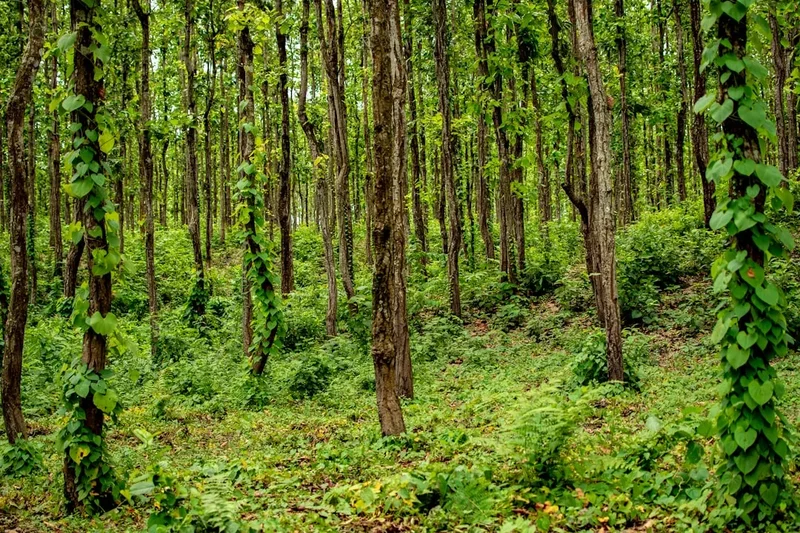
The Beas Kund region, like all Himalayan trekking areas, is a fragile ecosystem that requires careful stewardship. Adhering to Leave No Trace principles is paramount to preserving its natural beauty and cultural heritage for future generations.
Your responsibility as a trekker:
- Pack It In, Pack It Out: Carry out all your trash, including food wrappers, plastic, and any other non-biodegradable waste. Do not bury or burn trash.
- Dispose of Waste Properly: Use designated toilet facilities where available. If not, dig a cathole at least 60 metres (60 m) away from water sources, trails, and campsites. Pack out all toilet paper.
- Leave What You Find: Do not take rocks, plants, or any natural or cultural artifacts. Leave the environment as you found it.
- Minimise Campfire Impacts: Use a camp stove for cooking. If a campfire is absolutely necessary and permitted, use established fire rings and keep fires small. Ensure fires are completely extinguished before leaving.
- Respect Wildlife: Observe wildlife from a distance. Do not feed animals, as it can disrupt their natural behaviours and diets. Store food securely.
- Be Considerate of Other Visitors: Keep noise levels down, especially in campsites and natural areas. Yield to other trekkers on narrow trails.
- Travel and Camp on Durable Surfaces: Stick to established trails and campsites to avoid damaging vegetation and soil.
By following these principles, you help ensure that the Beas Kund Trek remains a pristine and enjoyable experience for everyone.