
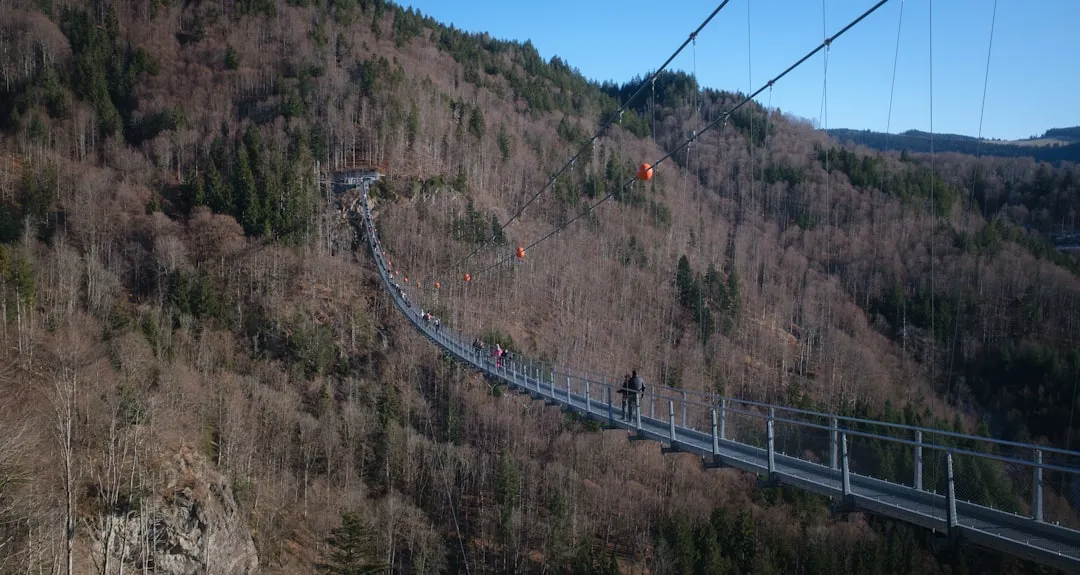
Bastei Bridge Loop - Saxon Switzerland National Park
The Bastei Bridge Loop is a quintessential day walk in Germany's Saxon Switzerland National Park, offering breathtaking views of the Elbe Sandstone Mountains. This relatively short but rewarding circuit takes you through a dramatic landscape of towering rock formations, deep gorges, and lush forests, culminating in the iconic Bastei Bridge itself. The trail is well-maintained and accessible, making it a popular choice for hikers of all levels seeking to experience the unique geological wonders of the region. From its strategic vantage points, you can gaze out over the Elbe River valley, the rugged peaks of the Elbe Sandstone Mountains, and the charming villages nestled below. It's a journey into a natural amphitheatre of stone, carved by millennia of wind and water.
- Distance: 9.0 km
- Duration: 3-4 hours
- Elevation Gain: 300 m
- Difficulty: Moderate
- Best Time: April to October
- Closest City: Dresden
- Trailhead Access: Nearest city: Dresden. By car: A4 to Pirna, then B172 towards Rathen/Bastei. Driving time ~45 min. Limited parking available at Bastei (GPS: 50.9644, 14.0669). Bus 237 from Pirna stops near the Bastei. No permits needed.
- Highest point: Bastei viewpoint (approx. 305 m)
- Daily walkers: Unlimited, but can be crowded during peak season
- Direction: Loop trail, can be walked in either direction
Overview
The Bastei Bridge Loop is a captivating exploration of one of Germany's most iconic natural landmarks. The trail begins near the Bastei, a famous rock formation and viewpoint that has drawn visitors for centuries. From here, the path descends into the Polenz Valley, a verdant gorge carved by the Polenz River. The highlight of this section is the Bastei Bridge (Basteibrücke), a magnificent sandstone arch bridge constructed between 1851 and 1856. Walking across this historic structure offers unparalleled panoramic views of the surrounding rock cities, including the imposing Lilienstein and Königstein fortresses in the distance.
The loop continues through dense forests, past smaller rock formations, and along the Polenz River. You'll encounter numerous viewpoints and opportunities for photography, each offering a slightly different perspective on the unique geology of Saxon Switzerland. The trail involves some ascents and descents, particularly as you navigate the gorge and climb back up to the Bastei plateau. While the distance is modest, the moderate difficulty comes from the uneven terrain and the elevation changes. The best times to visit are during spring and autumn when the weather is pleasant, and the crowds are slightly thinner than in the peak summer months. Even in the shoulder seasons, expect to share the path with other hikers, as the Bastei is a major tourist attraction.
The landscape is characterised by its dramatic sandstone pillars, mesas, and ravines, a result of millions of years of erosion. The vegetation is a mix of deciduous and coniferous forests, with ferns and mosses thriving in the damp, shaded areas of the gorge. The air is often fresh and carries the scent of pine and damp earth. The Bastei Bridge itself is an engineering marvel, seamlessly integrated into the natural rock formations, and serves as the central focal point of this unforgettable day walk.
History and Cultural Context
The Bastei has been a celebrated natural wonder and a popular destination for tourists and artists since the 19th century. Its dramatic rock formations and sweeping vistas inspired Romantic painters and writers, solidifying its place in German cultural heritage. The construction of the Bastei Bridge, completed in 1856, was a significant feat of engineering for its time, designed to provide safe and easy access to the most spectacular viewpoints without disturbing the natural beauty of the rock formations.
The area, known as Saxon Switzerland (Sächsische Schweiz), has a long history of human interaction with its unique landscape. For centuries, the sandstone formations served as natural fortifications, with the Königstein Fortress, visible from the Bastei, being a prime example of a strategically important stronghold. The region's geological history is equally fascinating, with the sandstone dating back to the Cretaceous period, formed by ancient seas and later uplifted and sculpted by erosion.
The designation of Saxon Switzerland National Park in 1990 further protected this unique environment, ensuring its preservation for future generations. The park is part of a larger transboundary protected area, extending into the Bohemian Switzerland National Park in the Czech Republic, creating a vast and contiguous natural landscape. The Bastei Bridge Loop not only offers a physical journey through this stunning scenery but also a connection to the historical and artistic appreciation of this remarkable corner of Germany.
Seasonal Highlights and Weather Reality
The Bastei Bridge Loop is a year-round destination, but its appeal varies significantly with the seasons.
Spring (April to May): This is an excellent time to visit. The forests begin to turn vibrant green, wildflowers start to bloom, and the weather is generally mild. The crowds are smaller than in summer, offering a more peaceful hiking experience. However, occasional rain showers are common, and temperatures can still be cool, especially at higher elevations.
Summer (June to August): This is the peak tourist season. The weather is typically warm and sunny, making it ideal for hiking and enjoying the panoramic views. However, the Bastei and the surrounding trails can become very crowded, especially on weekends and holidays. It's advisable to start your hike early in the morning or later in the afternoon to avoid the busiest periods. Summer can also bring occasional thunderstorms.
Autumn (September to October): Autumn offers a spectacular display of colours as the deciduous trees change to shades of red, orange, and yellow. The air is crisp, and the light is often beautiful for photography. Crowds begin to thin out after the summer holidays. This is arguably one of the best times to visit for both scenery and a more tranquil experience. Temperatures can drop significantly, and frost is possible.
Winter (November to March): While less popular, winter can offer a unique and magical experience. Snow can transform the sandstone formations into a winter wonderland, and the silence can be profound. However, trails can be icy and slippery, requiring appropriate footwear and caution. Some facilities may have reduced operating hours or be closed. The Bastei Bridge itself remains accessible, but the surrounding smaller paths might be more challenging.
Weather Reality: Saxon Switzerland is known for its microclimates. Even on a sunny day in the valleys, the higher rock formations can be exposed to wind and cooler temperatures. Always check the local weather forecast before your visit and be prepared for changeable conditions, especially if you plan to hike in the shoulder seasons or winter. Waterproof clothing and sturdy footwear are recommended regardless of the season.
Recommended Itinerary
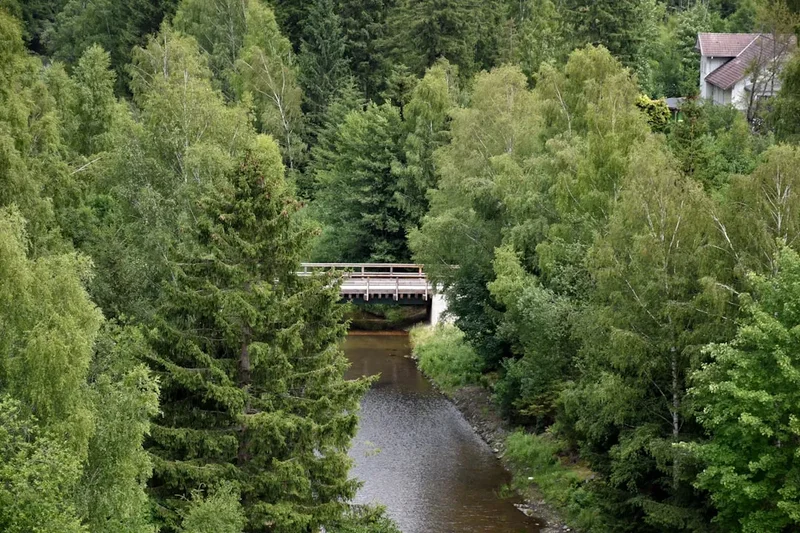
Bastei Bridge Loop - Day Walk Itinerary
Early Morning (Approx. 9:00 AM): Arrival and Bastei Plateau Exploration
- Arrive at the Bastei parking area (GPS: 50.9644, 14.0669) or take Bus 237 from Pirna.
- Begin by exploring the Bastei plateau. Take in the initial views from the main viewpoints, including the iconic Bastei Bridge.
- Allow time to walk across the bridge and admire the surrounding rock formations and the Elbe River valley below.
- Visit the historical Bastei stone theatre and other small viewpoints on the plateau.
Morning (Approx. 10:00 AM): Descent into the Polenz Valley
- Follow the well-marked trail descending from the Bastei plateau towards the Polenz Valley.
- The path is often steep and involves numerous steps carved into the rock.
- Pass through dense forest, with glimpses of the towering sandstone formations through the trees.
- The air becomes cooler and more humid as you descend into the gorge.
Midday (Approx. 11:30 AM): Polenz Valley and Felsenburg Neurathen
- Reach the floor of the Polenz Valley.
- Continue along the valley floor, following the Polenz River.
- Optional: Visit the ruins of Felsenburg Neurathen, a medieval rock castle accessible via a short detour and a small suspension bridge. This offers a glimpse into the area's historical past.
- Enjoy the serene atmosphere of the valley, with the sounds of the river and birdsong.
Afternoon (Approx. 1:00 PM): Ascent back to the Bastei Area
- Begin the ascent back towards the Bastei plateau.
- The trail will lead you through more forested areas and past various smaller rock formations.
- There are several viewpoints along this section offering different perspectives of the landscape.
- The climb can be strenuous in parts, so pace yourself.
Late Afternoon (Approx. 3:00 PM): Return to Bastei and Departure
- Emerge back onto the Bastei plateau, near the starting point.
- Option to revisit favourite viewpoints or enjoy a refreshment at one of the local cafes or restaurants.
- Depart from the Bastei area.
Important Notes:
- Wear sturdy, comfortable walking shoes with good grip.
- Carry water and snacks, although facilities are available at the Bastei.
- The trail can be busy, especially during peak season. Consider visiting on a weekday or early in the morning.
- Be aware of the weather; conditions can change quickly.
- The Bastei Bridge and some viewpoints may have entrance fees or be subject to visitor limits during extremely busy periods.
Planning and Bookings
Book Your Trip
Everything you need to plan your journey
Accommodation
Find places to stay near Dresden
Flights
Search flights to Dresden
Essential Preparation
The Bastei Bridge Loop is a popular day hike, and while no advance bookings are strictly required for the trail itself, planning your visit can enhance your experience. The closest major city is Dresden, which offers excellent transport links and accommodation options. From Dresden, you can reach the Bastei area by car or public transport. If travelling by car, be aware that parking at the Bastei itself is limited and can be expensive, especially during peak season. Consider parking in the nearby town of Rathen and taking a ferry across the Elbe River to reach the base of the Bastei, followed by a walk or bus up to the plateau. Public transport is a convenient and often less stressful option, with regular bus services connecting Pirna to the Bastei.
It's advisable to check the official website for Saxon Switzerland National Park for any current advisories, trail closures, or information regarding access and parking fees. The best time to visit for pleasant weather and fewer crowds is typically during the spring (April-May) or autumn (September-October). Summer can be very busy, and winter, while beautiful, may present icy conditions.
Trail Accommodation
This is a day hike requiring no overnight accommodation.
Required Gear
- Sturdy walking boots or hiking shoes with good ankle support and non-slip soles.
- Waterproof and windproof jacket – weather can change rapidly in the mountains.
- Comfortable hiking trousers or shorts, depending on the weather.
- Layers of clothing – a base layer, mid-layer (fleece or insulated jacket), and outer shell are recommended for variable temperatures.
- Sun protection – hat, sunglasses, and high SPF sunscreen, even on cloudy days, as UV radiation can be strong at higher elevations.
- Small backpack – to carry essentials.
- Navigation aids – while the trail is well-marked, a map of the area or a reliable GPS device/app is always a good idea.
- First-aid kit – including blister treatment, bandages, antiseptic wipes, and any personal medications.
- Trekking poles (optional) – can be helpful for the steeper ascents and descents.
What to Bring
- Water – carry at least 1-2 litres per person, especially during warmer months. Refill points may be limited.
- Food and snacks – energy bars, fruit, sandwiches. While there are cafes and restaurants at the Bastei, bringing your own can save time and money.
- Camera – to capture the stunning scenery.
- Mobile phone – for emergencies and photos. Ensure it's fully charged.
- Cash – for parking, small purchases at kiosks, or potential entrance fees for specific attractions like the Bastei Bridge or Felsenburg Neurathen.
- Toiletries – hand sanitiser, tissues.
- A small rubbish bag – to pack out any waste.
Permits
No specific permits are required to walk the Bastei Bridge Loop or to access the Bastei National Park. The area is managed by the Saxon Switzerland National Park Authority, and general access is free. However, there may be charges for parking at designated car parks near the Bastei, and some specific attractions within the park, such as the Bastei Bridge itself or the Felsenburg Neurathen, might have small entrance fees or require payment for access during peak times. It is always advisable to check the official Saxon Switzerland National Park website for the most up-to-date information on any potential fees or access restrictions before your visit.
Other Activities in the Area
Saxon Switzerland National Park offers a wealth of activities beyond the Bastei Bridge Loop:
- Königstein Fortress: Explore one of Europe's largest mountain fortresses, offering historical insights and commanding views over the Elbe Valley. It's easily accessible from the Bastei area.
- Lilienstein: Hike to the summit of this distinctive table mountain, which stands like a sentinel on the opposite side of the Elbe River from the Bastei. It offers a different but equally spectacular perspective.
- Bohemian Switzerland National Park (Czech Republic): Just across the border, this park offers similar dramatic sandstone landscapes, including the Pravčická brána (Pravčice Gate), Europe's largest natural sandstone arch.
- Elbe River Cruises: Take a leisurely boat trip along the Elbe River, enjoying the scenery from a different vantage point. This is a particularly relaxing way to see the region.
- Rock Climbing and Bouldering: The region is a mecca for climbers, with numerous designated climbing areas and routes for all skill levels.
- Cycling: The Elbe Cycle Route is a well-developed and popular cycling path that runs along the Elbe River, passing through Saxon Switzerland.
- Visiting Villages: Explore charming local villages like Rathen, Bad Schandau, and Pirna, each offering unique architecture, local crafts, and traditional cuisine.
Safety and Conditions
Trail Conditions: The Bastei Bridge Loop is generally well-maintained. However, sections can be steep, uneven, and slippery, especially after rain or during winter. Always wear appropriate footwear.
Weather: Weather in the Elbe Sandstone Mountains can change rapidly. Be prepared for sun, rain, wind, and potentially cooler temperatures, even in summer. Check the forecast before you go and carry layers of clothing.
Crowds: The Bastei is a very popular tourist destination. Expect significant crowds, particularly during weekends, holidays, and the peak summer season. To avoid the busiest times, consider visiting on a weekday or arriving early in the morning.
Navigation: The main trails are well-marked with standard hiking symbols. However, it's always wise to carry a map or use a GPS device, especially if you plan to explore any less-travelled paths or detours.
Emergency: In case of an emergency, the general emergency number in Germany is 112. Mobile phone reception is generally good in most areas, but can be patchy in deep gorges.
Health: Stay hydrated by carrying sufficient water. Be mindful of uneven terrain to prevent trips and falls. If you have any pre-existing health conditions, consult your doctor before undertaking the hike.
Wildlife: While large wildlife is rare, be aware of smaller creatures and insects. Ticks can be present in grassy and wooded areas, especially during warmer months; take precautions to avoid bites.
Side Trips and Points of Interest
Bastei Bridge (Basteibrücke): The undisputed centrepiece of this walk. This 76.5-metre-long sandstone arch bridge, built between 1851 and 1856, connects several rock pinnacles and offers breathtaking views over the Elbe River and the surrounding mountain landscape. Walking across it is an unforgettable experience.
Felsenburg Neurathen: Located in the Polenz Valley, these are the ruins of a medieval rock castle. Accessible via a short detour and a suspension bridge, exploring these ancient fortifications provides a fascinating glimpse into the region's history and strategic importance. The views from the castle ruins are also impressive.
Bastei Viewpoints: Beyond the main bridge, the Bastei plateau offers numerous smaller viewpoints, each providing a unique perspective of the dramatic rock formations, the Elbe River, and the distant fortresses like Königstein and Lilienstein.
Maltheurnatur: A small natural amphitheatre carved into the rock, offering a unique setting and often used for small performances or gatherings. It's a quiet spot to pause and appreciate the natural acoustics and formations.
Steintor (Stone Gate): A natural rock archway that you will pass through or near on the loop, showcasing the erosive power of nature.
Leave No Trace
The Bastei Bridge Loop traverses a protected national park, and it is crucial to adhere to Leave No Trace principles to preserve its natural beauty and ecological integrity.
- Pack it in, Pack it out: Carry out all rubbish, including food scraps, wrappers, and any other waste you generate. Do not leave anything behind.
- Stay on Marked Trails: Stick to the designated paths and trails. Venturing off-trail can damage fragile vegetation, disturb wildlife, and contribute to erosion.
- Respect Wildlife: Observe wildlife from a distance and never feed animals. Feeding can alter their natural behaviour and diet, and can be harmful to their health.
- Dispose of Waste Properly: Use designated bins where available. If not, carry your waste with you until you find a suitable disposal point.
- Leave What You Find: Do not take rocks, plants, or any other natural objects from the park. Leave them for others to enjoy and for the ecosystem to thrive.
- Be Considerate of Other Visitors: Keep noise levels down, especially in quieter sections of the trail. Allow faster hikers to pass.
- Plan Ahead and Prepare: Familiarise yourself with the trail and any regulations before you go. This helps minimise your impact and ensures a safer, more enjoyable experience.
By following these principles, you help ensure that the Bastei Bridge Loop and Saxon Switzerland National Park remain a pristine and inspiring destination for generations to come.