
Base of the Towers Hike
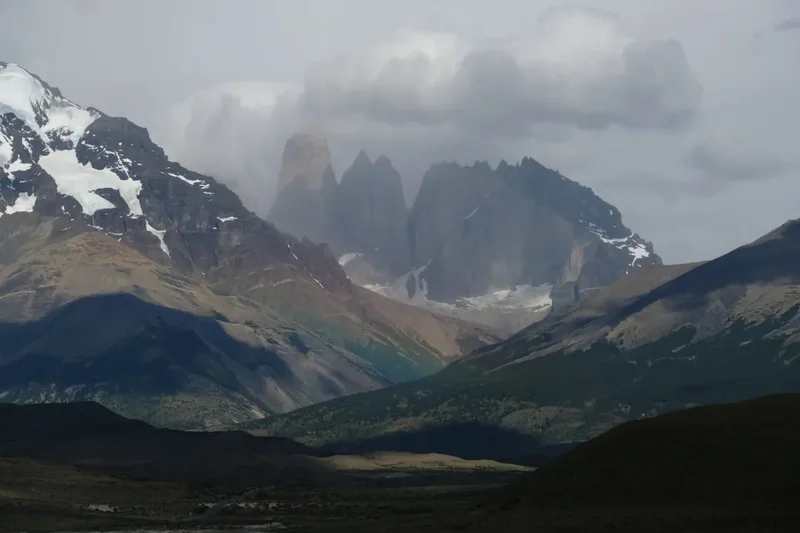
The Base of the Towers Hike is a challenging and rewarding day walk located within the iconic Torres del Paine National Park in Chilean Patagonia. This demanding trek offers unparalleled views of the park's most famous landmarks: the granite spires of the Torres del Paine themselves, the turquoise waters of Lago Nordenskjöld, and the dramatic glacial landscapes of the surrounding Cordillera Paine. It is a journey that tests physical endurance but delivers immense visual payoff, making it a quintessential Patagonian experience for those seeking a significant day hike.
- Distance: 19.0 km one-way
- Elevation gain: 900 m
- Duration: 8-10 hours
- Difficulty: Challenging
- Best Time: October to April
- Closest City: Puerto Natales
- Trailhead Access: Nearest airport: Puerto Natales (PNT). From Puerto Natales, take a bus to Parque Nacional Torres del Paine (approx. 2 hours). Get off at the Central Sector/Hotel Las Torres. Trailhead starts near the Hotel. Parking available (limited). Registration required at park entrance. Road is partially gravel.
- Coordinates: -50.9583, -72.9042
Overview
The Base of the Towers Hike, often referred to as the "Mirador Las Torres" or "Base Torres" trek, is arguably the most famous day hike in Torres del Paine National Park. It is a strenuous but immensely rewarding journey that culminates at the foot of the park's namesake granite towers. The trail begins in the eastern sector of the park, near the Hotel Las Torres and the Laguna Amarga entrance, and ascends through a varied landscape of rolling hills, dense lenga forests, and rocky moraines.
The initial section of the hike is relatively gentle, traversing open grasslands and offering expansive views of the surrounding valleys and the distant peaks. As the trail progresses, it begins a steady ascent, gradually gaining elevation. The landscape becomes more rugged, with the path winding through patches of Patagonian beech (lenga) forest, which provides welcome shade and a sense of immersion in the wild. The air is often crisp, carrying the scent of damp earth and evergreen foliage.
The most challenging part of the hike is the final ascent to the Mirador Las Torres. This section involves a steep climb over a rocky moraine field, requiring careful foot placement and considerable effort. The trail here is steep and can be demanding, especially for those not accustomed to significant elevation gain. However, the reward for this exertion is spectacular. Upon reaching the viewpoint, hikers are greeted by the breathtaking sight of the three granite spires of Torres del Paine, rising dramatically from the landscape. Below the towers lies a glacial lake, often a striking turquoise or emerald colour, fed by meltwater from the surrounding glaciers. The sheer scale and raw beauty of this natural amphitheatre are awe-inspiring.
The hike is a full-day commitment, typically taking between 8 to 10 hours to complete, depending on fitness levels and the amount of time spent at the viewpoint. The weather in Patagonia is notoriously unpredictable, and hikers must be prepared for all conditions, from brilliant sunshine to strong winds, rain, and even snow, regardless of the season. The best time to undertake this hike is during the Patagonian summer (October to April), when daylight hours are longer and the weather is generally more stable, though still subject to rapid change.
This trail is popular, and while it is a day hike, its challenging nature means that only those with a good level of fitness should attempt it. The experience of standing at the base of these iconic towers, surrounded by such immense natural power, is an unforgettable highlight of any visit to Torres del Paine National Park.
History and Cultural Context
The region now known as Torres del Paine National Park has a rich history stretching back thousands of years. Archaeological evidence suggests that indigenous peoples, including the Aónikenk (a subgroup of the Tehuelche), inhabited and traversed this area for millennia. These nomadic groups were skilled hunters and gatherers, adapting to the harsh Patagonian environment. Their connection to the land, including the towering granite peaks, was deeply spiritual and practical, shaping their way of life.
European exploration of Patagonia began in earnest in the 16th century, but the remote and rugged interior of Torres del Paine remained largely uncharted and inaccessible for centuries. Early explorers and naturalists were captivated by the dramatic landscapes, including the imposing granite spires that would eventually give the park its name. The name "Torres del Paine" translates to "Towers of Paine," with "Paine" believed to derive from the Tehuelche word "Payne," meaning "blue" or "white," possibly referring to the colour of the peaks or the glacial ice.
The establishment of the park in the mid-20th century was a significant step in preserving this unique environment. Initially created as a national park in 1959, it was expanded and renamed Parque Nacional Torres del Paine in 1970. The park's creation was driven by a desire to protect its exceptional natural beauty, diverse wildlife, and fragile ecosystems from the pressures of development and overgrazing. The area around the Base of the Towers hike, particularly the eastern sector, has seen increasing visitor numbers as its fame has grown globally.
The trail itself has evolved from a rough path used by early explorers and gauchos to a well-maintained, albeit challenging, hiking route. The infrastructure, including signage and bridges, has been developed over time to manage visitor flow and enhance safety. The popularity of the Base of the Towers hike has made it a focal point for tourism in the region, contributing significantly to the local economy while also presenting ongoing challenges for conservation efforts. The park's designation as a UNESCO Biosphere Reserve in 1978 further underscores its global importance for biodiversity and sustainable land management.
Seasonal Highlights and Weather Reality
The Base of the Towers Hike is accessible year-round, but the experience varies dramatically with the seasons. The most popular and generally recommended time to undertake this challenging day walk is during the Patagonian spring and summer months.
Spring (October to November): This period marks the beginning of the warmer season. Daylight hours are increasing, and the landscape begins to awaken from winter. Wildflowers start to bloom, adding splashes of colour to the grasslands. The weather can still be unpredictable, with a higher chance of rain and strong winds, but snow is less common at lower elevations. The crowds are generally smaller than in peak summer, offering a more serene hiking experience. Temperatures typically range from 5°C to 15°C.
Summer (December to February): This is the peak season for hiking in Torres del Paine. The days are longest, offering ample daylight for the 8-10 hour hike. Temperatures are at their warmest, usually ranging from 10°C to 20°C, though they can fluctuate significantly. The landscape is vibrant and green. However, summer also brings the highest number of visitors, meaning the trail and the viewpoint can be crowded. The infamous Patagonian wind is often at its strongest during these months, and sudden rain showers are still a common occurrence. Sandflies can also be present, particularly in damper areas and during calmer periods.
Autumn (March to April): This season offers a spectacular display of colour as the lenga forests turn shades of red, orange, and yellow. The crowds begin to thin, providing a more peaceful hiking experience. The weather can be crisp and clear, with beautiful light for photography. However, temperatures start to drop, typically ranging from 5°C to 12°C, and the possibility of early snow on the higher sections of the trail increases. Daylight hours also begin to shorten.
Winter (May to September): While technically possible, hiking the Base of the Towers in winter is a significantly more challenging and potentially dangerous undertaking. The trail can be covered in snow and ice, requiring specialised winter gear such as crampons and ice axes, along with advanced navigation skills. Many facilities, including some park entrances and accommodations, may be closed or have reduced services. Daylight hours are very short, limiting the time available for the hike. The weather is extremely cold, with temperatures often below freezing, and strong winds can create dangerous wind chill factors. This season is generally recommended only for experienced mountaineers with appropriate winter expertise.
Weather Reality: It cannot be stressed enough that weather in Patagonia is highly variable. Hikers should always be prepared for four seasons in one day, regardless of the time of year. Strong winds are a constant factor, and sudden changes in temperature, precipitation, and visibility are common. Layering clothing is essential for managing these fluctuations.
Recommended Itinerary
Base of the Towers Hike (Day Walk)
Early Morning (Approx. 7:00 AM - 8:00 AM): Departure from Puerto Natales / Arrival at Trailhead
- Depart from Puerto Natales via bus (approx. 2-hour journey).
- Arrive at the park entrance (Laguna Amarga or similar) for registration and park fee payment.
- Continue to the Central Sector/Hotel Las Torres area, where the trailhead is located.
- Final gear check, apply sunscreen and insect repellent, and ensure you have sufficient water and snacks.
- Begin the hike from the vicinity of Hotel Las Torres.
Morning (Approx. 8:00 AM - 12:00 PM): Ascent through Forests and Valleys
- The trail initially follows a relatively flat path through open grasslands, offering views of the surrounding mountains and the distant towers.
- Enter the lenga forest, where the path becomes more undulating.
- Begin a steady, sustained climb, gaining elevation gradually.
- Pass by streams and small waterfalls.
- The forest canopy provides shade, but be prepared for exposed sections.
- Key Waypoints: Initial signage indicating the direction to Mirador Las Torres.
Midday (Approx. 12:00 PM - 2:00 PM): The Steep Moraine Climb
- Reach the base of the final, most challenging section of the hike.
- The trail becomes a steep ascent over a rocky moraine field.
- Requires careful foot placement and significant physical exertion.
- The gradient is steep, and the terrain is uneven.
- Take short breaks to catch your breath and hydrate.
- Key Waypoints: The start of the steep, rocky ascent.
Afternoon (Approx. 2:00 PM - 4:00 PM): Mirador Las Torres and Lunch Break
- Arrive at the Mirador Las Torres (Base of the Towers viewpoint).
- Marvel at the iconic granite spires of Torres del Paine and the glacial lake below.
- Spend time taking photographs and soaking in the incredible scenery.
- Enjoy your packed lunch and snacks, resting your legs.
- Be aware of other hikers and the potential for strong winds at the viewpoint.
Late Afternoon (Approx. 4:00 PM - 7:00 PM): Descent and Return to Trailhead
- Begin the descent back down the moraine field.
- The descent can be hard on the knees; use trekking poles if you have them.
- Retrace your steps through the lenga forest and grasslands.
- Continue descending until you reach the trailhead near Hotel Las Torres.
- Key Waypoints: Return path through the forest and open areas.
Evening (Approx. 7:00 PM onwards): Departure from Park
- Catch your pre-booked bus back to Puerto Natales.
- Reflect on the day's incredible achievement and the stunning Patagonian landscape.
Important Notes:
- This is a strenuous hike; ensure you have adequate fitness.
- Start early to allow ample time and avoid the worst of the midday sun or potential afternoon weather changes.
- Carry plenty of water (at least 2-3 litres per person) and high-energy snacks/lunch.
- Trekking poles are highly recommended for both ascent and descent.
- Be prepared for all weather conditions; pack layers, waterproofs, and sun protection.
- The trail can be very busy, especially during peak season.
Planning and Bookings
Book Your Trip
Everything you need to plan your journey
Accommodation
Find places to stay near Puerto Natales
Flights
Search flights to Puerto Natales
Essential Preparation
The Base of the Towers hike is a significant undertaking that requires careful planning. The primary logistical hub for accessing Torres del Paine National Park is the town of Puerto Natales. This charming Patagonian town offers a range of accommodation options, from hostels and budget guesthouses to comfortable hotels. It is also the place to arrange transportation into the park, purchase supplies, and gather last-minute gear.
Transportation: Regular bus services operate between Puerto Natales and Torres del Paine National Park. Companies like Bus-Sur and Buses Fernández offer daily departures. The journey takes approximately 2 hours to reach the park entrance and then a further transfer to the Central Sector/Hotel Las Torres area. It is highly recommended to book bus tickets in advance, especially during peak season, as they can sell out. Some visitors opt for rental cars, which offer more flexibility but require navigating gravel roads within the park and finding parking, which can be limited at popular trailheads.
Park Entrance: Upon arrival at the park, you will need to pay an entrance fee. It is advisable to check the current park fees and opening hours on the official CONAF (Corporación Nacional Forestal) website or through your tour operator. Registration at the park entrance is often required, especially for popular trails like this one.
Fitness: This hike is classified as challenging due to its distance (19 km round trip) and significant elevation gain (900 m). Hikers should have a good level of cardiovascular fitness and be accustomed to walking for extended periods on uneven terrain. Training with hikes that include elevation gain and carrying a daypack is highly recommended. Practicing with your hiking boots to prevent blisters is also crucial.
Timing: The best time to hike the Base of the Towers is during the Patagonian summer (October to April). This period offers longer daylight hours and generally more stable weather, although unpredictable Patagonian conditions are always a factor. Starting the hike early in the morning is essential to allow ample time to complete the trek comfortably and safely, and to potentially avoid the busiest periods at the viewpoint.
Trail Accommodation
This is a day hike requiring no overnight accommodation. All hiking is completed within a single day, returning to your accommodation in Puerto Natales or a lodge within the park after the trek.
Required Gear
- Waterproof and windproof jacket: Essential for protection against Patagonian weather. Gore-Tex or similar breathable, waterproof material is recommended.
- Waterproof overtrousers: Crucial for staying dry during rain showers and protecting against wind.
- Sturdy hiking boots: Waterproof, well-broken-in hiking boots with good ankle support are non-negotiable for navigating the varied and often uneven terrain.
- Warm layers: Multiple layers of synthetic or merino wool clothing are vital. This includes a base layer, an insulating mid-layer (fleece or down jacket), and a warm hat and gloves.
- Trekking poles: Highly recommended for stability on ascents and descents, especially on the steep moraine section. They help reduce strain on knees and ankles.
- Backpack: A comfortable daypack (25-35 litres) to carry essentials, with a rain cover.
- Head torch: With spare batteries, in case of unexpected delays or an early start/late finish.
- Sun protection: High SPF sunscreen, sunglasses, and a wide-brimmed hat or cap. The sun can be intense, especially at higher altitudes.
- First-aid kit: Including blister treatment, pain relievers, antiseptic wipes, bandages, and any personal medications.
What to Bring
- Food: Plenty of high-energy snacks and a substantial packed lunch. Options include nuts, dried fruit, energy bars, sandwiches, and fruit. There are no food services on the trail.
- Water: At least 2-3 litres of water per person. Water sources are available along the trail, but it is strongly recommended to treat all water using a filter or purification tablets.
- Water treatment: A reliable water filter or purification tablets.
- Toiletries: Biodegradable soap, toothbrush, toothpaste, hand sanitiser, and toilet paper. Pack out all used toilet paper.
- Insect repellent: Especially important during warmer months to ward off sandflies. Look for products with DEET.
- Camera: To capture the spectacular scenery.
- Mobile phone: For emergencies, though signal is unreliable. Consider a portable power bank.
- Park map and trail description: A physical map or downloaded offline map on your phone.
- Identification and park entrance confirmation: Keep these easily accessible.
- Cash: For any small purchases or unexpected fees, as card facilities may not always be available.
Permits
For day hikes like the Base of the Towers, specific permits are generally not required in the same way as for multi-day treks in other national parks. However, visitors must pay an entrance fee to Torres del Paine National Park. This fee is typically paid at one of the park's main entrances, such as Laguna Amarga, and grants access for a specified period (usually one to three days).
Park Entrance Fees:
- Fees are subject to change and are set by CONAF (Corporación Nacional Forestal), the Chilean National Forest Corporation.
- It is essential to check the official CONAF website or consult with your tour operator or bus company for the most up-to-date fee structure and payment methods.
- Fees are generally higher for international visitors than for Chilean nationals.
- Payment may be required in Chilean Pesos (CLP) or sometimes US Dollars. Credit card facilities may be available at some entrances, but it is advisable to carry cash as a backup.
Registration: While not a formal permit system for day hikers, registration at the park entrance is often mandatory. This helps CONAF monitor visitor numbers and manage safety within the park. Ensure you complete any required registration procedures upon arrival.
Booking Transportation: While not a permit, booking your bus tickets from Puerto Natales to Torres del Paine National Park in advance is crucial, especially during the peak season (December to February). Buses can fill up quickly, and last-minute availability is not guaranteed.
Accommodation within the Park: If you choose to stay in accommodation within the park (e.g., hotels or refugios for multi-day treks), these facilities require separate bookings, often made months in advance. However, for the Base of the Towers day hike, this is not applicable.
Important Considerations:
- Always verify the latest park regulations and fees directly with CONAF or official park information sources before your visit.
- Be aware that park policies can change.
- Ensure you have all necessary documentation and payment methods ready upon arrival at the park entrance.
Other Activities in the Area
Torres del Paine National Park and its surroundings offer a wealth of activities beyond the Base of the Towers hike, catering to various interests and fitness levels:
- Other Day Hikes:
- Mirador Cuernos: A relatively flat and accessible hike offering stunning views of the iconic "Horns" (Los Cuernos) massif across Lago Nordenskjöld.
- Salto Grande Waterfall: A short walk to a powerful waterfall with views of the Paine Massif.
- Laguna Azul: A scenic area known for its birdlife and calmer atmosphere, offering different perspectives of the towers.
- Mirador Condor: A steeper but shorter climb offering panoramic views of the park, including Lago Pehoé and Los Cuernos.
- Multi-Day Treks: For those seeking a more immersive experience, the park is famous for its "W" Trek and the full "O" Circuit, which explore different valleys and offer overnight stays in refugios or campsites.
- Wildlife Spotting: Torres del Paine is home to a diverse array of wildlife, including guanacos (a type of llama), rheas (large flightless birds), condors, foxes, and if you are very lucky, the elusive puma. Guided wildlife tours are available.
- Horseback Riding (Cabalgatas): Explore the Patagonian estancias (ranches) surrounding the park on horseback, offering a traditional way to experience the landscape.
- Kayaking and Boat Trips: Take a boat trip on Lago Grey to see the Grey Glacier up close, or enjoy kayaking on some of the park's calmer lakes for a unique perspective.
- Photography Tours: Dedicated tours focus on capturing the best light and iconic vistas of the park, often led by experienced local photographers.
- Scenic Drives: Even without extensive hiking, driving through the park offers breathtaking vistas at numerous viewpoints.
- Puerto Natales Exploration: The nearby town of Puerto Natales offers charming cafes, restaurants serving local Patagonian lamb, museums, and waterfront walks.
Safety and Conditions
Weather Preparedness: The most critical safety aspect for the Base of the Towers hike is being prepared for Patagonia's notoriously unpredictable weather. Conditions can change rapidly from sunny and calm to windy, rainy, and cold within minutes. Always carry waterproof and windproof outer layers, warm insulating layers, a hat, and gloves, regardless of the forecast. Hypothermia is a real risk, even in summer.
Trail Conditions: The trail is generally well-maintained but can be steep, rocky, and uneven, especially in the final ascent to the Mirador. Loose scree on the moraine can make footing challenging. Trekking poles are highly recommended to aid balance and reduce strain on joints, particularly during the descent.
Hydration and Nutrition: Carry ample water (at least 2-3 litres per person) and high-energy food. While water sources exist, they should be treated before consumption. Dehydration and lack of energy can significantly impact performance and safety.
Navigation: The trail to the Base of the Towers is well-marked, and it is difficult to get lost on the main path. However, it is always wise to carry a map or have an offline map downloaded on your phone. Pay attention to trail markers, especially in areas with less distinct paths.
Wildlife Encounters: Guanacos are common and generally harmless, but maintain a respectful distance. Be aware of foxes and birds of prey. While pumas inhabit the park, encounters are rare, and they typically avoid humans. Never feed wildlife.
Sandflies: During warmer months, sandflies can be a nuisance, particularly in damper, sheltered areas and during calmer periods. Use effective insect repellent containing DEET and consider wearing long sleeves and trousers when stationary.
Emergency Procedures: Cell phone reception is unreliable within the park. In case of an emergency, try to reach a park ranger or another hiker who may have a satellite communication device. Know the location of the nearest ranger station or visitor centre. It is advisable to inform someone of your hiking plans and expected return time.
Physical Fitness: This hike is strenuous. Ensure you are physically prepared. If you experience any pain or excessive fatigue, do not push yourself. It is better to turn back than to risk injury.
Park Regulations: Adhere to all park rules and regulations, including staying on marked trails, not littering, and respecting wildlife. These are in place for your safety and the preservation of the park's environment.
Side Trips and Points of Interest
While the Base of the Towers hike is a destination in itself, several points of interest and shorter side trips can enhance the experience or be incorporated into a broader exploration of the park:
Mirador Cuernos: Located on the northern shore of Lago Nordenskjöld, this viewpoint offers iconic, unobstructed views of the distinctive "Horns" (Los Cuernos) massif. The trail to Mirador Cuernos is relatively flat and accessible, making it a good option for those seeking stunning scenery without the extreme exertion of the Base Torres hike. It can be accessed from the park's main road, often near the Pudeto sector.
Salto Grande Waterfall: A short, easy walk from the Pudeto sector leads to Salto Grande, a powerful waterfall where the waters of Lago Nordenskjöld cascade into Lago Pehoé. The viewpoint offers dramatic views of the waterfall with the Paine Massif as a backdrop. This is a popular stop for many visitors and can be combined with a visit to Mirador Cuernos.
Laguna Azul: Situated in the northeastern part of the park, Laguna Azul is known for its tranquil atmosphere and excellent opportunities for wildlife viewing, particularly guanacos and various bird species. The lake offers a different perspective of the Paine towers, often appearing more distant and serene. The area is less frequented than the main hiking routes, providing a quieter experience.
Mirador Condor: For those seeking panoramic views with less distance than the Base Torres hike, Mirador Condor offers a rewarding climb. The trail ascends steeply but is shorter than the main trek. From the summit, you are rewarded with sweeping vistas of Lago Pehoé, Los Cuernos, and the surrounding valleys, providing a comprehensive overview of the park's geography.
Hotel Las Torres Area: The starting point for the Base of the Towers hike itself offers amenities and surrounding trails. Exploring the grounds near the hotel can provide different photographic opportunities and a sense of the park's more developed sectors.
Laguna Amarga Entrance Area: This is one of the main park entrances and offers a chance to see the iconic towers from a distance, often with the lake in the foreground. It's a good spot for initial photos and to get a sense of the scale of the landscape.
Leave No Trace
The Base of the Towers hike, like all activities within Torres del Paine National Park, operates under the principles of Leave No Trace (LNT). This is crucial for preserving the park's pristine natural beauty and fragile ecosystems for future generations. As a visitor, you play a vital role in upholding these principles.
1. Plan Ahead and Prepare: Understand the trail's difficulty, weather conditions, and your own capabilities. Pack appropriately, including sufficient food and water, and be aware of park regulations. Inform someone of your hiking plans.
2. Travel and Camp on Durable Surfaces: Stick to marked trails. The vegetation in Patagonia is slow-growing and easily damaged. The final moraine section is a designated trail; do not stray from it. Avoid creating new paths.
3. Dispose of Waste Properly: Pack out everything you pack in. This includes all food scraps, wrappers, and any other litter. There are no bins on the trail. Use designated toilets where available, and if caught short in the backcountry, dig a cathole at least 60 metres away from water sources, trails, and campsites, and bury human waste.
4. Leave What You Find: Do not take any natural objects, such as rocks, plants, or flowers. Leave them for others to enjoy and for the ecosystem to thrive.
5. Minimize Campfire Impacts: Campfires are generally prohibited in Torres del Paine National Park, especially on day hikes. Use a portable stove for cooking if necessary.
6. Respect Wildlife: Observe wildlife from a distance. Never feed animals, as this can disrupt their natural behaviours, diets, and health. Store food securely to prevent attracting animals.
7. Be Considerate of Other Visitors: Hike at a moderate pace, yield to others on the trail, and keep noise levels down. The goal is to enjoy the natural environment without disturbing others or the wildlife.
By adhering to these Leave No Trace principles, you contribute to the long-term conservation of Torres del Paine National Park and ensure that its magnificent landscapes remain intact for all to experience.
 Chile
Chile