
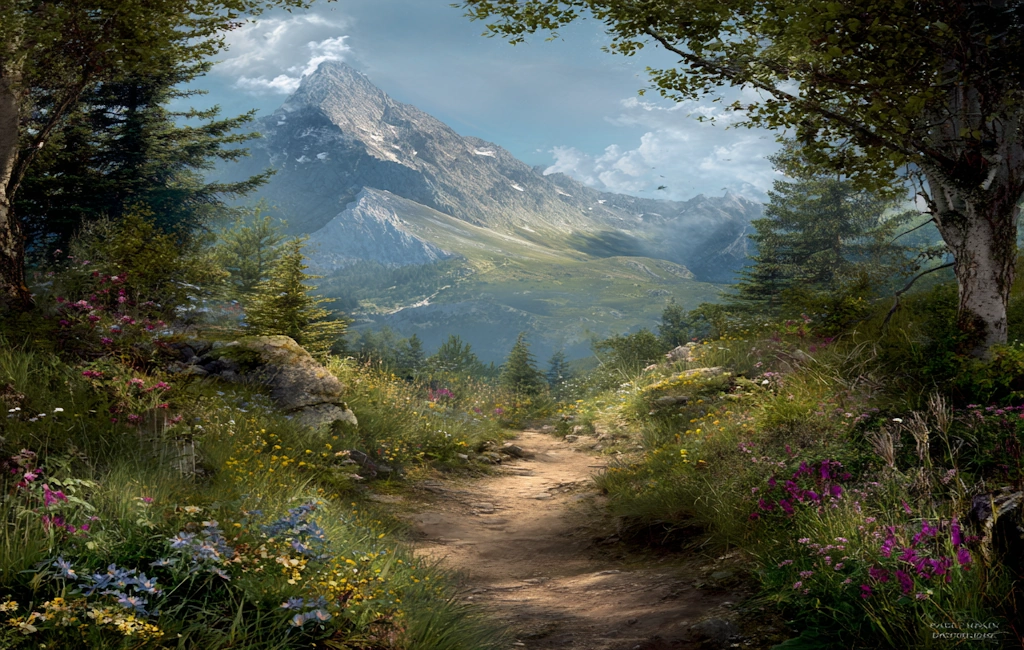
Baruntse Base Camp Trek - A Journey into the Heart of the Himalayas
The Baruntse Base Camp Trek is one of Nepal’s most formidable and rewarding high-altitude adventures, offering a profound immersion into the rugged wilderness of the Khumbu and Makalu-Barun regions. Spanning approximately 65 kilometres of demanding terrain, this 12 to 15-day expedition takes trekkers far beyond the crowded thoroughfares of the Everest Base Camp route, leading instead into the pristine Hinku and Hunku Valleys. The journey is defined by its dramatic elevation profile, ascending from the mountain airstrip at Lukla to the glacial sanctuary of Baruntse Base Camp at 5,400 metres. Along the way, trekkers must negotiate the formidable Zatrwa La (4,610 m) and the glaciated Mera La (5,415 m), providing a technical and physical challenge that requires resilience, proper acclimatisation, and a deep respect for the alpine environment.
Mount Baruntse itself is a symmetrical snow-capped peak rising to 7,129 metres, flanked by the massive giants of Everest, Lhotse, and Makalu. The trek to its base is not merely a walk but a comprehensive mountain experience that traverses ancient rhododendron forests, high alpine meadows, and stark, debris-covered glaciers. It is a route that appeals to those seeking solitude and a genuine sense of exploration. Unlike the more commercialised trails in Nepal, the path to Baruntse remains relatively untouched, where the silence of the high mountains is broken only by the cracking of glaciers and the call of the Himalayan monal. For the experienced trekker, this journey represents the pinnacle of Himalayan trekking, combining cultural encounters in remote Sherpa settlements with the raw, unyielding beauty of the world’s highest peaks.
- Distance: 65.0 km (approximate round trip from Lukla)
- Duration: 12–15 days
- Elevation Gain: 4,100 m total cumulative gain
- Highest Point: Baruntse Base Camp (5,400 m) or Mera La (5,415 m)
- Difficulty: Challenging / Strenuous
- Best Time: October–November (Autumn) or April–May (Spring)
- Accommodation: Teahouses in lower sections, camping at Base Camp
- Permits: Sagarmatha National Park, Makalu Barun National Park, and TIMS card
Overview
The Baruntse Base Camp Trek is a masterclass in Himalayan diversity, transitioning through multiple ecological zones in a matter of days. The trek begins with a flight into Lukla, often cited as one of the most exhilarating landings in the world. From here, the route immediately diverges from the main Everest trail, climbing steeply toward the Zatrwa La pass. This initial ascent serves as a rigorous introduction to the physical demands of the trek, as walkers leave the lush greenery of the lower valleys for the stark, rocky landscapes of the high alpine. The crossing of the Zatrwa La provides the first panoramic views of the peaks surrounding the Hinku Valley, setting the stage for the days of high-altitude travel to follow.
As the trek progresses into the Hinku Valley, the landscape softens into forests of pine and bamboo, where the elusive red panda is known to roam. However, this respite is brief. The trail continues to climb alongside the Hinku River, passing through the summer grazing settlements of Kothe and Thagnak. Here, the influence of the mountains becomes all-encompassing. The massive south face of Mera Peak looms overhead, and the valley begins to narrow into a world of rock and ice. The ascent to Khare, the final permanent settlement before the high passes, is a crucial phase for acclimatisation. Trekkers often spend an extra day here, practicing basic crampon and ice axe skills, as the route ahead involves crossing the glaciated Mera La.
The final push to Baruntse Base Camp is a journey through a landscape of "Seto Pokhari" (White Lakes) and vast glacial moraines. This area, known as the Hunku Valley, is exceptionally remote and uninhabited. Standing at Baruntse Base Camp, surrounded by the West Face of Makalu and the towering Baruntse wall, trekkers experience a level of isolation and grandeur that is rare even in the Himalayas. The return journey requires retracing steps over the high passes, offering a second perspective on the magnificent terrain. This trek is not for the faint-hearted; it demands excellent physical fitness, previous high-altitude experience, and an adventurous spirit prepared for the unpredictable nature of mountain weather.
History and Cultural Context
The history of the Baruntse region is inextricably linked to the golden age of Himalayan exploration. Mount Baruntse was first summited in 1954 by a New Zealand expedition led by Sir Edmund Hillary, just a year after his historic ascent of Mount Everest. The team, which included legendary climbers Colin Todd, Geoff Harrow, and William Beaven, approached the mountain via the south ridge, establishing a route that remains a classic for mountaineers today. This expedition was instrumental in mapping the complex glacial systems of the Barun and Hunku Valleys, areas that were largely unknown to Westerners at the time. The trek to Base Camp follows in the footsteps of these pioneers, traversing the same high passes and glacial basins that challenged the early explorers.
Culturally, the trek passes through the ancestral lands of the Sherpa and Rai people. While the lower Hinku Valley is primarily used for seasonal grazing by Rai shepherds from the south, the higher settlements and the logistics of the trek are dominated by the Sherpa community. The Sherpas, whose name translates to "People from the East," migrated from Tibet several centuries ago and have developed a unique culture perfectly adapted to high-altitude living. Along the trail, trekkers will encounter mani walls (stone tablets inscribed with Buddhist mantras), colourful prayer flags fluttering in the wind, and small gompas (monasteries) that serve as spiritual anchors for the local population. These cultural elements are not merely decorative; they represent a deep-seated belief system that views the mountains as the abode of the gods.
The Baruntse Base Camp itself holds a special place in the hearts of the climbing community. It serves as the primary staging ground for expeditions attempting the 7,129-metre summit, as well as those attempting the technical crossing of the Amphu Labsta pass toward the Everest region. The camaraderie found at Base Camp, where climbers from across the globe gather to wait for weather windows, adds a unique social dimension to the trek. Despite the increasing popularity of trekking in Nepal, the Baruntse route has maintained its integrity, largely due to its technical difficulty and the requirement for self-sufficiency in the upper reaches of the Hunku Valley.
Want more background? Read extended notes on history and cultural context → Learn more
Seasonal Highlights and Weather Reality
Timing is the most critical factor for a successful Baruntse Base Camp Trek. The Himalayas experience a distinct monsoon cycle that dictates when the high passes are accessible and when the views are at their best. There are two primary windows for trekking: the post-monsoon Autumn season and the pre-monsoon Spring season.
Autumn (October to November): This is widely considered the premier season for the Baruntse Base Camp Trek. Following the summer rains, the atmosphere is washed clean of dust, resulting in exceptionally clear skies and the sharpest possible views of the peaks. The weather is generally stable, though temperatures at Base Camp can drop well below -15 Celsius at night. The high passes, such as the Zatrwa La and Mera La, are usually clear of deep, soft snow, making the trekking more predictable. This is also the peak climbing season, so Base Camp will be a bustling hub of international expeditions.
Spring (April to May): Spring offers a different but equally spectacular experience. As the temperatures begin to rise, the lower valleys erupt in colour with the blooming of rhododendron forests—Nepal’s national flower. The days are longer and warmer than in autumn, though there is a higher chance of afternoon cloud cover and occasional spring snowstorms. For those interested in the flora and fauna of the region, spring is the ideal time to spot Himalayan tahr and various bird species. The snow on the high passes may be deeper during this time, requiring more effort to traverse, but the softening of the landscape makes for a beautiful journey.
Winter (December to February) and Monsoon (June to September): Trekking to Baruntse Base Camp during these periods is generally not recommended. In winter, extreme cold and heavy snowfall make the high passes impassable and the teahouses in the upper Hinku Valley close down. During the monsoon, the region receives heavy rainfall, leading to leeches in the lower forests, frequent landslides, and obscured mountain views. Furthermore, flights to Lukla are frequently cancelled due to poor visibility, making logistics nearly impossible.
Recommended Itinerary
14-Day Baruntse Base Camp Trek Itinerary
Day 1: Kathmandu to Lukla and Trek to Chutanga
- Distance: 4.5 km
- Elevation gain: 200 m
- Time: 3–4 hours
- Early morning flight from Kathmandu to Lukla (2,860 m)
- Begin trekking east, away from the main Everest trail
- Walk through pristine forests of fir and rhododendron
- Arrive at Chutanga (3,050 m), a small summer pasture
- First night at altitude to begin the acclimatisation process
Day 2: Chutanga to Thuli Kharka via Zatrwa La
- Distance: 8 km
- Elevation gain: 1,560 m (to pass), then 310 m descent
- Time: 6–8 hours
- A challenging day crossing the Zatrwa La (4,610 m)
- Steep ascent on rocky trails with views of Karyolung and Numbur peaks
- Cross the pass and descend into the Hinku Valley
- Arrive at Thuli Kharka (4,300 m) for the night
Day 3: Thuli Kharka to Kothe
- Distance: 6 km
- Elevation loss: 700 m
- Time: 4–5 hours
- Descend through high alpine pastures and into dense forest
- The trail follows the ridge before dropping steeply to the Hinku River
- Walk alongside the river through moss-covered boulders
- Arrive at Kothe (3,600 m), a small settlement with several teahouses
Day 4: Kothe to Thagnak
- Distance: 7 km
- Elevation gain: 750 m
- Time: 4–5 hours
- Gradual ascent along the shadow of Mera Peak
- Pass the 200-year-old Lungsumgba Gompa, built into a rock face
- The valley opens up, revealing the massive Dig Glacier
- Arrive at Thagnak (4,350 m), a summer grazing area for local livestock
Day 5: Thagnak to Khare
- Distance: 5 km
- Elevation gain: 700 m
- Time: 3–4 hours
- Follow the lateral moraine of the Dig Glacier
- Views of Kusum Kanguru and the north face of Mera Peak
- Short but steep climb to reach the settlement of Khare
- Arrive at Khare (5,045 m), the final teahouse stop before the high passes
Day 6: Acclimatisation and Skills Day in Khare
- Elevation: 5,045 m
- Rest day to allow the body to adjust to the 5,000 m+ environment
- Optional hike to a nearby ridge for views of the Mera La
- Review of basic mountaineering skills: using crampons, harness, and ice axe
- Final gear check before heading into the glaciated terrain
Day 7: Khare to Mera High Camp via Mera La
- Distance: 6 km
- Elevation gain: 755 m
- Time: 6–7 hours
- Ascend the Mera Glacier to the Mera La pass (5,415 m)
- Spectacular views of Everest, Lhotse, and Makalu from the pass
- Continue across the glacier to Mera High Camp (5,800 m)
- Overnight in a high-altitude tented camp
Day 8: Mera High Camp to Seto Pokhari
- Distance: 8 km
- Elevation loss: 600 m
- Time: 5–6 hours
- Descend from the high camp into the remote Hunku Valley
- The trail enters a stark, glaciated landscape of rock and ice
- Pass the first of the "White Lakes" (Seto Pokhari)
- Camp at Seto Pokhari (5,200 m) in a pristine wilderness setting
Day 9: Seto Pokhari to Baruntse Base Camp
- Distance: 6 km
- Elevation gain: 200 m
- Time: 4–5 hours
- Trek through the upper Hunku Valley, following the glacial moraine
- The massive West Face of Makalu dominates the eastern horizon
- Arrive at Baruntse Base Camp (5,400 m), situated near a glacial lake
- Establish camp at the foot of the mountain
Day 10: Exploration of Baruntse Base Camp and Surroundings
- Elevation: 5,400 m
- A day to soak in the atmosphere of one of the world's most remote base camps
- Hike toward the Amphu Labsta glacier for views of the technical pass
- Observe climbing expeditions preparing for their summit bids
- Photography and rest in the heart of the high Himalayas
Day 11: Baruntse Base Camp to Thagnak
- Distance: 14 km
- Elevation loss: 1,050 m
- Time: 7–9 hours
- Begin the long return journey, retracing steps through the Hunku Valley
- Cross back over the Mera La (5,415 m)
- Long descent from the glacier back to the comfort of the teahouse at Thagnak (4,350 m)
Day 12: Thagnak to Kothe
- Distance: 12 km
- Elevation loss: 750 m
- Time: 5–6 hours
- Easy descent following the Hinku River
- Re-enter the forest zone, enjoying the increased oxygen levels
- Arrive back at Kothe (3,600 m)
Day 13: Kothe to Thuli Kharka
- Distance: 6 km
- Elevation gain: 700 m
- Time: 5–6 hours
- Ascend back up the western side of the Hinku Valley
- Final night in the mountains at Thuli Kharka (4,300 m)
Day 14: Thuli Kharka to Lukla via Zatrwa La
- Distance: 12 km
- Elevation gain: 310 m, then 1,750 m descent
- Time: 6–8 hours
- Final crossing of the Zatrwa La (4,610 m)
- Long, knee-jarring descent back to Lukla
- Celebratory dinner in Lukla (2,860 m)
Important Notes:
- The itinerary is subject to change based on weather and group fitness.
- Acclimatisation days are non-negotiable for safety.
- Camping is required at Seto Pokhari and Baruntse Base Camp.
- A professional guide and porters are essential for this route.
Planning and Bookings
Book Your Trip
Everything you need to plan your journey
Accommodation
Find places to stay near Kathmandu
Flights
Search flights to Kathmandu
Essential Preparation
The Baruntse Base Camp Trek is a serious undertaking that requires months of physical and logistical preparation. Trekkers should possess a high level of cardiovascular fitness and leg strength, as the daily elevation changes are significant. Training should include long-distance hiking with a weighted pack, stair climbing, and strength training. Beyond physical fitness, mental resilience is key; the remote nature of the Hunku Valley means that comforts are few and the environment can be harsh.
Logistically, the trek begins and ends in Kathmandu. It is essential to book flights to Lukla well in advance, as they are frequently sold out during the peak seasons. Trekkers should also allow for at least two buffer days in Kathmandu at the end of the trip to account for potential flight delays due to weather in Lukla. Since 2023, the Nepal Tourism Board has mandated that all trekkers in the Himalayas must be accompanied by a licensed guide. This is particularly important for the Baruntse route, which involves glacier travel and remote navigation.
Trail Accommodation
Accommodation on the Baruntse Base Camp Trek is a mix of teahouses and high-altitude camping. In the lower sections (Lukla to Khare), trekkers stay in locally-run teahouses. These are basic lodges providing a bed in a twin-share room and communal dining areas. As you move higher, the facilities become more rudimentary.
Teahouse Facilities:
- Twin-share rooms with wooden beds and foam mattresses.
- Communal dining room, usually heated by a central wood or yak-dung stove.
- Squat or sit-down toilets (often outside the main building).
- Limited electricity for charging devices (usually for a fee).
- Hot showers available in lower villages (Kothe, Lukla) for a fee.
Camping Requirements:
- From Mera High Camp through to Baruntse Base Camp, camping is mandatory.
- Expedition-style tents are used, provided by your trekking agency.
- A kitchen crew will prepare all meals during the camping phase.
- Trekkers must bring a high-quality 4-season sleeping bag rated to -20 Celsius.
Required Gear
- Mountaineering boots - Stiff-soled and insulated, compatible with crampons.
- Crampons - 10 or 12-point steel crampons for glacier travel.
- Ice axe - Basic walking axe for security on the Mera La.
- Climbing harness and carabiners - For safety on glaciated sections.
- 4-season sleeping bag - Rated to -20°C or lower.
- Down jacket - Heavyweight, with a hood, for sub-zero evenings.
- Waterproof shell - Gore-Tex jacket and trousers to protect against wind and snow.
- Trekking pack - 50–60L for personal gear, plus a smaller daypack.
- Trekking poles - Essential for the steep descents and stability on moraine.
What to Bring
- High-calorie snacks - Energy bars, nuts, and dried fruit for long days.
- Water purification - Chlorine dioxide tablets or a UV purifier (LifeStraw/Sawyer).
- Personal first aid kit - Including Diamox (for altitude), antibiotics, and blister care.
- Sun protection - Category 4 sunglasses, SPF 50+ sunscreen, and lip balm.
- Head torch - With multiple sets of spare lithium batteries (alkaline batteries fail in the cold).
- Power bank - High capacity (20,000mAh+) to keep electronics charged.
- Toiletries - Biodegradable soap, wet wipes, and hand sanitiser.
- Thermal layers - Merino wool base layers (top and bottom) are highly recommended.
Permits
Navigating the permit requirements for the Baruntse Base Camp Trek is a multi-step process. Because the route traverses two different national parks and remote areas, several documents are required. Most trekking agencies will handle these as part of their service, but independent-minded trekkers must ensure they are compliant with current regulations.
Required Permits:
- Sagarmatha National Park Entry Permit: Required for the initial section of the trek starting from Lukla. Cost: approximately 3,000 NPR (approx. 23 USD).
- Makalu Barun National Park Entry Permit: Required as the trek enters the Hunku Valley and the Baruntse region. Cost: approximately 3,000 NPR (approx. 23 USD).
- TIMS (Trekkers' Information Management System) Card: A mandatory tracking card for all trekkers in Nepal. Cost: 2,000 NPR (approx. 15 USD).
- Khumbu Pasang Lhamu Rural Municipality Permit: A local government tax collected in Lukla. Cost: 2,000 NPR (approx. 15 USD).
Important Considerations:
- Permits are generally non-refundable and non-transferable.
- You must carry multiple passport-sized photographs for the permit applications.
- Always carry your original passport and copies of all permits while on the trail, as there are checkpoints in Lukla, Kothe, and other strategic locations.
- If you intend to climb Mera Peak or Baruntse itself, additional climbing permits from the Nepal Mountaineering Association (NMA) or the Department of Tourism are required, which are significantly more expensive.
Other Activities in the Area
The Khumbu and Makalu-Barun regions offer a wealth of additional experiences for those with extra time or specific interests:
- Mera Peak Climbing: Many trekkers combine the Baruntse Base Camp Trek with an ascent of Mera Peak (6,476 m). It is considered the highest "trekking peak" in Nepal and offers one of the best viewpoints in the world, with five 8,000-metre peaks visible from the summit.
- Amphu Labsta Pass: For the highly experienced, the trek can be extended by crossing the technical Amphu Labsta pass (5,845 m) to enter the Imja Valley and join the Everest Base Camp trail. This requires full mountaineering gear and fixed ropes.
- Kathmandu Sightseeing: Before or after the trek, explore the UNESCO World Heritage sites of the Kathmandu Valley, including Pashupatinath, Boudhanath Stupa, and the ancient city of Bhaktapur.
- Helicopter Tours: For a different perspective, scenic helicopter flights from Lukla offer a bird's-eye view of the Baruntse massif and the surrounding glaciers.
- Monastery Visits: Spend time in the smaller, less-visited gompas of the Hinku Valley to observe the daily rituals of the resident monks.
Safety and Conditions
Safety is the paramount concern on the Baruntse Base Camp Trek. The combination of extreme altitude, remote terrain, and unpredictable weather creates a high-risk environment that must be managed with professional expertise and personal discipline.
Altitude Sickness (AMS): Acute Mountain Sickness is a genuine threat on this trek, as you spend multiple days above 5,000 metres. It is essential to follow the "climb high, sleep low" principle and never ignore symptoms such as persistent headache, nausea, or dizziness. If symptoms worsen, the only cure is immediate descent. Your guide should carry a pulse oximeter to monitor blood oxygen levels daily.
Weather and Temperature: The weather in the Hunku Valley can change in minutes. Whiteout conditions on the Mera La are common, making navigation extremely difficult without a GPS and local knowledge. Temperatures at Base Camp can plummet to -20 Celsius after sunset. High-quality windproof and insulated clothing is non-negotiable.
Glacier Hazards: The crossing of the Mera La and the approach to Baruntse involve walking on active glaciers. While the standard route is generally well-marked, crevasses are a constant hazard. Trekkers should remain roped up during glacial traverses, especially after fresh snowfall which can hide dangerous openings.
Evacuation: In the event of a medical emergency, helicopter evacuation is the only viable option from the Hinku and Hunku Valleys. It is mandatory to have comprehensive travel insurance that specifically covers "trekking up to 6,000 metres" and includes emergency helicopter rescue. Ensure your insurance provider has a 24-hour emergency contact and that your trekking agency has your policy details.
Side Trips and Points of Interest
Seto Pokhari (The White Lakes): Located in the upper Hunku Valley, these high-altitude glacial lakes are a highlight of the trek. The name "Seto Pokhari" refers to the milky, white appearance of the water, caused by suspended glacial flour (fine rock particles). The lakes are surrounded by a theatre of 6,000 and 7,000-metre peaks, providing some of the most evocative photography opportunities in the Himalayas.
Panch Pokhari (The Five Lakes): A short detour from the main trail near the approach to Baruntse Base Camp leads to Panch Pokhari. These five sacred lakes are a site of pilgrimage for local people and offer a serene, spiritual atmosphere. The reflection of Mount Makalu in the still waters of the lakes is a sight few trekkers ever witness.
Hinku Cave: Located near Thagnak, this massive natural rock overhang has been used for centuries by shepherds and early explorers as a shelter. It serves as a reminder of the long history of human presence in these high valleys, long before the arrival of modern trekking tourism.
The West Face of Makalu: From Baruntse Base Camp, the view of Makalu’s West Face is staggering. Rising to 8,485 metres, Makalu is the fifth-highest mountain in the world. Its sheer granite walls and hanging glaciers are a testament to the raw power of tectonic forces. Standing at the base of such a giant provides a humbling perspective on the scale of the natural world.
Leave No Trace
The Baruntse region is a fragile high-altitude ecosystem that is increasingly under pressure from human activity. As a trekker, you have a responsibility to minimise your impact and preserve this wilderness for future generations. The "Leave No Trace" principles are especially critical in an environment where waste decomposes slowly due to the cold and lack of oxygen.
Core Principles for the Baruntse Trek:
- Pack it in, pack it out: All non-biodegradable waste, including plastic wrappers, batteries, and tins, must be carried back to Lukla or Kathmandu for proper disposal.
- Respect the water: Do not use soap or detergents directly in glacial lakes or streams. Carry water at least 30 metres away from the source for washing.
- Stay on the trail: In the alpine meadows, avoid trampling fragile vegetation. Stick to the established path to prevent soil erosion.
- Human waste management: In the camping sections, use the toilet tents provided by your agency. In other areas, bury waste in a "cathole" at least 15 cm deep and 50 metres from water sources.
- No fires: Wood is a scarce resource in the high mountains. All cooking should be done on kerosene or gas stoves provided by the trekking crew.
- Wildlife: Observe Himalayan tahr, blue sheep, and birds from a distance. Never feed wildlife, as it disrupts their natural foraging behaviour.
 Nepal
Nepal