
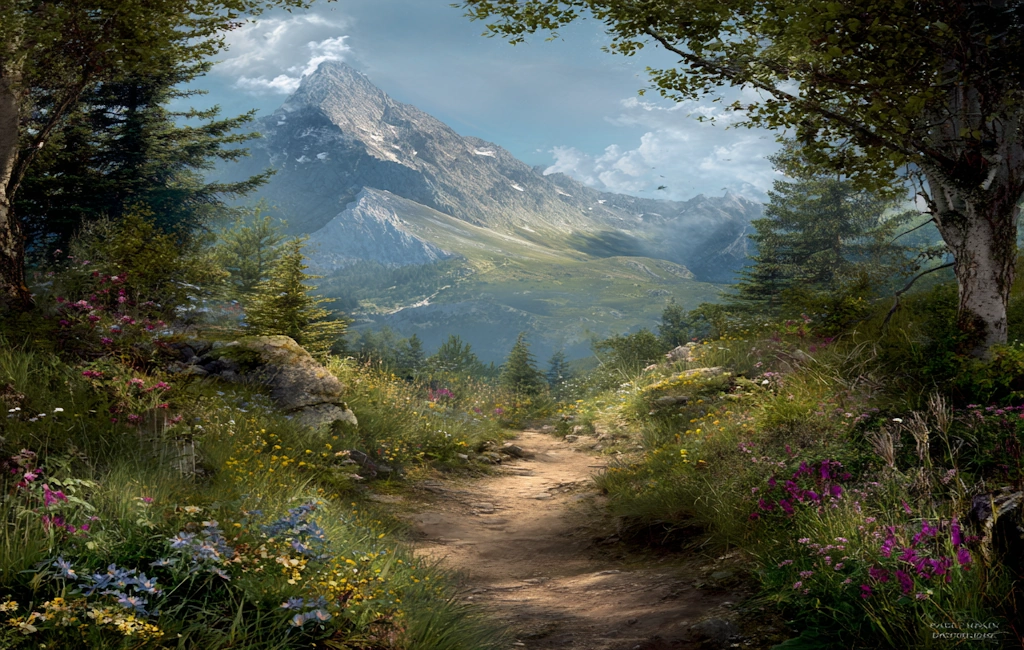
Barre des Écrins Route
The Barre des Écrins Route is a demanding alpine trek in the heart of the French Alps, offering a challenging ascent towards the summit of the Barre des Écrins, the highest peak in the Dauphiné Alps. This route is not a casual hike but a serious mountaineering objective, typically undertaken by experienced climbers with appropriate skills and equipment. It traverses rugged terrain, glaciers, and exposed rock, demanding a high level of fitness, technical proficiency, and acclimatisation. The journey is rewarded with breathtaking panoramic views of the surrounding massifs and a profound sense of accomplishment.
- Distance: 12.0 km (one-way to summit approach)
- Elevation Gain: 1300 m (to Refuge des Écrins)
- Duration: 1-2 days (depending on acclimatisation and conditions)
- Difficulty: Very Challenging (Mountaineering)
- Best Time: June to September (conditions dependent)
- Closest City: Briançon, France
- Trailhead Access: Ailefroide/Pré de Madame Carle
Overview
The Barre des Écrins Route is a gateway to one of the most iconic peaks in the French Alps. While the full ascent to the summit of Barre des Écrins (4,102 m) is a significant mountaineering undertaking requiring glacier travel, crevasse rescue skills, and potentially ice climbing, this description focuses on the approach to the Refuge des Écrins and the initial stages of the summit push. The journey begins from the picturesque valley of Ailefroide, near the village of Pelvoux, and ascends through a dramatic landscape of granite spires, alpine meadows, and eventually, glacial ice.
The initial ascent to the Refuge des Écrins (3,170 m) is a strenuous hike in itself, gaining over 1,300 metres of elevation. This section is often completed in a single, long day or split into two days for better acclimatisation. The trail winds through the Vallon de Narreyroux, passing waterfalls and offering increasingly spectacular views of the surrounding peaks, including the imposing north face of the Barre des Écrins. The refuge itself is a vital staging post, perched precariously on a rocky outcrop, providing a base for acclimatisation and the final push towards the summit.
From the refuge, the route transitions into true alpine terrain. Depending on conditions and the climber's experience, the approach to the summit involves navigating the Glacier de Bonne Pierre and the Glacier du Dôme. The final ascent to the summit of Barre des Écrins is a technical climb, often involving steep snow and ice, and requires careful route-finding and adherence to mountaineering best practices. The panoramic views from the summit are unparalleled, encompassing the entire Écrins massif and beyond.
This route is best suited for experienced mountaineers who are comfortable with high-altitude environments, glacier travel, and the use of crampons, ice axes, and ropes. It is crucial to be well-prepared, physically fit, and to have a thorough understanding of the risks involved.
History and Cultural Context
The Écrins massif, and specifically the Barre des Écrins, has a rich history of exploration and mountaineering. The first ascent of the Barre des Écrins was achieved on 25 June 1864 by British mountaineer Edward Whymper, accompanied by guides Jean-Baptiste Croz, François Cachat, and Michel Croz. This ascent was a significant achievement in the golden age of alpinism, marking a period of intense exploration of the Alps' highest peaks.
The region has long been a focus for geologists, botanists, and cartographers due to its unique alpine environment and rich mineral deposits. The establishment of mountain refuges, such as the Refuge des Écrins, played a crucial role in facilitating access and research in this remote and challenging terrain. These refuges, often built in difficult-to-access locations, are testaments to the ingenuity and perseverance of early mountaineers and the alpine clubs that supported their endeavours.
The Barre des Écrins is part of the vast Parc National des Écrins, established in 1973. This national park is the second largest in France and is renowned for its dramatic glaciated landscapes, diverse flora and fauna, and its commitment to preserving the natural environment. The park's creation aimed to protect this fragile alpine ecosystem from the pressures of mass tourism and development, ensuring its preservation for future generations.
The cultural significance of the Écrins extends to the local communities in the surrounding valleys, such as Briançon and Pelvoux. These communities have historically relied on agriculture, forestry, and later, tourism, to sustain themselves. The mountains have always been an integral part of their lives, shaping their traditions, folklore, and economy. The Barre des Écrins, as the highest point, holds a special place in the collective imagination of the region.
Seasonal Highlights and Weather Reality
The optimal season for attempting the Barre des Écrins Route is generally from June to September. During this period, the snowpack is typically more stable, and the weather is more predictable, although still highly variable in the high mountains.
June: Early June can still see significant snow cover, especially at higher elevations. Glacier conditions may be less predictable, with potential for deep snow or early crevasses. The Refuge des Écrins may not be fully operational or staffed at the beginning of the month. Conditions are best suited for experienced climbers comfortable with winter mountaineering techniques.
July and August: These are the peak months for mountaineering in the Écrins. The snow generally recedes from the lower sections of the route, and the glaciers are more accessible. However, these months also bring the highest risk of thunderstorms, which can develop rapidly in the afternoons. Climbers should aim to start their ascents very early in the morning to avoid the most dangerous weather conditions.
September: September can offer excellent climbing conditions with stable weather and fewer crowds. The autumn colours in the lower valleys can be spectacular. However, temperatures will be colder, and the possibility of early snowfall increases as the month progresses. The Refuge des Écrins typically closes towards the end of September.
Weather Reality: The Alps, and particularly the Écrins massif, are known for their unpredictable weather. Even in summer, conditions can change dramatically and rapidly. Expect strong winds, sudden temperature drops, heavy rain, and even snow at high altitudes. Hypothermia is a significant risk, even on seemingly clear days. It is imperative to check the mountain forecast meticulously before and during your trip and to be prepared for all eventualities.
Recommended Itinerary
Barre des Écrins Summit Approach (1-2 Days)
Day 1: Ascent to Refuge des Écrins
- Distance: Approximately 7.0 km
- Elevation Gain: Approximately 1300 m
- Time: 5–7 hours
- Start Point: Pré de Madame Carle (1,874 m)
- End Point: Refuge des Écrins (3,170 m)
- Description: The trail begins from the large car park at Pré de Madame Carle, following the GR5 path. The initial section is a well-maintained but steep path through the Vallon de Narreyroux. You will pass the Cascades de Narreyroux and enjoy increasingly dramatic views of the surrounding peaks, including the imposing north face of the Barre des Écrins. The terrain becomes rockier and more exposed as you gain altitude. The refuge is situated on a rocky spur, offering a dramatic location and excellent views.
- Acclimatisation: Spending a night at the refuge is highly recommended for acclimatisation to the altitude before attempting the summit.
Day 2: Summit Attempt (Barre des Écrins)
- Distance: Approximately 5.0 km (round trip from refuge to summit)
- Elevation Gain: Approximately 932 m (to summit)
- Time: 7–10 hours (round trip)
- Start Point: Refuge des Écrins (3,170 m)
- End Point: Summit of Barre des Écrins (4,102 m) and return to Refuge des Écrins or descend further
- Description: This is a serious mountaineering day. The route typically involves:
- Crossing the Glacier de Bonne Pierre (requires glacier travel skills, crampons, ice axe, and rope).
- Ascending the Glacier du Dôme.
- Navigating the final ridge to the summit. This section can be steep and exposed, often requiring the use of crampons and ice axe.
- Descent: The descent follows the same route back to the refuge. From the refuge, you can descend back to Pré de Madame Carle on the same day (a long descent) or stay another night.
- Alternative: Some parties may choose to descend directly from the summit towards the Glacier de la Pilatte, but this is a more complex and technical descent route.
Important Notes:
- This itinerary assumes good weather and conditions. Always be prepared to turn back if conditions deteriorate.
- Acclimatisation is crucial. If you are not accustomed to high altitudes, consider spending an extra night at the refuge or doing day hikes at intermediate altitudes.
- This is a mountaineering route, not a hike. Proper technical skills and equipment are essential.
- Always check the latest weather forecast and avalanche conditions before setting out.
Planning and Bookings
Book Your Trip
Everything you need to plan your journey
Accommodation
Find places to stay near Briançon
Flights
Search flights to Briançon
Essential Preparation
The Barre des Écrins Route is a significant mountaineering objective that requires meticulous planning and preparation. Fitness is paramount; you must be able to sustain a high level of exertion for extended periods at altitude. This includes cardiovascular endurance, leg strength, and the ability to carry a pack weighing 10-15 kg. Prior experience with high-altitude trekking and basic mountaineering techniques is highly recommended.
Logistics: The closest major city is Briançon, which offers comprehensive services including outdoor gear shops, supermarkets, and accommodation. From Briançon, you can drive or take a bus to the village of Pelvoux, and then continue to the car park at Pré de Madame Carle, the trailhead for the ascent to Refuge des Écrins. The road to Pré de Madame Carle is paved but can be narrow and winding in places. Ensure your vehicle is suitable for mountain roads.
Base Town: Briançon is an excellent base town. It is a historic fortified city with a UNESCO World Heritage site, offering plenty of amenities and accommodation options ranging from budget hostels to comfortable hotels. Pelvoux is a smaller village closer to the trailhead, offering a more tranquil setting.
Trail Accommodation
The primary accommodation for this route is the Refuge des Écrins (3,170 m). This is a staffed mountain refuge that provides basic accommodation and meals for mountaineers and hikers.
Booking Requirements: Reservations are essential, especially during the peak season (July and August). Bookings can typically be made directly with the refuge management or through the French Alpine Club (Club Alpin Français - CAF). It is advisable to book several weeks or even months in advance.
Facilities Provided:
- Dormitory-style sleeping quarters with mattresses and blankets.
- A communal dining area where meals are served.
- Basic toilet facilities.
- Access to water (often from melting snow or a spring, treatment may be advisable).
- Guardians who prepare meals and manage the refuge.
What's NOT Provided:
- Pillows or sleeping bags (a sleeping bag liner is usually mandatory).
- Cooking equipment or food for self-catering (unless you are specifically arranging this with the guardians).
- Electricity for charging devices (limited charging facilities may be available, but do not rely on them).
- Showers.
Seasonal Availability: The Refuge des Écrins is typically open from late May or early June to late September or early October, depending on snow conditions and guardian availability. Outside of these dates, it may be closed or operate in a winter, unstaffed mode with basic shelter only.
Costs: Costs vary but expect to pay approximately €50-€70 per person per night for half-board (dinner, breakfast, and overnight stay). Prices are subject to change.
Alternative: For those with advanced mountaineering skills and appropriate gear, bivouacking near the refuge or in designated areas might be an option, but this requires careful planning and adherence to park regulations.
Required Gear
- Mountaineering Boots: Sturdy, waterproof, insulated mountaineering boots with a stiff sole suitable for crampons.
- Crampons: Steel crampons compatible with your boots, suitable for glacier travel and steep snow/ice.
- Ice Axe: A technical ice axe suitable for mountaineering ascents.
- Helmet: Essential for protection against rockfall and icefall.
- Harness: A comfortable climbing harness.
- Rope: A dynamic climbing rope (typically 50-60m), suitable for glacier travel and potential short pitches.
- Belay Device and Karabiners: For rope management and safety.
- Waterproof Jacket and Trousers: High-quality, breathable, and fully waterproof outer layers (e.g., Gore-Tex).
- Warm Layers: Synthetic or down insulated jacket, fleece mid-layers, thermal base layers (merino wool or synthetic).
- Gloves: Multiple pairs of warm, waterproof gloves and liner gloves.
- Hat: Warm beanie or balaclava.
- Gaiters: To prevent snow and debris from entering your boots.
- Head Torch: With spare batteries, essential for early starts and potential night descents.
- Sunglasses: High-quality, UV-protective glacier glasses.
- Sunscreen: High SPF (50+).
- First Aid Kit: Comprehensive kit including blister treatment, pain relief, bandages, antiseptic wipes, and any personal medications.
- Navigation Tools: Map of the area, compass, and GPS device or smartphone with offline maps.
- Emergency Bivvy Bag: Lightweight emergency shelter.
What to Bring
- Food: High-energy snacks for the ascent and descent (e.g., energy bars, nuts, dried fruit, chocolate). If not taking half-board at the refuge, you will need to carry all your food.
- Water Bottles/Hydration Reservoir: At least 2 litres capacity. Water sources can be scarce at altitude; consider a water filter or purification tablets.
- Toiletries: Toothbrush, toothpaste, biodegradable soap, small towel, toilet paper.
- Personal Items: Camera, power bank for electronics, book or journal for downtime at the refuge.
- Duffel Bag: For carrying gear to the refuge if you are using a porter service or for storing excess gear if you are not taking it to the summit.
- Cash: For refuge fees and any purchases at the trailhead. Credit card facilities may be limited.
- Identification: Passport or ID.
Permits
For general hiking and access to the Refuge des Écrins, no specific hiking permit is required for the approach trail from Pré de Madame Carle. However, access to the Refuge des Écrins itself requires a reservation, and the mountain environment necessitates adherence to park regulations.
Refuge Reservations: As mentioned in the accommodation section, booking your stay at the Refuge des Écrins is mandatory, especially during the peak season. These reservations are managed by the refuge guardians or the French Alpine Club (CAF). It is crucial to secure these bookings well in advance.
Parc National des Écrins Regulations: While no specific permit is needed for the hiking route itself, visitors must respect the regulations of the Parc National des Écrins. These regulations are in place to protect the fragile alpine environment and include rules regarding:
- Camping: Wild camping is generally prohibited within the national park, especially at high altitudes and near refuges. Designated camping areas may exist in lower valleys, but for this route, the refuge is the primary accommodation.
- Waste Disposal: All litter must be packed out. Do not leave any waste behind.
- Fires: Open fires are strictly forbidden.
- Wildlife: Do not disturb or feed any wildlife.
- Respect for the Environment: Stay on marked trails where they exist and avoid damaging vegetation.
Mountaineering Permits: For the summit of Barre des Écrins, no specific mountaineering permit is required for individuals or small groups undertaking a personal ascent. However, if you are hiring a certified mountain guide, their fees will cover the logistical aspects of your ascent, and they will ensure all necessary safety protocols are followed.
Important Note: Always check the official website of the Parc National des Écrins or consult with local mountain guides or tourist information offices for the most up-to-date information regarding regulations and any potential changes.
Other Activities in the Area
The Écrins National Park and its surrounding valleys offer a wealth of activities for outdoor enthusiasts, extending beyond the Barre des Écrins summit attempt:
- Hiking and Trekking: Numerous well-marked hiking trails cater to all levels, from gentle valley walks to challenging multi-day treks. The GR5 (Grande Randonnée 5) passes through the region, offering extensive long-distance hiking opportunities.
- Rock Climbing: The Ailefroide area is renowned for its excellent granite climbing routes, with crags suitable for beginners and experienced climbers alike.
- Via Ferrata: Several via ferrata routes are available in the region, offering a thrilling way to experience the mountains with fixed cables, ladders, and bridges.
- Canyoning: The numerous rivers and gorges in the Écrins provide ideal conditions for canyoning, with guided tours available for various skill levels.
- Mountain Biking: Dedicated mountain bike trails and routes are available, offering a different perspective on the alpine landscape.
- Via Alpina: This long-distance hiking trail network crosses the Alps, with sections passing through the Écrins massif, offering opportunities for extended trekking.
- Exploring Villages: Visit charming alpine villages like Briançon (with its Vauban fortifications), Pelvoux, and Vallouise, which offer local culture, history, and amenities.
- Photography: The dramatic landscapes, glaciers, and alpine flora provide endless opportunities for stunning photography.
- Glacier Hiking and Ice Climbing Courses: For those looking to develop their skills, numerous guiding services offer courses in glacier travel, crevasse rescue, and ice climbing.
Safety and Conditions
Pre-Departure Checks:
- Weather Forecast: Always check the most up-to-date mountain weather forecast from reliable sources (e.g., Météo-France, local mountain rescue services) immediately before and during your trip. Be prepared for rapid changes.
- Route Conditions: Consult with local mountain guides or the guardians at Refuge des Écrins for current route conditions, snow levels, and any specific hazards.
- Avalanche Risk: If travelling outside the peak summer months, check the avalanche bulletin for the region.
- Road Conditions: Ensure the road to Pré de Madame Carle is open and accessible.
Alpine Hazards:
- Altitude Sickness: Ascend gradually and allow for acclimatisation. Symptoms can include headache, nausea, dizziness, and fatigue. Descend if symptoms worsen.
- Crevasses: The glaciers are riddled with crevasses, some of which can be hidden by snow. Always travel roped up with experienced partners and use appropriate glacier travel techniques.
- Rockfall and Icefall: Be aware of your surroundings, especially when traversing steep slopes or areas below cliffs. Wear a helmet at all times.
- Weather Changes: The weather in the Alps can change extremely rapidly. Be prepared for sudden storms, strong winds, heavy rain, and snow, even in summer. Hypothermia is a serious risk.
- Exposure: High altitudes and exposed ridges can lead to frostbite and windburn. Protect exposed skin.
- Navigation: Visibility can drop to zero in fog or storms. Ensure you have reliable navigation tools and know how to use them.
Emergency Procedures:
- Emergency Numbers: In France, the general emergency number is 112. For mountain rescue, specific numbers may be available through local authorities or the refuge.
- Personal Locator Beacon (PLB) or Satellite Messenger: Highly recommended for remote areas where mobile phone signal is unreliable.
- Inform Someone: Always leave your detailed itinerary and expected return time with a trusted person.
Travel Insurance: Ensure your travel insurance covers high-altitude mountaineering and potential emergency evacuation. This is non-negotiable for such an undertaking.
Side Trips and Points of Interest
Vallon de Narreyroux: The initial approach to the Refuge des Écrins follows the beautiful Vallon de Narreyroux. This valley is characterised by its lush alpine meadows, cascading waterfalls, and dramatic granite formations. The Cascades de Narreyroux are a particularly impressive sight, offering a refreshing stop and excellent photo opportunities.
Dôme de Neige des Écrins: While not the main summit, the Dôme de Neige des Écrins (4,015 m) is a significant point on the route to the Barre des Écrins. It offers a slightly easier ascent than the main summit and still provides spectacular panoramic views. It is often considered a good objective for those seeking a high-altitude experience without the full technicality of the Barre des Écrins summit.
Glacier de Bonne Pierre and Glacier du Dôme: These glaciers are integral parts of the ascent route. While they present objective hazards (crevasses, seracs), they are also magnificent features of the alpine landscape, showcasing the raw power of nature. Understanding and navigating these glacial environments is a key part of the mountaineering experience.
Views from the Refuge: The Refuge des Écrins itself is situated in a breathtaking location. Even if you are not attempting the summit, the views from the refuge are spectacular, offering a commanding perspective of the surrounding peaks and valleys. It's an ideal spot for acclimatisation and enjoying the alpine scenery.
The North Face of Barre des Écrins: This imposing and formidable face is a classic objective for experienced alpinists. While the standard route approaches from the south, the sheer scale and grandeur of the north face are visible throughout the ascent and are a constant reminder of the challenging nature of the Écrins massif.
Leave No Trace
The Barre des Écrins Route traverses a pristine and fragile alpine environment within the Parc National des Écrins. Adhering to Leave No Trace principles is paramount to preserving this wilderness for future generations.
Your responsibility as a mountaineer:
- Pack it in, Pack it out: Carry out all your rubbish, including food scraps, wrappers, and any other waste. Do not bury or burn it.
- Stay on the Trail: Where marked trails exist, stay on them to minimise erosion and protect delicate alpine vegetation. Off-trail travel should be done with extreme care and only when necessary for the ascent.
- Minimise Campfire Impacts: Campfires are prohibited in the Parc National des Écrins. Use a stove for cooking.
- Respect Wildlife: Observe wildlife from a distance and never feed them. Their natural behaviours and diets are crucial for their survival.
- Travel and Camp on Durable Surfaces: Use designated campsites or the refuge. Avoid trampling vegetation or disturbing sensitive areas.
- Dispose of Waste Properly: Use designated toilet facilities at the refuge. If nature calls elsewhere, dig a cathole at least 60 metres away from water sources, trails, and campsites. Pack out all toilet paper.
- Leave What You Find: Do not take rocks, plants, or any other natural objects. Leave them for others to enjoy.
- Be Considerate of Other Visitors: Maintain a low profile, avoid loud noises, and respect the solitude of the mountain environment.
The high-altitude environment is particularly sensitive to human impact. Every effort should be made to tread lightly and leave the mountains as you found them, or even better.
 France