
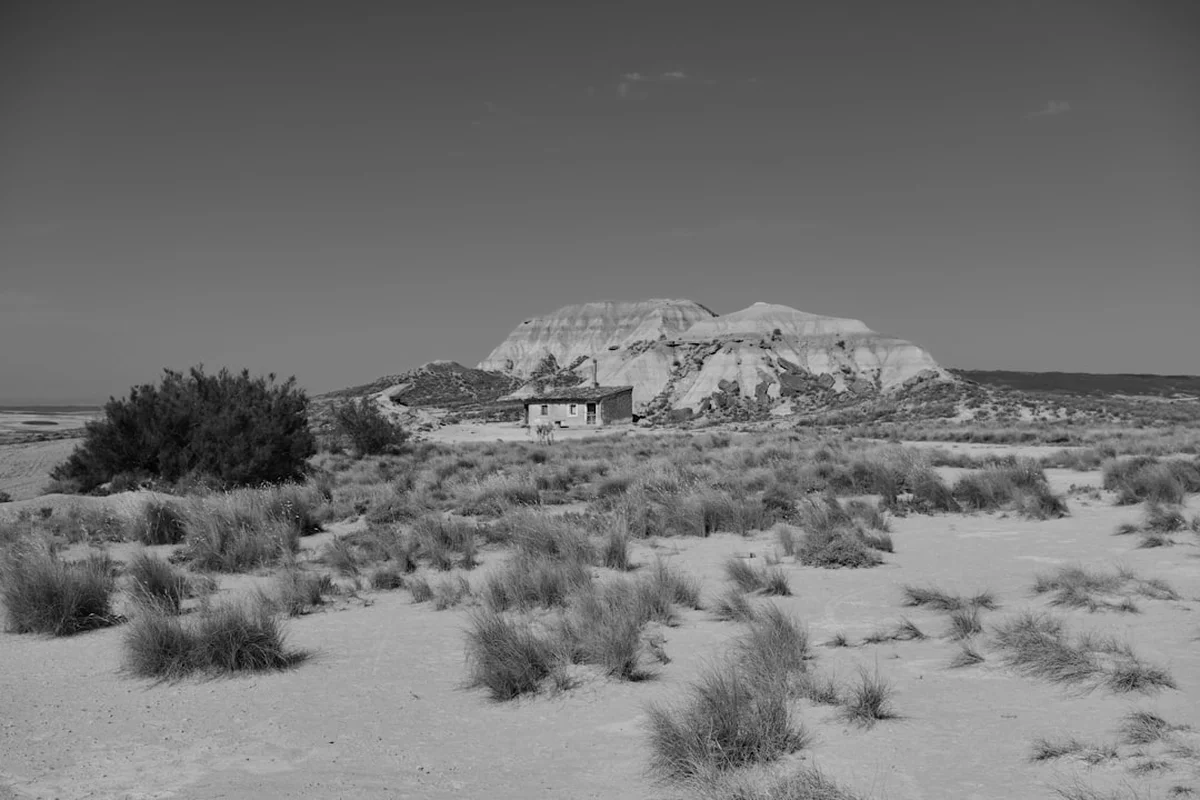
Bardenas Reales Desert Trek
The Bardenas Reales Desert Trek is a captivating exploration of Spain's largest protected desert landscape, a UNESCO Biosphere Reserve in Navarre. This unique semi-arid region, sculpted by millennia of erosion, presents a dramatic tableau of badlands, canyons, and striking rock formations. Unlike the lush greenery of many European trails, the Bardenas offers a stark, almost lunar beauty, characterised by its ochre and red hues, sparse vegetation, and a profound sense of isolation. The trek is a journey through geological time, where wind and water have carved an extraordinary natural amphitheatre, revealing layers of sedimentary rock that tell the story of millions of years of Earth's history. It's a walk that challenges perceptions of European landscapes, offering a raw, elemental experience for those seeking something truly different.
- Distance: 40.0 km
- Duration: 1-2 days
- Season: Spring and Autumn (March-May and September-November)
- Difficulty: Moderate
- Closest City: Tudela
- Trailhead Access: Nearest airport: Pamplona (PNA). From Pamplona, take a bus to Tudela, then a taxi/bus to the Aguilares Visitor centre (trailhead). Car is easiest: A-68 highway. Park at Visitor centre (limited spaces). No permits generally required for hiking, but check local regulations before going.
- Coordinates: 42.1833, -1.5833
Overview
The Bardenas Reales is a geological marvel, a vast expanse of clay, sandstone, and gypsum that has been sculpted by water and wind into a surreal landscape. The trek is not a single, well-defined path but rather a network of trails and tracks that allow for exploration of its most iconic features. The terrain is varied, ranging from dusty plains and dry riverbeds to steep, eroded slopes and dramatic rock formations. The most famous of these formations include the Castildetierra (Little Castle Earth), a striking pillar of sandstone topped by a caprock, and the Blanca (White) Bardenas, an area characterised by its white gypsum soils and salt pans.
The landscape is deceptively harsh. While it appears barren, it supports a unique ecosystem adapted to arid conditions, with hardy shrubs, grasses, and a surprising diversity of birdlife, including several species of raptors. The silence of the Bardenas is profound, broken only by the wind whistling through the canyons or the distant call of a bird. The colours of the landscape shift dramatically with the light, from the soft pastels of dawn to the fiery reds and oranges of sunset. This is a place that rewards slow travel, encouraging walkers to pause, observe, and absorb the unique atmosphere.
The moderate difficulty of the trek stems from the terrain and the potential for heat, especially during the shoulder seasons. While there are no extreme ascents, the distance and the need for self-sufficiency in a remote environment require good preparation. The Bardenas Reales offers a truly immersive experience in a landscape that feels ancient and untamed, a stark contrast to the more familiar European countryside.
History and Cultural Context
The Bardenas Reales have a long and varied history, shaped by both natural forces and human activity. For centuries, this arid land has been used for grazing livestock, a practice that continues to this day, albeit on a smaller scale. The nomadic shepherds who once traversed these lands left their mark on the landscape and its culture, their traditions echoing in the sparse settlements and the enduring connection to the land.
Archaeological evidence suggests human presence in the Bardenas dating back to prehistoric times. The area's unique geological formations have also played a role in local folklore and legends, with many of the striking rock formations inspiring tales of ancient spirits and mythical creatures. The region's strategic location has also meant it has witnessed various historical events, from Roman settlements to periods of conflict and territorial disputes.
In more recent times, the Bardenas Reales gained recognition for its ecological significance. In 1999, it was declared a Natural Park, and in 2000, it was designated a UNESCO Biosphere Reserve, highlighting its importance for conservation and sustainable development. This designation aims to balance the protection of its unique natural and cultural heritage with the needs of the local communities who depend on the land.
The nearby city of Tudela, with its rich history and diverse cultural influences, serves as a gateway to the Bardenas. Its medieval old town, Moorish heritage, and vibrant culinary scene offer a fascinating counterpoint to the wildness of the desert landscape.
Seasonal Highlights and Weather Reality
The Bardenas Reales experiences a continental semi-arid climate, with hot summers and cold winters. The best times to visit are during the spring and autumn months, when the temperatures are more moderate and the landscape is at its most visually appealing.
Spring (March-May): This is arguably the most beautiful time to visit. The desert floor comes alive with a carpet of wildflowers, creating a stunning contrast against the ochre and red soils. Temperatures are pleasant, typically ranging from 10°C to 25°C, making it ideal for hiking. However, spring can also bring occasional rainfall, which can temporarily make some tracks muddy or impassable.
Autumn (September-November): Similar to spring, autumn offers mild temperatures, generally between 15°C and 25°C. The light is often softer, casting a warm glow over the landscape, and the risk of rain is lower than in spring. The colours of the sparse vegetation can also take on a golden hue, adding to the visual appeal.
Summer (June-August): Summers in the Bardenas Reales are extremely hot, with temperatures frequently exceeding 35°C and sometimes reaching over 40°C. Hiking during this period is strongly discouraged due to the risk of heatstroke and dehydration. If you must visit in summer, it is essential to do so very early in the morning or late in the evening, and to carry an ample supply of water.
Winter (December-February): Winters are cold, with average temperatures ranging from 5°C to 12°C. Frost is common, and occasional snow can fall, transforming the landscape into a starkly beautiful, monochrome scene. While hiking is possible, the cold and shorter daylight hours make it a less ideal time for extended exploration. The ground can also be frozen or muddy after rain.
Weather Reality: Despite its semi-arid classification, the Bardenas can experience sudden weather changes. Flash floods can occur after heavy rainfall, transforming dry riverbeds into dangerous torrents. It is crucial to check the weather forecast before and during your visit and to be aware of the potential for extreme conditions.
Recommended Itinerary
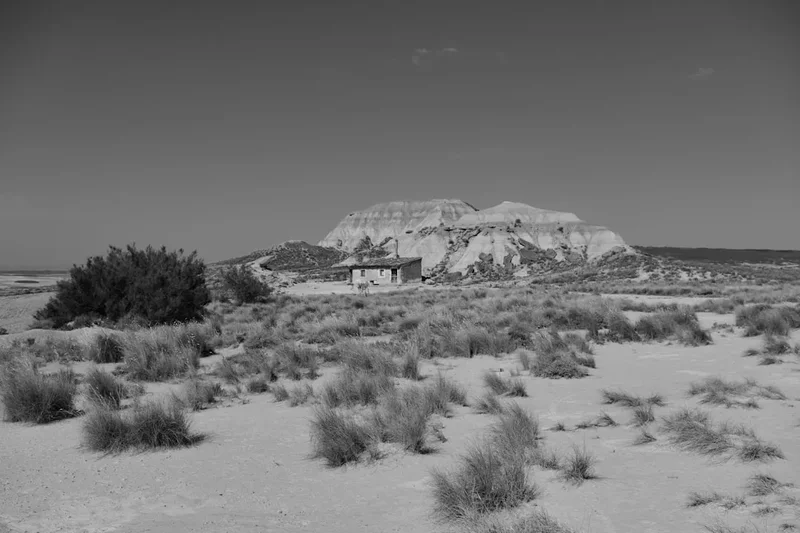
Bardenas Reales Desert Trek - 2-Day Itinerary
Day 1: Aguilares Visitor centre to Piskerra Area (or nearby designated camping)
- Distance: Approximately 20 km
- Elevation gain: Variable, generally undulating terrain with some short, steep climbs
- Time: 5–7 hours
- Morning: Arrive at Aguilares Visitor centre. Collect maps, check local conditions, and familiarise yourself with the area. Begin your trek heading towards the heart of the Bardena Blanca.
- Midday: Traverse the open plains, observing the unique geological formations. Aim to reach the vicinity of Castildetierra, the iconic sandstone pillar. Take time for photography and to appreciate the scale of the landscape.
- Afternoon: Continue towards the Piskerra area, known for its dramatic erosion patterns and clay formations. If camping is permitted and planned, identify a suitable, designated spot. Ensure you have sufficient water and food for the evening and the next day.
- Evening: Set up camp (if applicable) or find accommodation in a nearby rural guesthouse if pre-booked. Enjoy the profound silence and the star-filled sky, which is spectacular in this remote location.
Day 2: Piskerra Area to Aguilares Visitor centre (via Bardena Negra)
- Distance: Approximately 20 km
- Elevation gain: Variable, with some ascents and descents
- Time: 5–7 hours
- Early Morning: Depart from your campsite or accommodation. Head towards the Bardena Negra (Black Bardenas), a contrasting area characterised by darker soils and more rugged terrain.
- Morning: Explore the unique formations of the Bardena Negra, which offer a different geological perspective. Look out for signs of wildlife adapted to this harsher environment.
- Midday: Navigate through dry riverbeds and along winding tracks. The terrain can be challenging in places, requiring careful footing.
- Afternoon: Begin your return journey towards the Aguilares Visitor centre. The route may involve crossing some of the more open, flatter areas of the park.
- Late Afternoon: Arrive back at the Aguilares Visitor centre, completing your Bardenas Reales Desert Trek.
Alternative 1-Day Itinerary (for experienced hikers):
- This is a strenuous day hike covering the full 40 km. It requires an extremely early start (pre-dawn) and a high level of fitness.
- Focus on a loop that covers the most iconic areas like Castildetierra and key formations in both Bardena Blanca and Bardena Negra.
- Carry significantly more water and food than for a 2-day trip.
- Be prepared for a long day with limited shade and potential for heat.
Important Notes:
- This is a semi-arid region; water sources are scarce to non-existent. Carry all the water you will need.
- There is very limited shade. Sun protection is paramount.
- The terrain can be rough and uneven. Sturdy hiking boots are essential.
- Respect the environment: stay on marked paths where possible, do not disturb rock formations, and pack out all litter.
- Check local regulations regarding camping and fires, as these may be restricted.
- Mobile phone signal can be intermittent. Inform someone of your plans and expected return time.
Planning and Bookings
Book Your Trip
Everything you need to plan your journey
Accommodation
Find places to stay near Tudela
Flights
Search flights to Tudela
Essential Preparation
The Bardenas Reales is a vast and remote natural park, requiring careful planning to ensure a safe and enjoyable experience. The closest major town is Tudela, which serves as the primary logistical hub. From Tudela, you can access the park via public transport (limited) or, more conveniently, by private vehicle. Parking is available at the Aguilares Visitor centre, which is the main entry point and information hub for the Bardena Blanca section. For those planning to explore the Bardena Negra, access points may vary, and a vehicle is highly recommended.
Given the lack of facilities within the park, it is crucial to be self-sufficient. This means carrying all necessary food, water, and safety equipment. Accommodation options are limited to designated camping areas (if permitted and available) or rural guesthouses and hotels in the surrounding villages and Tudela itself. Booking accommodation in advance is highly advisable, especially during peak seasons (spring and autumn).
Familiarise yourself with the park's layout and the specific trails you intend to follow. While the main visitor centre provides maps, having a reliable GPS device or a detailed offline map on your smartphone is recommended, as mobile signal can be unreliable in certain areas.
Trail Accommodation
The Bardenas Reales is a natural park with limited infrastructure. Overnight accommodation options are scarce within the park itself, and it is essential to plan this aspect carefully.
Camping: Camping is generally permitted in designated areas within the Bardenas Reales, but regulations can change and it is crucial to verify current rules with the park authorities or the Aguilares Visitor centre before your visit. There are no formal campsites with facilities like toilets or water points. Campers must be entirely self-sufficient and adhere to strict Leave No Trace principles. Fires are typically prohibited.
Rural Guesthouses/Agroturismos: Several charming rural guesthouses (agroturismos) are located in the villages surrounding the Bardenas Reales, such as Arguedas, Valtierra, and Cadreita. These offer a more comfortable and convenient option for overnight stays, often providing meals and local hospitality. Booking well in advance is recommended, particularly during the popular spring and autumn seasons.
Hotels in Tudela: The city of Tudela offers a wider range of hotel accommodations, from budget-friendly options to more upscale establishments. This is a good base for those who prefer city amenities and easy access to restaurants and shops. Tudela is approximately a 15-20 minute drive from the Aguilares Visitor centre.
What's NOT Provided: Within the park, there are no facilities such as toilets, running water, shops, or restaurants. You must carry all your supplies. Even in rural guesthouses, expect traditional, often rustic, amenities rather than resort-style services.
Seasonal Availability: Accommodation in rural guesthouses and hotels is available year-round, though availability may be reduced during the off-peak winter months. Camping regulations are most strictly enforced during the warmer, more popular spring and autumn seasons.
Costs: Prices vary significantly. Basic camping (if permitted) is usually free or very low cost. Rural guesthouses can range from €60-€120 per night for a double room. Hotels in Tudela can range from €50-€150+ per night, depending on the star rating and season.
Required Gear
- Sturdy hiking boots: Essential for navigating the uneven, rocky, and sometimes sandy terrain. Ensure they are well broken-in.
- Backpack: A comfortable daypack (20-30 litres) for a day hike, or a larger multi-day pack (40-60 litres) if camping overnight. A rain cover is advisable.
- Waterproof and windproof jacket: Weather can change quickly, and wind can be a significant factor in the open desert.
- Sun hat: Wide-brimmed to protect face and neck from intense sun.
- Sunglasses: High UV protection is crucial.
- Sunscreen: High SPF (50+) and apply liberally and frequently.
- First-aid kit: Including blister treatment, pain relievers, antiseptic wipes, bandages, and any personal medications.
- Navigation tools: Detailed map of the Bardenas Reales, compass, and a GPS device or smartphone with offline maps downloaded. Mobile signal is unreliable.
- Head torch: With spare batteries, essential if camping or for early starts/late finishes.
- Trekking poles: Highly recommended for stability on uneven ground and to reduce strain on knees during descents.
What to Bring
- Water: This is the most critical item. Carry at least 3-4 litres per person per day, more if hiking in warmer months or during strenuous activity. There are no reliable water sources within the park.
- Food: High-energy, non-perishable food for all meals and snacks. Consider dried fruits, nuts, energy bars, sandwiches, and jerky.
- Water purification tablets or filter: As a backup, though relying on finding water is not advised.
- Toiletries: Biodegradable soap, toothbrush, toothpaste, hand sanitiser, and toilet paper. Pack out all used toilet paper.
- Insect repellent: While not as prevalent as in other environments, some biting insects can be present, especially near water sources after rain.
- Camera: To capture the unique landscapes.
- Power bank: For charging electronic devices like phones and GPS.
- Binoculars: For observing wildlife, particularly birds of prey.
- Small trowel: For burying human waste if camping and no toilet facilities are available (follow LNT principles).
- Trash bags: To pack out all your waste.
Permits
For general hiking and exploration of the Bardenas Reales Natural Park, no specific permits are typically required for individuals or small groups. The park is generally accessible to the public for day visits. However, it is always advisable to check the latest regulations with the official park authorities or the Aguilares Visitor centre before your visit, as rules can be subject to change, especially concerning specific activities or access to certain areas.
Key points regarding access and permits:
- Day Access: The park is open for day visitors. The main access point for the Bardena Blanca is via the Aguilares Visitor centre, where you can obtain maps and information.
- Camping: If you plan to camp overnight within the park, you must verify current regulations. Designated camping areas may exist, and specific rules regarding duration, location, and fire restrictions will apply. It is crucial to obtain this information from official sources to avoid penalties.
- Group Hikes and organised tours: Larger groups or organised tours may require specific permissions or bookings, especially if they plan to use certain facilities or access restricted areas.
- Filming and Photography: For commercial filming or large-scale professional photography, permits might be necessary.
- Restricted Areas: Certain zones within the Bardenas Reales may be temporarily or permanently closed to the public for ecological reasons, military activities (there is a military air base nearby), or safety concerns. Always heed signage and follow the guidance of park rangers.
Recommendation: Before your trip, visit the official website of the Bardenas Reales Natural Park or contact the Aguilares Visitor centre directly. This will ensure you have the most up-to-date information on access, any required permits, and current park conditions.
Other Activities in the Area
Beyond the core trekking experience, the Bardenas Reales and its surroundings offer a variety of activities:
- Guided Tours: Several local operators offer guided 4x4 tours, quad bike excursions, and guided walking tours. These are an excellent way to learn about the geology, flora, fauna, and history of the Bardenas from knowledgeable local guides, and to access areas that might be difficult to reach independently.
- Birdwatching: The Bardenas Reales is a significant habitat for various bird species, including raptors like eagles and vultures, as well as larks, wheatears, and other arid-land specialists. Bring binoculars and a field guide.
- Stargazing: Due to its remote location and minimal light pollution, the Bardenas Reales is an exceptional spot for stargazing. On clear nights, the Milky Way is vividly visible.
- Cycling: Mountain biking is permitted on designated tracks within the park. The terrain can be challenging, so a robust bike and appropriate gear are essential.
- Visiting Tudela: Explore the historic city of Tudela, known for its Romanesque cathedral, Moorish quarter, and vibrant culinary scene. Sample local specialities like "verduras de Tudela" (Tudela vegetables).
- Wine Tasting: The region is part of the Navarra Denominación de Origen (DO) wine region. Visit local bodegas for wine tasting tours.
- Exploring nearby towns: Discover charming villages like Arguedas and Valtierra, which offer a glimpse into traditional Navarrese life and often have local festivals or markets.
Safety and Conditions
Heat and Dehydration: The most significant risk in the Bardenas Reales is heatstroke and dehydration, especially during warmer months. Always carry more water than you think you will need. Hike during the cooler parts of the day (early morning and late afternoon). Wear light-coloured, loose-fitting clothing, a wide-brimmed hat, and sunglasses. Know the symptoms of heat exhaustion and heatstroke.
Terrain: The ground can be uneven, with loose scree, sharp rocks, and slippery clay sections, particularly after rain. Wear sturdy hiking boots with good ankle support. Trekking poles can provide extra stability.
Flash Floods: Heavy rainfall, even if it occurs some distance away, can cause sudden and dangerous flash floods in the dry riverbeds and canyons. If there is any sign of rain or dark clouds, avoid low-lying areas and dry riverbeds. Check the weather forecast before you go and be prepared to alter your route or postpone your hike if heavy rain is predicted.
Navigation: While some main tracks are marked, the Bardenas Reales is a complex landscape with many intersecting paths. Mobile phone signal can be unreliable. Always carry a physical map and compass, and know how to use them. A GPS device or a reliable offline map app on your smartphone is highly recommended.
Wildlife: While large dangerous animals are not a concern, be aware of snakes (though encounters are rare) and insects. Respect any wildlife you encounter and maintain a safe distance.
Remoteness: The park is vast and sparsely populated. In case of an emergency, help may be a considerable distance away. Inform someone of your hiking plans, your intended route, and your expected return time. Consider carrying a personal locator beacon (PLB) if venturing into very remote areas.
Fires: Open fires are strictly prohibited in the Bardenas Reales due to the high risk of wildfires. Ensure all cooking equipment is safe and that no embers are left behind.
Park Regulations: Familiarise yourself with and adhere to all park regulations regarding access, camping, and environmental protection. Ignorance of the rules is not an excuse.
Side Trips and Points of Interest
Castildetierra: This is arguably the most iconic formation in the Bardenas Reales. A striking sandstone pillar topped with a harder caprock, it stands as a testament to the erosive power of wind and water. It's a popular spot for photography, especially at sunrise and sunset when the light casts dramatic shadows and highlights the rich colours of the rock.
Piskerra: Located in the Bardena Blanca, Piskerra is an area renowned for its dramatic badlands and intricate erosion patterns. It features a series of clay hills and gullies that create a surreal, almost alien landscape. Exploring Piskerra offers a chance to see the raw, sculpted beauty of the desert up close.
Bardena Negra: Contrasting with the lighter soils of the Bardena Blanca, the Bardena Negra (Black Bardenas) is characterised by darker, more fertile soils and a different type of vegetation. The terrain here is often more rugged, with steeper slopes and deeper ravines. It offers a different geological perspective and a chance to observe wildlife adapted to these conditions.
Barranco de los Buitres (Vulture Ravine): This area is known for its potential to spot vultures and other birds of prey soaring overhead. The dramatic cliffs and ravines provide nesting sites for these magnificent birds. Binoculars are highly recommended for observing them.
Salinas de La Bardena: In certain areas, particularly in the Bardena Blanca, you can find salt pans and gypsum formations. These white, crystalline deposits create stark visual contrasts with the surrounding red and ochre soils and are a unique feature of the Bardenas' geology.
Mirador de Castildetierra: A designated viewpoint offering panoramic vistas of the Castildetierra and the surrounding landscape. It's an excellent spot for photography and to appreciate the vastness of the Bardenas Reales.
Leave No Trace
The Bardenas Reales is a fragile ecosystem, and it is crucial for all visitors to practice Leave No Trace principles to preserve its unique beauty and ecological integrity for future generations. As a UNESCO Biosphere Reserve, its conservation is paramount.
Plan Ahead and Prepare: Research the park's regulations, weather conditions, and potential hazards before your visit. Be prepared to be self-sufficient, carrying all necessary food, water, and gear.
Travel and Camp on Durable Surfaces: Stick to designated trails and camping areas. Avoid walking on fragile vegetation, which can take years to recover. In areas without defined trails, walk on rock, gravel, or dry grass.
Dispose of Waste Properly: Pack out everything you pack in, including all food scraps, wrappers, and any other litter. Use designated bins where available, but be prepared to carry all waste out of the park. If camping and no toilet facilities are available, bury human waste at least 15 cm deep and 60 m (60 metres) away from water sources, camp, and trails. Pack out all toilet paper.
Leave What You Find: Do not remove or disturb natural objects such as rocks, plants, or fossils. Take only photographs and memories.
Minimize Campfire Impacts: Campfires are generally prohibited in the Bardenas Reales. If cooking, use a portable stove. If a campfire is permitted in a specific designated area (highly unlikely), use existing fire rings and ensure the fire is completely extinguished before leaving.
Respect Wildlife: Observe wildlife from a distance. Never feed animals, as this can disrupt their natural behaviours and diets. Store food securely to prevent attracting animals.
Be Considerate of Other Visitors: Respect the solitude and experience of others. Keep noise levels down, especially in natural areas. Yield to other hikers on narrow trails.
 Spain
Spain