
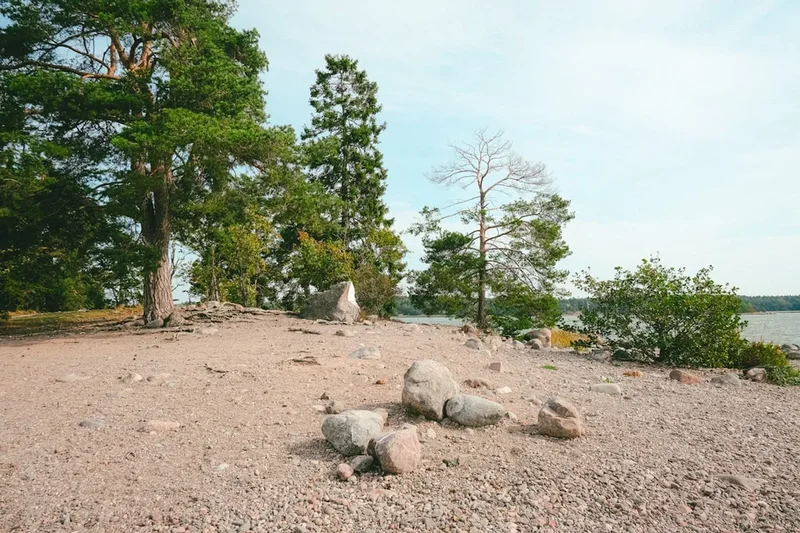
Baltic Coastal Hiking Trail
The Baltic Coastal Hiking Trail (BCT) is an ambitious long-distance route stretching approximately 1200 kilometres along the coastlines of Estonia and Latvia. This epic journey offers a unique perspective on the Baltic Sea, traversing diverse landscapes from sandy beaches and pine forests to charming fishing villages and historic port towns. It's a trail that invites slow travel, allowing walkers to immerse themselves in the natural beauty, rich cultural heritage, and distinct maritime traditions of the region. The BCT is a relatively new undertaking, aiming to connect existing coastal paths and create a continuous, marked route that showcases the best of the Baltic littoral. While challenging due to its sheer length, the trail is generally considered moderate in difficulty, with sections suitable for day hikes and longer thru-hikes alike. It’s a path for those seeking solitude, natural beauty, and a deep dive into the history and culture of Northern Europe's coastal fringe.
- Distance: 1200 km one-way
- Duration: 50–70 days
- Season: May–September (ideal for milder weather and longer daylight hours)
- Difficulty: Moderate
- Highest point: Varies, generally coastal terrain with rolling hills
- Accommodation: Mix of guesthouses, campsites, and basic shelters
- Direction: Primarily west to east, but can be walked in sections
Overview
The Baltic Coastal Hiking Trail is a monumental undertaking, a continuous path that traces the edge of the Baltic Sea across two nations. It begins in Estonia, near the border with Russia, and winds its way west and south through Latvia, culminating near the Lithuanian border. This trail is not merely a walk along the beach; it is a journey through a mosaic of environments. Expect long stretches of pristine sandy beaches, backed by whispering pine forests that offer shade and a fragrant aroma. You'll encounter rugged cliffs, dramatic dunes, and the unique ecosystems of coastal bogs and wetlands. The trail also delves into the human history of the region, passing through picturesque fishing villages where life has revolved around the sea for centuries, and historic towns that bear the marks of Hanseatic League trade and Soviet-era influence.
The BCT is a testament to the enduring connection between people and the sea. It offers a chance to witness seabirds in their natural habitat, observe the changing tides, and feel the bracing sea air. While the majority of the trail is relatively flat, following the natural contours of the coastline, there are undulating sections through coastal forests and occasional climbs over dunes that add a moderate challenge. The trail is still evolving, with ongoing efforts to ensure seamless connectivity and clear marking. This means that while the core route is established, some sections might involve short detours or require careful navigation. The reward for this effort is an unparalleled experience of the Baltic coast, far from the usual tourist crowds, offering a profound sense of discovery and connection with nature and history.
The trail's length means it's best suited for experienced long-distance hikers or those willing to break it down into manageable sections. The infrastructure varies, with well-developed sections in some areas and more basic provisions in others. This variability is part of the trail's charm, offering a genuine adventure for those who embrace it. The best time to walk is during the warmer months, from May to September, when daylight hours are long and the weather is generally favourable, though coastal weather can be unpredictable.
History and Cultural Context
The Baltic coast has been a vital artery of trade, migration, and cultural exchange for millennia. Ancient Finnic tribes, ancestors of modern Estonians and Latvians, were seafaring peoples who relied on the Baltic for sustenance and travel. Later, the Hanseatic League, a powerful medieval commercial and defensive confederation of merchant guilds and market towns, established a strong presence along this coast, fostering trade in goods like timber, grain, and furs. Many of the historic towns along the BCT, such as Tallinn and Riga, were key Hanseatic cities, and their well-preserved old towns are a testament to this prosperous era.
The region has also witnessed periods of conquest and occupation by various powers, including Sweden, Poland-Lithuania, and Russia. The 20th century brought further upheaval with the establishment of independent Baltic states, followed by Soviet occupation and then the restoration of independence in the early 1990s. These historical layers are visible in the landscape, from ancient coastal fortifications and medieval churches to the more utilitarian architecture of the Soviet period. The BCT offers a unique opportunity to walk through these historical narratives, connecting with the resilience and enduring spirit of the Baltic peoples.
The concept of a unified coastal trail is a relatively recent development, driven by a desire to promote sustainable tourism, preserve the natural environment, and celebrate the shared cultural heritage of the Baltic region. It builds upon existing local paths and hiking routes, aiming to create a cohesive and well-marked long-distance experience. The trail's development reflects a growing appreciation for the natural beauty and historical significance of the Baltic coastline, inviting both locals and international visitors to explore this often-overlooked corner of Europe.
Seasonal Highlights and Weather Reality
The Baltic Coastal Hiking Trail is best experienced during the late spring, summer, and early autumn months. The period from May to September offers the most favourable conditions for walking, with longer daylight hours and generally milder temperatures.
Spring (May-June): This is a beautiful time to start the trail. Nature awakens, with wildflowers blooming along the coast and in meadows. Birdlife is particularly active, with many migratory species returning to the region. Temperatures are cool and pleasant, ideal for hiking, though occasional rain showers are possible. The sea can still be quite cold, but the landscapes are vibrant and fresh.
Summer (July-August): These are the warmest months, with the longest daylight hours, allowing for extended walking days. The sea temperatures are at their highest, making it possible to swim in designated areas. This is also peak tourist season, so some popular coastal towns might be busier. Sandflies can be present, especially in damper, sheltered areas, so insect repellent is advisable. Expect occasional heatwaves, but also the possibility of refreshing sea breezes.
Autumn (September-October): The autumn months offer a different kind of beauty. The foliage in coastal forests begins to change, creating a colourful spectacle. The crowds thin out, and the air becomes crisp and invigorating. The sea can be more dramatic, with stronger waves and winds, offering a wilder coastal experience. However, daylight hours shorten, and the weather can become more unpredictable, with a higher chance of rain and cooler temperatures. Early autumn is generally preferred over late autumn for a more comfortable experience.
Winter (November-April): While the trail is technically accessible year-round, winter is not recommended for thru-hiking. Temperatures can drop significantly, and snow and ice can make sections impassable or hazardous. Coastal areas can be exposed to harsh winds and storms. Daylight hours are very short, limiting walking time. However, for experienced winter hikers who are well-equipped and prepared for challenging conditions, the stark beauty of the frozen coast can be a unique experience.
Recommended Itinerary
Baltic Coastal Hiking Trail - Sample Itinerary (Estonia Section)
Note: This is a sample itinerary for a portion of the Estonian section. The full 1200 km trail requires extensive planning and is best broken into smaller segments.
Day 1: Neeme to Käsmu Peninsula
- Distance: 25 km
- Elevation gain: Minimal
- Time: 6–7 hours
- Start: Neeme village, Estonia
- Walk along the coast, passing through small fishing hamlets
- Terrain: Sandy paths, forest trails, some road walking
- Key Waypoints: Jägala Waterfall (short detour), Kaberneeme village, Vergi village
- Accommodation: Guesthouse or campsite near Käsmu
- This day offers a gentle introduction to the coastal environment, with opportunities to observe local life and enjoy the sea breeze.
Day 2: Käsmu Peninsula to Lahemaa National Park Interior
- Distance: 20 km
- Elevation gain: Rolling hills
- Time: 5–6 hours
- Explore the unique Käsmu Peninsula, known for its boulder collection
- Move inland slightly to traverse parts of Lahemaa National Park
- Terrain: Forest paths, boardwalks through bogs, some gravel roads
- Key Waypoints: Käsmu Maritime Museum, Oandu Nature Centre, Viru Bog boardwalk
- Accommodation: Forest lodge or campsite within the park
- This day showcases the diverse ecosystems of Lahemaa, from coastal forests to unique bog landscapes.
Day 3: Lahemaa National Park to Rakvere Area
- Distance: 30 km
- Elevation gain: Gentle
- Time: 7–8 hours
- Continue through varied terrain, potentially rejoining the coast or following river valleys
- Terrain: Mixed forest, fields, some village roads
- Key Waypoints: Palmse Manor, Sagadi Manor (optional visits), Rakvere Castle (short detour)
- Accommodation: Guesthouse or hotel in Rakvere
- A longer day that allows for exploration of historical manors and the significant Rakvere Castle.
Day 4: Rakvere Area to Kunda
Day 5: Kunda to Narva-Jõesuu
Important Notes:
- This is a sample and can be adjusted based on fitness and available accommodation.
- Accommodation needs to be booked in advance, especially during peak season.
- Navigation aids (maps, GPS) are essential, as trail marking can vary.
- Carry sufficient water and food, as services can be sparse between settlements.
- Be prepared for changing weather conditions.
Planning and Bookings
Book Your Trip
Everything you need to plan your journey
Accommodation
Find places to stay near Riga
Flights
Search flights to Riga
Essential Preparation
The Baltic Coastal Hiking Trail is a significant undertaking, and thorough preparation is key to a successful and enjoyable journey. Given its 1200 km length, most walkers will opt to complete it in sections over multiple trips or dedicate a substantial block of time (50-70 days) to a thru-hike. The closest major international airports are Tallinn (TLL) in Estonia and Riga (RIX) in Latvia, both of which serve as excellent starting or ending points for different sections of the trail. Public transport, including buses and trains, is generally reliable for reaching trailheads and connecting between towns. Car rental is also an option for greater flexibility, particularly for accessing more remote trail sections.
Accommodation options vary widely along the route, from well-equipped guesthouses and hotels in larger towns to basic campsites and simple shelters in more rural areas. It is highly recommended to book accommodation in advance, especially during the peak summer months (July-August) and in popular tourist destinations. Researching the specific amenities and services available in each planned stopover is crucial. For those planning a thru-hike, a detailed itinerary with pre-booked accommodation or confirmed camping spots will significantly reduce logistical stress. Familiarise yourself with local customs and basic phrases in Estonian and Latvian, as English proficiency can vary, particularly in smaller villages.
Trail Accommodation
The Baltic Coastal Hiking Trail offers a diverse range of accommodation options, reflecting the varied nature of the route. In larger towns and cities, you will find a good selection of hotels, guesthouses, and hostels catering to various budgets. These typically provide comfortable rooms, amenities like Wi-Fi, and often breakfast.
As you move into more rural and coastal areas, accommodation becomes more rustic. Many villages have small, family-run guesthouses or 'turismitalud' (tourism farms) that offer a more authentic experience. Campsites are also common, ranging from basic designated areas with minimal facilities to more developed sites with showers and electricity. Some sections of the trail, particularly within national parks, may feature simple shelters or designated wild camping spots, though it's essential to check local regulations regarding wild camping before setting up camp.
Booking Requirements: Booking in advance is strongly advised, particularly for hotels and guesthouses during the peak season (June-August). Campsites may not require advance booking, but it's wise to check if you are travelling during a busy period or to a particularly popular location. For shelters or wild camping, always verify local rules and permissions.
Facilities Provided: Varies greatly. Hotels and guesthouses offer private rooms, bathrooms, and often dining facilities. Campsites typically provide pitches, access to shared toilets and showers, and sometimes cooking areas. Shelters are usually basic structures offering protection from the elements, with no amenities.
What's NOT Provided: Huts and shelters do not provide bedding, cooking equipment, or food. Campsites may have limited cooking facilities. Always carry your own sleeping bag, mat, cooking gear, and sufficient food supplies.
Seasonal Availability: Most accommodation is open year-round, but some smaller guesthouses or campsites might have reduced hours or be closed during the off-season (late autumn to early spring). Shelters are generally available throughout the year.
Costs: Prices vary significantly. Hotels can range from €50-€150+ per night. Guesthouses might be €30-€80 per night. Campsites typically cost €10-€25 per night. Shelters are often free or have a nominal fee.
Required Gear
- Sturdy Hiking Boots: Waterproof, well broken-in boots with good ankle support are essential for varied terrain.
- Waterproof Jacket and Trousers: Lightweight, breathable, and fully waterproof outer layers are crucial for unpredictable coastal weather.
- Layered Clothing: Include moisture-wicking base layers (merino wool or synthetic), insulating mid-layers (fleece or down), and a warm hat and gloves.
- Backpack: A comfortable backpack (40-65 litres for thru-hikes, smaller for day trips) with a rain cover.
- Navigation Tools: A reliable GPS device or smartphone with offline maps, a compass, and a physical map of the area. Trail marking can be inconsistent.
- First-Aid Kit: Comprehensive kit including blister treatment, pain relievers, antiseptic wipes, bandages, and any personal medications.
- Head Torch: With spare batteries, essential for early starts, late finishes, or in shelters.
- Sun Protection: High SPF sunscreen, sunglasses, and a wide-brimmed hat, even on cloudy days.
- Insect Repellent: Especially important during summer months to ward off mosquitoes and sandflies.
- Trekking Poles: Recommended for stability on uneven terrain and to reduce strain on joints.
What to Bring
- Food and Water: Carry enough food for the day's hike, plus extra for emergencies. Water bottles or a hydration reservoir. A water filter or purification tablets are recommended, especially for sections away from established settlements.
- Cooking Equipment: If camping or using shelters, bring a lightweight stove, fuel, pot, utensils, and a mug.
- Toiletries: Biodegradable soap, toothbrush, toothpaste, toilet paper, hand sanitiser, and any personal hygiene items.
- Sleeping Bag and Mat: Essential for camping or using basic shelters. Choose a bag rated for the expected temperatures.
- Quick-Dry Towel: Lightweight and fast-drying.
- Duct Tape and Repair Kit: For mending gear on the go.
- Power Bank: To recharge electronic devices, as charging points may be scarce.
- Dry Bags: To protect electronics, clothing, and other sensitive items from moisture.
- Camera: To capture the stunning coastal scenery.
- Book or Journal: For downtime in the evenings.
Permits
For the most part, the Baltic Coastal Hiking Trail does not require specific permits for general hiking. The trail traverses public lands, national parks, and coastal areas that are generally accessible. However, there are a few important considerations:
National Parks: While entry into national parks like Lahemaa in Estonia is typically free, some specific areas or activities within parks might have regulations or require fees. For instance, designated camping spots or visitor centres may have associated costs. Always check the official websites of the relevant national parks for the most up-to-date information on access and any potential fees.
Private Land: The trail may occasionally cross private property. Hikers are expected to respect private land, stay on marked paths, and avoid disturbing residents or their property. In most cases, the trail is routed to minimise impact on private land, but awareness and respect are paramount.
Wild Camping: Regulations regarding wild camping vary significantly between Estonia and Latvia, and even within different regions of each country. In Estonia, the concept of 'Everyman's Right' (Jokamiesoikeus) generally allows for responsible wild camping in undeveloped areas, provided you do not disturb landowners, leave no trace, and camp away from dwellings. Latvia has similar principles, but specific restrictions may apply, especially in protected areas. It is crucial to research the specific wild camping rules for the areas you plan to traverse. Designated campsites are a more reliable and often preferred option.
Border Areas: As the trail approaches the border with Russia (in Estonia) and potentially near other international borders, be aware of any specific restrictions or requirements related to border zones. While the main trail is unlikely to enter restricted areas, it's always prudent to be informed.
Organised Tours: If you opt for an organised tour, the tour operator will typically handle any necessary permits or arrangements for accommodation and access.
In summary, for the majority of the Baltic Coastal Hiking Trail, no specific hiking permits are required. However, always exercise caution, respect the environment and private property, and consult local information for any specific regulations pertaining to national parks or border regions.
Other Activities in the Area
The Baltic Coastal Hiking Trail offers a gateway to a wealth of other activities and experiences along the coast and in the surrounding regions:
- Birdwatching: The coastal wetlands and forests are rich in birdlife, particularly during migration seasons. Look for waders, waterfowl, and various forest-dwelling species.
- Kayaking and Canoeing: Explore the coastline from the water. Many coastal towns offer kayak rentals, allowing you to paddle along the shore, discover hidden coves, and observe marine life.
- Fishing: Experience traditional coastal fishing. Inquire locally about opportunities for sea fishing or visiting local fishing harbours.
- Visiting Historic Towns: Detour to explore the UNESCO World Heritage sites of Tallinn's Old Town and Riga's Art Nouveau district. Discover medieval castles in Rakvere and Kuressaare (Saaremaa Island).
- Exploring National Parks: Beyond Lahemaa, consider visiting other national parks like Gauja in Latvia for its diverse landscapes, including forests, rivers, and sandstone cliffs.
- Sauna Culture: Immerse yourself in the local culture by experiencing a traditional Estonian or Latvian sauna. Many guesthouses and campsites offer this facility.
- Culinary Experiences: Sample local delicacies, including fresh seafood, rye bread, smoked fish, and traditional berry desserts.
- Island Hopping: If time permits, explore the Estonian islands of Saaremaa and Hiiumaa, which offer unique coastal landscapes, windmills, and historical sites.
- Photography: The dramatic coastal scenery, charming villages, and historic architecture provide endless opportunities for photography.
Safety and Conditions
Weather: Coastal weather can be unpredictable and change rapidly. Be prepared for strong winds, rain, and fog, even during summer. Always check the weather forecast before setting out and carry appropriate gear. Hypothermia is a risk, even in milder temperatures, if you get wet and cold.
Navigation: While the trail is being developed, marking can be inconsistent, especially in more remote sections or during different seasons. Carry a map, compass, and GPS device, and know how to use them. Offline map applications on smartphones are highly recommended.
Terrain: The trail includes sandy beaches, forest paths, bog boardwalks, and occasionally rocky or uneven ground. Wear sturdy, broken-in hiking boots. Be cautious on slippery surfaces, especially after rain.
Water: While there are many streams and rivers, it is advisable to treat all water from natural sources using a filter or purification tablets to avoid waterborne illnesses. Carry sufficient water for your daily needs, as sources can be scarce between settlements.
Wildlife: While large dangerous wildlife is rare, be aware of ticks, especially in grassy and wooded areas during warmer months. Use insect repellent and check yourself for ticks regularly. Sandflies can be a nuisance in damp areas during summer.
Remoteness: Some sections of the trail are remote with limited mobile phone reception and infrequent services. Inform someone of your itinerary and expected return time. Consider carrying a personal locator beacon (PLB) for emergencies.
Emergency Services: In case of emergency, dial 112 for general emergency services in both Estonia and Latvia. Be prepared to provide your exact location.
Cultural Sensitivity: Respect local customs, traditions, and private property. Always stay on marked paths and avoid disturbing wildlife or natural habitats.
Side Trips and Points of Interest
Jägala Waterfall (Estonia): A short detour from the trail near Neeme, Jägala is Estonia's widest natural waterfall. It's particularly impressive after heavy rain and offers a dramatic natural spectacle.
Käsmu Peninsula Boulder Collection (Estonia): Known as the "Captain's Village," Käsmu is famous for its unique collection of glacial erratic boulders scattered along the coastline, many of which were brought here by the sea. The Käsmu Maritime Museum offers insights into the village's seafaring history.
Lahemaa National Park (Estonia): This park is a highlight, featuring diverse landscapes including bogs (like Viru Bog with its accessible boardwalk), forests, coastal meadows, and historic manors (Palmse, Sagadi). It's a haven for biodiversity.
Rakvere Castle (Estonia): A well-preserved medieval fortress offering a glimpse into the region's history. Exploring its ramparts and dungeons is a worthwhile diversion.
Narva River Estuary and Border Area (Estonia): The trail's eastern end near Narva-Jõesuu offers views of the vast Narva River estuary and the border with Russia, providing a unique geopolitical perspective.
Gauja National Park (Latvia): If extending your journey into Latvia, Gauja National Park is a must-visit. It features the picturesque Gauja River valley, sandstone cliffs, ancient castles (like Turaida), and opportunities for hiking and exploring.
Riga's Art Nouveau District (Latvia): While not directly on the coastal path, a visit to Riga is highly recommended. Its stunning Art Nouveau architecture is a UNESCO World Heritage site and a visual feast.
Coastal Fishing Villages: Many small villages along the route offer a chance to experience authentic Baltic coastal life. Stop to observe fishing boats, sample local smoked fish, and chat with residents.
Leave No Trace
The Baltic Coastal Hiking Trail traverses sensitive coastal ecosystems, including fragile dune systems, important bird habitats, and pristine forest and bog environments. Adhering to Leave No Trace principles is paramount to preserving these landscapes for future generations and ensuring a positive experience for all users.
Plan Ahead and Prepare: Research your route, understand the terrain, weather, and available services. Pack appropriately for all conditions. Know the regulations regarding camping and fires.
Travel and Camp on Durable Surfaces: Stick to marked trails to avoid damaging vegetation, especially in sensitive dune areas and bogs. If camping, use designated campsites or durable surfaces like sand or gravel, well away from water sources and vegetation.
Dispose of Waste Properly: Pack out everything you pack in, including all food scraps, wrappers, and any other litter. Use designated toilets where available. If no toilet facilities exist, dig a cathole at least 60 metres away from water, trails, and campsites, and bury human waste and toilet paper.
Leave What You Find: Do not remove or disturb natural objects such as rocks, plants, or shells. Respect cultural heritage sites and historical artefacts.
Minimise Campfire Impacts: Use a stove for cooking whenever possible. If fires are permitted and necessary, use existing fire rings and keep fires small. Ensure fires are completely extinguished before leaving.
Respect Wildlife: Observe wildlife from a distance. Never feed animals, as it can disrupt their natural behaviours and diets. Store food securely to prevent attracting animals.
Be Considerate of Other Visitors: Keep noise levels down, especially in natural quiet areas. Yield to other hikers on narrow trails. Respect the privacy of local communities.
By following these principles, you contribute to the conservation of the Baltic coast and ensure that the trail remains a beautiful and wild place for everyone to enjoy.
Useful Links
- Baltic Coastal Hiking Trail Official Website
- Visit Estonia - Baltic Coastal Hiking Trail
- Latvia Travel - Baltic Coastal Hiking Trail
- Lahemaa National Park Official Website
- RMK (Estonian State Forest Management Centre) - Lahemaa
- Gauja National Park Official Website
- Tallinn City Official Website
- Riga City Official Website