
Lacul Bâlea Loop - A Transylvanian Alpine Gem
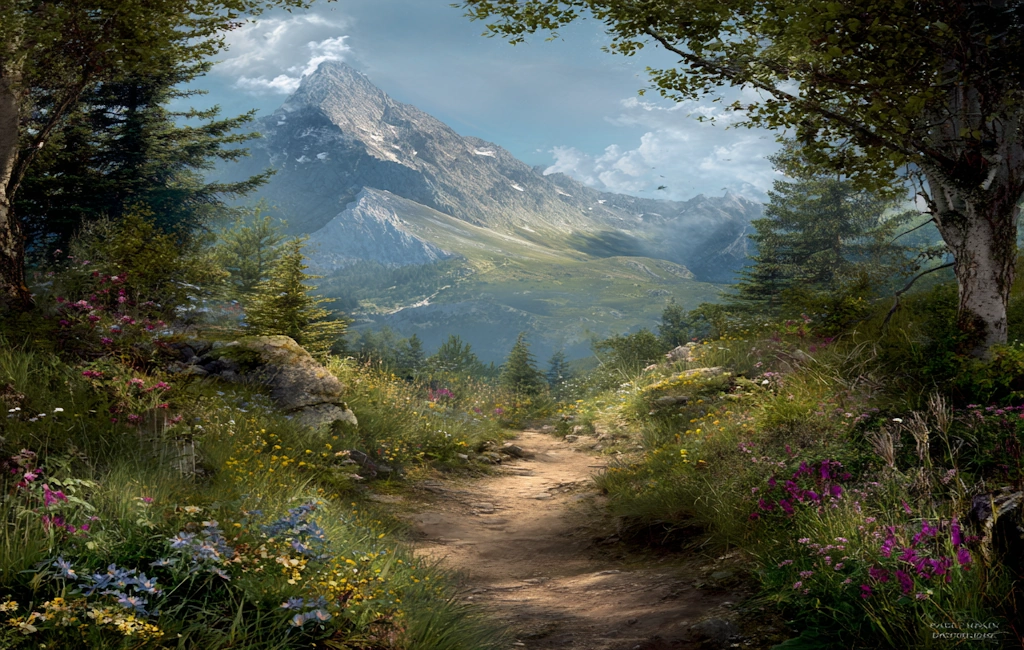
The Lacul Bâlea Loop is a captivating day walk situated in the heart of Romania's Făgăraș Mountains, offering a taste of high-altitude alpine scenery accessible via the spectacular Transfăgărășan Highway. This loop trail encircles the stunning glacial Bâlea Lake, perched at an elevation of 2,034 metres, and provides panoramic views of the surrounding jagged peaks, deep valleys, and the vast expanse of the Southern Carpathians. It's a journey that combines natural beauty with the thrill of exploring a dramatic mountain landscape, making it a must-do for visitors to the region during the summer months when the high mountain road is open.
- Distance: 12.5 km
- Elevation Gain: 600 m
- Duration: 4–6 hours
- Difficulty: Moderate
- Best Time: June to September
- Closest City: Sibiu
- Trailhead Access: Transfăgărășan (DN7C) to Bâlea Lake. Road open seasonally.
- Permits: No permits required for hiking.
Overview
The Lacul Bâlea Loop is a moderate day walk that offers a substantial reward for a relatively short effort, especially considering its high-altitude setting. The trail begins at the shores of Bâlea Lake, a breathtaking glacial lake that lies in a cirque carved by ancient ice. From here, the path ascends steadily, taking walkers up to higher ridges that provide commanding views over the lake and the surrounding Făgăraș Mountains, often referred to as the "Transylvanian Alps."
The route typically involves a climb to a higher elevation, offering a different perspective of the alpine environment. You'll traverse rocky terrain, alpine meadows dotted with wildflowers in season, and potentially encounter patches of snow even in early summer. The highest point of the loop often reaches around 2,200 metres, providing expansive vistas that stretch for miles. The descent brings you back down towards the lake, completing a circuit that showcases the diverse beauty of this mountain range.
This walk is particularly popular due to its accessibility via the Transfăgărășan Highway, one of the most famous and scenic roads in Europe. The road itself is an attraction, winding its way up the mountainside with hairpin bends and dramatic drop-offs. Once at Bâlea Lake, the hiking opportunities are plentiful, with the loop being a prime example of how to experience the alpine environment without requiring extensive mountaineering skills. The air is crisp, the silence profound, and the scale of the mountains awe-inspiring. It's a chance to immerse yourself in a wild, rugged landscape that feels a world away from the lowlands.
History and Cultural Context
The Făgăraș Mountains have a long history of human interaction, primarily driven by pastoralism and, more recently, by the development of tourism infrastructure. For centuries, shepherds have guided their flocks through these high pastures during the warmer months, a tradition that has shaped the landscape and local culture. The presence of ancient shepherd huts and the remnants of old trails speak to this enduring connection with the mountains.
The construction of the Transfăgărășan Highway in the 1970s, a monumental engineering feat commissioned by Nicolae Ceaușescu, dramatically changed access to the Făgăraș range. Initially built for military purposes, it has since become a major tourist attraction, opening up previously remote areas to a wider audience. Bâlea Lake, situated at the highest point of the Transfăgărășan, became a focal point for this new accessibility.
The glacial origins of Bâlea Lake itself are a testament to the powerful geological forces that shaped this region during the last Ice Age. The lake and its surrounding cirque are prime examples of glacial erosion, providing a dramatic backdrop for the hiking trails that have been established in the area. While the Făgăraș Mountains are not as steeped in ancient indigenous history as some other mountain ranges, their recent history is intertwined with Romania's political and engineering past, and their natural beauty continues to draw people seeking adventure and tranquility.
Seasonal Highlights and Weather Reality
The Lacul Bâlea Loop is a seasonal trail, primarily accessible and enjoyable during the months when the Transfăgărășan Highway is open. This typically runs from late June to late October, depending on snow conditions and road maintenance.
Summer (July to August): This is the peak season. The weather is generally the most stable, with longer daylight hours and warmer temperatures. Alpine meadows are in full bloom, creating a vibrant carpet of wildflowers. However, summer afternoons can bring thunderstorms, which are common in high mountain environments. These storms can develop rapidly, bringing heavy rain, strong winds, and lightning. It is crucial to start your hike early in the day to avoid the worst of the afternoon weather.
Late Spring/Early Summer (June): While the Transfăgărășan may open in late May or early June, snow can linger at higher elevations, especially on north-facing slopes. Patches of snow might still be present on the loop trail, potentially making some sections more challenging or requiring careful navigation. Wildflowers are beginning to emerge, offering a beautiful spectacle.
Autumn (September to October): This is a fantastic time to visit for those who prefer cooler temperatures and fewer crowds. The autumn colours can be spectacular, with the alpine vegetation turning shades of gold and red. The air is crisp, and the skies are often clear. However, the weather becomes more unpredictable, with a higher chance of early snowfalls and frost. The Transfăgărășan Highway may close at short notice due to adverse weather, so always check road conditions before travelling.
Winter (November to May): The Transfăgărășan Highway is closed to traffic during these months due to heavy snowfall and avalanche risk. Bâlea Lake is inaccessible by car, and the area is covered in deep snow, making hiking impossible without advanced winter mountaineering skills and equipment. The Bâlea Ice Hotel, a popular winter attraction, is typically constructed during this period.
Recommended Itinerary
Lacul Bâlea Loop - Day Walk Itinerary
Early Morning (Approx. 8:00 AM - 9:00 AM): Arrival and Preparation
- Arrive at Bâlea Lake via the Transfăgărășan Highway (DN7C).
- Park your vehicle at the designated parking areas near the Bâlea Lake cable car station or along the roadside.
- Take in the initial views of the lake and the surrounding mountain panorama.
- Use the facilities available at the lake (cafés, restrooms).
- Prepare your day pack: check water, snacks, layers, rain gear, and navigation tools.
- Apply sunscreen and insect repellent.
Morning (Approx. 9:00 AM - 12:00 PM): Ascent to Higher Ridges
- Begin the loop trail from the southern side of Bâlea Lake, often marked near the Bâlea Waterfall or the cable car station.
- The initial section involves a steady climb, gaining elevation quickly.
- Follow marked trails that ascend towards the higher ridges overlooking the lake.
- Key waypoints may include rocky outcrops, small streams, and open alpine meadows.
- Enjoy increasingly expansive views as you gain altitude.
- The terrain will be a mix of well-trodden paths and potentially some scree or rocky sections.
Midday (Approx. 12:00 PM - 2:00 PM): Summit Ridge Exploration and Lunch
- Reach the highest points of the loop, typically around 2,200 metres.
- This is an excellent spot for a picnic lunch, offering unparalleled 360-degree views of the Făgăraș Mountains.
- Identify prominent peaks and valleys.
- Take photographs and soak in the alpine atmosphere.
- Be mindful of the weather; conditions can change rapidly at this altitude.
Afternoon (Approx. 2:00 PM - 4:00 PM): Descent and Return to Lake Bâlea
- Begin the descent, following the marked loop trail.
- The descent path may differ from the ascent, offering new perspectives.
- Navigate through alpine meadows and potentially some forested areas as you lose altitude.
- Keep an eye out for the unique alpine flora and fauna.
- The trail will eventually lead you back towards the vicinity of Bâlea Lake.
- Be cautious on descents, as loose rocks can be present.
Late Afternoon (Approx. 4:00 PM onwards): Relaxation and Departure
- Arrive back at Bâlea Lake.
- Consider visiting one of the local cafés or restaurants for refreshments.
- Reflect on the day's adventure and the stunning mountain scenery.
- Begin your journey back down the Transfăgărășan Highway.
Important Notes:
- This is a day hike; no overnight accommodation is required.
- The Transfăgărășan Highway is only open seasonally. Always check road conditions before travelling.
- Weather can change very quickly in the mountains. Be prepared for sun, rain, wind, and potentially even snow, regardless of the season.
- Wear sturdy hiking boots with good ankle support.
- Carry sufficient water and high-energy snacks.
- Inform someone of your hiking plans and expected return time.
Planning and Bookings
Book Your Trip
Everything you need to plan your journey
Accommodation
Find places to stay near Sibiu
Flights
Search flights to Sibiu
Essential Preparation
The primary logistical consideration for the Lacul Bâlea Loop is access via the Transfăgărășan Highway (DN7C). This road is a significant attraction in itself but is only open seasonally, typically from late June to late October, weather permitting. Before planning your trip, it is essential to verify the current status of the Transfăgărășan. Road closures can occur due to snow, ice, or maintenance. Sibiu is the closest major city and a convenient base for exploring the region. From Sibiu, it's approximately a 2-hour drive to Bâlea Lake. Ensure you have a reliable vehicle, as the road is winding and can be steep in places. Parking is available at Bâlea Lake, though it can become crowded during peak season. No specific booking is required for the hike itself, as it is a public trail.
Trail Accommodation
This is a day hike requiring no overnight accommodation. Hikers typically base themselves in nearby towns or cities such as Sibiu or Curtea de Argeș, or utilize accommodation options available at Bâlea Lake itself, such as the Bâlea Lake Ice Hotel (seasonal) or guesthouses and chalets in the vicinity. These are separate from the hiking trail and require independent booking.
Required Gear
- Sturdy hiking boots: Waterproof and with good ankle support are essential for navigating rocky and uneven terrain.
- Waterproof and windproof jacket: Mountain weather can change rapidly; a reliable outer layer is crucial.
- Warm layers: Even in summer, temperatures at altitude can be cool. Bring a fleece or insulating jacket.
- Trousers: Comfortable, durable hiking trousers. Avoid jeans.
- Backpack: A day pack (20-30 litres) to carry essentials.
- Navigation: A map of the area, compass, and/or a GPS device or smartphone with offline maps. While the loop is generally well-marked, it's wise to be prepared.
- Sun protection: High-factor sunscreen, sunglasses, and a hat are vital due to the strong sun at altitude.
- First-aid kit: Including blister treatment, pain relievers, antiseptic wipes, and any personal medications.
- Head torch: With spare batteries, in case of unexpected delays or early starts/late finishes.
What to Bring
- Water: At least 1.5-2 litres per person. Water sources may be available but should be treated.
- Water treatment: A filter or purification tablets are recommended if you plan to refill from natural sources.
- Food: High-energy snacks such as nuts, dried fruit, energy bars, and sandwiches for lunch.
- Toiletries: Hand sanitiser, biodegradable wet wipes, and any personal items.
- Mobile phone: Fully charged, with a power bank if possible. Signal can be intermittent.
- Camera: To capture the spectacular scenery.
- Cash: For potential purchases at Bâlea Lake (cafés, souvenirs) or for parking fees.
- Insect repellent: Especially important during summer months.
Permits
No specific permits are required to hike the Lacul Bâlea Loop. The trail is part of the natural landscape accessible via the Transfăgărășan Highway, which is a public road. Access to the hiking trails around Bâlea Lake is free of charge. However, it is important to note that the Transfăgărășan Highway itself is only open seasonally. Visitors must adhere to any regulations or restrictions imposed by local authorities regarding access to the highway or the Bâlea Lake area, particularly concerning parking and environmental protection.
Other Activities in the Area
The region around Bâlea Lake and the Transfăgărășan Highway offers several other attractions and activities:
- Driving the Transfăgărășan Highway: The road itself is a major draw, offering stunning views, hairpin bends, and dramatic mountain scenery. It's an experience in itself, often considered one of the most beautiful roads in the world.
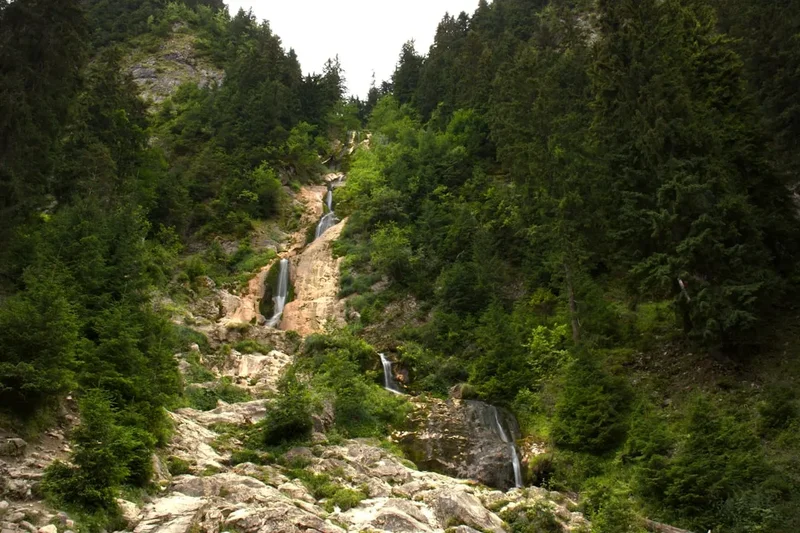
- Bâlea Waterfall: Located just below Bâlea Lake, this impressive waterfall cascades down the mountainside. It's easily accessible from the road and offers a beautiful spot for photos.
- Bâlea Ice Hotel: During the winter months (typically December to March), an ice hotel is constructed entirely from ice blocks harvested from Bâlea Lake. It's a unique and memorable experience, though it requires visiting when the Transfăgărășan is open for winter access (often via snowmobile or special transport).
- Cable Car Ride: A cable car operates between Bâlea Lake and the higher plateau, offering a different perspective of the landscape and a quicker way to access higher viewpoints without a strenuous hike.
- Exploring the Făgăraș Mountains: For experienced mountaineers, the Făgăraș range offers numerous challenging multi-day treks, including routes to Moldoveanu Peak (2,544 m), Romania's highest mountain. These require significant planning, navigation skills, and appropriate gear.
- Visiting nearby historical sites: The region is rich in history, with attractions such as the Poenari Citadel (Vlad the Impaler's fortress) and the Curtea de Argeș Monastery located within driving distance.
Safety and Conditions
Weather: The most significant safety consideration is the unpredictable mountain weather. Conditions can change from sunny and warm to cold, wet, and windy within minutes. Always check the forecast before you go and be prepared for all eventualities. Thunderstorms are common in the afternoons during summer; start your hike early to avoid being caught out at higher elevations.
Terrain: While the Lacul Bâlea Loop is a moderate hike, the terrain can be uneven, rocky, and steep in places. Ensure you have appropriate footwear with good grip and ankle support. Be cautious on descents, as loose scree can be a hazard.
Altitude: Bâlea Lake is situated at over 2,000 metres. While most people do not experience severe altitude sickness on a day hike, be aware of the symptoms (headache, nausea, dizziness) and descend if they worsen.
Navigation: Although the loop is generally well-marked, it's essential to carry a map and compass or a GPS device. Do not rely solely on mobile phone signal, as it can be unreliable in the mountains. Stay on marked trails to avoid getting lost and to protect the fragile alpine environment.
Wildlife: While large predators are rare in this specific area, be aware of your surroundings. You might encounter sheep flocks with guard dogs, especially in summer. Respect wildlife and do not feed animals.
Road Safety: The Transfăgărășan Highway is a challenging road with many hairpin bends and steep drops. Drive with extreme caution, be aware of other vehicles (including motorcycles and cyclists), and obey speed limits. Parking can be limited and busy during peak season.
Emergency Contacts: In case of an emergency, dial 112 (the European emergency number). It's advisable to have the contact details for local mountain rescue services if available, though 112 is the primary number.
Side Trips and Points of Interest
Bâlea Waterfall: Located just a short walk from the main road and parking area at Bâlea Lake, this impressive waterfall is a must-see. It plunges over a dramatic cliff face, creating a misty spectacle, especially after rain. The path to the base of the waterfall is well-maintained and offers excellent photo opportunities.
The Transfăgărășan Highway Viewpoints: As you drive to and from Bâlea Lake, numerous designated viewpoints offer breathtaking panoramas of the winding road, the surrounding valleys, and the Făgăraș Mountains. Pull over safely at these points to admire the scale and engineering marvel of the highway.
The Bâlea Lake Cable Car: For a different perspective, consider taking the cable car that connects Bâlea Lake with the higher plateau. This offers a quick and scenic ascent, providing expansive views without the physical exertion of hiking. It can be a good option for those with limited time or mobility.
Alpine Flora and Fauna: During the summer months, the alpine meadows around Bâlea Lake are carpeted with a variety of wildflowers. Keep an eye out for species like gentians, edelweiss (though rare), and various alpine grasses and herbs. Birdlife is also present, and with luck, you might spot chamois or other mountain mammals in the more remote areas.
Leave No Trace
The Făgăraș Mountains, including the area around Bâlea Lake, are a precious natural environment that deserves our utmost respect. Practising Leave No Trace principles ensures that this beautiful landscape remains pristine for future generations.
- Plan Ahead and Prepare: Understand the trail conditions, weather forecasts, and any local regulations before you go. Pack appropriately for the conditions.
- Travel and Camp on Durable Surfaces: Stick to marked trails to avoid damaging fragile alpine vegetation. The ground cover in alpine environments is slow to recover from disturbance.
- Dispose of Waste Properly: Pack out everything you pack in, including all food scraps, wrappers, and any other litter. Use designated waste bins where available, or carry your rubbish back to a town.
- Leave What You Find: Do not pick wildflowers, collect rocks, or disturb natural features. Take only photographs and memories.
- Minimize Campfire Impacts: As this is a day hike, campfires are not applicable. However, if you were to camp in the wider Făgăraș range, always use established fire rings or portable stoves.
- Respect Wildlife: Observe wildlife from a distance and never feed animals. Feeding them can alter their natural behaviour and diet, and can be harmful to their health.
- Be Considerate of Other Visitors: Keep noise levels down, yield to other hikers on narrow trails, and be mindful of others enjoying the natural environment.
By adhering to these principles, you help preserve the natural beauty and ecological integrity of the Făgăraș Mountains.