
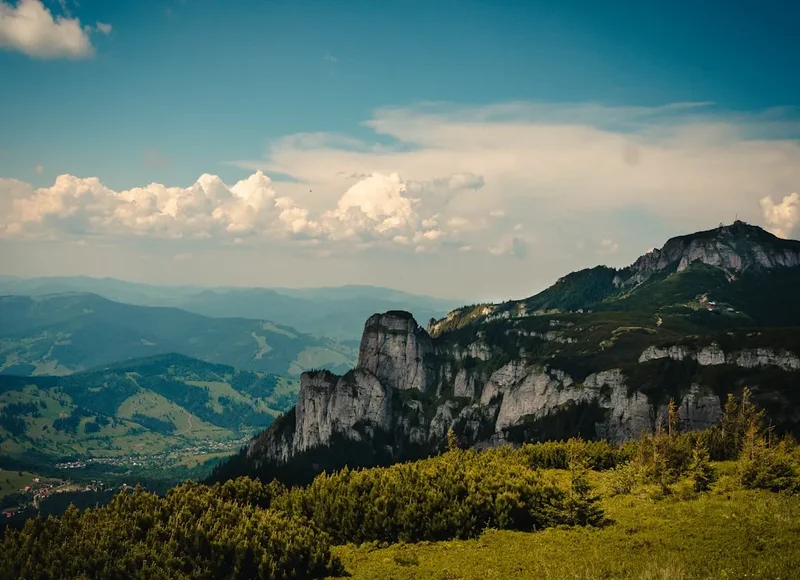
Ceahlau National Park Ascent - Romania's Carpathian Gem
The Ceahlau National Park Ascent is a challenging yet immensely rewarding day hike in the heart of Romania's Carpathian Mountains. This trail leads to the summit of Mount Ceahlau, offering panoramic vistas of the surrounding peaks, lush forests, and the stunning Bicaz Gorge. It's a journey that combines natural beauty with a sense of accomplishment, making it a must-do for experienced hikers visiting the region.
- Distance: 12.5 km one-way
- Elevation Gain: 1600 m
- Duration: 8-10 hours
- Difficulty: Challenging
- Best Time: June to September
- Closest City: Bicaz
- Trailhead Access: Nearest Airport: Iași International Airport (IAS). From Iași, take a bus or taxi to Bicaz, then another bus/taxi to Durău (trailhead). Driving from Bicaz to Durău (approx. 30 mins) is also an option. Road conditions are generally good. Parking available in Durău. No permits required but registration at the Salvamont station in Durău is recommended.
- Coordinates: 46.9500, 25.9500
Overview
The ascent of Mount Ceahlau is a significant undertaking, characterised by a relentless climb through diverse forest ecosystems before emerging onto alpine meadows and rocky outcrops near the summit. The trail begins in the picturesque village of Durău, nestled at the foot of the mountain, and immediately starts its upward trajectory. The initial stages wind through dense fir and beech forests, where the air is cool and fragrant with pine. As you gain altitude, the forest canopy begins to thin, offering tantalising glimpses of the expansive landscape below.
The trail is well-marked but demanding, with steep sections and rocky terrain that require careful footing. The elevation gain of 1600 metres over 12.5 kilometres means that sustained effort is required throughout the hike. The reward for this exertion is unparalleled. Near the summit, the landscape transforms into a more open, subalpine environment, dotted with unique rock formations that have been sculpted by centuries of wind and weather. These formations, such as the "Dozaru" and "Caltus" altars, add a mystical element to the hike and are steeped in local folklore.
The summit of Mount Ceahlau, often referred to as "Ocolasul Mare," stands at 1,907 metres. From this vantage point, on a clear day, the views are breathtaking. You can see the vast expanse of the Ceahlau Massif, the shimmering waters of Lake Bicaz, and the distant peaks of the Eastern Carpathians. The descent offers a different perspective on the same scenery, allowing for reflection on the journey and the natural wonders encountered. This hike is not for the faint-hearted; it demands good physical condition, appropriate gear, and a respect for the mountain environment.
History and Cultural Context
Ceahlau Massif has a rich history intertwined with local legends and spiritual significance. For centuries, it has been considered a sacred mountain by the Dacians, the ancient inhabitants of this region. Numerous myths and legends surround Ceahlau, often associating it with deities and mystical events. The unique rock formations are frequently interpreted as remnants of ancient altars or places of worship, adding a layer of historical and cultural depth to the hiking experience.
During the Roman occupation and later periods, the mountain served as a natural fortress and a refuge. Its strategic location and dense forests provided excellent cover. Over time, Ceahlau became a place of pilgrimage for Orthodox Christians, with monasteries and hermitages established in its vicinity. The mountain's spiritual aura continues to draw visitors, many of whom seek solace and connection with nature.
In more recent history, Ceahlau was declared a National Park in 1995 to protect its unique biodiversity, geological features, and cultural heritage. The park encompasses a diverse range of flora and fauna, including rare species of orchids, ancient trees, and various wildlife. The establishment of the park has helped to preserve the natural beauty and historical significance of the area, ensuring that future generations can experience its wonders.
Seasonal Highlights and Weather Reality
The best time to undertake the Ceahlau National Park Ascent is during the summer months, from June to September. During this period, the weather is generally more stable, and the trails are clear of snow, making for safer and more enjoyable hiking conditions.
Summer (June to September): This is the prime hiking season. Days are longer, and temperatures are moderate, typically ranging from 15°C to 25°C. Wildflowers are in bloom, adding vibrant colours to the landscape. However, mountain weather can be unpredictable, and sudden thunderstorms are common, especially in the afternoons. It is crucial to be prepared for rain and cooler temperatures, even in mid-summer.
Spring (April to May): While beautiful, spring can be a challenging time for this hike. Snow may still linger at higher elevations, and trails can be muddy and slippery. The lower slopes will be greening up, and some early wildflowers may appear, but the summit may not be fully accessible or safe until late May or early June.
Autumn (October to November): Autumn offers stunning foliage, with the forests turning shades of gold, red, and orange. The air is crisp, and there are fewer crowds. However, temperatures begin to drop significantly, and the first snowfalls can occur in late October or November. Days become shorter, and the risk of icy conditions on the trail increases.
Winter (December to March): Ceahlau National Park is generally not recommended for hiking during winter due to heavy snowfall, extreme cold, and avalanche risks. The trails are often impassable, and the conditions require advanced winter mountaineering skills and equipment.
Recommended Itinerary
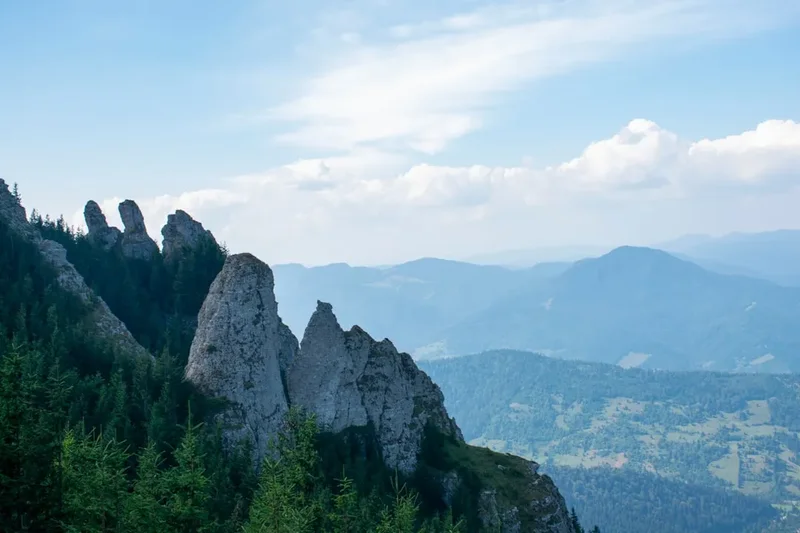
Ceahlau National Park Ascent - Day Hike Itinerary
Early Morning (Approx. 7:00 AM - 8:00 AM): Arrival and Preparation
- Arrive at Durău village, the primary trailhead for the ascent.
- Park your vehicle at the designated parking area near the Durău Monastery or the Salvamont (Mountain Rescue) station.
- Register your hike at the Salvamont station – this is a recommended safety measure.
- Final gear check: ensure you have water, snacks, appropriate clothing layers, and navigation tools.
- Briefly acclimatise to the mountain air and the starting elevation.
Morning (Approx. 8:00 AM - 12:00 PM): Initial Ascent through Forest
- Begin the hike from Durău, following the marked trail towards Mount Ceahlau.
- The initial section involves a steady climb through dense fir and beech forests.
- The trail is well-maintained but can be steep in places, requiring good physical stamina.
- Enjoy the sounds and smells of the forest; keep an eye out for local flora and fauna.
- The path will gradually ascend, with occasional clearings offering first glimpses of the surrounding valleys.
Midday (Approx. 12:00 PM - 2:00 PM): Reaching Higher Altitudes and Rock Formations
- As you gain altitude, the forest begins to thin, transitioning to subalpine vegetation.
- You will start encountering the distinctive rock formations that Ceahlau is known for, such as the "Dozaru" and "Caltus" altars.
- Take a break to admire these natural sculptures and the expanding panoramic views.
- This is an ideal time for a packed lunch, finding a scenic spot to rest and refuel.
- Continue the ascent towards the summit plateau.
Afternoon (Approx. 2:00 PM - 4:00 PM): Summit and Panoramic Views
- Reach the summit of Mount Ceahlau (Ocolasul Mare, 1,907 m).
- Spend time at the summit, soaking in the 360-degree views of the Carpathian Mountains, Lake Bicaz, and the surrounding national park.
- Take photographs and appreciate the sense of accomplishment.
- Note the weather conditions; be prepared for rapid changes.
Late Afternoon (Approx. 4:00 PM - 7:00 PM): Descent and Return to Durău
- Begin the descent back towards Durău. The descent can be as challenging as the ascent, requiring careful footing on steep and potentially loose terrain.
- The route down offers a different perspective on the landscape.
- Continue to follow the marked trail, paying attention to your steps.
- Arrive back in Durău, tired but exhilarated by the day's adventure.
- Optional: Visit the Durău Monastery for a moment of reflection.
Important Notes:
- This is a strenuous day hike requiring excellent physical fitness.
- Carry sufficient water (at least 2-3 litres per person) as water sources may be scarce or unreliable.
- Pack a substantial lunch and high-energy snacks.
- Wear sturdy, broken-in hiking boots with good ankle support.
- Be prepared for all types of mountain weather; layers are essential.
- Carry a map, compass, and/or GPS device, and know how to use them. Mobile signal can be intermittent.
- Inform someone of your hiking plans and expected return time.
Planning and Bookings
Book Your Trip
Everything you need to plan your journey
Accommodation
Find places to stay near Bicaz
Flights
Search flights to Bicaz
Essential Preparation
The Ceahlau National Park Ascent is a demanding day hike that requires thorough preparation. Given the significant elevation gain and the remote nature of the park, physical fitness is paramount. Ensure you are comfortable with sustained uphill walking for several hours. Familiarise yourself with the route using maps and trail descriptions. The closest major city providing comprehensive services is Bacău, but for immediate logistics, Bicaz is the most convenient town. Durău village, at the trailhead, offers basic accommodation and amenities. It is highly recommended to check the weather forecast immediately before your hike and be prepared for rapid changes. Registration at the Salvamont (Mountain Rescue) station in Durău is a crucial safety step, allowing them to know who is on the mountain and to assist in emergencies.
Trail Accommodation
This is a day hike requiring no overnight accommodation. Durău village offers several guesthouses and pensions for those wishing to stay overnight before or after the hike. Options range from simple rooms to more comfortable lodgings. Booking in advance is advisable, especially during peak season (summer months).
Required Gear
- Sturdy hiking boots: Waterproof and with good ankle support are essential for the rocky and uneven terrain.
- Backpack: A comfortable daypack (25-35 litres) to carry essentials.
- Waterproof jacket and trousers: Mountain weather can change rapidly; be prepared for rain and wind.
- Warm layers: Fleece or down jacket, thermal base layers, and a hat and gloves, even in summer, as temperatures can drop significantly at higher altitudes.
- Navigation tools: A detailed map of Ceahlau National Park, a compass, and/or a GPS device or smartphone with offline maps. Ensure you know how to use them.
- First-aid kit: Including blister treatment, pain relievers, antiseptic wipes, bandages, and any personal medications.
- Sun protection: Sunscreen (SPF 30+), sunglasses, and a wide-brimmed hat, as the sun can be intense at higher elevations.
- Headlamp or torch: With spare batteries, in case the hike takes longer than expected or for early morning starts.
What to Bring
- Water: At least 2-3 litres per person. Water sources on the trail may be unreliable or require purification.
- Food: A substantial packed lunch and high-energy snacks such as nuts, dried fruit, energy bars, and chocolate.
- Toiletries: Biodegradable toilet paper, hand sanitiser, and any personal hygiene items.
- Insect repellent: Especially important during summer months to ward off biting insects.
- Trekking poles: Highly recommended to reduce strain on knees during the steep ascent and descent.
- Camera: To capture the stunning scenery.
- Whistle: For emergency signalling.
- Small trash bag: To pack out all your litter.
Permits
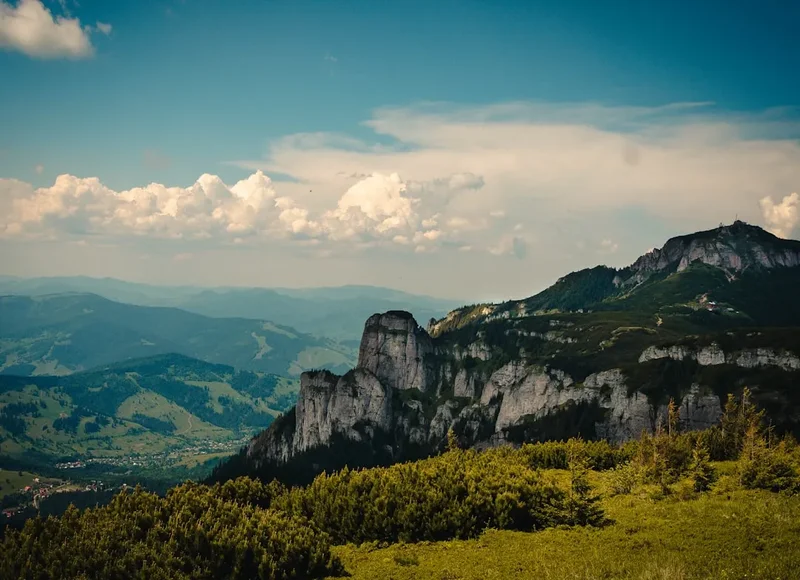
No specific permits are required to hike the trails within Ceahlau National Park. Entry to the park is generally free. However, it is strongly recommended and considered good practice to register your hike at the Salvamont (Mountain Rescue) station located in Durău village. This registration process is free of charge and helps the local mountain rescue services to be aware of hikers in the area, which is crucial for safety and emergency response. They can provide up-to-date information on trail conditions and weather warnings.
While no fees are associated with hiking the trails, there may be parking fees at the trailhead in Durău. Accommodation in Durău, if chosen, will incur costs depending on the establishment.
Other Activities in the Area
Ceahlau National Park and its surroundings offer a variety of activities for visitors:
- Visiting Durău Monastery: Located near the trailhead, this active monastery is a peaceful place for reflection and offers insight into local religious traditions.
- Exploring Lake Bicaz: This large artificial lake, formed by the Bicaz Dam, is a popular spot for boating, fishing, and enjoying scenic views. The Bicaz Gorge, carved by the river, is a spectacular natural wonder.
- Hiking other trails in Ceahlau National Park: The park has a network of trails catering to various fitness levels, leading to different peaks, rock formations, and viewpoints.
- Visiting the Bicaz Gorge (Cheile Bicazului): A dramatic canyon with towering limestone walls, popular for driving, hiking, and rock climbing.
- Discovering local villages: Explore the charming villages in the region to experience traditional Romanian rural life and hospitality.
- Photography: The dramatic landscapes, unique rock formations, and diverse flora and fauna provide ample opportunities for photographers.
Safety and Conditions
Pre-Hike Checks:
- Weather Forecast: Always check the most up-to-date mountain weather forecast for Ceahlau National Park before you set off. MetService or local Romanian meteorological services are good sources. Be prepared for rapid changes, including fog, rain, wind, and even snow at higher elevations, regardless of the season.
- Trail Conditions: While generally well-marked, trails can become slippery and hazardous after rain or in foggy conditions. Check with the Salvamont station in Durău for any specific trail advisories or closures.
- Emergency Contacts: Save the number for the Salvamont (Mountain Rescue) in Romania. In case of emergency, call 112 (the general emergency number in Romania) and ask for mountain rescue, or contact the local Salvamont station directly if you have their number.
On the Trail:
- Stay on Marked Trails: Venturing off-trail can lead to getting lost, damaging fragile vegetation, and encountering unforeseen hazards.
- Pace Yourself: The 1600m elevation gain is significant. Take regular breaks, stay hydrated, and listen to your body.
- Navigation: Even on marked trails, carry and know how to use your navigation tools. Visibility can drop quickly in fog or bad weather.
- Wildlife: While large predators are rare on this specific trail, be aware of your surroundings. Do not approach or feed any wildlife.
- Respect the Mountain: Ceahlau is a place of natural beauty and cultural significance. Treat it with respect.
- Communication: Mobile phone signal can be intermittent. Consider carrying a personal locator beacon (PLB) for remote areas if you are hiking alone or in challenging conditions.
Specific Hazards:
- Steep Terrain: The trail is consistently steep, requiring good physical condition and careful footing, especially on the descent.
- Rock Formations: While beautiful, some rock formations can be unstable. Do not climb on them or stand too close to edges without proper safety precautions.
- Sudden Weather Changes: Fiordland's weather is notorious for its unpredictability. Hypothermia is a risk even in summer if you get wet and cold.
Travel insurance is strongly recommended to cover potential medical emergencies, evacuation, and trip cancellations.
Side Trips and Points of Interest
The "Altars" of Ceahlau: Scattered across the upper slopes and summit plateau are unique rock formations that have been imbued with spiritual significance over centuries. The most famous include the "Dozaru" (The Loom) and "Caltus" (The Altar). These natural monoliths, sculpted by erosion, are believed by some to have been ancient Dacian altars. They offer fascinating geological features and are excellent spots for photography and contemplation.
Panoramas from the Summit: The summit of Mount Ceahlau (Ocolasul Mare) provides truly spectacular 360-degree views. On a clear day, you can see the vast expanse of the Ceahlau Massif, the shimmering blue waters of Lake Bicaz, the dramatic Bicaz Gorge, and the distant peaks of the Eastern Carpathians. It's a rewarding vista that makes the challenging climb worthwhile.
Durău Monastery: Located at the base of the mountain, this active Orthodox monastery is a peaceful retreat. It features beautiful architecture and offers a glimpse into the spiritual heritage of the region. A visit before or after your hike can add a cultural dimension to your experience.
Flora and Fauna: Ceahlau National Park is home to a rich biodiversity. Keep an eye out for various species of wildflowers, especially in early summer, and ancient trees. While less commonly seen, the park also supports wildlife such as deer, wild boar, and various bird species.
Leave No Trace
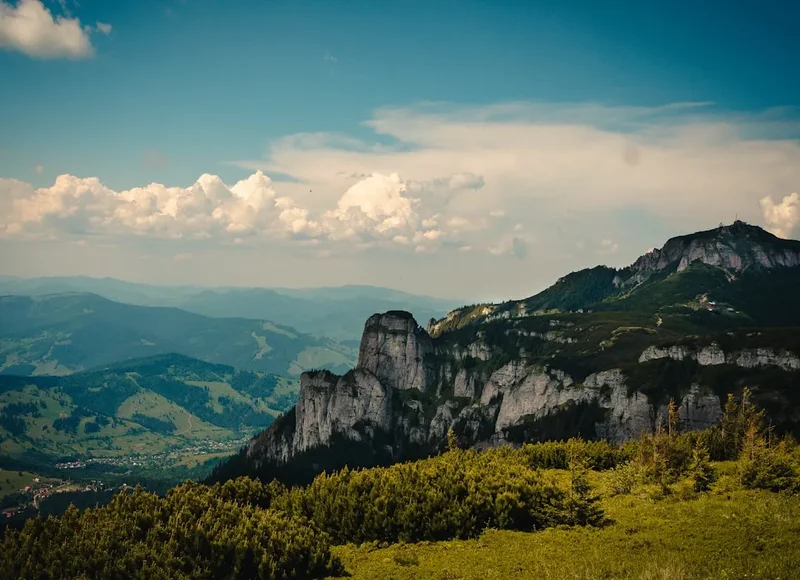
Ceahlau National Park is a precious natural environment that deserves our utmost respect. Adhering to Leave No Trace principles ensures that this beautiful landscape remains pristine for future visitors and for the health of its ecosystems.
Your responsibility as a hiker:
- Pack It In, Pack It Out: Carry out all your litter, including food scraps, wrappers, and any other waste. Do not bury or burn trash.
- Stay on the Trail: Stick to marked paths to prevent erosion and protect fragile vegetation. The mountain's ecosystems are delicate and can take a long time to recover from damage.
- Respect Wildlife: Observe animals from a distance and never feed them. Feeding wildlife can alter their natural behaviour and diet, leading to health problems and dependency.
- Dispose of Waste Properly: Use designated toilet facilities where available. If hiking in areas without facilities, dig a cathole at least 60 metres (60 m) away from water sources, trails, and campsites. Pack out all toilet paper.
- Leave What You Find: Do not take rocks, plants, or any other natural objects from the park. Leave them for others to enjoy and for the ecosystem to thrive.
- Minimise Campfire Impacts: Campfires are generally not permitted on day hikes and should be avoided in natural areas. If camping is permitted in designated areas, use established fire rings and keep fires small. Ensure fires are completely out before leaving.
- Be Considerate of Other Visitors: Keep noise levels down and yield to other hikers on the trail. Respect the peaceful nature of the mountain environment.
By following these principles, you help preserve the natural and cultural integrity of Ceahlau National Park.