
Auden's Col Trek - A Himalayan Expedition
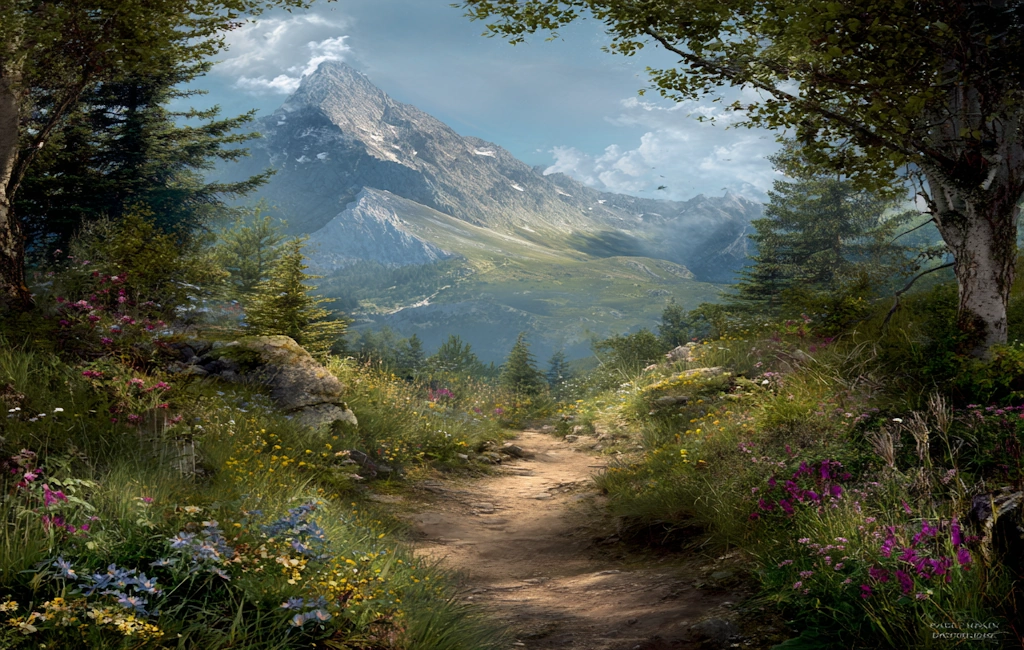
The Auden's Col Trek is a challenging and remote expedition in the Garhwal Himalayas of India, traversing a high mountain pass that connects the Bhilangna Valley with the Auden's Col region. This trek is renowned for its raw, untamed beauty, offering a true wilderness experience far from the beaten path. It demands significant physical fitness, acclimatisation, and robust mountaineering skills, particularly for crossing the col itself. The journey winds through diverse landscapes, from lush forests and alpine meadows to stark, glaciated terrain, culminating in breathtaking panoramic views of some of the highest peaks in the Indian Himalayas.
- Distance: 54.0 km
- Elevation Gain: 5490 m
- Duration: 9-11 days
- Difficulty: Very Challenging
- Best Time: May-June and September-October
- Closest City: Uttarkashi
- Trailhead Access: Nearest airport: Jolly Grant Airport, Dehradun. From Dehradun, take a taxi or bus to Uttarkashi (approx. 5-7 hrs). From Uttarkashi, hire a jeep to Gangotri (3-4 hrs). Road conditions can be challenging. Limited parking available in Gangotri. Inner Line Permit required for Indian nationals and Protected Area Permit for foreign nationals. Permits can be obtained in Uttarkashi.
- Coordinates: 30.8435, 79.0505
Overview
The Auden's Col Trek is an epic journey for seasoned trekkers seeking an authentic Himalayan adventure. This route is not for the faint-hearted; it involves navigating high-altitude passes, glacial moraines, and potentially challenging snow conditions. The trek typically begins from the sacred town of Gangotri, a significant pilgrimage site for Hindus, and gradually ascends through the Bhagirathi Valley. As you gain altitude, the landscape transforms from verdant forests to expansive alpine meadows dotted with wildflowers, eventually giving way to the stark, majestic beauty of the high Himalayas.
The trek's centrepiece is Auden's Col (4,800 metres), a high mountain pass that offers a dramatic gateway to a different world. Crossing the col requires careful planning, appropriate gear, and often, the assistance of experienced guides and porters. The views from the col are simply spectacular, providing an unparalleled panorama of snow-capped peaks, including formidable giants like Gangotri I, II, and III, and the imposing Chaukhamba massif. Descending from the col leads you into the serene and less-travelled Auden's Col region, eventually connecting to the Khatling Glacier and the Bhilangna Valley.
This trek is a true test of endurance and spirit. It offers a profound connection with nature, a glimpse into remote mountain life, and the satisfaction of conquering a formidable Himalayan challenge. The remoteness of the trail means that trekkers will experience a sense of solitude and immersion in the wilderness that is increasingly rare in popular trekking destinations.
History and Cultural Context
The region surrounding Auden's Col has a rich history intertwined with spirituality and exploration. Gangotri, the starting point of many treks in this area, is one of the four principal pilgrimage sites of the Char Dham pilgrimage in Uttarakhand. It is believed to be the place where Goddess Ganga descended to earth from heaven. This spiritual significance has drawn pilgrims and adventurers to the region for centuries.
The exploration of the high passes and remote valleys of the Garhwal Himalayas gained momentum in the early 20th century with the advent of mountaineering and trekking as popular pursuits. Auden's Col, named after the British geologist and explorer J.B. Auden, who is credited with surveying the area in the 1930s, represents a significant geographical feature that connects two major valleys. Auden's work was crucial in mapping these remote regions and understanding their geological formations.
The development of Auden's Col as a trekking route has been gradual, primarily driven by experienced mountaineers and adventure enthusiasts seeking challenging expeditions. Unlike more established trails, Auden's Col remains relatively untouched, preserving its wild character. The local communities in the lower valleys have long used these routes for seasonal grazing and as traditional pathways, maintaining a deep connection with the land. The trek offers a unique opportunity to witness not only the grandeur of the Himalayas but also the enduring cultural heritage of the region.
Seasonal Highlights and Weather Reality
The best time to undertake the Auden's Col Trek is during the pre-monsoon (May-June) and post-monsoon (September-October) seasons. These periods offer the most favourable weather conditions for high-altitude trekking in the Himalayas.
May-June (Pre-Monsoon): This period marks the beginning of the trekking season after the harsh winter. The snow starts to melt, making the trails more accessible. The days are generally sunny and pleasant, offering clear views of the surrounding peaks. However, temperatures can still be cold, especially at higher altitudes and during the nights. Wildflowers begin to bloom in the meadows, adding vibrant colours to the landscape. There's a possibility of late spring snow showers, particularly at higher elevations.
September-October (Post-Monsoon): This is often considered the prime trekking season. The monsoon rains have subsided, leaving the air clear and crisp. The skies are typically blue, providing excellent visibility for panoramic mountain views. The post-monsoon season offers stable weather, making it ideal for crossing high passes like Auden's Col. Temperatures are cool to cold, with frosty mornings and evenings. The landscape is serene, and the risk of rain is significantly lower compared to the monsoon months.
Weather Reality: It is crucial to understand that weather in the high Himalayas is unpredictable and can change rapidly, regardless of the season. Trekkers must be prepared for all conditions, including sunshine, rain, snow, and strong winds, especially at altitudes above 4,000 metres. Hypothermia is a significant risk, and appropriate gear and precautions are essential. Snowfall can occur even outside the main winter months, particularly on passes and higher slopes, potentially impacting trail conditions and requiring adjustments to the itinerary.
Recommended Itinerary
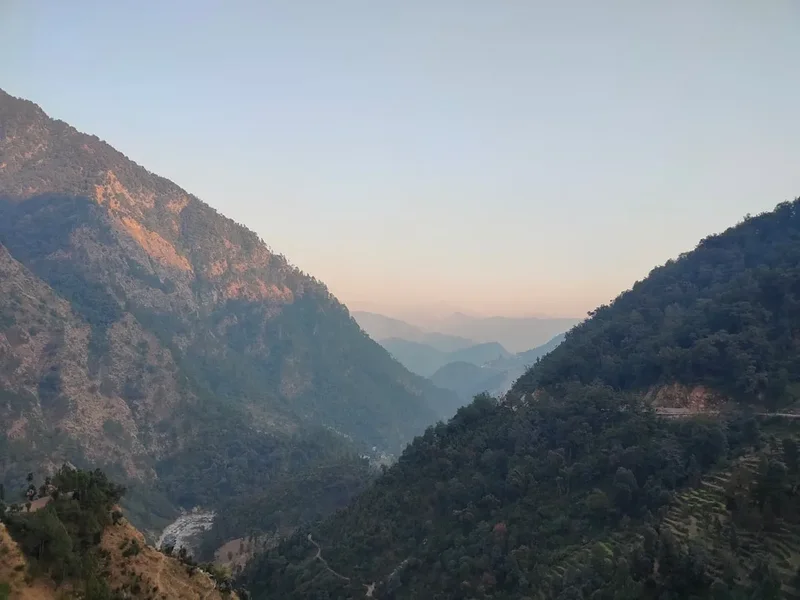
9-Day Auden's Col Trek Itinerary
Day 1: Arrival in Dehradun & Transfer to Uttarkashi
- Distance: Approx. 170 km
- Time: 6-8 hours by road
- Arrive at Jolly Grant Airport, Dehradun.
- Drive to Uttarkashi, a major town in the Garhwal region.
- Check into a guesthouse or hotel.
- Briefing about the trek and permit arrangements.
- Rest and acclimatise to the lower altitude.
Day 2: Uttarkashi to Gangotri & Trek to Chirbasa
- Distance: 18 km trek
- Elevation Gain: Approx. 300 m
- Time: 5-6 hours
- Morning drive from Uttarkashi to Gangotri (approx. 3-4 hours).
- Complete permit formalities at Gangotri.
- Begin trek from Gangotri towards Chirbasa.
- The trail follows the Bhagirathi River through pine forests.
- Camp at Chirbasa (3600 m).
Day 3: Chirbasa to Bhojwasa
- Distance: 9 km trek
- Elevation Gain: Approx. 200 m
- Time: 3-4 hours
- Continue trekking through pine and birch forests.
- The trail opens up to views of the Gangotri Glacier.
- Reach Bhojwasa (3700 m), a campsite near the snout of the glacier.
- Set up camp and enjoy the surrounding mountain scenery.
Day 4: Bhojwasa to Gomukh & Tapovan
- Distance: 12 km trek
- Elevation Gain: Approx. 700 m
- Time: 6-7 hours
- Trek to Gomukh (4000 m), the snout of the Gangotri Glacier, a sacred spot.
- Continue ascending towards Tapovan, a stunning alpine meadow.
- Tapovan offers breathtaking views of Shivling, Meru, and Bhagirathi peaks.
- Camp at Tapovan (4400 m).
Day 5: Acclimatisation Day at Tapovan
- Rest and acclimatise to the high altitude.
- Short hikes around Tapovan to explore the meadows and enjoy the views.
- This day is crucial for preparing for the strenuous days ahead.
- Optional: Hike to viewpoints for closer perspectives of the surrounding peaks.
Day 6: Tapovan to Nandanvan
- Distance: 6 km trek
- Elevation Gain: Approx. 300 m
- Time: 4-5 hours
- Trek across the Gangotri Glacier moraine to Nandanvan.
- Nandanvan is a beautiful campsite situated on a glacial moraine with stunning views.
- Camp at Nandanvan (4700 m).
Day 7: Nandanvan to Auden's Col Base Camp
- Distance: 5 km trek
- Elevation Gain: Approx. 400 m
- Time: 4-5 hours
- Trek towards the base camp for Auden's Col.
- This section involves navigating through rocky terrain and potentially snow patches.
- Set up camp at Auden's Col Base Camp (5100 m).
- Prepare for the challenging pass crossing the next day.
Day 8: Auden's Col Crossing & Camp at Khatling Glacier
- Distance: 10 km trek
- Elevation Gain: Approx. 200 m to col, then significant descent
- Time: 8-10 hours
- Early morning start for the ascent to Auden's Col (4800 m).
- Cross the col, enjoying spectacular panoramic views.
- Descend carefully towards the Khatling Glacier.
- Trek across the glacier and set up camp on the Khatling Glacier (4500 m).
- This is the most demanding day of the trek.
Day 9: Khatling Glacier to Masar Tal
- Distance: 8 km trek
- Elevation Gain: Approx. 200 m
- Time: 4-5 hours
- Trek along the Khatling Glacier and then descend towards Masar Tal.
- Masar Tal is a beautiful high-altitude lake.
- Camp near Masar Tal (4300 m).
Day 10: Masar Tal to Vasuki Tal & Camp
- Distance: 7 km trek
- Elevation Gain: Approx. 300 m
- Time: 4-5 hours
- Trek to Vasuki Tal, another picturesque alpine lake.
- Enjoy the serene surroundings and mountain vistas.
- Camp near Vasuki Tal (4600 m).
Day 11: Vasuki Tal to Gangotri & Drive to Uttarkashi
- Distance: 15 km trek, then drive
- Time: 5-6 hours trek, 3-4 hours drive
- Descend from Vasuki Tal back towards Gangotri.
- The trail is mostly downhill and easier.
- Reach Gangotri and drive back to Uttarkashi.
- End of the trek.
Note: This itinerary is a guideline and can be adjusted based on weather conditions, group fitness, and acclimatisation. An 11-day itinerary would allow for more buffer days and a more relaxed pace.
Planning and Bookings
Book Your Trip
Everything you need to plan your journey
Accommodation
Find places to stay near Uttarkashi
Flights
Search flights to Uttarkashi
Essential Preparation
The Auden's Col Trek is a high-altitude expedition requiring meticulous planning and preparation. Given its remoteness and challenging terrain, it is strongly recommended to undertake this trek with a reputable trekking agency. They will handle logistics such as permits, transportation, guides, porters, and camping equipment, which are essential for a safe and successful expedition.
Fitness: A high level of physical fitness is paramount. Trekkers should engage in a rigorous training regimen for at least 2-3 months prior to the trek. This should include cardiovascular exercises (running, cycling, swimming), strength training (especially for legs and core), and regular hiking with a weighted backpack. The ability to walk for 6-8 hours a day at high altitudes with significant elevation changes is crucial.
Acclimatisation: Proper acclimatisation is non-negotiable. The itinerary is designed with gradual ascent and rest days to help the body adjust to decreasing oxygen levels. Altitude sickness (AMS) can be severe and life-threatening. Understanding its symptoms and taking necessary precautions is vital.
Logistics: The closest major city is Dehradun, from where you will travel to Uttarkashi and then to Gangotri. Ensure your travel arrangements to Dehradun are made well in advance. From Uttarkashi, hiring a sturdy vehicle (like a jeep) is necessary to reach Gangotri, as road conditions can be challenging.
Base Town/City Information:
- Dehradun: The nearest major city with an airport and railway station. It serves as the gateway to Garhwal.
- Uttarkashi: A significant town and district headquarters. It's a hub for trekkers, offering essential supplies, banking facilities, and permit offices. Accommodation ranges from budget guesthouses to comfortable hotels.
- Gangotri: A small town and the starting point of the trek. It's a pilgrimage centre with basic amenities, including guesthouses and dhabas. Limited supplies are available here.
Trail Accommodation
This is a camping-based trek. There are no established lodges or teahouses along the route from Gangotri onwards, except for basic shelters or dhabas at Gangotri and potentially a few points along the initial approach. Trekkers will be camping throughout the expedition.
Camping Equipment: A reputable trekking agency will provide high-quality tents (four-season tents are recommended for higher altitudes), sleeping bags (rated for sub-zero temperatures), sleeping mats, cooking equipment, and all necessary camping gear.
Campsites: Designated campsites are typically chosen based on availability of flat ground, proximity to water sources, and shelter from wind. Common campsites include Chirbasa, Bhojwasa, Tapovan, Nandanvan, Auden's Col Base Camp, and locations near Khatling Glacier and the lakes.
Facilities Provided: Tents, sleeping bags, sleeping mats, cooking utensils, fuel for cooking, and portable toilets (often provided by agencies for higher camps).
What's NOT Provided: Personal clothing, toiletries, food (unless specified by the agency), personal medications, and sleeping bag liners.
Seasonal Availability: Camping is possible only during the trekking seasons (May-June and September-October). Outside these periods, heavy snowfall and extreme cold make camping impossible and dangerous.
Costs: The cost of accommodation is integrated into the overall trek package price, which covers camping gear, food, guides, porters, and permits.
Required Gear
- Trekking Boots: Sturdy, waterproof, high-ankle support trekking boots. Ensure they are well broken-in to prevent blisters.
- Down Jacket: A warm, high-quality down jacket is essential for cold nights and high altitudes.
- Waterproof Outerwear: Waterproof and windproof jacket and trousers (Gore-Tex or similar).
- Warm Layers: Thermal base layers (merino wool or synthetic), fleece jackets, and warm trousers.
- Headwear: Warm woollen hat or beanie, and a sun hat or cap for daytime.
- Gloves: Warm waterproof gloves and liner gloves.
- Socks: Several pairs of woollen or synthetic trekking socks.
- Backpack: A comfortable trekking backpack (50-70 litres) with a rain cover.
- Daypack: A smaller daypack (20-30 litres) for carrying essentials during daily treks.
- Head Torch: With extra batteries. Essential for navigating in the dark and for use inside tents.
- Sunglasses: High-quality sunglasses with UV protection.
- Sunscreen: High SPF (50+) sunscreen.
- Lip Balm: With SPF protection.
- Water Bottles/Hydration Reservoir: At least 2 litres capacity.
- Trekking Poles: Highly recommended for stability and reducing strain on knees.
- First-Aid Kit: Comprehensive personal first-aid kit including blister treatment, pain relievers, antiseptic wipes, bandages, and any personal medications.
- Personal Hygiene Kit: Biodegradable soap, toothbrush, toothpaste, hand sanitiser, wet wipes.
- Camera: With extra batteries and memory cards.
- Personal Documents: ID proof, permits, and emergency contact information.
What to Bring
- Food: While agencies provide meals, carry high-energy snacks like nuts, dried fruits, energy bars, and chocolates for immediate energy boosts during treks.
- Water Treatment: Water purification tablets or a portable water filter. Although water sources are generally available, treating water is always recommended.
- Toiletries: Biodegradable soap, toothbrush, toothpaste, small towel, hand sanitiser, and any personal grooming items.
- Personal Medications: Any prescription medications you regularly take, plus a basic medical kit for common ailments.
- Sleeping Bag Liner: Adds warmth and keeps your sleeping bag cleaner.
- Small Towel: Quick-drying microfibre towel.
- Book/Journal: For downtime at campsites.
- Power Bank: For charging electronic devices, as charging facilities are non-existent.
- Cash: Sufficient Indian Rupees for personal expenses, tips, and any unforeseen costs. ATMs are scarce in remote areas.
- Duct Tape: Invaluable for quick repairs to gear.
- Zip-lock Bags: For waterproofing and organising small items.
Permits
Several permits are required for the Auden's Col Trek, particularly for accessing the protected areas and for foreign nationals. It is essential to arrange these well in advance, ideally through your trekking agency.
Inner Line Permit (ILP): Indian nationals require an Inner Line Permit to enter certain restricted areas in Uttarakhand, including the region beyond Gangotri. This permit is typically obtained from the District Magistrate's office in Uttarkashi or sometimes from the SDM office in Tehri.
Protected Area Permit (PAP) / Restricted Area Permit (RAP): Foreign nationals are required to obtain a Protected Area Permit (PAP) or Restricted Area Permit (RAP) to trek in these sensitive border regions. This permit is usually obtained from the Ministry of Home Affairs in Delhi, or sometimes through the District Magistrate's office in Uttarkashi or the State Tourism Department. The process can take several days to weeks, so it's crucial to start early.
Forest Department Permit: Entry into the Gangotri National Park area may also require a permit from the Forest Department. This is often included in the overall permit package arranged by agencies.
Permit Application Process:
- For Indian Nationals: Apply for the Inner Line Permit at the District Magistrate's office in Uttarkashi. You will need to provide identification and details of your trek.
- For Foreign Nationals: The process is more involved. Your trekking agency will typically handle this by submitting applications to the relevant authorities in Delhi or Dehradun. You will need your passport, visa, and details of your trek itinerary. It is advisable to have multiple copies of all permits.
Important Considerations:
- Permits are usually issued for specific dates and routes.
- Always carry your original permits with you, as they will be checked at various checkpoints.
- The rules and regulations for permits can change, so it's best to get the latest information from your trekking agency or local authorities.
- Ensure your trekking agency is experienced in handling permits for this region.
Other Activities in the Area
While the Auden's Col Trek is the primary focus, the region offers other points of interest and activities for those with extra time or seeking different experiences:
- Pilgrimage to Gangotri Temple: As a significant Hindu pilgrimage site, visiting the Gangotri Temple is a spiritual experience. The temple is dedicated to Goddess Ganga and is a major attraction for devotees.
- Exploring Uttarkashi: Uttarkashi town itself has several ashrams and temples, including the famous Vishwanath Temple. It's a good place to experience local culture and prepare for the trek.
- Day Hikes from Gangotri: Short day hikes can be undertaken from Gangotri to nearby viewpoints or smaller villages, offering a taste of the Himalayan foothills without the commitment of a multi-day trek.
- Photography: The entire region is a photographer's paradise, with stunning landscapes, towering peaks, glaciers, and unique flora and fauna.
- Cultural Immersion: Interacting with local communities in the villages en route can provide insights into the traditional way of life in the Himalayas.
Safety and Conditions
Pre-Trek Safety Briefing: Your trekking agency will conduct a thorough safety briefing before you start. Pay close attention to instructions regarding altitude sickness, emergency procedures, and responsible trekking practices.
Altitude Sickness (AMS): This is the most significant risk. Symptoms include headache, nausea, dizziness, fatigue, and shortness of breath. If symptoms appear, descend immediately. Proper acclimatisation, hydration, and avoiding strenuous activity on arrival at new altitudes are crucial. Diamox (acetazolamide) can be prescribed by a doctor to aid acclimatisation, but it is not a substitute for proper ascent profiles.
Weather: Himalayan weather is notoriously unpredictable. Be prepared for extreme cold, strong winds, rain, and snow, even during the trekking season. Hypothermia is a serious risk. Always wear appropriate layers and waterproofs.
Trail Conditions: The trail involves varied terrain: well-defined paths, rocky ascents, scree slopes, and glacier crossings. The Auden's Col pass itself can be covered in snow and ice, requiring crampons and ice axes. Moraine fields can be unstable.
Glacier Travel: Crossing glaciers like the Gangotri and Khatling glaciers requires caution. They can have crevasses, and the moraine can be unstable. Travel with experienced guides and use appropriate safety equipment.
River Crossings: Some sections may involve crossing streams or rivers, which can be swift and dangerous, especially after rain. Your guides will assess the safest crossing points.
Communication: Mobile phone coverage is non-existent for most of the trek. Satellite phones or personal locator beacons (PLBs) are recommended for emergencies. Your trekking agency should have a satellite phone for emergencies.
Emergency Evacuation: In case of a serious medical emergency, evacuation may be necessary. This is typically done via helicopter, which is expensive. Ensure your travel insurance covers high-altitude trekking and emergency helicopter evacuation.
Guides and Porters: Always trek with experienced, certified guides and porters. They are knowledgeable about the terrain, weather, and local conditions, and are trained in first aid.
Side Trips and Points of Interest
Gomukh: The snout of the Gangotri Glacier, considered a sacred site. Witnessing the glacier's origin and the Bhagirathi River emerging from it is a profound experience. The trek to Gomukh is a significant part of the journey and offers stunning views of the surrounding peaks.
Tapovan Meadow: A vast, high-altitude alpine meadow offering unparalleled panoramic views of the Shivling peak (6,543 m), Meru Peak (6,660 m), and the Bhagirathi group of peaks. It's an ideal spot for acclimatisation and photography, with a serene and majestic atmosphere.
Khatling Glacier: The glacier itself is a point of interest, a vast expanse of ice and snow that feeds the Bhilangna River. Traversing it provides a true sense of the raw power and scale of Himalayan glacial landscapes.
Masar Tal and Vasuki Tal: These high-altitude lakes are beautiful natural features. Masar Tal is known for its pristine beauty, while Vasuki Tal offers stunning reflections of the surrounding mountains on calm days. They provide tranquil settings amidst the rugged terrain.
Views of Chaukhamba Massif: From various points on the trek, particularly from the vicinity of Auden's Col, you can get spectacular views of the Chaukhamba peaks (Chaukhamba I, II, III, and IV), which are prominent and imposing mountains in the Garhwal Himalayas.
Leave No Trace
The Auden's Col Trek traverses pristine and fragile Himalayan ecosystems. Adhering to Leave No Trace principles is not just a recommendation but a necessity to preserve this environment for future generations and to ensure the safety and well-being of the local flora and fauna.
Plan Ahead and Prepare: Understand the regulations and special concerns for the area. Prepare for extreme weather and pack accordingly. Make arrangements for waste disposal.
Travel and Camp on Durable Surfaces: Stick to established trails and campsites. Avoid trampling vegetation, especially in meadows. Camp at least 100 metres away from water sources.
Dispose of Waste Properly: Pack out everything you pack in, including all trash, food scraps, and toilet paper. Use designated toilets where available, or dig catholes 15-20 cm deep and at least 100 metres away from water, trails, and campsites. Pack out all toilet paper.
Leave What You Find: Do not disturb or remove natural or cultural objects. Leave rocks, plants, and other natural objects as you find them.
Minimise Campfire Impacts: Campfires are generally prohibited in high-altitude trekking areas due to the scarcity of firewood and the risk of wildfires. Use portable stoves for cooking.
Respect Wildlife: Observe wildlife from a distance. Never feed animals, as it disrupts their natural behaviours and diets. Store food securely to prevent attracting animals.
Be Considerate of Other Visitors: Respect the solitude and experience of others. Keep noise levels down, especially at campsites and on trails. Yield to other trekkers and porters.
By following these principles, you contribute to the preservation of the natural beauty and cultural heritage of the Himalayas, ensuring that this incredible trekking experience remains accessible and enjoyable for years to come.