
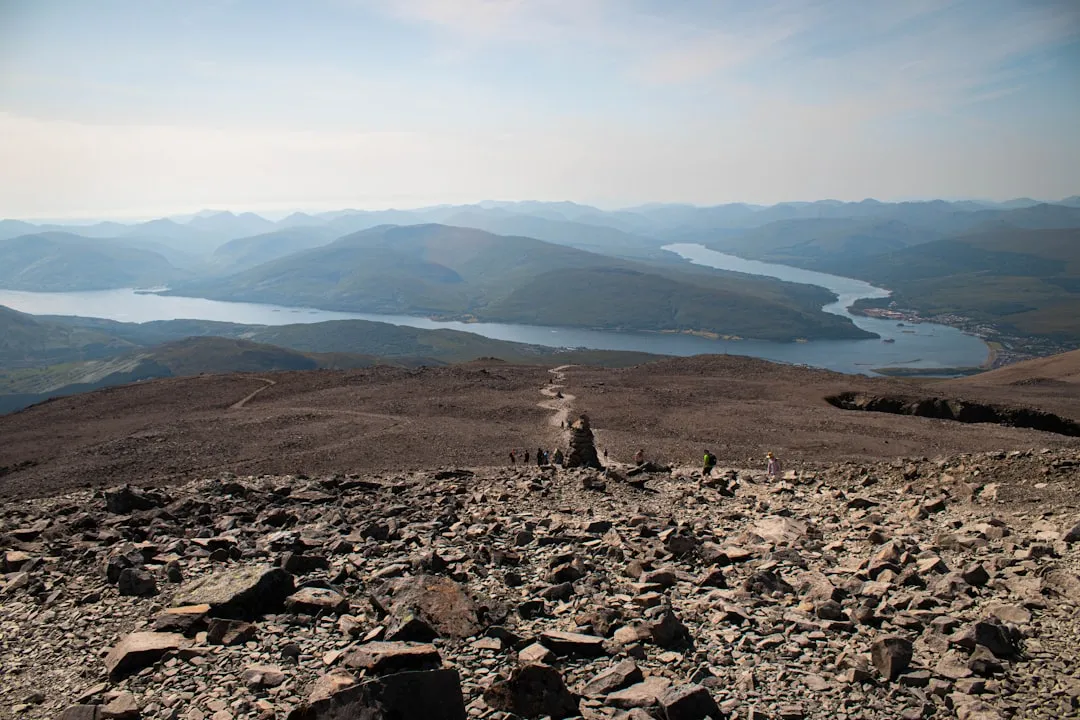
Arthur's Seat Trail - The Crown of Edinburgh
Arthur's Seat is the highest point in Holyrood Park, a jagged, grass-covered peak that rises dramatically from the centre of Edinburgh, Scotland. Standing at 251 metres above sea level, this ancient dormant volcano offers the most celebrated panoramic views of the Scottish capital, stretching from the Firth of Forth to the distant Highlands. Unlike many urban peaks, Arthur's Seat retains a remarkably wild and rugged character, providing a genuine mountain experience within walking distance of the Royal Mile. It is a Site of Special Scientific Interest (SSSI) due to its unique geology and diverse flora, serving as a sanctuary for both wildlife and city dwellers seeking a brief escape into the elements. Whether you are a seasoned hiker or a casual visitor, the ascent of Arthur's Seat is a rite of passage that defines the Edinburgh experience, blending natural majesty with thousands of years of human history.
- Distance: 4.0 km loop (variable depending on route)
- Duration: 2–3 hours
- Season: Year-round (Spring to Autumn recommended for best conditions)
- Elevation Gain: 251 metres
- Difficulty: Moderate (steep sections and uneven rocky terrain)
- Closest City: Edinburgh, Scotland
- Trailhead: Holyrood Park (near the Palace of Holyroodhouse)
Overview
Arthur's Seat is not merely a hill; it is the remains of a massive volcanic system that erupted approximately 341 million years ago during the Carboniferous period. Over millennia, glacial erosion carved away the softer rock, leaving behind the hard basaltic core that forms the "lion couchant" silhouette recognisable from almost every corner of the city. The trail network within Holyrood Park is extensive, but the primary Arthur's Seat Trail focuses on the ascent to the true summit. The experience is one of constant transition: you begin in the shadow of the Scottish Parliament and the Palace of Holyroodhouse, and within twenty minutes, you are surrounded by gorse-covered slopes and soaring basalt cliffs where the sounds of the city begin to fade into the wind.
The walk is characterised by its accessibility and its deceptive challenge. While the total elevation gain of 251 metres may seem modest to alpine hikers, the final approach to the summit involves navigating slick, polished basalt steps and steep gradients that require a steady foot. The reward at the top is a 360-degree vista that captures the architectural tapestry of Edinburgh—the medieval Old Town, the neoclassical New Town, the industrial docks of Leith, and the iconic Forth Bridges to the west. To the south, the Pentland Hills roll toward the Borders, while to the north, the Kingdom of Fife sits across the shimmering waters of the Forth.
What makes Arthur's Seat unique is the sense of scale. It is a miniature mountain that demands respect. The weather can change with startling speed; a sunny morning at the trailhead can transform into a misty, wind-whipped scramble at the summit. This unpredictability is part of its charm, offering a condensed version of the Scottish Highlands just a stone's throw from the city's bustling cafés and historic monuments. It is a landscape that has inspired poets, scientists, and revolutionaries, remaining the wild heart of Edinburgh.
History and Cultural Context
The history of Arthur's Seat is as layered as the volcanic strata that form it. The name itself is shrouded in legend, with many local traditions linking the peak to King Arthur’s Camelot. While there is no archaeological evidence to support this, the hill has been a site of human activity for over 10,000 years. On the eastern slopes, the remains of four Iron Age hillforts—most notably at Dunsapie Hill—suggest that the peak was a strategic stronghold for the Votadini tribe long before the Romans arrived in Scotland. These ancient inhabitants would have used the high ground to monitor the surrounding plains and the sea approaches of the Firth of Forth.
In the 18th century, Arthur's Seat became a crucible for modern science. James Hutton, the "Father of Modern Geology," used the Salisbury Crags (the dramatic cliffs adjacent to the summit) to develop his theories on the formation of the Earth. By observing the way molten rock had been forced through older sedimentary layers—a site now known as "Hutton's Section"—he realised that the Earth was far older than previously believed. This discovery revolutionised our understanding of deep time and geological processes, making Holyrood Park a site of international scientific pilgrimage.
The hill also holds darker, more mysterious tales. In 1836, a group of boys hunting for rabbits discovered seventeen tiny wooden coffins hidden in a small cave on the north-eastern crags. Each coffin contained a small wooden figure, meticulously carved and dressed in individual clothes. Their purpose remains a mystery to this day, though theories range from sailors' charms to a symbolic burial for the victims of the notorious West Port murderers, Burke and Hare. Eight of these "Arthur's Seat Coffins" are now housed in the National Museum of Scotland, continuing to fascinate visitors with their eerie history.
Throughout the Victorian era, the park was a popular spot for "Sunday strolls," though it was also a site of political radicalism. The "Radical Road," a path running beneath the Salisbury Crags, was built by unemployed West of Scotland weavers in 1820 following the Radical War, as a form of social relief work suggested by Sir Walter Scott. Today, the hill remains a symbol of Edinburgh's identity, a place where the ancient past and the vibrant present coexist in the shadow of the summit.
Want more background? Read extended notes on history and cultural context → Learn more
Seasonal Highlights and Weather Reality
Arthur's Seat is a year-round destination, but each season brings a distinct character to the climb. Because of its exposed nature, the weather at the summit is often significantly more intense than at the base. Wind is the most consistent factor; even on calm days, the "Lion's Head" can experience gusts that make standing upright a challenge.
Spring (March to May): This is perhaps the most beautiful time to visit. The gorse bushes that blanket the lower slopes erupt in brilliant yellow flowers, filling the air with a distinct scent of coconut. The weather is often crisp and clear, though the occasional "haar" (a thick sea mist from the Firth of Forth) can roll in suddenly, obscuring all views within minutes. Temperatures typically range from 6°C to 12°C.
Summer (June to August): The most popular time for hikers. The long Scottish daylight hours—with sunset as late as 10:00 PM in June—allow for spectacular evening climbs. However, the trails can become very crowded, particularly during the Edinburgh Festival in August. While temperatures are mild (15°C to 20°C), the sun can be surprisingly strong, and there is very little shade on the hill.
Autumn (September to November): The park turns to shades of rust and gold as the grasses and bracken change colour. The air is often clearer in autumn, providing the best visibility for long-distance views. However, this season also brings increased rainfall, making the basalt paths near the summit extremely slippery. Sturdy footwear becomes essential as the ground turns soft and muddy.
Winter (December to February): A winter ascent can be magical, especially if the hill is dusted with snow. However, it is also the most dangerous time. The wind chill can drop temperatures well below freezing, and the rocky steps near the summit often glaze over with "black ice." If there is ice on the ground, the final scramble to the summit should only be attempted with extreme caution and appropriate footwear. Daylight is short, with the sun setting as early as 3:30 PM in late December.
Recommended Itinerary
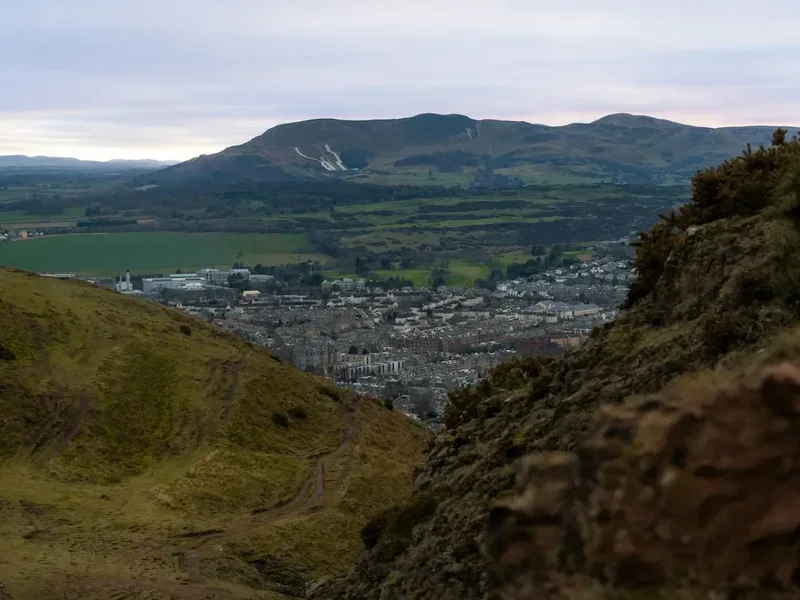
Arthur's Seat Loop Route
Waypoint 1: Holyrood Palace Trailhead
- Distance: 0 km
- Elevation: 30 m
- Time: 0 mins
- Start at the Broad Pavement car park near the Palace of Holyroodhouse.
- Ensure you have water and have checked the wind forecast.
- Follow the main gravel path heading south-east, keeping the Salisbury Crags to your right.
Waypoint 2: St Margaret's Loch and St Anthony's Chapel
- Distance: 0.8 km
- Elevation: 80 m
- Time: 15–20 mins
- Pass the picturesque St Margaret's Loch, home to a large population of swans.
- Begin a steady climb toward the ruins of St Anthony's Chapel, a 15th-century structure perched on a rocky outcrop.
- This is an excellent spot for a first photo, looking back over the palace and the city.
Waypoint 3: The Dry Dam and Ascent Path
- Distance: 1.5 km
- Elevation: 140 m
- Time: 40 mins
- The path levels out briefly in the "Dry Dam" valley between the chapel and the main summit.
- Follow the well-worn path as it begins to zigzag up the northern flank of the hill.
- The terrain becomes rockier here; watch your footing on the loose stones.
Waypoint 4: The Summit (The Lion's Head)
- Distance: 2.2 km
- Elevation: 251 m
- Time: 60–75 mins
- The final 50 metres involve a short scramble over polished basalt rock.
- Reach the trig point at the summit for 360-degree views.
- Take time to identify landmarks: Edinburgh Castle, the Scott Monument, and the distant Bass Rock in the Firth of Forth.
- Be prepared for high winds at this exposed point.
Waypoint 5: Descent via Salisbury Crags
- Distance: 4.0 km (total)
- Elevation: 30 m (return to base)
- Time: 45 mins (descent)
- Descend via the southern path toward Dunsapie Loch, or take the more direct western route toward the Salisbury Crags.
- If the Radical Road is open, follow the base of the cliffs for a dramatic perspective on the volcanic columns.
- Finish back at the Broad Pavement or the Scottish Parliament building.
Important Notes:
- The "Radical Road" path beneath Salisbury Crags is frequently closed due to rockfall risk; check local signage before entering.
- Avoid the "scree" slopes; stay on the established paths to prevent erosion and for your own safety.
- The summit rocks are exceptionally slippery when wet—even a light drizzle makes the basalt like glass.
- Allow extra time for photography; the light changes rapidly and provides endless opportunities.
Planning and Bookings
Book Your Trip
Everything you need to plan your journey
Accommodation
Find places to stay near Edinburgh
Flights
Search flights to Edinburgh
Essential Preparation
Arthur's Seat is located within Holyrood Park, which is managed by Historic Environment Scotland. No bookings or fees are required to hike the trail, making it one of the most accessible outdoor experiences in the country. However, preparation is still vital. The most important factor is checking the weather forecast, specifically for wind speeds and visibility. A "clear" day in the city centre does not always mean a clear summit.
In terms of logistics, the trailhead is easily reached from Edinburgh's city centre. It is a 15-minute walk from the Royal Mile or a short bus ride (Lothian Buses 6, 35, or 36 serve the area). If driving, there is limited parking at the Broad Pavement and near Dunsapie Loch, but these fill up very quickly on weekends and during the summer months. Note that some roads within the park are closed to vehicles on Sundays to allow for safer pedestrian and cyclist access.
Fitness requirements are moderate. While the walk is short, the gradient is steep in places, and the uneven ground can be taxing on the ankles. If you have mobility issues, the lower paths around the lochs and the Radical Road (when open) offer a flatter, more accessible way to enjoy the park's atmosphere without the strenuous summit climb.
Trail Accommodation
This is a day hike requiring no overnight accommodation within the park itself. Camping is strictly prohibited in Holyrood Park under the park's regulations to protect the fragile SSSI environment and maintain public order.
Nearby Options:
- Old Town Hotels/Hostels: Numerous options within a 10-20 minute walk of the trailhead, ranging from luxury hotels to budget backpacker hostels.
- University Accommodation: During summer months, the University of Edinburgh often opens its Pollock Halls (located at the edge of the park) to the public.
- Self-Catering: Many apartments are available in the nearby Abbeyhill and Newington areas.
Facilities:
- There are no toilets or water fountains on the hill itself.
- Public toilets are available at the Holyrood Park Education Centre (near the palace) during opening hours.
- The nearest cafés and shops are located on the Royal Mile or in the nearby St James Quarter.
Required Gear
- Footwear: Sturdy walking shoes or boots with good grip are essential. The basalt rock at the summit is polished smooth by millions of footsteps and becomes incredibly slippery when wet. Trainers are acceptable in dry summer conditions but not recommended in winter or rain.
- Clothing: The "layering" system is best for Scottish weather. Even in summer, bring a windproof jacket. A waterproof shell is mandatory, as rain can arrive without warning.
- Navigation: The paths are well-defined, but a basic map or a downloaded offline map (like OS Maps or AllTrails) is useful if mist rolls in.
- Sun Protection: On clear days, the exposure on the hill is total. Bring a hat and sunscreen, as there is no tree cover.
What to Bring
- Water: Bring at least 1 litre per person. There are no places to refill once you leave the trailhead.
- Snacks: High-energy snacks like nuts, fruit, or chocolate are great for the summit. Please remember to take all wrappers back with you.
- Camera/Smartphone: For the iconic views. Ensure it is fully charged, as cold winds can drain batteries quickly.
- Small First Aid Kit: Including plasters (band-aids) for blisters and antiseptic wipes.
- Rubbish Bag: To carry out all waste, including organic matter like orange peels or apple cores, which do not decompose quickly in this environment.
Permits
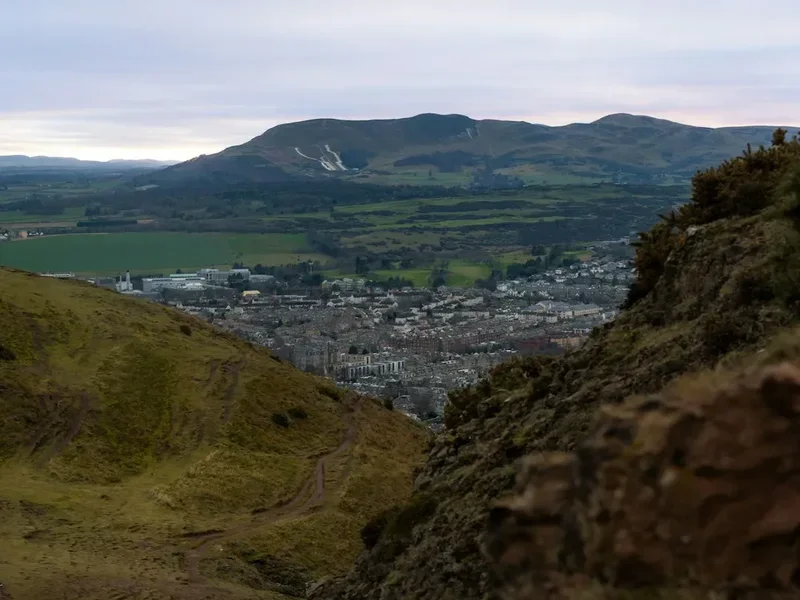
No permits are required to walk on Arthur's Seat or anywhere within Holyrood Park. The park is open 24 hours a day, 365 days a year, and access is free to all. This is protected under the Scottish Outdoor Access Code, which grants the public the right to be on most land and water for recreation, provided they act responsibly.
Group Events: While individual hikers do not need permits, if you are organising a large group event (such as a charity walk, a race, or a commercial filming session), you must contact Historic Environment Scotland in advance to obtain formal permission and ensure your activity does not conflict with park conservation goals.
Parking Charges: While the trail is free, the car parks managed by the park may have parking charges during peak hours. Check the local signage at the Broad Pavement or Dunsapie Loch for current rates and time limits. On Sundays, many of the park's internal roads are closed to motorised traffic to promote "Active Travel," so plan your arrival accordingly.
Other Activities in the Area
Holyrood Park and its surroundings offer a wealth of cultural and natural attractions that can easily be combined with a hike:
- Palace of Holyroodhouse: The official residence of the British monarch in Scotland. Explore the state apartments, the ruins of Holyrood Abbey, and the beautiful royal gardens located at the foot of the hill.
- The Scottish Parliament: A masterpiece of modern architecture designed by Enric Miralles. Free guided tours are available, offering insight into Scotland's political heart.
- Dynamic Earth: A science centre located right next to the park that tells the story of the Earth's formation, including the very volcanic activity that created Arthur's Seat. Excellent for families.
- The Royal Mile: Walk from the park up to Edinburgh Castle, passing historic closes, museums, and traditional Scottish pubs.
- Duddingston Village: On the far side of the hill, this charming historic village is home to the Sheep Heid Inn, reputedly the oldest pub in Scotland (dating back to 1360), perfect for a post-hike pint and a game of skittles.
- Dr Neil’s Garden: A "secret" garden located on the shores of Duddingston Loch, offering a peaceful retreat with stunning views of the hill's southern slopes.
Safety and Conditions
Pre-Departure Checks:
- Check the Met Office forecast for "Edinburgh" but assume the summit will be 3-5 degrees colder and significantly windier.
- Check for any "Notice to Mariners" or local park alerts regarding path closures, particularly the Radical Road.
- Ensure someone knows your intended route and expected return time, especially if hiking alone in winter or late evening.
Terrain Hazards: The primary danger on Arthur's Seat is the rock. The basalt is naturally slick, and the "polishing" effect of millions of hikers has made certain sections near the summit dangerously smooth. In wet or icy conditions, these rocks become a major slip hazard. Stay on the main paths; the "shortcuts" created by people sliding down the hill (desire lines) are unstable, contribute to erosion, and can lead to falls on loose scree.
The Crags: The Salisbury Crags have sheer vertical drops of up to 40 metres. While there are paths along the top, they are not fenced. Keep a safe distance from the edge, especially in high winds. Gusts can be unpredictable and powerful enough to knock a person off balance. If you are hiking with children or dogs, keep them under close supervision near the cliff edges.
Weather Extremes: Hypothermia is a genuine risk in the Scottish winter, even on a hill this small. The combination of wet clothing and high wind chill can lower body temperature rapidly. Conversely, in summer, heat exhaustion can occur as there is no shade on the hill. Always carry water and appropriate clothing for the season.
Emergency Services: In the event of an accident, dial 999 and ask for the Police. They coordinate with the Scottish Mountain Rescue teams if a technical recovery is required from the crags. The "What3Words" app is highly recommended for providing an exact location to emergency services in the park.
Side Trips and Points of Interest
St Anthony’s Chapel: These haunting ruins are the only building remaining in the park. While its exact origins are unknown, it is believed to have been a chapel for the nearby Holyrood Abbey, possibly serving as a beacon for pilgrims or a place for hermits. The view from the chapel ruins toward the Firth of Forth is one of the most evocative in Edinburgh.
Duddingston Loch: Located on the south side of the hill, this is the only natural freshwater loch in Edinburgh. It is a bird sanctuary where you can see herons, tufted ducks, and occasionally otters. The path around the loch offers a much flatter, gentler alternative to the summit climb.
The Radical Road: This historic path skirts the base of the Salisbury Crags. It offers a close-up view of the "columnar jointing" in the basalt—hexagonal columns formed as the volcanic rock cooled. Note: This path is frequently closed due to the danger of falling rocks from the cliffs above; always obey the barriers.
Hutton’s Section: For those interested in science, this small area of the Salisbury Crags is where James Hutton found the evidence for his geological theories. There is a small plaque marking the spot where he observed the "unconformity" that changed the world's understanding of time.
Dunsapie Loch: A small, high-altitude loch located on the eastern side of the hill. It is a popular spot for those who want a shorter walk to the summit, as a road leads almost to its banks, significantly reducing the elevation gain required to reach the top.
Leave No Trace
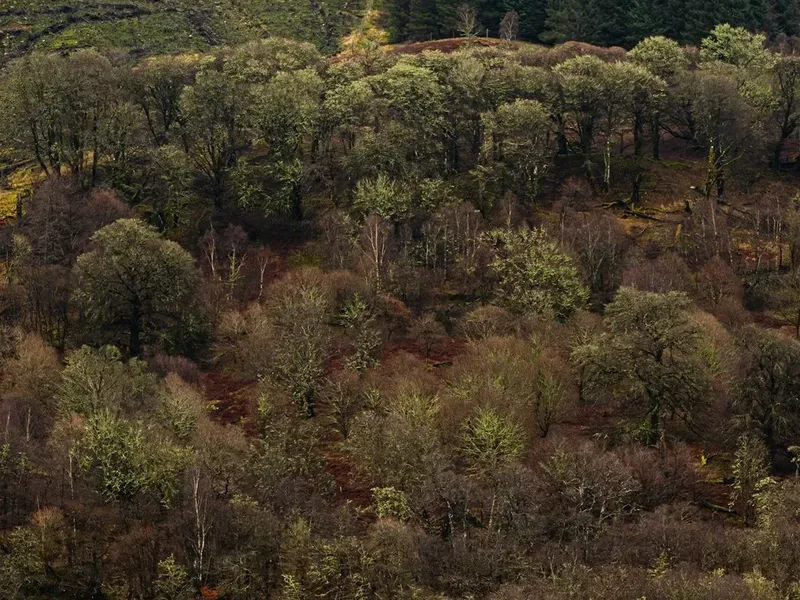
Holyrood Park is a precious ecological resource and a Site of Special Scientific Interest. With over two million visitors a year, the cumulative impact on the landscape is enormous. Following Leave No Trace principles is not just a suggestion; it is essential for the survival of the park's biodiversity.
Your responsibility as a walker:
- Stick to the Paths: Erosion is the biggest threat to Arthur's Seat. Walking off-path destroys the thin layer of soil and the rare grasses and wildflowers that grow here. Avoid creating new "social trails."
- Pack It In, Pack It Out: There are no bins on the hill. Take all your litter, including food scraps, back to the city. Orange peels and banana skins can take years to decompose in the cold Scottish climate and are unsightly for others.
- Respect Wildlife: The park is home to kestrels, fulmars, and rare butterflies. Observe from a distance and never feed the birds or animals.
- Keep Dogs Under Control: Dogs are welcome but should be kept on a lead or under very close control, especially near the crags and during the bird nesting season (March to August).
- No Fires or BBQs: These are strictly prohibited. The dry grass and gorse on the hill catch fire easily, and several devastating wildfires have occurred in recent years due to discarded cigarettes or portable BBQs.
- Leave What You Find: Do not pick wildflowers or remove rocks. The geological features are protected by law.
By walking responsibly, you ensure that Arthur's Seat remains a wild and beautiful place for the next generation of explorers. Treat the hill with the respect its 341-million-year history deserves.