

Araku Valley Trail - A Scenic Day Walk
The Araku Valley Trail offers a refreshing escape into the verdant landscapes of Andhra Pradesh, India. This moderate day walk is perfect for those seeking a blend of natural beauty, gentle exertion, and a glimpse into the local environment surrounding the popular Araku Valley. The trail meanders through rolling hills, past agricultural fields, and offers panoramic views of the valley floor, making it an accessible adventure for a wide range of walkers.
- Distance: 15.0 km
- Duration: 5-7 hours
- Elevation Gain: 500 m
- Difficulty: Moderate
- Best Time: October to March (winter season), pleasant weather
- Closest City: Visakhapatnam
- Trailhead Access: Nearest airport/city: Visakhapatnam (VTZ). Take a taxi or bus to Araku Valley (approx. 3-4 hrs). Road conditions are generally good. Limited parking at the trailhead. No permits required. GPS coordinates (approximate): 18.3333, 83.0667
Overview
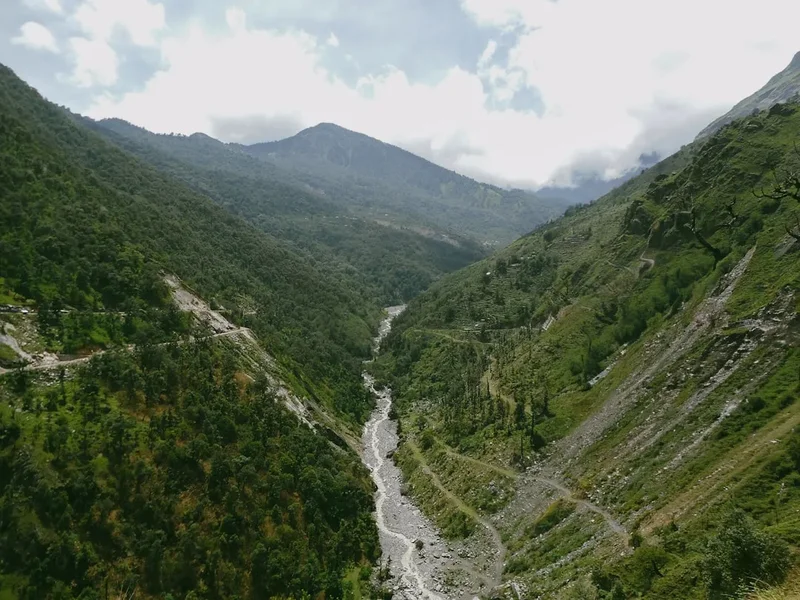
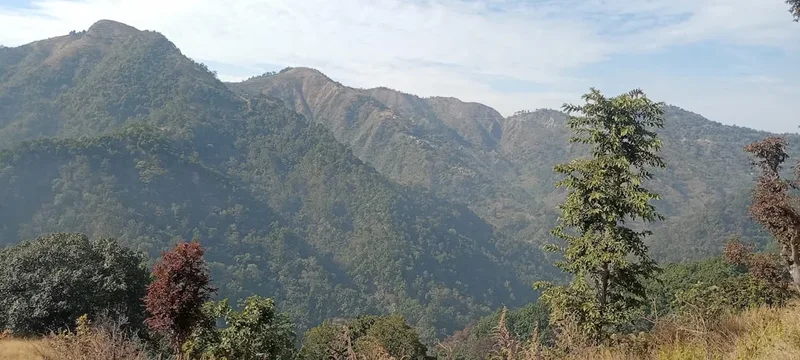
The Araku Valley Trail is a captivating day walk that showcases the diverse topography and natural charm of the region. Beginning from a point accessible by road near Araku town, the trail gradually ascends through a mix of scrubland, deciduous forests, and terraced coffee and spice plantations. The moderate elevation gain of 500 metres over 15 kilometres provides a satisfying challenge without being overly strenuous, making it suitable for most fitness levels. The path is generally well-defined, though some sections may be rougher, requiring careful footing.
As you progress, the trail opens up to breathtaking vistas of the surrounding hills and the sprawling valley below. You'll pass by small streams, observe local agricultural practices, and perhaps encounter diverse birdlife. The air is typically fresh and carries the scent of earth and vegetation. The highest point of the trail offers a commanding view, allowing walkers to appreciate the scale and beauty of the Araku Valley. The descent is equally scenic, often following a slightly different route or retracing parts of the ascent, providing new perspectives.
This trail is an excellent way to experience the natural environment of Araku Valley beyond its more famous attractions like the Borra Caves or the Padmapuram Gardens. It offers a sense of immersion in the landscape, a chance for quiet contemplation, and a rewarding physical activity that complements the cultural and scenic experiences the valley is known for. The best time to undertake this walk is during the cooler winter months, from October to March, when the weather is pleasant and the skies are often clear, offering optimal visibility.
History and Cultural Context
The Araku Valley itself has a rich history, primarily associated with the indigenous tribal communities who have inhabited the region for centuries. The valley is part of the Eastern Ghats mountain range, an area known for its unique tribal cultures, including the Khonds, Bagatas, and Valmikis. These communities have traditionally relied on agriculture, particularly coffee and spices, for their livelihood. The development of Araku Valley as a tourist destination is a more recent phenomenon, driven by its scenic beauty and the potential for eco-tourism and agricultural tourism.
The specific trails within the valley, like the one described here, are likely ancient paths used by local villagers for generations to travel between settlements, access water sources, or reach agricultural plots. These routes have been shaped by the natural contours of the land and the needs of the people. While there isn't a documented "discovery" or formal establishment of this particular trail in the way one might find for famous international hikes, its existence is deeply rooted in the local human geography and the agricultural heritage of the region.
The introduction of large-scale coffee plantations in the mid-20th century significantly altered the landscape and economy of Araku Valley. Many of the paths you might traverse could lead through or alongside these plantations, offering a visual narrative of this economic shift. The trail, therefore, represents not just a natural pathway but also a connection to the historical and cultural evolution of the Araku Valley, from its indigenous roots to its modern agricultural and tourism-focused identity.
Seasonal Highlights and Weather Reality
The Araku Valley Trail is best enjoyed during the winter months, from October to March. This period offers the most favourable weather conditions for walking.
October to March (Winter Season): This is the prime season for the Araku Valley Trail. The monsoon rains have subsided, leaving the landscape lush and green. Temperatures are pleasant, typically ranging from 15°C to 25°C, making for comfortable hiking conditions. The skies are generally clear, offering excellent visibility for the panoramic views from higher points on the trail. This is also the harvest season for many local crops, and you might see evidence of agricultural activity.
April to June (Summer Season): Summers in Araku Valley can be quite hot, with temperatures often exceeding 30°C. While the trail is still accessible, hiking during the midday heat can be challenging and uncomfortable. Early morning or late afternoon walks are advisable if attempting during this period. The landscape may appear drier compared to the winter months.
July to September (Monsoon Season): This period brings heavy rainfall to the region. While the rain contributes to the valley's verdant beauty, it can make the trails muddy, slippery, and potentially hazardous. Streams may swell, and visibility can be significantly reduced due to fog and clouds. Hiking during the monsoon is generally not recommended unless you are an experienced trekker prepared for wet and challenging conditions. However, for those who don't mind the rain, the waterfalls and the intense green of the vegetation can be spectacular.
Recommended Itinerary
Araku Valley Trail - Day Walk Itinerary
Early Morning (Approx. 7:00 AM - 8:00 AM): Departure from Visakhapatnam
- Begin your journey from Visakhapatnam.
- Travel by taxi or bus towards Araku Valley. The drive takes approximately 3-4 hours, offering scenic views as you ascend into the hills.
- Ensure you have had breakfast before departing or pack snacks for the journey.
Morning (Approx. 10:00 AM - 11:00 AM): Arrival at Trailhead and Start of Walk
- Arrive in Araku Valley and proceed to the designated trailhead.
- Final preparations: check gear, apply sunscreen and insect repellent, and fill water bottles.
- Begin the ascent of the Araku Valley Trail.
- The initial section may involve walking through local villages or agricultural land, offering a glimpse into daily life.
Midday (Approx. 1:00 PM - 2:00 PM): Reaching the Summit/Highest Point
- Continue ascending, navigating through varied terrain including forests and plantations.
- The trail's gradient will become more noticeable.
- Reach the highest point of the trail, offering expansive panoramic views of the Araku Valley.
- Take a break here to rest, hydrate, and enjoy the scenery. This is an ideal spot for a packed lunch.
Afternoon (Approx. 2:00 PM - 4:00 PM): Descent and Return Journey
- Begin the descent back towards the trailhead.
- The descent may follow a different path or retrace parts of the ascent, providing new perspectives.
- Observe the changing light and shadows as the afternoon progresses.
- The trail may pass by streams or through denser forest sections.
Late Afternoon (Approx. 4:00 PM - 5:00 PM): Completion of Walk and Departure
- Arrive back at the trailhead.
- Time for reflection and perhaps a refreshing drink.
- Depart from Araku Valley back towards Visakhapatnam.
Important Notes:
- This is a day hike; no overnight accommodation is required on the trail.
- Carry sufficient water and food, as facilities are limited along the route.
- Wear sturdy walking shoes and comfortable clothing suitable for hiking.
- Inform someone of your hiking plans and expected return time.
- Be aware of the weather and adjust your plans accordingly.
Planning and Bookings
Book Your Trip
Everything you need to plan your journey
Accommodation
Find places to stay near Visakhapatnam
Flights
Search flights to Visakhapatnam
Essential Preparation
The Araku Valley Trail is a day walk, meaning it does not require overnight bookings for accommodation on the trail itself. However, planning your travel to and from Araku Valley is crucial. The closest major city and transport hub is Visakhapatnam (Vizag). From Visakhapatnam, you can reach Araku Valley via road, which takes approximately 3-4 hours by taxi or bus. The road conditions are generally good, winding through scenic hilly terrain. It is advisable to book your transport in advance, especially if travelling during peak tourist seasons or weekends.
For those flying in, Visakhapatnam Airport (VTZ) is the nearest airport. Upon arrival, you can hire a taxi or find bus services heading towards Araku. If you plan to drive your own vehicle, be aware that parking at the trailhead might be limited, especially during busy periods. It's recommended to arrive early to secure a suitable spot. Consider staying overnight in Araku Valley to fully enjoy the surroundings, or plan for a long day trip from Visakhapatnam.
Trail Accommodation
This is a day hike requiring no overnight accommodation.
Required Gear
- Sturdy walking shoes: Good grip and ankle support are essential for varied terrain.
- Comfortable clothing: Lightweight, breathable fabrics suitable for walking. Layers are recommended to adapt to temperature changes.
- Waterproof jacket: Essential, especially during the monsoon season or if there's a chance of rain.
- Sun protection: Hat, sunglasses, and high SPF sunscreen are crucial, even on cloudy days, due to the altitude and exposure.
- Backpack: A small daypack (20-30 litres) to carry essentials like water, food, and extra clothing.
- Navigation: While the trail is generally well-defined, a map or GPS device with the trail route loaded is advisable. A compass can be a useful backup.
- First-aid kit: Include basic supplies like bandages, antiseptic wipes, pain relievers, and any personal medications.
- Insect repellent: Especially important during warmer months and near water sources.
What to Bring
- Water: Carry at least 2-3 litres of water per person. Water sources along the trail may not be potable.
- Food: Pack sufficient snacks and a packed lunch. Energy bars, fruits, nuts, and sandwiches are good options.
- Toiletries: Hand sanitiser, wet wipes, and any personal hygiene items.
- Camera: To capture the stunning scenery.
- Power bank: For charging mobile phones or other electronic devices.
- Cash: Small denominations for any local purchases or unexpected needs.
- Walking poles (optional): Can provide extra stability and reduce strain on knees, especially during the descent.
Permits
No specific permits are required to access or walk the Araku Valley Trail. The trail is located in an area that is generally open to the public for exploration. However, it is always advisable to check for any local advisories or temporary restrictions that might be in place due to weather conditions or local events. As this is a day walk, there are no booking requirements for accommodation or specific entry passes associated with the trail itself.
Other Activities in the Area
Araku Valley offers a variety of attractions and activities that can complement your hiking experience:
- Borra Caves: Explore these magnificent limestone caves, known for their stunning stalactite and stalagmite formations. They are a major natural wonder in the region.
- Padmapuram Gardens: A beautiful botanical garden featuring a variety of flora, including bamboo groves and medicinal plants. It also has a toy train that offers a pleasant ride.
- Araku Tribal Museum: Gain insights into the rich cultural heritage of the indigenous tribes of Araku Valley. The museum showcases traditional artefacts, costumes, and art forms.
- Coffee Plantations: Araku Valley is renowned for its coffee. Many plantations offer guided tours where you can learn about coffee cultivation, processing, and even sample fresh coffee.
- Chapara Falls: A picturesque waterfall located a short distance from Araku town, especially vibrant during and after the monsoon season.
- Ananthagiri Waterfalls: Another beautiful waterfall in the vicinity, offering a refreshing natural spot to visit.
- Local Markets: Explore the local markets to purchase handicrafts, spices, coffee, and other local produce.
Safety and Conditions
Trail Conditions: The Araku Valley Trail is generally well-defined but can be uneven in places. Sections may become slippery and muddy during and immediately after the monsoon season (July-September). Always wear appropriate footwear with good grip.
Weather: While the best time to visit is October to March, weather can change unexpectedly. Always check the local weather forecast before you set out. Be prepared for sunshine, but also for potential rain showers, especially in the afternoons. Temperatures can vary, so carrying layers is recommended.
Hydration and Nutrition: Carry ample water, as there are no reliable water sources along the trail. Pack enough food and snacks to sustain you for the 5-7 hour duration of the walk. Dehydration and fatigue can increase the risk of accidents.
Wildlife: While the trail is not known for dangerous wildlife, it's always wise to be aware of your surroundings. Avoid disturbing any animals you may encounter. Insect repellent is recommended to protect against mosquitoes and other biting insects.
Navigation: Although the trail is generally straightforward, it's easy to get disoriented, especially if you stray from the main path. Using a GPS device or a reliable offline map app on your phone is highly recommended. Inform someone about your hiking plans, including your intended route and expected return time.
Emergency Contacts: Have local emergency numbers readily available. In case of an emergency, try to reach the nearest village or town for assistance. Mobile phone reception can be intermittent in some parts of the valley.
Respect Local Customs: Be mindful of the local culture and traditions. Dress modestly when passing through villages and ask for permission before taking photographs of people.
Side Trips and Points of Interest
While the Araku Valley Trail itself is a rewarding experience, several points of interest lie along or near its route, or are easily accessible from the trailhead:
Local Villages: As you begin or end your walk, you'll likely pass through or near small tribal villages. These offer a chance to observe traditional lifestyles, architecture, and agricultural practices. Always be respectful and ask permission before taking photographs.
Agricultural Terraces: The trail often winds through or offers views of meticulously maintained agricultural terraces, primarily for coffee and spices. These are a testament to the ingenuity of the local farmers and create beautiful patterns on the hillsides.
Small Streams and Waterfalls: Depending on the season, you may encounter small streams or temporary waterfalls along the trail. These add to the natural beauty and provide opportunities for rest and refreshment (though water should be treated if consumed).
Panoramic Viewpoints: Beyond the main summit viewpoint, numerous spots along the trail offer stunning vistas of the Araku Valley. These are perfect for short breaks and photography, allowing you to appreciate the vastness and beauty of the landscape from different angles.
Unique Flora and Fauna: Keep an eye out for the diverse plant life and bird species native to the Eastern Ghats. The trail passes through varied ecosystems, from open scrubland to denser forest patches, each supporting its own unique biodiversity.
Leave No Trace
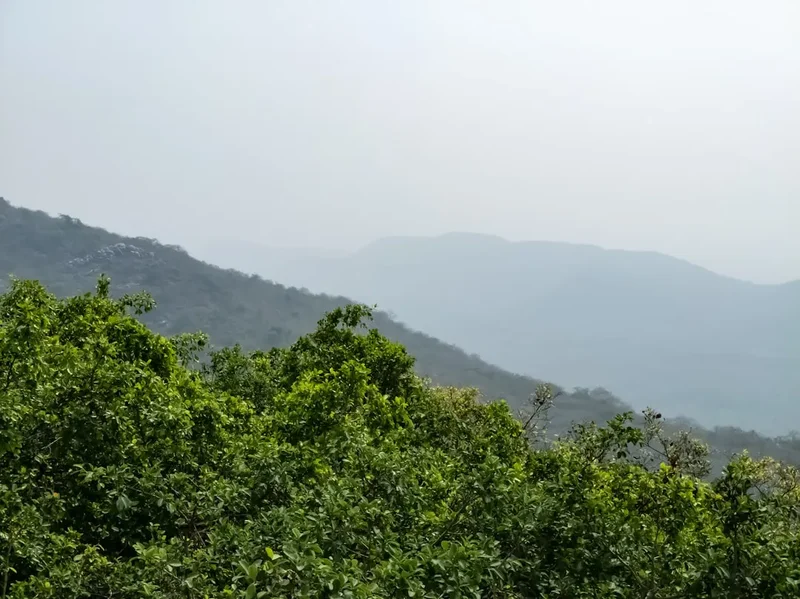
The Araku Valley Trail, like any natural environment, deserves our utmost respect and care. Practising Leave No Trace principles ensures that this beautiful area remains pristine for future visitors and for the local ecosystem.
Plan Ahead and Prepare: Familiarise yourself with the trail, weather conditions, and any local regulations before you go. Pack appropriately to avoid needing to improvise with potentially harmful materials.
Travel and Camp on Durable Surfaces: Stick to the established trail. Avoid cutting across switchbacks or walking on fragile vegetation, which can lead to erosion and damage.
Dispose of Waste Properly: Pack out everything you pack in. This includes all food scraps, wrappers, and any other litter. Do not bury or burn trash, as it can attract wildlife and leave a lasting impact.
Leave What You Find: Do not take any natural objects, such as rocks, plants, or flowers, from the trail or its surroundings. Leave them for others to enjoy and for the ecosystem to thrive.
Minimise Campfire Impacts: As this is a day hike, campfires are not applicable. However, if you were to stop for an extended break, ensure any cooking is done responsibly and that no fires are left unattended or improperly extinguished.
Respect Wildlife: Observe wildlife from a distance. Never feed animals, as this can disrupt their natural behaviours and diets, and can make them dependent on human food. Store your food securely.
Be Considerate of Other Visitors: Keep noise levels down, especially when passing through villages or resting. Yield to others on the trail, and be courteous to local residents.