
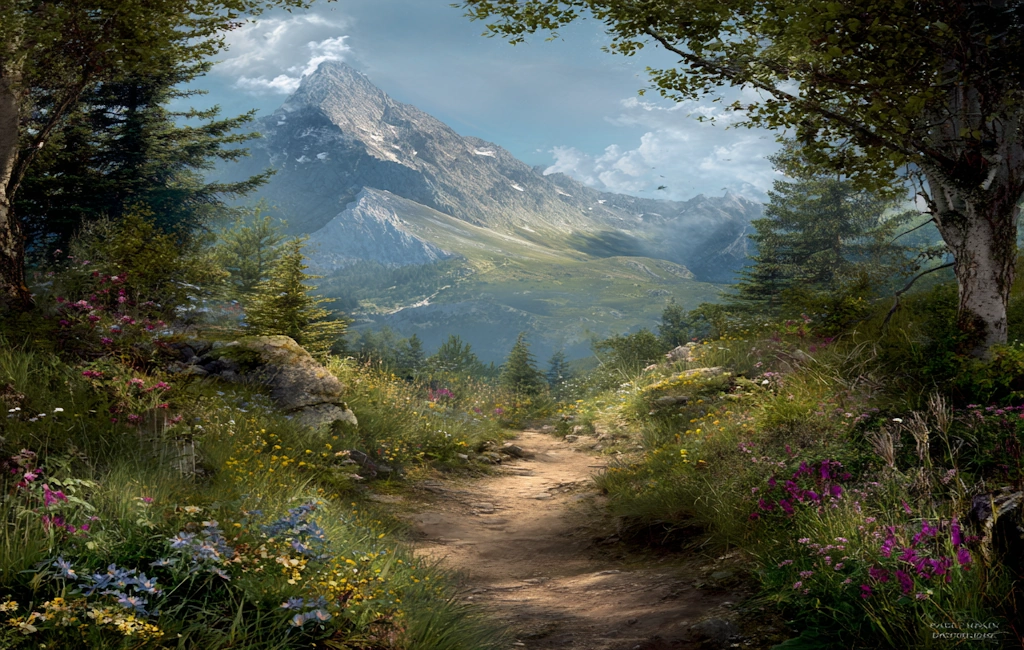
Apuseni Cave Trail - A Journey into Romania's Karst Wonderland
The Apuseni Cave Trail is a captivating day walk nestled within the heart of Romania's Apuseni Mountains, a region renowned for its dramatic karst landscapes, extensive cave systems, and rich biodiversity. This trail offers a moderate challenge, leading hikers through a diverse terrain of dense forests, open meadows, and the unique geological formations that define the Apuseni Natural Park. It's a journey that promises not only stunning natural beauty but also a glimpse into the traditional rural life that still thrives in these remote mountain communities. The trail is an excellent introduction to the wonders of the Apuseni, showcasing the region's geological marvels and its vibrant, living ecosystems.
- Category: Day Walk
- Distance: 15.0 km
- Elevation Gain: 500 m
- Duration: 6–8 hours
- Difficulty: Moderate
- Best Time: May to October
- Closest City: Cluj-Napoca
- Trailhead Access: Nearest airport: Cluj-Napoca (CLJ). Drive to Garda de Sus (approx. 2–3 hours). Follow DN75. Road is paved but can be narrow and winding. Limited parking at trailhead. GPS: 46.5500, 22.7000. No permits typically required.
Overview
The Apuseni Cave Trail is a moderate day hike that encapsulates the essence of the Apuseni Mountains. Stretching for 15 kilometres with an elevation gain of 500 metres, it typically takes between 6 to 8 hours to complete, making it an ideal full-day excursion for those with a reasonable level of fitness. The trail winds its way through a varied landscape, beginning in the lower foothills and gradually ascending into the heart of the karst region. Hikers will traverse through ancient beech and fir forests, where sunlight dapples through the canopy, creating an ethereal atmosphere. As the trail climbs, it opens up to panoramic views of the surrounding mountain ranges and deep valleys, offering breathtaking vistas that change with every turn.
A significant highlight of this trail is its proximity to and exploration of the region's famous cave systems. While the trail itself doesn't delve deep into the subterranean world, it passes by entrances and offers opportunities to appreciate the geological forces that have shaped the Apuseni. The landscape is characterised by limestone formations, sinkholes, and underground rivers, evidence of millennia of erosion. The trail is well-marked, though some sections may require careful navigation, particularly in the higher, more remote areas. The moderate difficulty means it is accessible to most hikers, but sturdy footwear and preparation for changing mountain weather are essential.
The Apuseni Mountains are also a sanctuary for diverse flora and fauna. During the spring and summer months, the meadows are carpeted with wildflowers, and the forests are alive with the sounds of birdsong. Keep an eye out for chamois, deer, and various bird species. The trail offers a profound connection with nature, a chance to escape the hustle and bustle of urban life and immerse oneself in the raw, untamed beauty of the Romanian Carpathians. The journey culminates with rewarding views and a sense of accomplishment, making the Apuseni Cave Trail a memorable adventure for any nature enthusiast.
History and Cultural Context
The Apuseni Mountains have a long and rich history, deeply intertwined with human settlement and resource utilisation. For centuries, these mountains have been home to communities who have adapted to the challenging terrain and unique environment. The region is particularly known for its traditional pastoral lifestyle, with sheep farming and cheese-making being prominent activities. The scattered villages and isolated homesteads you might glimpse from the trail are testaments to this enduring way of life.
Geologically, the Apuseni Mountains are part of the Western Carpathians and are characterised by extensive limestone formations, which have led to the development of one of Romania's most significant karst regions. This geological activity has resulted in the formation of thousands of caves, underground rivers, and dramatic surface features like dolines and uvalas. The exploration and study of these caves have a history dating back to the late 19th and early 20th centuries, with speleologists and geologists gradually uncovering the secrets of the subterranean world.
The area also holds historical significance related to Romania's past. During periods of conflict and political upheaval, the remote and rugged terrain of the Apuseni provided refuge for various groups, including the haiduci (outlaws or folk heroes) who were celebrated in Romanian folklore for their resistance against oppression. The natural park status of the Apuseni Mountains, established to protect its unique natural heritage, reflects a modern understanding of the importance of preserving these landscapes and their cultural legacy for future generations. The trail itself often follows ancient paths that were once used by shepherds, loggers, and local communities, connecting historical routes with the present-day appreciation of this remarkable natural area.
Seasonal Highlights and Weather Reality
The Apuseni Cave Trail is best experienced during the warmer months, from May to October. During this period, the weather is generally more stable, and the trails are clear of snow and ice, making for safer and more enjoyable hiking conditions.
Spring (May–June): This is a beautiful time to visit as the landscape awakens from winter. Wildflowers bloom profusely, painting the meadows with vibrant colours. The forests are lush and green, and the air is fresh. However, spring can also bring unpredictable weather, with occasional rain showers and cooler temperatures, especially at higher elevations. Water levels in streams and rivers can be higher due to snowmelt.
Summer (July–August): Summer offers the warmest temperatures and the longest daylight hours, ideal for extended hikes. The forests provide welcome shade, and the open meadows are bathed in sunshine. This is peak tourist season, so trails might be busier, particularly on weekends. Sandflies can be present, though generally less of an issue than in some other regions. Thunderstorms can occur in the afternoons, so it's wise to start your hike early and be prepared for sudden downpours.
Autumn (September–October): Autumn is a spectacular season in the Apuseni Mountains. The deciduous forests transform into a breathtaking display of reds, oranges, and yellows. The air is crisp and clear, offering excellent visibility for panoramic views. Temperatures begin to cool, and the number of visitors decreases, providing a more tranquil hiking experience. However, by late October, the first snowfalls can occur at higher altitudes, and temperatures can drop significantly, making it essential to check weather forecasts before heading out.
Winter (November–April): The Apuseni Mountains are generally covered in snow during winter, making the cave trail inaccessible and dangerous for unprepared hikers. This season is for experienced winter mountaineers with appropriate gear and knowledge of avalanche risks. Temperatures are well below freezing, and daylight hours are short.
Recommended Itinerary
Apuseni Cave Trail - Day Hike Itinerary
Early Morning (Approx. 8:00 AM): Arrival and Trailhead Preparation
- Arrive at the designated trailhead near Garda de Sus.
- Park your vehicle in the limited parking area.
- Final gear check: ensure boots are laced, backpack is comfortable, and water bottles are full.
- Consult any available trail maps or information boards at the trailhead.
- Begin the hike as the day is still cool and the light is soft.
Morning (Approx. 8:30 AM - 12:00 PM): Forest Ascent and Karst Features
- The trail begins with a gentle ascent through dense beech and fir forests.
- Enjoy the dappled sunlight and the sounds of the forest.
- The path may be a mix of dirt track and rocky sections.
- As you gain elevation, the forest may thin, offering glimpses of the surrounding valleys.
- Look out for initial karst features such as sinkholes or unusual rock formations.
- The gradient becomes more noticeable, requiring steady effort.
Midday (Approx. 12:00 PM - 1:30 PM): Panoramic Views and Picnic Lunch
- Reach a higher elevation where the forest opens up significantly.
- Discover viewpoints offering expansive panoramas of the Apuseni Mountains.
- Identify prominent peaks and valleys.
- Find a suitable spot for a well-deserved picnic lunch, taking in the breathtaking scenery.
- This is an excellent opportunity to rest and rehydrate.
- Observe the geological landscape, noting limestone outcrops and potential cave entrances in the distance.
Afternoon (Approx. 1:30 PM - 4:30 PM): Descent and Cave Exploration (Optional)
- Begin the descent, which may follow a different path or retrace parts of the ascent.
- The descent can be steep in places, requiring careful footing.
- If the trail passes near accessible cave entrances (e.g., a well-known smaller cave or a viewpoint overlooking a larger system), consider a brief, safe exploration if conditions permit and you are adequately equipped (headlamp, helmet). Note: This trail description assumes no technical caving is involved, but rather appreciation of cave entrances from the surface.
- Continue through varied terrain, potentially crossing small streams or open meadows.
- The final section of the trail may lead back through forest or along the edge of a village.
Late Afternoon (Approx. 4:30 PM - 5:30 PM): Return to Trailhead
- Arrive back at the trailhead near Garda de Sus.
- Take time to stretch and reflect on the day's journey.
- Ensure you have collected all your belongings and left no trace.
- Begin your journey back to Cluj-Napoca or your next destination.
Important Notes:
- This is a day hike; no overnight accommodation is required on the trail itself.
- The trail is generally well-marked, but carrying a map and compass or GPS device is recommended.
- Weather in the mountains can change rapidly; always be prepared for rain and cooler temperatures.
- Carry sufficient water and high-energy snacks.
- Respect the natural environment and follow Leave No Trace principles.
Planning and Bookings
Book Your Trip
Everything you need to plan your journey
Accommodation
Find places to stay near Cluj-Napoca
Flights
Search flights to Cluj-Napoca
Essential Preparation
The Apuseni Cave Trail is a day hike, meaning no advance booking for accommodation is necessary. However, thorough preparation is key to a safe and enjoyable experience. The closest major city and transport hub is Cluj-Napoca. From Cluj-Napoca, the drive to Garda de Sus, the nearest village to the trailhead, takes approximately 2 to 3 hours. The route primarily follows the DN75, a paved road that can be narrow and winding, especially as you approach the mountains. It is advisable to have a reliable vehicle, preferably one with good ground clearance, although a standard car is usually sufficient. Ensure your vehicle is in good condition, and consider carrying a spare tyre and basic repair kit. Parking at the trailhead is limited, so arriving early, especially during peak season or weekends, is recommended. It's also wise to inform someone of your hiking plans, including your intended route and estimated return time.
Trail Accommodation
This is a day hike requiring no overnight accommodation.
Required Gear
- Sturdy hiking boots: Waterproof and with good ankle support are essential for navigating uneven terrain and potential wet conditions.
- Waterproof and windproof jacket: Mountain weather can change rapidly; a reliable outer layer is crucial.
- Layered clothing: Include moisture-wicking base layers, insulating mid-layers (fleece or down), and an outer shell.
- Backpack: A comfortable daypack (20-30 litres) to carry essentials.
- Navigation tools: A detailed map of the Apuseni Natural Park, a compass, and/or a GPS device or smartphone with offline maps.
- Head torch: Essential for safety, especially if you encounter unexpected delays or wish to explore any accessible cave entrances (with caution and appropriate gear). Ensure it has fresh batteries.
- First-aid kit: Including blister treatment, bandages, antiseptic wipes, pain relievers, and any personal medications.
- Sun protection: Sunscreen, sunglasses, and a hat, as exposed sections can be intense.
- Insect repellent: Particularly useful during warmer months to ward off mosquitoes and other biting insects.
What to Bring
- Sufficient water: Carry at least 2 litres per person, as water sources on the trail may be unreliable or require treatment.
- High-energy food: Packed lunch, snacks (nuts, dried fruit, energy bars) to sustain you throughout the 6-8 hour hike.
- Water treatment method: A filter or purification tablets if you plan to refill from natural sources.
- Toilet paper and hand sanitiser: For personal hygiene.
- Small trowel: For burying human waste if away from designated facilities (though on this day hike, it's unlikely you'll need it).
- Camera: To capture the stunning scenery.
- Walking poles (optional): Can aid stability and reduce strain on knees, especially during descents.
- Small plastic bags: For packing out all rubbish.
Permits
Typically, no specific permits are required for hiking the Apuseni Cave Trail within the Apuseni Natural Park. The park is accessible to the public for recreational activities like hiking. However, it is always advisable to check the latest regulations with the park administration or local tourist information centres before your visit, especially if you plan to engage in activities beyond standard day hiking, such as camping (which is generally restricted to designated areas) or caving in more complex systems.
While permits are not usually needed for the trail itself, adherence to the park's rules and regulations is mandatory. These typically include:
- Staying on marked trails to protect the fragile ecosystem.
- Not disturbing wildlife or removing plants.
- Proper disposal of waste (pack it in, pack it out).
- Respecting the natural and cultural heritage of the area.
- Avoiding campfires outside designated areas.
For more extensive caving expeditions or activities that might impact the environment, specific permissions might be necessary. It is recommended to consult the official website of the Apuseni Natural Park or contact local authorities for the most up-to-date information regarding access and regulations.
Other Activities in the Area
The Apuseni Mountains offer a wealth of activities beyond the Cave Trail, making it a destination for a longer stay:
- Cave Exploration: The Apuseni region is famous for its extensive cave systems. While this trail offers glimpses, dedicated caving tours are available for more in-depth exploration of sites like the Scarisoara Ice Cave (home to a large underground glacier), the Bears' Cave (Peștera Urșilor), and the Piatra Altarului Cave. These often require guides and specific equipment.
- Hiking and Trekking: Numerous other trails crisscross the Apuseni Mountains, ranging from short walks to multi-day treks. Explore different valleys, discover hidden waterfalls, and visit remote mountain villages.
- Visiting Traditional Villages: Experience the authentic rural Romanian lifestyle by visiting villages like Garda de Sus, Arieseni, and Albac. Observe traditional architecture, local crafts, and sample regional cuisine.
- Cycling: The paved roads and some forest tracks offer opportunities for scenic cycling tours, though be prepared for hilly terrain.
- Photography: The dramatic landscapes, unique geological formations, diverse flora and fauna, and traditional village life provide endless opportunities for photographers.
- Local Cuisine: Sample traditional Romanian dishes, including hearty stews, grilled meats, and local cheeses like 'telemea' and 'caș'.
- Cultural Sites: Visit local churches, ethnographic museums, and historical landmarks that tell the story of the region's past.
Safety and Conditions
Trail Conditions: The Apuseni Cave Trail is generally well-maintained and marked, but conditions can vary. Sections may be muddy after rain, and rocky or uneven terrain requires careful footing. Overgrown vegetation can sometimes obscure the path, especially in early spring or late autumn.
Weather: Mountain weather is notoriously unpredictable. Be prepared for sudden changes, including rain, fog, strong winds, and temperature drops, even during summer. Always check the weather forecast for the Apuseni Mountains before you set out and carry appropriate gear for all conditions. Afternoon thunderstorms are common in summer and can bring heavy rain and lightning.
Navigation: While the trail is marked, it is essential to carry a map and compass or a GPS device with offline maps. Do not rely solely on mobile phone signal, as it can be unreliable in mountainous areas. Familiarise yourself with the route before you start.
Wildlife: The Apuseni Mountains are home to various wildlife, including deer, wild boar, and chamois. While encounters are rare and animals are generally shy, it's important to maintain a safe distance and never feed them. Bears are present in the wider Carpathian region, but encounters on marked trails are extremely uncommon. Make noise as you hike to alert animals to your presence.
Water Sources: Natural water sources may be available, but it is strongly recommended to treat all water before drinking, either by boiling, filtering, or using purification tablets, to avoid waterborne illnesses.
Emergency: In case of an emergency, try to reach a point with mobile signal to call for help. The emergency number in Romania is 112. Know your location and the nature of the emergency. It is advisable to inform someone of your hiking plans before you depart.
Caving Safety: If you plan to explore any cave entrances, do so with extreme caution. Only enter accessible, well-lit areas. Never venture into unknown caves without experienced guides and proper caving equipment (helmet, headlamp with spare batteries, appropriate clothing). Unexplored caves can be dangerous due to unstable ground, sudden drops, and lack of air circulation.
Side Trips and Points of Interest
Scarisoara Ice Cave (Peștera Scărișoara): While not directly on the main trail, this is one of the most famous attractions in the Apuseni Mountains and a highly recommended detour. It houses one of the largest underground glaciers in Europe, a spectacular natural wonder. Access involves a descent via stairs into the cave, revealing a vast chamber filled with ice formations. It requires a separate visit and is typically accessed from the village of Gârda Seacă.
Bears' Cave (Peștera Urșilor): Located near Chișcău village, this cave is named for the numerous cave bear fossils discovered within its chambers. It is a well-developed tourist cave with guided tours showcasing impressive stalactites, stalagmites, and the fossilised remains. It offers a different caving experience compared to the natural, less developed sections of the Apuseni.
Traditional Villages: The trail passes through or near several picturesque villages such as Garda de Sus, Arieseni, and Albac. These villages offer a glimpse into traditional Romanian mountain life, with their unique architecture, agricultural practices, and local crafts. Stopping in one of these villages for a meal or to purchase local produce can be a rewarding cultural experience.
Panoramic Viewpoints: Throughout the hike, particularly as you gain elevation, numerous natural viewpoints offer breathtaking vistas of the Apuseni Mountains. These are ideal spots for photography and for appreciating the vastness and rugged beauty of the landscape. Look for areas where the forest canopy opens up to reveal sweeping views of valleys and distant peaks.
Karst Formations: Keep an eye out for various karst features along the trail, such as sinkholes (dolines), limestone pavements, and unusual rock formations sculpted by water erosion over millennia. These geological curiosities are a hallmark of the Apuseni region.
Leave No Trace
The Apuseni Natural Park is a precious ecosystem, home to unique flora, fauna, and geological wonders. Practising Leave No Trace principles is crucial to preserving its beauty and integrity for future visitors and for the health of the environment itself.
Plan Ahead and Prepare: Research the trail, understand its difficulty, and check weather forecasts. Pack appropriate gear and sufficient supplies to avoid needing to forage or rely on the environment. Inform someone of your plans.
Travel and Camp on Durable Surfaces: Stick to marked trails to avoid damaging vegetation and causing erosion. The Apuseni Cave Trail is a day hike, so camping is not applicable, but staying on the path is paramount.
Dispose of Waste Properly: Pack out everything you pack in. This includes all food scraps, wrappers, and any other litter. Use designated bins where available, but be prepared to carry all your rubbish back with you. If you need to relieve yourself away from facilities, dig a cathole at least 60 metres (60 m) from water, trails, and campsites, and bury human waste. Pack out toilet paper.
Leave What You Find: Resist the temptation to take souvenirs such as rocks, plants, or historical artefacts. Leave them for others to enjoy and to maintain the natural balance.
Minimise Campfire Impacts: Campfires are generally not permitted on this day hike. If you were to camp in designated areas (which are rare in this region for day hikes), use established fire rings and keep fires small. Ensure fires are completely extinguished before leaving.
Respect Wildlife: Observe wildlife from a distance. Never feed animals, as it can disrupt their natural behaviours, diets, and health. Store food securely to prevent attracting animals.
Be Considerate of Other Visitors: Keep noise levels down, especially in natural settings. Yield to other hikers on narrow trails. Respect the local culture and traditions.