
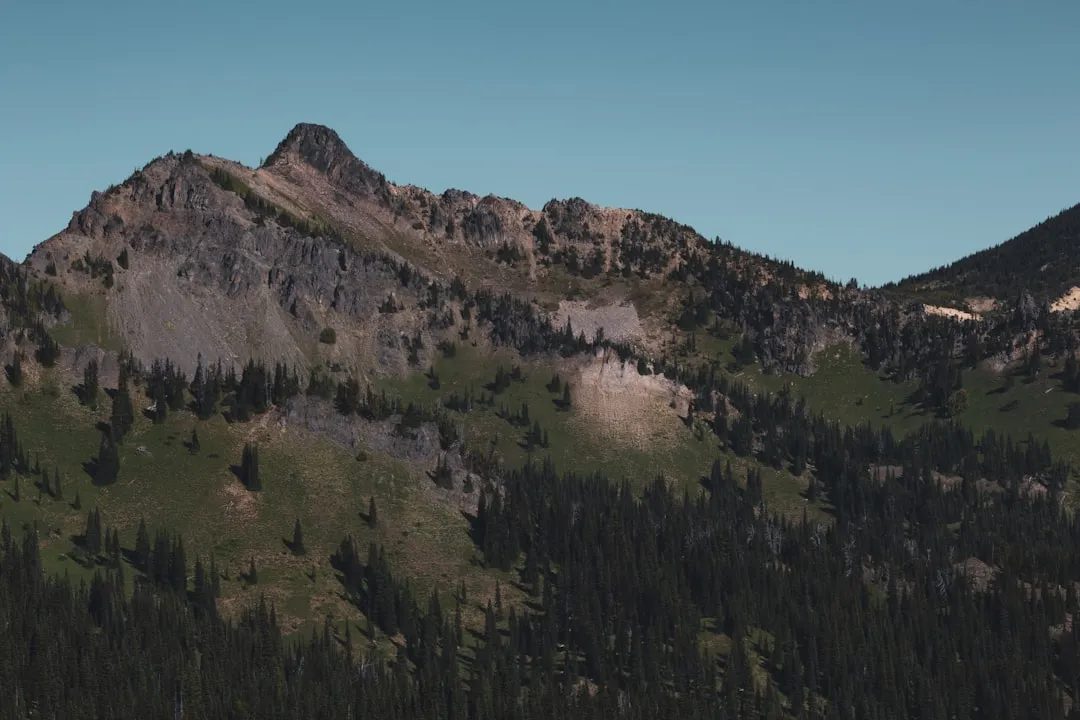
Angels Landing - Zion’s Iconic Sky-High Ascent
Angels Landing is not merely a hike; it is a rite of passage for outdoor enthusiasts and one of the most renowned day walks in the United States’ National Park system. Perched high above the floor of Zion Canyon in Utah, this 8.7-kilometre round-trip journey culminates in a narrow, precipitous ridge where walkers must navigate a series of anchored support chains to reach a summit that feels suspended in mid-air. The trail offers a dramatic transition from the lush, riparian environment of the Virgin River to the stark, vertical world of Navajo Sandstone. It is a walk that demands physical stamina, a steady head for heights, and a deep respect for the raw power of the desert landscape. For those who reach the final viewpoint, the reward is a staggering 360-degree panorama of Zion Canyon, where the scale of the geological forces at work becomes profoundly clear.
- Distance: 8.7 km return
- Duration: 4–5 hours
- Elevation Gain: 457 m
- Difficulty: Challenging / Strenuous
- Highest Point: 1,765 m
- Permit Required: Yes (Lottery system mandatory for the chain section)
- Closest Town: Springdale, Utah
- Trailhead: The Grotto (Shuttle Stop 6)
Overview
The Angels Landing trail is a masterclass in trail engineering and natural drama. Located within the heart of Zion National Park, the route follows a fin-like sandstone formation that juts out into the centre of the canyon, providing a vantage point that was once famously described as being so high that "only an angel could land on it." The walk is characterised by three distinct phases: the steady climb through the lower canyon, the cool respite of Refrigerator Canyon, and the final, adrenaline-inducing scramble along the narrow ridge known as the Hogsback.
The landscape is defined by the towering walls of red and white Navajo Sandstone, which rise nearly 1,000 metres from the canyon floor. As you ascend, the vegetation shifts from the cottonwoods and box elders of the riverbank to the hardy pinyon pines and junipers that cling to the rocky ledges. The geological story here is one of ancient sand dunes, deposited over 150 million years ago, which have been compressed into stone and subsequently carved by the relentless flow of the Virgin River. This process of erosion continues today, shaping the very cliffs that walkers traverse.
Because of its immense popularity and the inherent risks of the narrow ridge section, the National Park Service implemented a permit system in 2022. This has significantly improved the experience, reducing the dangerous overcrowding that once plagued the chain section. Today, walkers can enjoy a more measured and respectful journey, though the physical challenge remains significant. The final 800 metres of the trail involve steep drop-offs of over 300 metres on either side, requiring walkers to use heavy metal chains bolted into the rock for stability. It is an experience that combines the physical exertion of a steep mountain climb with the psychological thrill of high-altitude exposure, making it one of the most memorable walks in the world.
History and Cultural Context
The human history of Zion Canyon stretches back thousands of years. Long before the arrival of European explorers, the Southern Paiute people inhabited this region, referring to the canyon as Mukuntuweap. They held a deep spiritual connection to the land, utilising the canyon floor for seasonal farming and the high plateaus for hunting. While there is no evidence that indigenous peoples regularly climbed to the summit of Angels Landing, the entire canyon remains a place of profound cultural significance to their descendants.
The modern name "Angels Landing" was coined in 1916 by Frederick Vining Fisher, a Methodist minister who, while exploring the canyon with friends, remarked that the peak was so remote and lofty that only an angel could land there. The name stuck, reflecting the awe-inspired perspective of early 20th-century visitors. At that time, the summit was considered inaccessible to all but the most experienced climbers.
The trail as we know it today was a feat of the 1920s. In 1926, the National Park Service commissioned the construction of a path to the summit to allow visitors to experience the canyon’s grandeur from above. This involved incredible feats of manual labour, including the carving of "Walter’s Wiggles"—a series of 21 tight, steep switchbacks named after Walter Ruesch, Zion’s first park custodian, who oversaw the project. The construction of the chain section was equally ambitious, requiring workers to drill into the hard sandstone to anchor the supports that still guide walkers today. This trail represents a pivotal era in the American conservation movement, where infrastructure was designed to bring people into close contact with wilderness while attempting to preserve the integrity of the landscape.
Want more background? Read extended notes on history and cultural context → Learn more
Seasonal Highlights and Weather Reality
Timing is everything when planning an ascent of Angels Landing. The desert environment of Southern Utah is a land of extremes, where temperatures can fluctuate wildly within a single day and seasons bring vastly different challenges.
Spring (March to May): This is arguably the best time to visit. Temperatures are typically mild, ranging from 15°C to 25°C, and the canyon is vibrant with new growth and wildflowers. However, spring can also bring high winds and occasional late-season snow or rain, which can make the sandstone surfaces dangerously slick. Early spring visitors should be prepared for cold mornings and the possibility of ice in shaded sections like Refrigerator Canyon.
Autumn (September to October): Similar to spring, autumn offers comfortable hiking temperatures and stable weather. The cottonwood trees along the Virgin River turn a brilliant gold, providing a stunning contrast against the red cliffs. This is a peak season for the park, so permit competition is at its highest.
Summer (June to August): Summer in Zion is brutally hot. Temperatures on the trail frequently exceed 40°C, and the exposed sandstone acts like an oven, radiating heat back at walkers. Heat exhaustion and dehydration are genuine risks. If walking in summer, an early start is mandatory—ideally on the first shuttle of the day (usually 6:00 AM). Afternoon thunderstorms are common in July and August; these "monsoons" can bring lightning, which is a lethal hazard on an exposed ridge like Angels Landing.
Winter (November to February): Winter brings a quiet beauty to the park, but the trail becomes significantly more hazardous. Snow and ice frequently accumulate on the ridge and in the switchbacks. The chain section is often closed or deemed "impassable" by rangers during these times. Only those with micro-spikes and extensive winter hiking experience should attempt the trail in these conditions, and even then, the risk of a fatal slip is high.
Recommended Itinerary
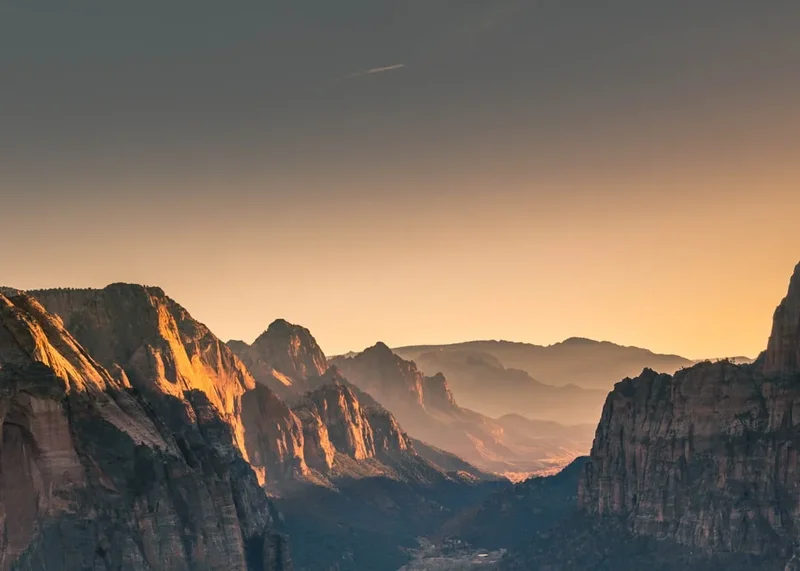
Angels Landing Route Progression
Phase 1: The Grotto to Refrigerator Canyon
- Distance: 1.5 km
- Elevation gain: 120 m
- Time: 30–45 minutes
- Start at The Grotto trailhead (Shuttle Stop 6) and cross the bridge over the Virgin River
- Follow the wide, paved West Rim Trail as it begins a steady, sun-exposed climb
- The path is well-maintained but steep, offering immediate views of the river below
- Enter Refrigerator Canyon, a deep, narrow side canyon that remains shaded and significantly cooler than the main valley
- This section provides a welcome respite from the sun and is home to rare Mexican Spotted Owls
Phase 2: Walter’s Wiggles to Scout Lookout
- Distance: 1.2 km
- Elevation gain: 180 m
- Time: 45–60 minutes
- Exit Refrigerator Canyon and begin the ascent of Walter’s Wiggles
- Navigate 21 short, steep switchbacks that gain elevation rapidly through an engineering marvel of stone masonry
- Arrive at Scout Lookout, a broad sandstone plateau that serves as the final staging area
- This is the end of the trail for those without a permit or those who choose not to attempt the ridge
- Take a moment here to hydrate and assess your comfort level with the heights ahead
Phase 3: The Hogsback and the Chain Section
- Distance: 0.8 km (one way)
- Elevation gain: 157 m
- Time: 45–75 minutes (depending on pace and traffic)
- Present your permit to the ranger stationed at the base of the ridge
- Begin the scramble along the "Hogsback," a narrow spine of rock with sheer drops on both sides
- Utilise the heavy-duty steel chains anchored into the sandstone for balance and security
- The trail involves several "false summits" and sections where the path is only a few metres wide
- Maintain three points of contact and communicate with other walkers to allow safe passing
Phase 4: The Summit and Return
- Distance: 0.8 km return to Scout Lookout, then 2.7 km to trailhead
- Elevation: 457 m descent
- Time: 1.5–2 hours
- Reach the final summit of Angels Landing (1,765 m) for unparalleled views of the Great White Throne and Zion Canyon
- Spend time absorbing the landscape, but remain vigilant of the edges and the local squirrels (which are aggressive food-seekers)
- Descend via the same route, exercising extreme caution on the chains as descending is often more technically challenging than ascending
- Return to The Grotto to catch the shuttle back to the Visitor Centre or Springdale
Important Notes:
- The permit is only required for the section past Scout Lookout (the chains)
- Allow extra time for the shuttle bus, especially during peak morning hours
- There is no water available on the trail; fill all bottles at The Grotto trailhead
- Toilets are located at The Grotto and Scout Lookout (though the latter are basic)
- If lightning is visible or thunder is heard, descend immediately from Scout Lookout
Planning and Bookings
Book Your Trip
Everything you need to plan your journey
Accommodation
Find places to stay near Springdale, Utah
Flights
Search flights to Springdale, Utah
Essential Preparation
Preparation for Angels Landing begins months before you set foot in Utah. The most critical step is securing a permit through the National Park Service lottery. Beyond the permit, physical preparation is key. While the distance is relatively short, the elevation gain is concentrated and the terrain is demanding. Walkers should have a reasonable level of cardiovascular fitness and be comfortable with significant heights and exposure.
Logistically, you must coordinate your hike with the Zion Canyon Shuttle system. During the majority of the year (March through November), private vehicles are not permitted on the Zion Canyon Scenic Drive. You will need to park at the Visitor Centre or in the town of Springdale and take the free shuttle to Stop 6 (The Grotto). Springdale serves as the primary base for the park, offering a wide range of hotels, gear shops, and restaurants. It is highly recommended to stay in or near Springdale the night before your hike to ensure you can catch one of the first shuttles of the morning.
Trail Accommodation
Angels Landing is a day hike, and no overnight accommodation or camping is permitted on the trail itself. However, there are several options within Zion National Park and the surrounding area for those planning their visit.
In-Park Options:
- Zion Lodge: The only hotel located inside the canyon. It offers cabins and hotel rooms but must be booked many months in advance. It is located near Shuttle Stop 5, a short walk from the trailhead.
- South and Watchman Campgrounds: Located near the South Entrance. These are extremely popular and require reservations via Recreation.gov. Watchman Campground has some sites with electric hookups, while South Campground is more basic.
- Backcountry Camping: If you are combining Angels Landing with the West Rim Trail, you may stay at designated backcountry campsites (permit required), but these are located several kilometres past Scout Lookout.
What is NOT provided:
- There are no facilities for sleeping, cooking, or sheltering on the Angels Landing route.
- Water is only available at the trailhead (The Grotto).
- You must carry all supplies for the duration of the 4–5 hour walk.
Required Gear
- Footwear: High-quality hiking boots or trail shoes with excellent grip (Vibram soles or similar). The sandstone can be slippery, and ankle support is beneficial for the uneven terrain on the ridge.
- Sun Protection: A wide-brimmed hat, high-SPF sunscreen, and UV-rated sunglasses. Much of the trail is south-facing and receives intense desert sun.
- Clothing: Moisture-wicking layers. Avoid cotton, which retains sweat and can lead to chilling in the wind. A lightweight windbreaker is useful for the summit.
- Pack: A small daypack (15–25L) to keep your hands free for the chain section. Do not carry anything in your hands while on the ridge.
- Navigation: While the trail is well-marked, a downloaded offline map (such as AllTrails or Gaia GPS) is useful for tracking progress and elevation.
What to Bring
- Water: At least 3 litres per person. In summer, 4 litres is recommended. Electrolyte powders or tablets are highly beneficial to prevent hyponatremia in the heat.
- Food: High-energy snacks such as nuts, dried fruit, energy bars, and a light lunch. Salty snacks are important to replace salts lost through perspiration.
- Permit Documentation: A digital or printed copy of your Angels Landing permit and a matching photo ID. Rangers check these at Scout Lookout.
- First Aid: A basic kit containing adhesive bandages, antiseptic wipes, and moleskin for blisters.
- Personal Items: Tissues, hand sanitiser, and a small bag for packing out all waste (including fruit peels and nut shells).
- Headlamp: If you are planning a sunrise hike, a reliable headlamp with spare batteries is essential for the initial climb to Scout Lookout.
Permits
Since April 2022, a permit has been mandatory to hike the section of the trail from Scout Lookout to the Angels Landing summit (the chain section). This system was introduced to protect the park's resources and improve safety by managing the number of people on the narrow ridge. Permits are issued via a fair, randomised lottery system on Recreation.gov.
The Seasonal Lottery:
- This lottery occurs quarterly, months in advance of the hiking dates. For example, to hike in the summer (June–August), you must apply in April.
- You can choose up to seven ranked days or a window of dates when applying.
- There is a non-refundable application fee (approximately US$6), and if successful, a per-person fee (approximately US$3).
The Day-Before Lottery:
- If you miss the seasonal lottery, a limited number of permits are available via a "Day-Before" lottery.
- Applications open at 12:01 AM and close at 3:00 PM Mountain Time the day before your intended hike.
- Results are emailed at 4:00 PM the same day. This is an excellent option for spontaneous travellers, though it is highly competitive.
Permit Logistics:
- Permits are issued for specific time windows (e.g., "Before 9:00 AM," "9:00 AM to 12:00 PM," or "After 12:00 PM"). This refers to the time you must begin your hike from the Grotto or arrive at Scout Lookout.
- The permit holder must be present and have a valid photo ID. Permits are non-transferable.
- Rangers are stationed at Scout Lookout to verify permits. Attempting to bypass this checkpoint can result in significant fines and removal from the park.
Other Activities in the Area
Zion National Park and the surrounding Greater Zion region offer a wealth of world-class outdoor experiences. Consider these activities to round out your trip:
- The Narrows: Zion’s other "bucket list" hike. This involves walking upstream in the Virgin River through a canyon so narrow that the walls rise a thousand metres above you. It is the perfect cooling counterpoint to the heights of Angels Landing.
- Canyon Overlook Trail: A shorter, 1.6-kilometre walk located on the east side of the Zion-Mount Carmel Tunnel. It offers a spectacular view of the lower canyon with significantly less effort than Angels Landing.
- Emerald Pools: A series of trails leading to lush, hanging gardens and waterfalls. This is a gentler, more shaded option suitable for families.
- Canyoneering: Zion is one of the premier canyoneering destinations in the world. Hire a local guide in Springdale to experience rappelling into hidden slot canyons like The Subway or Orderville Canyon.
- Stargazing: Zion is a certified International Dark Sky Park. Join a ranger-led astronomy programme or simply find a quiet spot away from the lodge to view the Milky Way in incredible detail.
- Biking the Pa’rus Trail: A paved, multi-use path that follows the Virgin River from the Visitor Centre to Canyon Junction. It is a beautiful way to see the valley floor without relying on the shuttle.
Safety and Conditions
The Chain Section: The final 800 metres of the trail are inherently dangerous. The path is narrow, the drop-offs are vertical, and the sandstone can be slippery even when dry. Always maintain three points of contact (two hands and one foot, or two feet and one hand) when moving on the ridge. Do not attempt to overtake other walkers in narrow sections; wait for a wider "passing zone" and communicate clearly. If you feel overwhelmed by vertigo or fear, it is perfectly acceptable—and often safer—to turn back. Scout Lookout still offers a magnificent view.
Heat and Hydration: Heat is the most common cause of rescue in Zion. The combination of high temperatures, low humidity, and physical exertion can lead to rapid dehydration. Drink before you are thirsty and ensure you are consuming salt to replace electrolytes. If you stop sweating, feel dizzy, or develop a headache, find shade immediately and rest.
Weather Hazards: Lightning is a critical threat. Angels Landing is a prominent lightning rod. If you see dark clouds gathering or hear thunder, do not proceed past Scout Lookout. If you are already on the ridge, descend as quickly and safely as possible. Additionally, be aware of flash flood risks if you are planning to visit the Narrows or other slot canyons on the same trip; always check the daily flash flood rating at the Visitor Centre.
Wildlife: Do not feed the wildlife. The squirrels and chipmunks at Scout Lookout and the summit are habituated to humans and can be aggressive. They carry diseases and their bites can require medical attention. Furthermore, be mindful of rattlesnakes, which are common in the desert; keep your hands and feet where you can see them when scrambling.
Emergency Services: Cell phone service is extremely unreliable in the canyon. In the event of an emergency, send someone for help or use a Personal Locator Beacon (PLB) if you carry one. Note that rescues on Angels Landing are technically complex and can take many hours.
Side Trips and Points of Interest
Scout Lookout: Even if you do not have a permit for the summit, Scout Lookout is a destination in its own right. This broad plateau offers a stunning view of the "Organ" (a massive sandstone monolith) and the winding Virgin River below. It is a great place to watch the progress of hikers on the ridge and enjoy the scale of the canyon walls.
The West Rim Trail Extension: For those with extra energy, continue past Scout Lookout on the West Rim Trail for another 2–3 kilometres. The trail climbs higher onto the plateau, offering a "bird's eye" view looking *down* on Angels Landing. This section is much quieter and provides a sense of the vast wilderness that lies beyond the main canyon.
Refrigerator Canyon: Take a moment to appreciate the micro-climate of this side canyon. The temperature can be up to 10°C cooler than the main trail. Look for the "hanging gardens"—ferns and mosses growing directly out of the weeping sandstone walls where water seeps through the porous rock.
The Grotto: Before or after your hike, spend some time at the Grotto picnic area. It was the site of the original Zion Museum and offers a peaceful spot under the cottonwoods to reflect on your journey. The nearby Zion Lodge also has a large lawn and a café for post-hike refreshments.
Leave No Trace
Zion National Park receives over four million visitors annually, placing immense pressure on its fragile desert ecosystem. As a walker, you have a responsibility to minimise your impact and preserve this landscape for future generations. The desert is slow to heal; a single footprint off-trail can destroy biological soil crusts that take decades to grow.
Principles for Angels Landing:
- Stay on the Trail: The switchbacks and the ridge are prone to erosion. Never cut corners on Walter’s Wiggles, as this destroys vegetation and causes soil instability.
- Pack It In, Pack It Out: This includes all organic waste. Orange peels, apple cores, and nut shells do not decompose quickly in the arid environment and are unsightly and harmful to wildlife.
- Respect the Silence: Avoid using speakers or shouting. The natural sounds of the wind and birds are part of the wilderness experience.
- Don't Stack Rocks: Building "cairns" or rock towers is discouraged. It disturbs the soil, can mislead other hikers, and detracts from the wild character of the park.
- Proper Waste Disposal: Use the toilets at the Grotto or Scout Lookout. If you are caught short, you must pack out all solid human waste and toilet paper using a "WAG bag" or similar system.
 USA
USA