
The Andean Amazon Trail: A Journey Through Peru's Diverse Landscapes
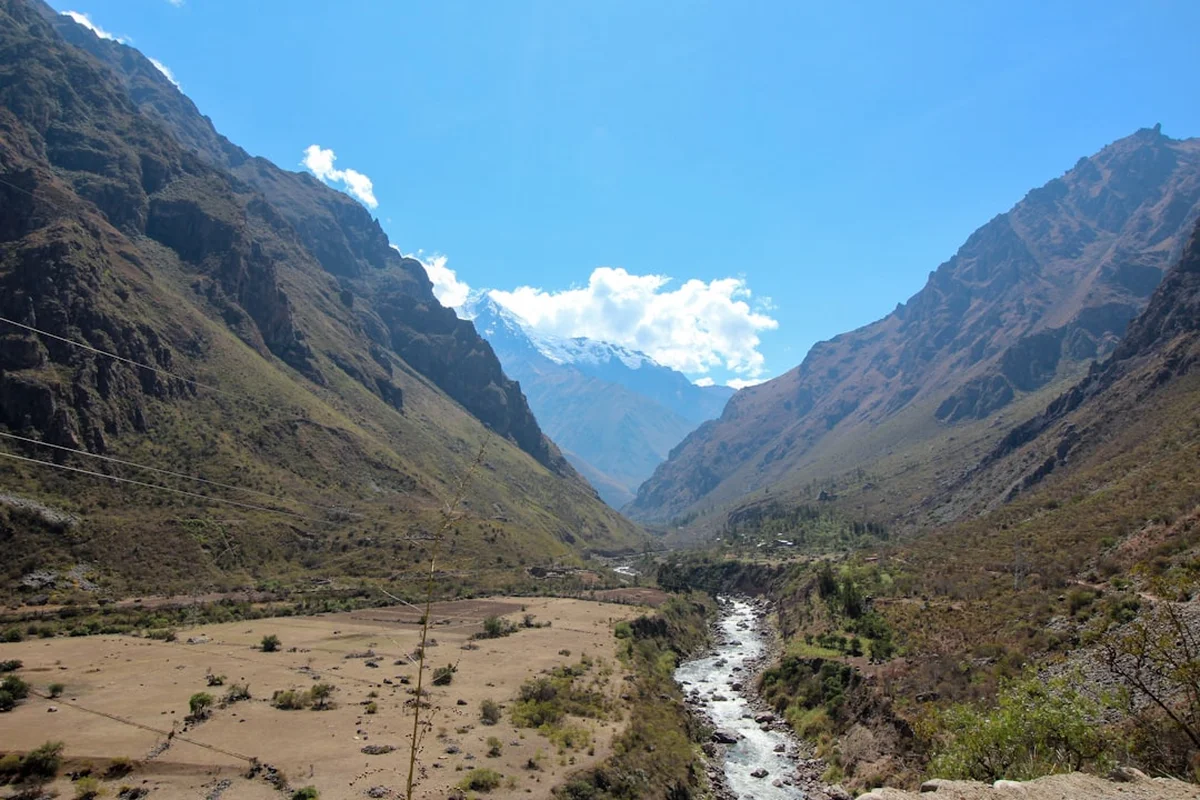
The Andean Amazon Trail is a challenging multi-day trek that traverses the dramatic transition zone between the high Andes and the lush Amazon rainforest in Peru. This route offers an unparalleled opportunity to experience the stark beauty of the Andean highlands, including iconic glacial peaks and high-altitude lakes, before descending into the vibrant biodiversity of the cloud forest and eventually the upper Amazon basin. It's a journey that tests physical endurance while rewarding walkers with breathtaking scenery, unique ecosystems, and a profound sense of discovery.
- Distance: 115.0 km
- Duration: 7-9 days
- Season: May to September (dry season)
- Difficulty: Challenging
- Highest point: Approximately 4,800 metres
- Closest City: Cusco
- Trailhead Access: Fly to Alejandro Velasco Astete International Airport (CUZ) in Cusco. Take a bus or taxi to Tinki (approx. 3-4 hours). Road conditions are generally good but can be bumpy. Limited parking available. No permits needed at Tinki, but Rainbow Mountain requires an entry fee.
- Coordinates: Trailhead (Tinki) -13.7104, -71.2712; End Point (near Puerto Maldonado) -12.5870, -69.1900
Overview
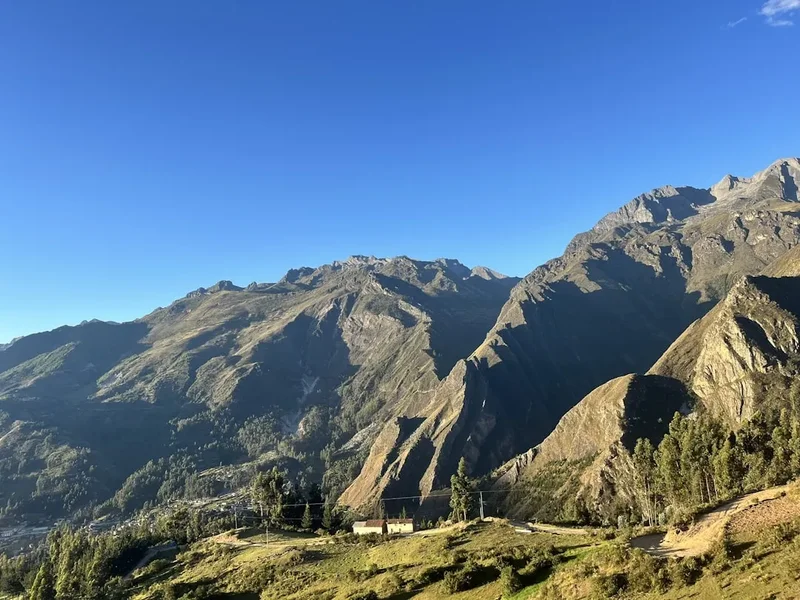
The Andean Amazon Trail is a true expedition, a demanding yet incredibly rewarding trek that showcases Peru's astonishing geographical and ecological diversity. Beginning near the bustling city of Cusco, the trail immediately plunges you into the stark, high-altitude landscapes of the Andes. You'll traverse passes that scrape the sky, skirt turquoise glacial lakes reflecting snow-capped peaks, and witness the raw power of nature in this rugged alpine environment. This section of the trek is characterised by thin air, challenging ascents, and vast, open vistas that stretch to the horizon.
As the trek progresses, the landscape undergoes a dramatic transformation. The arid, rocky slopes of the Andes gradually give way to the vibrant greens of the cloud forest. Here, the air becomes more humid, the vegetation denser, and the sounds of the jungle begin to emerge. This transitional zone is a biodiversity hotspot, teeming with unique flora and fauna adapted to the misty, mountainous environment. You'll walk through ancient forests draped in moss and epiphytes, with the constant possibility of spotting exotic birds, monkeys, and other wildlife.
The final stages of the trek lead you deeper into the upper Amazon basin. The terrain becomes more tropical, with wider rivers, a greater abundance of plant life, and the distinct sounds and smells of the rainforest. This part of the journey offers a glimpse into the immense scale and complexity of the Amazon ecosystem, a stark contrast to the alpine beginnings of the trek. The Andean Amazon Trail is not just a physical challenge; it's an immersive journey through distinct biomes, offering a comprehensive understanding of Peru's natural heritage.
History and Cultural Context
The regions traversed by the Andean Amazon Trail have a rich and complex history, deeply intertwined with the Inca Empire and subsequent colonial periods. The high Andean sections of the route lie within territories historically inhabited by Quechua-speaking communities, descendants of the Inca and pre-Inca peoples. These communities have maintained traditional agricultural practices, weaving techniques, and a deep spiritual connection to the mountains for centuries. Ancient Inca roads, though often less well-preserved than those leading to Machu Picchu, may still be found in remote sections, hinting at the extensive network that once connected the empire.
The descent into the Amazon basin opens up a different historical narrative. This region was historically home to various indigenous Amazonian tribes, including the Machiguenga, Asháninka, and Shipibo-Conibo peoples. These groups developed sophisticated knowledge of the rainforest, its resources, and its medicinal plants. Early European explorers and missionaries ventured into these areas in search of resources and to spread Christianity, often leading to conflict and cultural disruption. The establishment of rubber and timber industries in the late 19th and early 20th centuries further impacted indigenous populations and the environment.
More recently, the area has seen increased interest from ecotourism and conservation efforts. The establishment of protected areas, such as national parks and reserves, aims to preserve the unique biodiversity and cultural heritage of both the Andean and Amazonian regions. The Andean Amazon Trail itself represents a modern exploration of these ancient pathways, connecting disparate landscapes and offering a contemporary perspective on Peru's enduring natural and cultural legacy.
Seasonal Highlights and Weather Reality
The Andean Amazon Trail is best undertaken during Peru's dry season, which generally runs from May to September. This period offers the most favourable conditions for trekking, particularly in the high Andes.
Dry Season (May to September): This is the prime trekking window. In the Andes, expect clear, sunny days with cool to cold temperatures, especially at higher elevations. Nights can be freezing, with frost common. Rainfall is minimal, making the trails more stable and reducing the risk of landslides. Visibility for mountain views is typically excellent. As you descend into the cloud forest and upper Amazon, temperatures will rise, and humidity will increase, but rainfall will still be less frequent than in the wet season.
Wet Season (October to April): This period is characterised by frequent and heavy rainfall, especially in the Amazonian sections. The Andes can experience snow at higher altitudes, and trails can become muddy, slippery, and prone to washouts. River crossings can become dangerous or impassable. While some hardy trekkers may attempt the route during this time, it is generally not recommended due to increased risks and reduced visibility. The cloud forest and Amazon sections will be very humid and hot, with constant rain showers.
Specific Considerations:
- May-June: The start of the dry season. Days are sunny and crisp in the Andes, with fewer crowds. Nights are cold.
- July-August: Peak dry season. The coldest months in the Andes, with excellent visibility for mountain panoramas. This is also the busiest time for tourism in Peru.
- September: The end of the dry season. Days are still pleasant, but there's a slight increase in the chance of rain as the wet season approaches.
Regardless of the season, weather in the Andes can change rapidly. Always be prepared for unexpected shifts, including sudden drops in temperature, wind, and precipitation, even during the dry season.
Recommended Itinerary
7-Day Andean Amazon Trail Itinerary (Challenging Pace)
Day 1: Arrival in Cusco & Transfer to Tinki
- Distance: Approx. 100 km road travel
- Elevation gain: Minimal road gain, acclimatisation in Cusco (3,400 m)
- Time: 3-4 hours by bus/taxi
- Arrive at Alejandro Velasco Astete International Airport (CUZ) in Cusco.
- Transfer to Tinki (approx. 3,400 m), a small Andean village.
- Check into basic accommodation or arrange camping.
- Rest and begin acclimatisation to the altitude.
- Briefing with guides if applicable.
Day 2: Tinki to Upis Campsite
- Distance: 12 km
- Elevation gain: 600 m
- Time: 5-6 hours
- Begin trekking from Tinki.
- Gradual ascent through Andean landscapes.
- Pass small farming communities and observe local life.
- Reach Upis campsite (approx. 4,000 m), known for its hot springs.
- Set up camp and enjoy the stunning mountain views.
Day 3: Upis to Arapa Pass & Hatun Pampa
- Distance: 14 km
- Elevation gain: 800 m to Arapa Pass (4,800 m), then descent
- Time: 7-8 hours
- Challenging ascent to Arapa Pass, the highest point of the trek.
- Spectacular panoramic views of surrounding snow-capped peaks, including Ausangate.
- Descend to Hatun Pampa (approx. 4,400 m) for the night's campsite.
- This day is physically demanding due to altitude and elevation gain.
Day 4: Hatun Pampa to Phinaya & Rainbow Mountain (Vinicunca)
- Distance: 10 km trek + optional Rainbow Mountain hike
- Elevation gain: Variable, Rainbow Mountain summit approx. 5,200 m
- Time: 4-5 hours trek + 3-4 hours for Rainbow Mountain
- Trek from Hatun Pampa towards Phinaya.
- Optional detour to the famous Rainbow Mountain (Vinicunca) for those with energy and acclimatisation.
- Note: Rainbow Mountain requires a separate entry fee.
- Continue to a campsite near Phinaya (approx. 4,200 m).
Day 5: Phinaya to Cloud Forest Descent
- Distance: 16 km
- Elevation loss: Significant descent from 4,200 m to approx. 3,000 m
- Time: 6-7 hours
- Begin the dramatic descent from the high Andes.
- Transition from arid alpine terrain to the lush cloud forest.
- Observe changes in vegetation and wildlife.
- Camp in a sheltered spot within the cloud forest.
Day 6: Cloud Forest to Upper Amazon Basin
- Distance: 18 km
- Elevation loss: Further descent to approx. 1,500 m
- Time: 6-7 hours
- Continue descending through increasingly dense rainforest.
- The environment becomes more tropical, with higher humidity and temperatures.
- Listen to the sounds of the jungle and look for exotic birds and insects.
- Reach a point closer to the upper Amazon basin, potentially near a small settlement or river access.
- Camp near a river or in a designated area.
Day 7: Final Trek to Road Access & Transfer
- Distance: 15 km
- Elevation loss: Further descent to approx. 1,000 m
- Time: 5-6 hours
- Final day of trekking through the Amazonian foothills.
- The trail may become less defined as you approach civilisation.
- Reach a road or river access point where transport can be arranged.
- Transfer to a nearby town or lodge for a well-deserved rest and celebration.
- Further transfer to Puerto Maldonado or return towards Cusco depending on onward travel plans.
Note: This is a challenging itinerary. An 8- or 9-day option would allow for more acclimatisation, slower pacing, and more time for wildlife observation in the Amazonian sections.
Planning and Bookings
Book Your Trip
Everything you need to plan your journey
Accommodation
Find places to stay near Cusco
Flights
Search flights to Cusco
Essential Preparation
The Andean Amazon Trail is a serious undertaking requiring meticulous planning. Given its remote nature and varied terrain, it's highly recommended to undertake this trek with an experienced local guide or tour operator. This ensures safety, logistical support, and a deeper understanding of the local culture and environment.
Fitness: This trek demands excellent cardiovascular fitness and muscular endurance. You will be hiking at high altitudes (up to 4,800 metres) for extended periods, with significant elevation gains and losses. Prior experience with multi-day trekking, especially at altitude, is crucial. Regular training that includes hiking with a weighted pack, cardiovascular exercises, and strength training for legs and core is essential.
Acclimatisation: Spending at least 2-3 days in Cusco (3,400 m) or a similar high-altitude location before starting the trek is vital. This allows your body to adjust to the lower oxygen levels, significantly reducing the risk of altitude sickness. Hydration and avoiding alcohol during this period are key.
Logistics: The primary gateway city is Cusco. From Cusco, you will need to arrange transport to Tinki, the typical starting point. This is usually done via private taxi or shared bus, taking approximately 3-4 hours. Road conditions can be variable. For the end of the trek, arrangements need to be made for transport from the final road access point to a town like Puerto Maldonado or back to Cusco.
Base Town/City Information: Cusco is a major tourist hub with a wide range of accommodation options, from budget hostels to luxury hotels. It offers excellent facilities for purchasing last-minute gear, restocking supplies, and enjoying local cuisine. Tinki is a small, basic village with limited facilities, primarily serving as a trailhead. Puerto Maldonado is the gateway to the southern Peruvian Amazon, offering lodges and transport connections.
Trail Accommodation
This is a multi-day trek that primarily involves camping. There are no established lodges or huts along the route in the same way as more developed trails. Accommodation is typically:
- Campsites: Designated or informal camping spots are used each night. These are usually in relatively flat areas, often near water sources. Facilities are non-existent; you will be fully self-sufficient.
- Basic Villages: In villages like Tinki or Phinaya, there might be very basic guesthouses or homestay options, but these are not guaranteed and should not be relied upon. Camping is the standard.
Booking Requirements: As this is not a formal, managed trail with booking systems, accommodation is secured by your presence and your guide's arrangements. If travelling independently, you will need to identify suitable camping spots each day. If with a tour operator, they will handle all camping logistics.
Facilities Provided: None. You are responsible for all your camping equipment, including tents, sleeping bags, and cooking gear.
What's NOT Provided: All amenities. This includes shelter, cooking facilities, toilets, and water sources that are guaranteed safe without treatment.
Seasonal Availability: Camping is available year-round, but conditions vary drastically between the dry and wet seasons. The dry season (May-September) is highly recommended for camping due to more stable weather.
Costs: If camping independently, costs are minimal, primarily related to food and transport. If using a tour operator, camping costs are included in the overall package price.
Required Gear
- Sturdy Hiking Boots: Waterproof, broken-in, with good ankle support. Essential for varied terrain from rocky Andes to muddy rainforest.
- Waterproof Jacket and Trousers: High-quality, breathable, and fully seam-sealed. Crucial for unpredictable Andean weather and humid rainforest conditions.
- Warm Layers: Thermal base layers (merino wool or synthetic), fleece mid-layers, and a warm insulated jacket (down or synthetic). Temperatures can drop significantly at altitude.
- Sleeping Bag: Rated for sub-zero temperatures (comfort rating of -10°C to -15°C recommended for Andean nights).
- Backpack: 60-75 litre capacity, with a comfortable harness and hip belt. A waterproof pack cover is essential.
- Head Torch: With spare batteries. Essential for navigating camp and trails in the dark.
- First-Aid Kit: Comprehensive kit including blister treatment, pain relievers, antiseptic wipes, bandages, and any personal medications. Altitude sickness medication (e.g., Diamox) should be discussed with your doctor.
- Sun Protection: High SPF sunscreen, wide-brimmed hat, and sunglasses. The sun is intense at high altitudes.
- Insect Repellent: High DEET concentration (30-50%) for the Amazonian sections.
- Trekking Poles: Highly recommended for stability on descents and ascents, especially at altitude.
- Water Bottles/Hydration Reservoir: Minimum 2-3 litre capacity.
- Water Purification Method: Filter, purification tablets, or UV steriliser.
What to Bring
- Food: High-energy, non-perishable food for the entire trek. This includes breakfast, lunch, dinner, and snacks. If not on a guided tour that provides food, you will need to plan and carry all your meals.
- Cooking Gear: Lightweight camping stove, fuel, pot, utensils, mug, and a lighter or waterproof matches.
- Toiletries: Biodegradable soap, toothbrush, toothpaste, quick-dry towel, toilet paper, hand sanitiser.
- Personal Items: Camera, power bank for electronics, book or journal, small amount of local currency (Peruvian Soles) for small purchases or emergencies.
- Duffel Bag: For excess gear to be transported by mule or vehicle where possible (check with your tour operator).
- Dry Bags: To keep essential items like electronics and clothing dry inside your backpack.
- Camp Shoes: Lightweight, comfortable shoes for wearing around camp.
- Duct Tape and Repair Kit: For minor gear repairs.
Permits
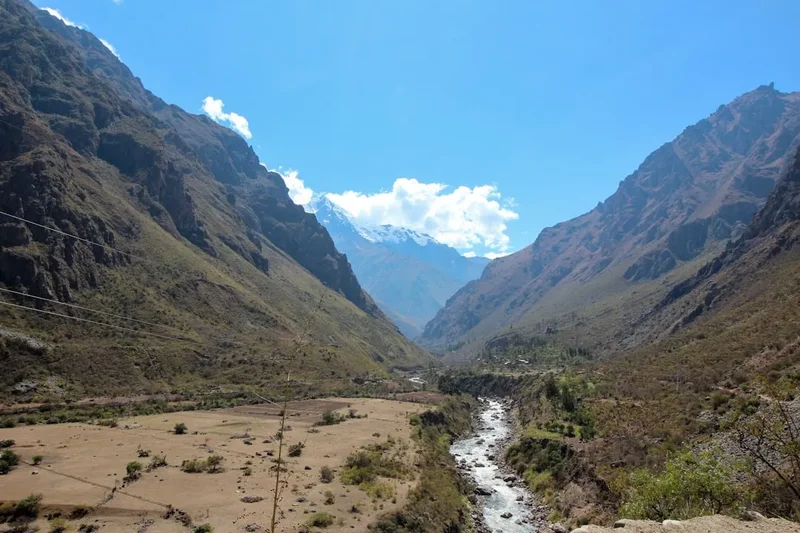
The Andean Amazon Trail, as a general route rather than a formally managed national park trail, does not typically require specific trekking permits for the entire duration. However, there are key exceptions and considerations:
Rainbow Mountain (Vinicunca): If you plan to visit Rainbow Mountain as part of this trek (often on Day 4), you will need to purchase an entrance ticket. These tickets are usually bought on-site at the entrance to the Vinicunca area. Prices can vary, but expect to pay around 10-15 Peruvian Soles for foreign visitors.
National Parks and Protected Areas: Depending on the exact route taken, sections of the trek might pass through or near protected areas. While formal permits are not always enforced for independent trekkers on less-travelled routes, it is always advisable to check with local authorities or your tour operator. If your route enters areas like the Ausangate National Reserve or areas managed by indigenous communities, specific permissions or fees might apply.
Community Fees: Some indigenous communities along the route may charge small fees for passage through their lands or for camping on their territory. These are usually nominal and are best paid directly to community representatives. Your guide will be aware of these and handle the arrangements.
Tour Operator Arrangements: If you are trekking with a reputable tour operator, all necessary permits and fees for the planned itinerary will typically be included in your package and handled by the operator. It is essential to confirm this when booking.
General Advice: Always carry identification and be prepared to show it if requested by park rangers or local authorities. It is wise to have some small denominations of Peruvian Soles on hand for any unexpected fees or local charges.
Other Activities in the Area
The regions surrounding the Andean Amazon Trail offer a wealth of experiences beyond the trek itself:
- Cusco Exploration: Spend time exploring the historic capital of the Inca Empire. Visit the Plaza de Armas, the Cathedral, Qorikancha (Temple of the Sun), and the Inca ruins of Sacsayhuamán, Q'enqo, Puka Pukara, and Tambomachay.
- Sacred Valley Tour: Explore the fertile Sacred Valley of the Incas, visiting sites like Pisac (with its famous market and ruins), Ollantaytambo (an impressive Inca fortress and town), and Maras (salt mines) and Moray (agricultural terraces).
- Machu Picchu: No trip to Cusco is complete without a visit to the iconic Inca citadel of Machu Picchu. This can be arranged as an extension before or after your trek.
- Ausangate Trek: For those seeking more high-altitude trekking, the full Ausangate circuit is a world-renowned multi-day trek that circles the sacred Ausangate mountain, offering stunning glacial scenery and cultural immersion.
- Amazon Jungle Lodges: Extend your journey into the Amazon by staying at a jungle lodge near Puerto Maldonado. These lodges offer guided excursions for wildlife viewing, canopy walks, river trips, and learning about rainforest ecology.
- Canopy Tours and Ziplining: Experience the rainforest from a different perspective with thrilling canopy tours or ziplining adventures near Puerto Maldonado.
- Local Markets: Immerse yourself in local culture by visiting vibrant markets in Cusco, Pisac, or other towns to sample local produce, crafts, and textiles.
Safety and Conditions
Altitude Sickness (Soroche): This is the most significant risk on the Andean portion of the trek. Symptoms include headache, nausea, dizziness, and fatigue. Prevention is key: acclimatise properly in Cusco for 2-3 days, ascend gradually, stay well-hydrated, and avoid alcohol and strenuous activity on the first day at altitude. Consider consulting your doctor about altitude medication (e.g., Diamox). If symptoms worsen, descend immediately.
Weather: Andean weather is notoriously unpredictable. Be prepared for rapid changes, including strong winds, freezing temperatures, rain, and even snow, especially at higher elevations. The Amazonian sections will be hot and humid with frequent rainfall.
Trail Conditions: Trails can range from well-trodden paths to rough, rocky terrain. In the Andes, expect scree slopes and uneven ground. In the cloud forest and Amazon, trails can be muddy, slippery, and overgrown, especially during the wet season. River crossings can be hazardous, particularly after heavy rain.
Wildlife: While the Andes are relatively free of dangerous wildlife, the Amazonian sections may harbour venomous snakes, insects, and other creatures. Always follow your guide's instructions, wear appropriate footwear, and be aware of your surroundings. Do not touch or approach wildlife.
Navigation: While the main route is generally followed, remote sections can be challenging to navigate. It is highly recommended to trek with a local guide or a reliable GPS device with pre-loaded maps. If trekking independently, ensure you have excellent navigation skills and a detailed map.
Water: Always treat water from streams and rivers before drinking, especially in the Amazonian regions where contamination is more likely. Use a reliable water filter, purification tablets, or boil water.
Communication: Mobile phone signal is virtually non-existent for most of the trek. Consider carrying a satellite communication device (e.g., Personal Locator Beacon - PLB) for emergencies, especially if trekking independently.
Guides and Operators: For safety and logistical reasons, especially for the full Andean Amazon Trail, it is strongly advised to use a reputable local tour operator. They will provide experienced guides, porters (if applicable), necessary permits, and emergency support.
Side Trips and Points of Interest
Rainbow Mountain (Vinicunca): A world-famous geological wonder, this mountain displays striking bands of colour due to mineral deposits. While a significant detour and an additional climb to over 5,200 metres, it is a popular and visually spectacular addition to the trek, often visited on Day 4. The effort is rewarded with an otherworldly landscape.
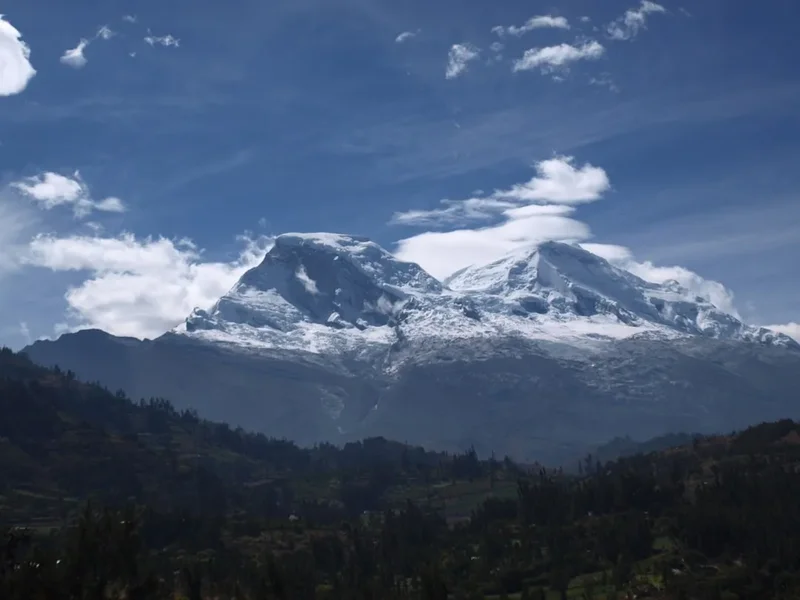
Ausangate Glacier Views: Throughout the high Andean sections, particularly around Arapa Pass and Hatun Pampa, you will have breathtaking views of the Ausangate massif, one of the most sacred mountains in Inca mythology. Its snow-capped peaks and glacial features are a constant, awe-inspiring backdrop.
Lagunas (High-Altitude Lakes): The trek passes numerous glacial lakes, often referred to as 'lagunas'. These pristine bodies of water, with their vibrant turquoise or deep blue hues, are nestled amongst the mountains and offer stunning photographic opportunities, especially when reflecting the surrounding peaks.
Hot Springs of Upis: Located near the Upis campsite, these natural hot springs offer a welcome opportunity to relax and soothe tired muscles after a day of trekking. They are a unique feature of this high-altitude region.
Cloud Forest Flora and Fauna: As you descend into the cloud forest, keep an eye out for unique plant life such as orchids, bromeliads, and giant ferns. The transition zone is also rich in birdlife, including various species of hummingbirds, quetzals (if lucky), and toucans. The sounds of the forest come alive here.
Upper Amazon River Systems: The lower sections of the trek bring you closer to the tributaries of the Amazon River. The change in vegetation, the increased humidity, and the sounds of the rainforest create a distinct and immersive experience, a stark contrast to the alpine start.
Leave No Trace
The Andean Amazon Trail traverses pristine and often fragile ecosystems, from the high alpine tundra to the delicate cloud forest and the vast Amazon basin. Adhering to Leave No Trace principles is paramount to preserving these environments for future generations and respecting the local cultures.
Plan Ahead and Prepare: Research the route, understand the conditions, and be prepared for all types of weather. If using a tour operator, ensure they have a strong commitment to LNT principles.
Travel and Camp on Durable Surfaces: Stick to established trails where they exist. In camping areas, use existing campsites or choose durable surfaces like rock, gravel, or dry grass. Avoid setting up camp on fragile vegetation.
Dispose of Waste Properly: Pack it in, pack it out. This includes all food scraps, wrappers, toilet paper, and any other refuse. Use designated toilets where available, or dig catholes at least 60 metres away from water sources, trails, and campsites. Pack out all toilet paper.
Leave What You Find: Do not remove plants, rocks, or cultural artefacts. Respect archaeological sites and avoid disturbing wildlife.
Minimise Campfire Impacts: Campfires are generally not recommended or permitted on this trek due to the risk of environmental damage and fire hazards, especially in the Amazonian regions. Use a lightweight stove for cooking.
Respect Wildlife: Observe animals from a distance. Never feed wildlife, as it can alter their natural behaviour and diet, and can be harmful to them. Store food securely to prevent attracting animals.
Be Considerate of Other Visitors: Keep noise levels down, especially in camping areas and on trails. Yield to other hikers and pack animals. Respect local customs and traditions.
By following these principles, you help ensure that the Andean Amazon Trail remains a wild and beautiful place for all to experience.