
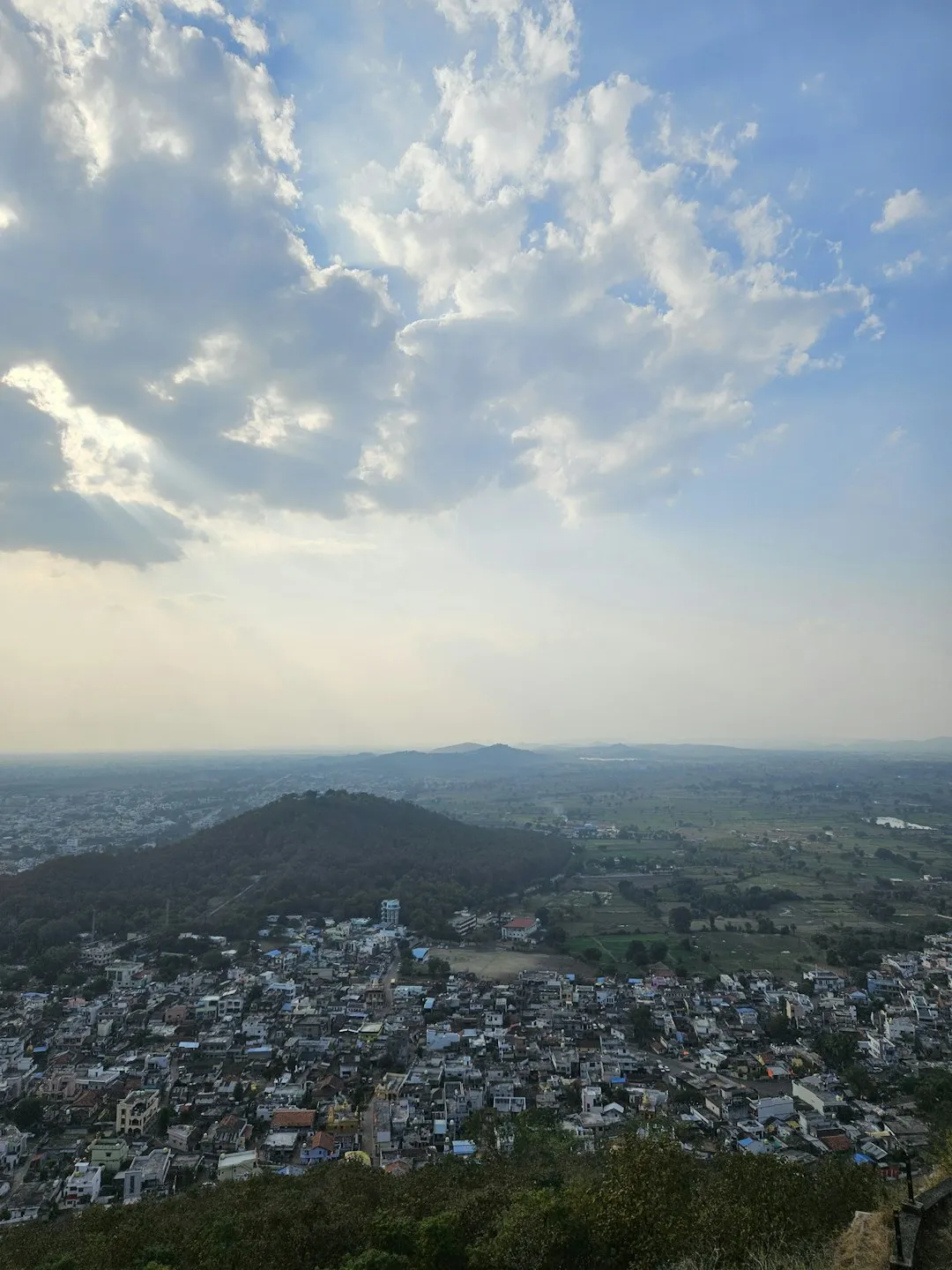
Amarnath Yatra - The Sacred Himalayan Pilgrimage
The Amarnath Yatra is one of the most revered and physically demanding spiritual journeys in the world—a high-altitude pilgrimage to the holy Amarnath Cave situated at an elevation of 3,888 metres in the South Kashmir Himalayas. This 45-kilometre trek (via the traditional Pahalgam route) or 14-kilometre ascent (via the steeper Baltal route) leads devotees through some of the most rugged and breathtaking terrain in India. The destination is a natural limestone cave where a stalagmite of ice, believed to be the physical manifestation of Lord Shiva, forms annually during the summer months. This "Ice Lingam" waxes and wanes with the phases of the moon, reaching its peak on the night of the Shravan Purnima. For centuries, this journey has represented the ultimate test of faith, endurance, and devotion, drawing hundreds of thousands of pilgrims into the heart of the "Abode of the Gods."
- Distance: 45 km (Pahalgam route) or 14 km (Baltal route) one-way
- Duration: 3–5 days (Pahalgam) or 1–2 days (Baltal)
- Season: Late June to August (dates vary annually based on the Hindu calendar)
- Accommodation: Tented colonies and community halls (Yatri Niwas)
- Highest point: Mahagunas Pass (4,276 m)
- Difficulty: Challenging (due to altitude, steep gradients, and unpredictable weather)
- Registration: Mandatory through the Shri Amarnathji Shrine Board (SASB)
Overview
The Amarnath Yatra is more than a mere trek; it is a profound cultural and spiritual phenomenon that transforms the remote mountains of Kashmir into a bustling corridor of faith for two months every year. The trail traverses a landscape of extreme contrasts, from the lush, verdant meadows of Pahalgam and the turquoise waters of Sheshnag Lake to the stark, glaciated moraines of the high Himalayan passes. The journey is defined by its two primary access points: the traditional route from Pahalgam, which is longer and more gradual, and the modern route from Baltal, which is significantly shorter but involves a punishingly steep ascent that tests the limits of even the fittest walkers.
The spiritual heart of the journey is the Holy Cave, where Lord Shiva is said to have narrated the "Amar Katha" (the secret of immortality) to his consort, Parvati. The cave itself is massive, measuring approximately 40 metres in height, and remains shrouded in snow for most of the year. During the summer window, the ice stalagmite forms from droplets of water that seep through the cave's roof, freezing as they hit the floor. The scale of the surrounding peaks, many exceeding 5,000 metres, creates an atmosphere of humbling immensity. Pilgrims, often referred to as "Yatris," travel from every corner of India and the world, creating a vibrant tapestry of languages, traditions, and shared purpose.
Logistically, the Yatra is a massive undertaking managed by the Shri Amarnathji Shrine Board (SASB) in coordination with the Indian Army and paramilitary forces. Due to the sensitive nature of the region and the extreme environmental conditions, the trail is strictly regulated. The presence of "Bhandaras"—massive community kitchens run by volunteers that provide free food and water to all pilgrims—is a unique feature of this trail, ensuring that no one goes hungry in the wilderness. Despite the modern amenities and security, the trail remains a raw encounter with nature. Sudden cloudbursts, sub-zero temperatures, and the thin air of the high altitudes ensure that the Amarnath Yatra remains one of the most challenging treks in the Indian subcontinent.
History and Cultural Context
The history of the Amarnath Cave is steeped in ancient Vedic mythology and local folklore. References to the cave can be found in the "Rajatarangini," a historical chronicle of the kings of Kashmir written by Kalhana in the 12th century, and the "Nilamata Purana," an ancient text describing the religious geography of Kashmir. According to legend, Lord Shiva chose this secluded cave to reveal the secrets of creation and immortality to Goddess Parvati. To ensure absolute privacy, he left his Nandi (the bull) at Pahalgam, the moon from his hair at Chandanwari, his snakes at Sheshnag, and his son Ganesha at Mahagunas Parvat. Finally, he left the five elements (earth, water, air, fire, and sky) at Panchtarni before entering the cave.
While the cave has been a site of pilgrimage for millennia, its "rediscovery" in the modern era is attributed to a 15th-century Muslim shepherd named Buta Malik. As the story goes, a saint gave Malik a bag of charcoal, which turned into gold when he reached home. When he returned to thank the saint, he found the holy cave instead. To this day, a portion of the offerings made at the shrine is traditionally shared with the descendants of the Malik family, symbolising the unique communal harmony and syncretic culture of Kashmir.
The trail also holds significant historical weight as a route used by ancient traders and ascetics. The path through the Lidder Valley has been a conduit for spiritual exchange for centuries. Today, the Yatra is a symbol of national integration, where people of different faiths—Kashmiri locals who provide ponies and porter services, and pilgrims from across the globe—come together in a shared ecosystem of service and devotion. The 1990s and early 2000s saw the formalisation of the pilgrimage under the SASB, which was established to manage the increasing numbers of pilgrims and to protect the fragile Himalayan environment from the impact of such a massive human influx.
Want more background? Read extended notes on history and cultural context → Learn more
Seasonal Highlights and Weather Reality
The Amarnath Yatra is strictly a summer pilgrimage, typically operating for 45 to 60 days between late June and August. Outside this window, the trail is buried under several metres of snow, and the passes are completely impassable. Even during the official season, the weather in the South Kashmir Himalayas is notoriously volatile and can change from bright sunshine to a violent blizzard within minutes.
Early Season (Late June to early July): This is when the Ice Lingam is at its largest and most impressive. The trail still features significant snow patches, particularly around the Mahagunas Pass and the approach to the cave. Temperatures can drop to -5°C at night, and the risk of sleet is high. However, the landscape is at its most dramatic, with frozen lakes and towering walls of snow lining the path.
Mid-Season (July): This is the peak period for the Yatra. The snow on the lower reaches melts, giving way to lush alpine meadows filled with wildflowers. The weather is generally more stable, though this is also the onset of the monsoon. Heavy rains can lead to slippery trails and occasional landslides, particularly on the steep Baltal route. Daytime temperatures range from 10°C to 18°C, but drop sharply after sunset.
Late Season (August): As the season nears its conclusion on Shravan Purnima (Raksha Bandhan), the Ice Lingam begins to melt and diminish in size. The weather becomes increasingly unpredictable as the monsoon peaks. Cloudbursts are a genuine hazard during this time, as seen in recent years. However, the spiritual energy is at its highest as the final groups of pilgrims rush to reach the cave before the doors are closed for the winter.
Regardless of the month, pilgrims must be prepared for "four seasons in one day." High-altitude winds can cause significant wind chill, and the intense UV radiation at 4,000 metres can lead to severe sunburn even in cold temperatures. Proper layering and high-quality waterproof gear are non-negotiable requirements for survival on this trail.
Recommended Itinerary
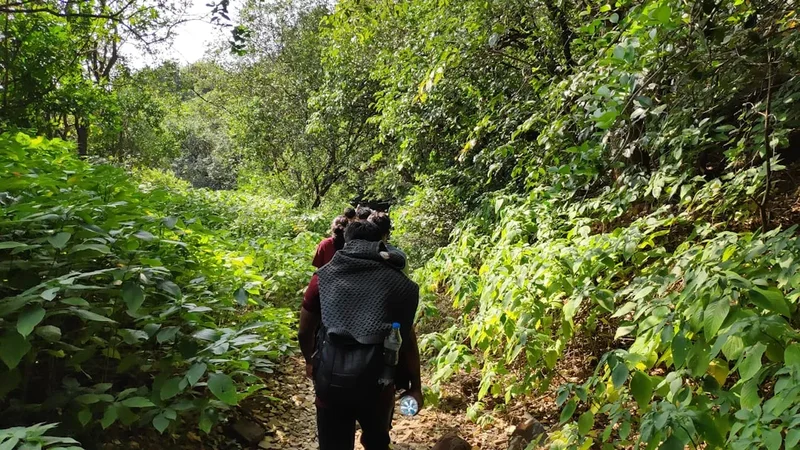
Option 1: The Traditional Pahalgam Route (4 Days)
Day 1: Pahalgam to Chandanwari and Sheshnag
- Distance: 16 km drive to Chandanwari, then 13 km trek
- Elevation gain: 700 m
- Time: 6–8 hours
- Morning drive from Pahalgam to the Chandanwari trailhead (2,895 m)
- Begin the trek with a steep ascent to Pissu Top (3,377 m), famous for its mythological history
- The trail levels out slightly after Pissu Top, offering views of the Lidder River
- Arrive at Sheshnag (3,590 m), a stunning turquoise alpine lake surrounded by seven peaks
- Overnight in tented camps near the lake
- This day is crucial for acclimatisation as you cross the 3,500 m mark
Day 2: Sheshnag to Panchtarni
- Distance: 11 km
- Elevation: 686 m gain to Mahagunas Pass, then 600 m descent
- Time: 6–7 hours
- A challenging climb to the highest point of the Yatra: Mahagunas Pass (M.G. Top) at 4,276 m
- The air becomes noticeably thinner; slow and steady pacing is essential
- Descent through meadows and glacial streams to the vast flats of Panchtarni (3,657 m)
- Panchtarni is the site of five confluence streams where Lord Shiva is said to have left the five elements
- Overnight in the massive tented city at Panchtarni
Day 3: Panchtarni to Amarnath Cave and back to Baltal
- Distance: 6 km to Cave, then 14 km descent to Baltal
- Elevation: 231 m gain to Cave, then 1,100 m descent
- Time: 8–10 hours
- Early morning start (3:00 AM or 4:00 AM) to reach the cave for Darshan (viewing)
- The final approach involves a steep climb and a walk along a narrow ledge with spectacular views
- Reach the Holy Cave (3,888 m) and join the queue for the shrine
- After Darshan, descend via the Sangam point towards the Baltal route
- The descent to Baltal is very steep and requires careful footwork, especially in wet conditions
- Arrive at Baltal base camp by late evening
Day 4: Baltal to Srinagar
- Distance: 95 km drive
- Time: 3–4 hours
- Final morning at the Baltal base camp
- Board a bus or taxi for the scenic drive back to Srinagar via Sonamarg
- End of the pilgrimage
Option 2: The Express Baltal Route (2 Days)
Day 1: Baltal to Amarnath Cave
- Distance: 14 km
- Elevation gain: 1,100 m
- Time: 7–9 hours
- A relentless uphill trek starting from Baltal (2,743 m)
- Pass through Domail and Barari Marg, where the trail is narrow and carved into the cliffside
- Steep switchbacks and high exposure to the valley below
- Arrive at the Cave for evening Darshan or stay overnight at the nearby camps
Day 2: Amarnath Cave to Baltal
- Distance: 14 km
- Elevation loss: 1,100 m
- Time: 5–6 hours
- Descend the same route back to Baltal
- This route is preferred by those with limited time or high fitness levels, but offers less time for acclimatisation
Important Notes:
- Ponies, Pithoos (porters), and Palkis (palanquins) are available for those unable to walk
- Helicopter services operate from Pahalgam and Baltal to Panchtarni, but must be booked months in advance
- The trail is one-way for many, but can be done as a loop (up Pahalgam, down Baltal)
- Security checkpoints are frequent; keep your Yatra Permit and ID accessible at all times
Planning and Bookings
Book Your Trip
Everything you need to plan your journey
Accommodation
Find places to stay near Srinagar
Flights
Search flights to Srinagar
Essential Preparation
Planning for the Amarnath Yatra must begin at least three to four months in advance. The most critical step is obtaining the Compulsory Health Certificate (CHC). Due to the extreme altitude and physical strain, the Shri Amarnathji Shrine Board (SASB) requires every pilgrim to be cleared by an authorised doctor. This involves tests for blood pressure, respiratory health, and cardiac fitness. Only certificates from designated state hospitals and doctors are accepted.
Physical conditioning is paramount. Prospective pilgrims should engage in a dedicated fitness programme for at least six weeks prior to the trek. This should include cardiovascular exercises (running or swimming), leg strengthening (squats and lunges), and most importantly, hiking with a weighted pack. Acclimatisation is the biggest challenge; if possible, spend two days in Srinagar or Pahalgam (2,100 m) before starting the trek to allow your body to adjust to the lower oxygen levels.
Trail Accommodation
Accommodation on the Amarnath Yatra is basic and communal, managed by the SASB and local contractors. There are no luxury hotels or private lodges once you leave the base camps of Pahalgam or Baltal.
Tented Colonies:
- Large waterproof tents are set up at Chandanwari, Sheshnag, Panchtarni, and Baltal
- Tents typically house 6 to 12 people on floor mats or raised wooden platforms
- Blankets and pillows are provided, but hygiene standards vary; many pilgrims bring a lightweight sleeping bag liner
- Costs are regulated by the government and are generally very affordable (approx. ₹300–₹800 per night)
- Toilets are communal, usually consisting of temporary pre-fabricated blocks or deep-trench latrines
Bhandaras (Community Kitchens):
- A unique feature of the Yatra: non-profit organisations set up massive kitchens along the entire route
- They provide free, hot, nutritious vegetarian meals (dal, rice, rotis, vegetables, tea, and snacks) to all pilgrims
- Bhandaras also offer basic shelter and resting areas during the day
- While food is free, pilgrims are encouraged to maintain cleanliness and respect the volunteers
What is NOT Provided:
- Private rooms or en-suite bathrooms
- Running hot water (buckets of hot water can sometimes be purchased from locals)
- Electricity for charging devices (some Bhandaras have generators, but access is limited)
- Heating inside the tents
Required Gear
- Trekking boots: High-ankle support, waterproof, and well-broken in. The terrain is a mix of mud, loose scree, and snow
- Raincoat or Poncho: High-quality waterproof gear is essential. The monsoon rains are heavy and persistent
- Trekking poles: Highly recommended for the steep descents and to maintain balance on slippery sections
- Backpack: 40–50L with a waterproof cover. Ensure it has a good hip belt to transfer weight
- Warm layers: Merino wool base layers, a heavy fleece, and a down jacket (rated for -5°C)
- Head torch: Essential for early morning starts and navigating the tented camps at night
- Personal Medical Kit: Include Diamox (for altitude), painkillers, bandages, antiseptic cream, and rehydration salts
What to Bring
- Identity Proof: Original Aadhaar card, Voter ID, or Passport (mandatory for security checkpoints)
- Yatra Permit: The physical copy of your registration slip provided by the bank or SASB
- Dry Fruits and Energy Bars: High-calorie snacks like almonds, walnuts, raisins, and chocolate for quick energy on the trail
- Water Bottle and Purification: At least 2 litres of capacity. While water is available at Bhandaras, a portable filter or chlorine tablets are useful for stream water
- Toiletries: Biodegradable soap, wet wipes (essential as bathing is difficult), sunblock (SPF 50+), and lip balm
- Plastic Bags: To keep clothes dry inside your pack and to carry out your own trash
- Cash: Small denominations for ponies, porters, and local purchases. ATMs are non-existent on the trail
Permits
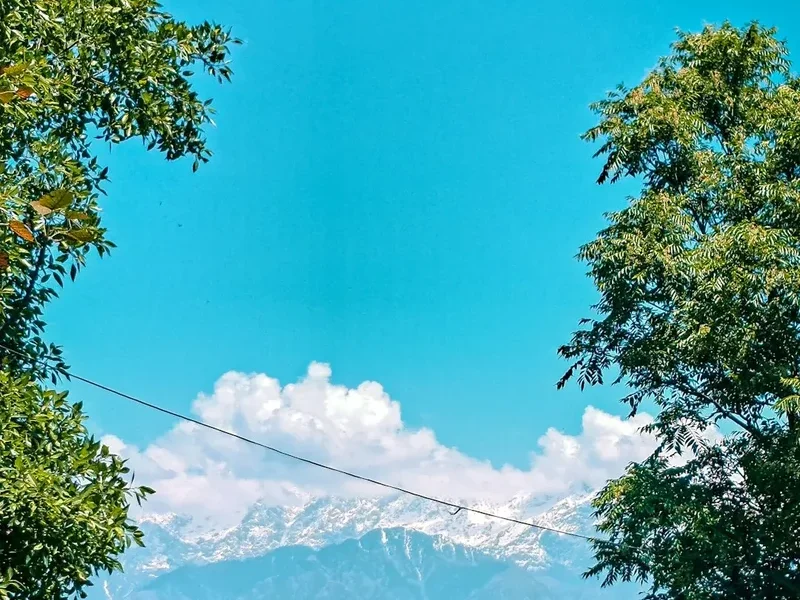
Registration for the Amarnath Yatra is mandatory and strictly controlled. The SASB issues a specific number of permits for each day and each route to prevent overcrowding and ensure safety. For the 2025 season, registration typically opens in April through designated branches of Punjab National Bank, Jammu & Kashmir Bank, and YES Bank across India.
Registration Process:
- Step 1: Obtain the Compulsory Health Certificate (CHC) from an authorised doctor (list available on the SASB website)
- Step 2: Visit a designated bank branch with the CHC, four passport-sized photographs, and a copy of your ID
- Step 3: Pay the registration fee (approx. ₹120–₹150) and select your preferred route and date
- Step 4: Receive your Yatra Permit (RFID-enabled tags are now mandatory for tracking and safety)
- Online Registration: A limited number of permits are available through the official SASB website and mobile app
Rules and Restrictions:
- Age Limit: Only individuals between the ages of 13 and 70 are permitted to undertake the Yatra
- Health: Pregnant women more than six weeks into their pregnancy are not allowed
- RFID Tags: Every pilgrim must wear the provided RFID tag at all times. This allows the authorities to track your location and ensure you have cleared specific checkpoints
- Group Registration: Groups of 5 or more can apply for group registration through the SASB office in Jammu or Srinagar
Helicopter Bookings: If you book a helicopter ticket, you do not need a separate Yatra Permit, but the Compulsory Health Certificate is still mandatory. Helicopter tickets are extremely popular and usually sell out within minutes of the online portal opening.
Other Activities in the Area
Kashmir is often called "Paradise on Earth," and there are numerous ways to extend your spiritual journey with cultural and natural exploration:
- Srinagar Houseboats: Spend a night on a traditional wooden houseboat on Dal Lake or Nigeen Lake. Experience the "Shikara" (gondola) rides and the floating vegetable market at dawn.
- Mughal Gardens: Visit Nishat Bagh, Shalimar Bagh, and Chashme Shahi in Srinagar—exquisite examples of Persian-style garden architecture built by the Mughal emperors.
- Gulmarg: Known as the "Meadow of Flowers," Gulmarg offers the world's second-highest cable car (Gondola) ride, taking you to an elevation of 3,979 metres for views of Nanga Parbat.
- Sonamarg: Located near the Baltal base camp, Sonamarg is the gateway to the Thajwas Glacier. It is an ideal spot for short pony treks and alpine photography.
- Pahalgam Sightseeing: Before or after your trek, visit Betaab Valley (named after a Bollywood film), Aru Valley, and Chandanwari for stunning riverside views and pine forests.
- Martand Sun Temple: Explore the ruins of this 8th-century Hindu temple near Anantnag, which showcases the grand architectural heritage of ancient Kashmir.
Safety and Conditions
High Altitude Sickness: Acute Mountain Sickness (AMS) is the primary health risk on the Amarnath Yatra. The trail reaches heights where oxygen levels are significantly lower than at sea level. Symptoms include headache, nausea, dizziness, and fatigue. If symptoms persist, the only cure is immediate descent. The SASB and Indian Army operate medical camps every few kilometres, equipped with oxygen cylinders and emergency medications. Drink plenty of water, avoid alcohol, and do not rush your ascent.
Weather Hazards: The Himalayas create their own weather systems. Cloudbursts (sudden, extreme rainfall) can lead to flash floods and landslides. In 2022, a major cloudburst near the cave resulted in significant casualties, leading to even stricter safety protocols. Always listen to the public address systems at camps and follow the instructions of the security forces. If the weather turns bad, the Yatra is often suspended temporarily; do not attempt to bypass barriers or continue against official advice.
Security: The Yatra takes place in a sensitive region. There is a heavy presence of the Indian Army, CRPF, and Jammu & Kashmir Police. While this can be intimidating, they are there for the protection of the pilgrims. Cooperate with security screenings and keep your RFID tag visible. Avoid straying from the marked trail, as the surrounding mountains are rugged and easy to get lost in.
Physical Strain: The "Pissu Top" and "Mahagunas Pass" sections are physically exhausting. Many pilgrims overexert themselves in their zeal to reach the cave. Pace yourself, use trekking poles to save your knees, and consider hiring a pony if you feel your physical limits are being reached. Dehydration and hypothermia are constant risks; keep your head covered and stay dry.
Side Trips and Points of Interest
Sheshnag Lake: This alpine lake, situated at 3,590 metres, is one of the most beautiful spots on the Pahalgam route. The name "Sheshnag" refers to the mythical King of Serpents, and the seven peaks surrounding the lake are said to resemble the seven heads of the serpent. The water is a deep, crystalline blue, and the surrounding meadows are perfect for quiet reflection before the climb to the high pass.
Pissu Top: Located just after Chandanwari, this steep ridge offers a panoramic view of the Lidder Valley. According to legend, a great battle took place here between the Devas (gods) and Asuras (demons). The gods, with the help of Lord Shiva, crushed the demons into a mountain of "pissis" (dead bodies), giving the spot its name. It is the first major physical test of the trek.
The Holy Cave and Ice Lingam: The climax of the journey. Inside the cave, the naturally formed ice stalagmite stands as a symbol of Shiva's eternal presence. Beside the main Lingam, two smaller ice formations represent Goddess Parvati and Lord Ganesha. The atmosphere inside the cave, filled with the chanting of "Om Namah Shivaya" and the smell of incense, is electric and deeply moving.
Sangam: This is the point where the Pahalgam and Baltal routes meet, approximately 3 kilometres from the cave. It is a bustling junction where pilgrims from both paths converge. The view of the Amravati River flowing through the deep gorge below is spectacular, especially when the morning sun hits the surrounding glaciers.
Leave No Trace
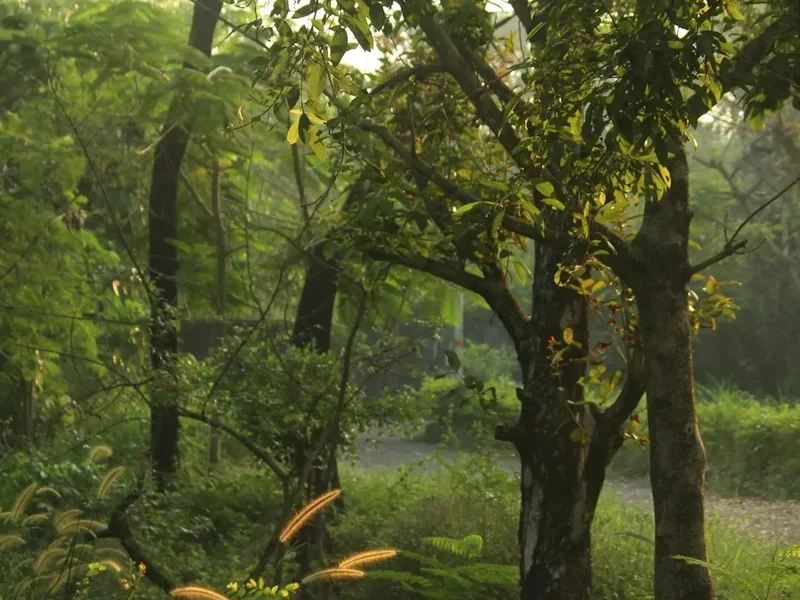
The Amarnath Yatra passes through some of the most ecologically sensitive zones in the Himalayas. The influx of hundreds of thousands of people in a short period places an immense strain on the environment. Glaciers in this region are receding at an alarming rate, and the pollution of the Lidder and Sind rivers has direct consequences for the communities downstream.
Your responsibility as a Yatri:
- Zero Plastic: The use of single-use plastic is strictly banned. Carry a reusable water bottle and avoid bringing plastic-wrapped snacks.
- Waste Disposal: Use the designated dustbins at Bhandaras and camps. Never throw trash into the rivers or down the mountain slopes.
- Sanitation: Use the provided pre-fabricated toilets. Open defecation is a major source of water contamination in the high mountains and is strictly prohibited.
- Respect the Wildlife: The region is home to the endangered Hangul (Kashmiri Stag) and Himalayan Brown Bear. Do not leave food scraps that might attract animals to the camps.
- Stay on the Path: The alpine flora is fragile and takes years to grow in the short summer window. Walking off-trail causes soil erosion and destroys rare plant species.
- Noise Pollution: Maintain the sanctity of the mountains. Avoid playing loud music; the sounds of nature and the chants of fellow pilgrims are the true soundtrack of the Yatra.
The Himalayas are the source of life for millions. By following Leave No Trace principles, you ensure that this sacred path remains pure for the generations of seekers who will follow in your footsteps.