
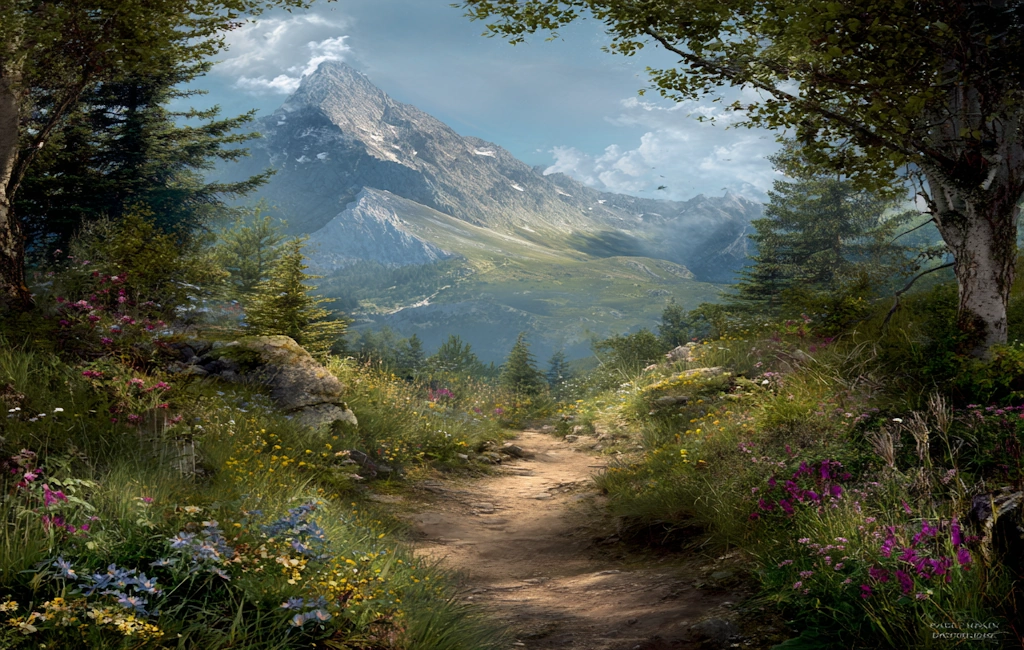
El Altar de Sacrificios Trek
The El Altar de Sacrificios Trek is a challenging and remote expedition through the rugged Peruvian Andes, offering a profound immersion into high-altitude desert landscapes and ancient Inca history. This multi-day trek traverses dramatic mountain passes, windswept plateaus, and remote valleys, culminating in breathtaking views of sacred peaks and glacial lakes. It is a journey for experienced trekkers seeking solitude, raw natural beauty, and a deep connection with the Andean environment. The trek is renowned for its stark, otherworldly scenery, where towering rock formations and vast, arid expanses create a sense of being on another planet. Unlike more frequented routes, El Altar de Sacrificios offers a genuine wilderness experience, demanding self-sufficiency and a respect for the powerful forces of nature.
- Distance: 75.0 km one-way
- Duration: 5–7 days
- Season: May to September (dry season)
- Difficulty: Challenging
- Highest point: Approximately 4,800 metres
- Base town: Cusco
- Trailhead Access: Lares (via bus from Cusco), then Wacawasi trail start
- Permits: Not required for the trek itself, but Machu Picchu entry requires separate booking.
Overview
El Altar de Sacrificios, translating to "Altar of Sacrifices," is a trek that lives up to its evocative name, presenting a formidable yet incredibly rewarding experience. This route winds through a high-altitude desert environment, characterised by its dramatic geological formations, sparse vegetation, and the ever-present, awe-inspiring Andean peaks. The trek is not a single, well-defined path but rather a series of ancient trails and routes that connect remote communities and sacred sites. The landscape shifts dramatically throughout the journey, from arid, rocky slopes to verdant pockets of high-altitude grassland, and finally to the stark beauty of glacial lakes and snow-capped mountains.
The trek's difficulty stems from its remoteness, high altitude, and the demanding ascents and descents. Trekkers will encounter passes exceeding 4,500 metres, requiring good acclimatisation and physical fitness. The weather can be unpredictable, with cold temperatures, strong winds, and the possibility of sudden precipitation, even during the dry season. However, these challenges are precisely what make the El Altar de Sacrificios Trek so compelling. It offers a chance to disconnect from the modern world and reconnect with nature in its purest form, traversing landscapes that have remained largely unchanged for centuries.
The cultural aspect of the trek is also significant. You will pass through small Quechua villages where traditional ways of life persist, offering glimpses into the resilience and spirit of the Andean people. The "Altar of Sacrifices" itself is believed to be a sacred site, historically used for offerings and ceremonies, adding a layer of spiritual depth to the journey. This trek is an adventure for those who seek not just a physical challenge, but a profound cultural and spiritual encounter in one of the world's most spectacular and untamed mountain ranges.
History and Cultural Context
The El Altar de Sacrificios region is steeped in a rich history that predates the Inca Empire. For millennia, indigenous Andean peoples have inhabited these high-altitude lands, developing sophisticated agricultural techniques, intricate social structures, and a deep spiritual connection to the mountains, which they revered as powerful deities (Apus). The trails that form the basis of this trek were likely ancient pathways used for trade, migration, and religious pilgrimage long before the Incas consolidated their vast empire.
The Inca Empire, which rose to prominence in the 15th century, recognised the strategic and spiritual importance of this region. They established a network of roads, known as the Qhapaq Ñan, which facilitated communication, transport, and control across their vast territory. While the El Altar de Sacrificios Trek may not follow a major Inca highway, it traverses areas that were undoubtedly part of this extensive system, connecting important settlements and sacred sites. The name "Altar of Sacrifices" itself suggests a history of ritualistic practices, possibly involving offerings to appease the mountain spirits or to ensure good harvests and favourable weather. Archaeological evidence and local legends hint at the presence of ancient ceremonial sites in the vicinity, underscoring the region's enduring spiritual significance.
Following the Spanish conquest in the 16th century, the region, like much of the Andes, underwent significant cultural and religious transformation. However, many indigenous traditions and beliefs persisted, often syncretising with Catholicism. The remote villages encountered on the trek often retain a strong sense of their ancestral heritage, with Quechua remaining the primary language and traditional customs still being practised. The El Altar de Sacrificios Trek offers a unique opportunity to witness this living history, to walk in the footsteps of ancient peoples, and to appreciate the enduring cultural landscape of the Peruvian Andes.
Seasonal Highlights and Weather Reality
The best time to undertake the El Altar de Sacrificios Trek is during the dry season, which typically runs from May to September. This period offers the most stable weather conditions, with clear skies, abundant sunshine during the day, and cold nights. The dry season is crucial for high-altitude trekking in the Andes, as it minimises the risk of heavy rainfall, snow, and treacherous trail conditions.
May and September (Shoulder Months): These months can offer a good balance. The landscapes are often vibrant, and the crowds are thinner than in the peak of winter. However, there's a slightly higher chance of encountering residual rain or early snow, especially at higher elevations. Temperatures can be more variable.
June to August (Peak Dry Season): This is the most popular time for trekking in the Peruvian Andes. Days are generally sunny and clear, offering spectacular mountain views. However, temperatures can drop significantly at night, often falling below freezing. Daytime temperatures can be pleasant in direct sunlight but can feel cool in the shade or when the wind picks up. This period also sees the most trekkers, though El Altar de Sacrificios remains relatively uncrowded compared to more famous routes.
October to April (Wet Season): This period is generally not recommended for this trek. Heavy rainfall is common, which can lead to landslides, flash floods, and impassable trails. Visibility is often poor due to cloud cover and fog, obscuring the stunning mountain scenery. Temperatures are milder, but the constant rain and muddy conditions make for a much more challenging and less enjoyable experience. Some higher passes may be completely snowed in.
Weather Considerations: Regardless of the season, the weather in the Andes is notoriously unpredictable. Even during the dry season, sudden changes can occur. Expect strong winds, especially at higher altitudes and on exposed passes. Hypothermia is a risk, even in summer, due to the combination of altitude, wind chill, and potential for rain or snow. Always be prepared for a range of conditions.
Recommended Itinerary
5-Day El Altar de Sacrificios Trek Itinerary
Day 1: Cusco to Lares Town and Wacawasi Village
- Distance: Approx. 10 km trekking
- Elevation gain: Approx. 500 m
- Time: 4–5 hours trekking
- Morning bus from Cusco to Lares (approx. 3 hours)
- Begin trek from Lares, passing through local communities and agricultural terraces
- Gradual ascent towards Wacawasi, a traditional Quechua village
- Set up camp near Wacawasi, acclimatising to the altitude (approx. 3,800 m)
- Opportunity to interact with local villagers and learn about their way of life
Day 2: Wacawasi to Ipsaycocha Pass and Ipsaycocha Lake
- Distance: Approx. 15 km
- Elevation gain: Approx. 1,000 m to pass, then descent
- Time: 7–8 hours
- Challenging ascent towards Ipsaycocha Pass (approx. 4,600 m)
- Cross the highest point of the trek, offering panoramic views of surrounding peaks
- Descend to the beautiful Ipsaycocha Lake, a stunning glacial tarn
- Camp near Ipsaycocha Lake, enjoying the remote alpine scenery
- This day is crucial for acclimatisation and pushing physical limits
Day 3: Ipsaycocha Lake to Cuncani Village
- Distance: Approx. 18 km
- Elevation gain: Gradual descent, some ups and downs
- Time: 6–7 hours
- Continue trekking through high-altitude puna landscapes
- Pass through more remote villages and observe traditional Andean life
- Descend towards Cuncani, another traditional community
- Camp near Cuncani village (approx. 4,000 m)
- Enjoy the changing scenery as you move into different ecological zones
Day 4: Cuncani Village to Huacahuasi and Optional Hot Springs
- Distance: Approx. 16 km
- Elevation gain: Mostly descent with some rolling hills
- Time: 5–6 hours
- Trek from Cuncani towards Huacahuasi
- Option to visit the Lares hot springs for a relaxing soak (requires slight detour)
- Continue trekking to a suitable campsite near Huacahuasi or a designated camping area
- This day offers a slightly easier pace after the high pass
Day 5: Huacahuasi to Lares and Return to Cusco
- Distance: Approx. 6 km trekking
- Elevation gain: Mostly descent
- Time: 2–3 hours trekking
- Short final trek back to Lares town
- Meet transport for the return journey to Cusco
- Arrive back in Cusco in the afternoon/evening
- Reflect on the incredible journey through the Andes
Important Notes:
- This itinerary is a suggestion and can be adapted based on group fitness, acclimatisation, and weather conditions.
- A 6-day itinerary could include an extra day for deeper exploration of a particular area or a more relaxed pace.
- All camping requires appropriate gear and experienced guides for safety and logistics.
- Acclimatisation in Cusco for at least 2-3 days prior to starting the trek is highly recommended.
- This trek is best undertaken with a local guide and porter service for safety, navigation, and cultural insights.
Planning and Bookings
Book Your Trip
Everything you need to plan your journey
Accommodation
Find places to stay near Cusco
Flights
Search flights to Cusco
Essential Preparation
The El Altar de Sacrificios Trek is a remote and challenging expedition that requires meticulous planning. Given its high altitude and rugged terrain, thorough preparation is paramount for a safe and enjoyable experience. The primary logistical hub for this trek is Cusco, a city that offers extensive services for trekkers, including tour operators, gear rental shops, and acclimatisation opportunities.
Acclimatisation: It is absolutely essential to spend at least 2-3 full days in Cusco (altitude approx. 3,400 m) before commencing the trek. This allows your body to adjust to the lower oxygen levels. Engage in light activities, stay hydrated, and avoid alcohol and heavy meals during this period. Consider visiting the Sacred Valley (lower altitude) for a day trip as part of your acclimatisation process.
Fitness: This trek demands a high level of cardiovascular fitness and muscular endurance. You should be comfortable hiking for 6-8 hours per day with a backpack, often on steep and uneven terrain, at altitudes above 4,000 metres. Regular training that includes hiking with a weighted pack, running, cycling, or swimming is highly recommended.
Logistics: Due to the remote nature of the trek, it is strongly advised to arrange the trek through a reputable local tour operator. They will handle transportation from Cusco to the trailhead (Lares), provide experienced guides and porters, arrange camping equipment, and manage food supplies. Booking well in advance is recommended, especially during the dry season (May-September).
Base Town: Cusco is the gateway city. It offers a wide range of accommodation options, from budget hostels to luxury hotels, as well as numerous restaurants, markets, and cultural attractions. It is also the primary place to purchase any last-minute gear or supplies.
Trail Accommodation
This is a remote trekking route that requires camping. There are no permanent lodges or established campsites in the traditional sense along the El Altar de Sacrificios Trek. Accommodation is exclusively in tents, set up in designated or suitable wild camping spots, often near small Quechua villages or natural clearings.
Camping:
- Booking Requirements: While no formal booking system exists for campsites, it is customary to camp near villages and inform local community leaders or guides. Tour operators will arrange suitable camping locations.
- Facilities Provided: Your tour operator will typically provide high-quality tents (usually 2-person), sleeping mats, and a mess tent for dining. Basic toilet tents with portable chemical toilets may also be provided.
- What's NOT Provided: Sleeping bags, pillows, and personal toiletries are generally not provided and must be brought by the trekker. There are no cooking facilities, electricity, running water, or waste disposal services at the camping spots.
- Seasonal Availability: Camping is possible throughout the year, but the dry season (May-September) is highly recommended for safety and comfort due to more predictable weather.
- Costs: The cost of camping is typically included in the overall tour package price, which covers guides, porters, food, and transport. If arranging independently, factor in costs for tent rental, food, and potentially a small fee for camping near villages.
This is a day hike requiring no overnight accommodation.
Required Gear
- Sturdy Hiking Boots: Waterproof, broken-in, with good ankle support. Essential for navigating rocky and uneven terrain.
- Waterproof Jacket and Trousers: High-quality, breathable, and fully waterproof (Gore-Tex or similar). Essential for protection against rain, wind, and snow.
- Warm Layers: Multiple insulating layers are crucial. This includes fleece jackets, down or synthetic insulated jackets, and thermal base layers (merino wool or synthetic).
- Sleeping Bag: A 4-season sleeping bag rated to at least -10°C to -15°C is recommended due to freezing night temperatures at altitude.
- Sleeping Mat: Insulated sleeping mat for comfort and to prevent heat loss to the frozen ground.
- Backpack: A comfortable trekking backpack (50-70 litres) with a rain cover. Porters will carry the bulk of your gear, but you'll need a daypack for essentials.
- Head Torch: With spare batteries. Essential for navigating in the dark, especially for early morning starts or late evening camp setup.
- Sun Protection: High SPF sunscreen, lip balm with SPF, sunglasses (with UV protection), and a wide-brimmed hat or cap. The sun is intense at high altitudes.
- First-Aid Kit: Comprehensive personal kit including blister treatment, pain relievers, antiseptic wipes, bandages, and any personal medications.
- Trekking Poles: Highly recommended for stability on ascents and descents, and to reduce strain on knees.
- Navigation Tools: While guides are essential, a map, compass, and GPS device or app are advisable for personal safety.
What to Bring
- Food and Water: While tour operators provide meals, carry high-energy snacks (nuts, dried fruit, energy bars) for during the day. Water bottles or a hydration reservoir (at least 2-3 litres capacity). Water purification tablets or a filter are essential as water sources may not always be treated.
- Toiletries: Biodegradable soap, toothbrush and toothpaste, toilet paper (carry out used paper), hand sanitiser, and any personal hygiene items. Wet wipes are useful for quick clean-ups.
- Clothing: Several pairs of hiking socks (wool or synthetic), comfortable camp clothes (e.g., fleece trousers, warm jumper), gloves (warm and waterproof), and a warm beanie or hat.
- Personal Items: Camera with spare batteries and memory cards, power bank for charging devices (limited charging opportunities), book or journal, insect repellent (though less of an issue at high altitudes), small towel.
- Documents: Passport (copies recommended), travel insurance details, emergency contact information.
- Cash: Peruvian Soles for tips for guides and porters, small purchases in villages, and potential hot spring entrance fees.
Permits
The El Altar de Sacrificios Trek, as a remote and less formalised route, does not require specific permits for the trail itself in the same way that national parks or protected areas might. The trails are largely ancient pathways used by local communities. However, it is crucial to understand the context:
National Park Regulations: While the trek may not pass through a designated national park with strict entry fees, it traverses high-altitude Andean landscapes that are ecologically sensitive. Respect for the environment is paramount.
Machu Picchu: If your intention is to combine this trek with a visit to Machu Picchu, then separate permits and entrance tickets for Machu Picchu are absolutely essential. These must be booked months in advance, as daily visitor numbers are strictly limited. The El Altar de Sacrificios Trek is often undertaken as an alternative or precursor to the Inca Trail, offering a more remote experience.
Community Agreements: In some instances, camping near or passing through indigenous villages might involve informal agreements or small contributions to the local community for the use of land or facilities. Reputable tour operators will manage these arrangements.
Machu Picchu Ticket Booking:
- When to Book: Book Machu Picchu tickets at least 3-6 months in advance, especially for peak season (May-September).
- Where to Book: Official government website (machupicchu.gob.pe) or through authorised tour operators.
- Ticket Types: Different circuits and access levels are available (e.g., Machu Picchu Citadel only, Machu Picchu + Huayna Picchu, Machu Picchu + Machu Picchu Mountain).
- Cost: Prices vary depending on the ticket type and nationality, but expect to pay approximately S/. 152 (Peruvian Soles) for standard entry.
For the El Altar de Sacrificios Trek itself, focus on securing a reliable tour operator who will handle all necessary logistics and ensure you are adhering to any local customs or informal requirements.
Other Activities in the Area
The region surrounding the El Altar de Sacrificios Trek offers a wealth of cultural and natural attractions, making it an ideal destination for an extended stay:
- Cusco Exploration: Immerse yourself in the historic capital of the Inca Empire. Visit the Plaza de Armas, Cusco Cathedral, Qorikancha (Temple of the Sun), and the vibrant San Blas artisan quarter. Explore the nearby Inca ruins of Sacsayhuamán, Q'enqo, Puka Pukara, and Tambomachay.
- Sacred Valley Tour: Discover the fertile Sacred Valley of the Incas. Visit the impressive Inca ruins and markets of Pisac, the formidable Inca fortress of Ollantaytambo, and the salt pans of Maras. The lower altitude of the Sacred Valley makes it an excellent place for acclimatisation.
- Rainbow Mountain (Vinicunca): A popular day trip from Cusco, this trek leads to a mountain with striking natural mineral stripes. It is a high-altitude hike and requires good acclimatisation.
- Humantay Lake: Another stunning glacial lake accessible via a day hike from Cusco or the Mollepata region. Its turquoise waters are breathtaking, set against the backdrop of the Humantay glacier.
- Andean Communities: Engage with local Quechua communities beyond the trek itself. Many villages offer cultural immersion experiences, allowing you to learn about traditional weaving, agriculture, and daily life.
- Culinary Experiences: Cusco boasts a world-class culinary scene. Sample traditional Peruvian dishes like ceviche, lomo saltado, and cuy (guinea pig), and enjoy the renowned Pisco Sour.
- Textile Museums and Markets: Learn about the intricate art of Andean weaving and purchase high-quality textiles directly from artisans in Cusco and various Sacred Valley towns.
Safety and Conditions
Altitude Sickness (Soroche): This is the most significant risk on the El Altar de Sacrificios Trek. Symptoms can include headache, nausea, dizziness, fatigue, and shortness of breath. Proper acclimatisation in Cusco and the Sacred Valley is the best preventative measure. Stay hydrated, avoid alcohol and strenuous activity on your first few days, and consider consulting your doctor about altitude medication (e.g., Diamox). If symptoms worsen, descend immediately.
Weather: Andean weather is highly unpredictable. Be prepared for extreme temperature fluctuations, strong winds, and potential for rain, snow, or hail, even during the dry season. Hypothermia is a serious risk. Always carry and wear appropriate layers, including waterproof and windproof outer shells.
Trail Conditions: Trails can be steep, rocky, and uneven. Mud and ice can be present, especially after rain or at higher elevations. Trekking poles are highly recommended for stability and to reduce impact on joints.
Remoteness: This trek is in a remote area with limited access to medical facilities. Ensure you have comprehensive travel insurance that covers high-altitude trekking and emergency evacuation. Carry a well-stocked first-aid kit and know how to use its contents.
Guides and Porters: It is strongly recommended to undertake this trek with experienced local guides and porters. They are familiar with the terrain, weather patterns, altitude sickness, and local customs. They also provide essential support for navigation and safety.
Water: Always treat water from streams or rivers using a filter or purification tablets. While water sources are generally plentiful, they are untreated and can contain bacteria or parasites.
Communication: Mobile phone reception is virtually non-existent for most of the trek. Consider carrying a personal locator beacon (PLB) or satellite phone for emergencies.
Pre-Trek Health Check: Consult your doctor before your trip to ensure you are fit for high-altitude trekking and to discuss any necessary vaccinations or medications.
Side Trips and Points of Interest
Ipsaycocha Pass (Approx. 4,600 m): This is the highest point of the trek and a significant landmark. The ascent is challenging, but the reward is immense. From the pass, you are treated to spectacular 360-degree panoramic views of the surrounding Andean peaks, including potentially snow-capped giants and vast, rugged valleys. It's a prime spot for photography and a true test of endurance.
Ipsaycocha Lake: Located just below the pass, this stunning glacial lake is a jewel of the high Andes. Its pristine, often turquoise waters reflect the dramatic mountain scenery, creating a breathtaking and serene environment. It's an ideal spot for a rest break and to appreciate the raw beauty of the alpine landscape.
Wacawasi and Cuncani Villages: These traditional Quechua villages offer a unique cultural experience. Observe the daily lives of the local communities, their agricultural practices, and their distinctive weaving traditions. Interacting respectfully with the villagers provides valuable insight into the enduring Andean way of life.
Lares Hot Springs: Located near the town of Lares, these natural thermal springs offer a welcome opportunity to relax and soothe tired muscles. A visit here can be incorporated into the trek, providing a comfortable interlude before or after the more strenuous sections.
High-Altitude Puna Landscapes: The trek traverses vast expanses of puna, a unique high-altitude grassland ecosystem. Observe the hardy ichu grass, scattered hardy shrubs, and the unique flora adapted to these harsh conditions. The stark, windswept beauty of the puna is a defining characteristic of the El Altar de Sacrificios Trek.
Leave No Trace
The El Altar de Sacrificios Trek traverses pristine, remote, and ecologically sensitive high-altitude environments. Adhering to Leave No Trace principles is not just recommended; it is essential for preserving this fragile landscape for future generations and for the well-being of the local communities.
Plan Ahead and Prepare: Understand the challenges of the trek, including altitude, weather, and remoteness. Arrange your trek with a reputable operator who prioritises LNT principles. Pack appropriately to minimise waste and ensure you have the means to carry out all refuse.
Travel and Camp on Durable Surfaces: Stick to established trails and camp in designated or previously impacted areas. Avoid trampling fragile vegetation, especially in the high-altitude puna, which can take decades to recover. When camping near villages, always seek permission and respect their land.
Dispose of Waste Properly: Pack it in, pack it out. This includes all food scraps, wrappers, toilet paper, and any other refuse. Use designated toilet facilities where available, or dig catholes at least 60 metres away from water sources, trails, and campsites. Pack out all used toilet paper.
Leave What You Find: Do not remove any natural objects, such as rocks, plants, or artefacts. Respect archaeological sites and cultural heritage. Take only photographs and memories.
Minimise Campfire Impacts: Campfires are generally not permitted or advisable in this high-altitude, dry environment due to the risk of wildfires and the scarcity of fuel. Use a portable stove for cooking.
Respect Wildlife: Observe wildlife from a distance and never feed animals. Feeding can alter their natural behaviours and diets, and can be harmful to their health.
Be Considerate of Other Visitors: While this trek is remote, you may encounter local communities or other trekkers. Keep noise levels down, respect local customs, and yield to others on the trail.
By following these principles, you help ensure that the El Altar de Sacrificios Trek remains a wild and beautiful experience for all who follow.