
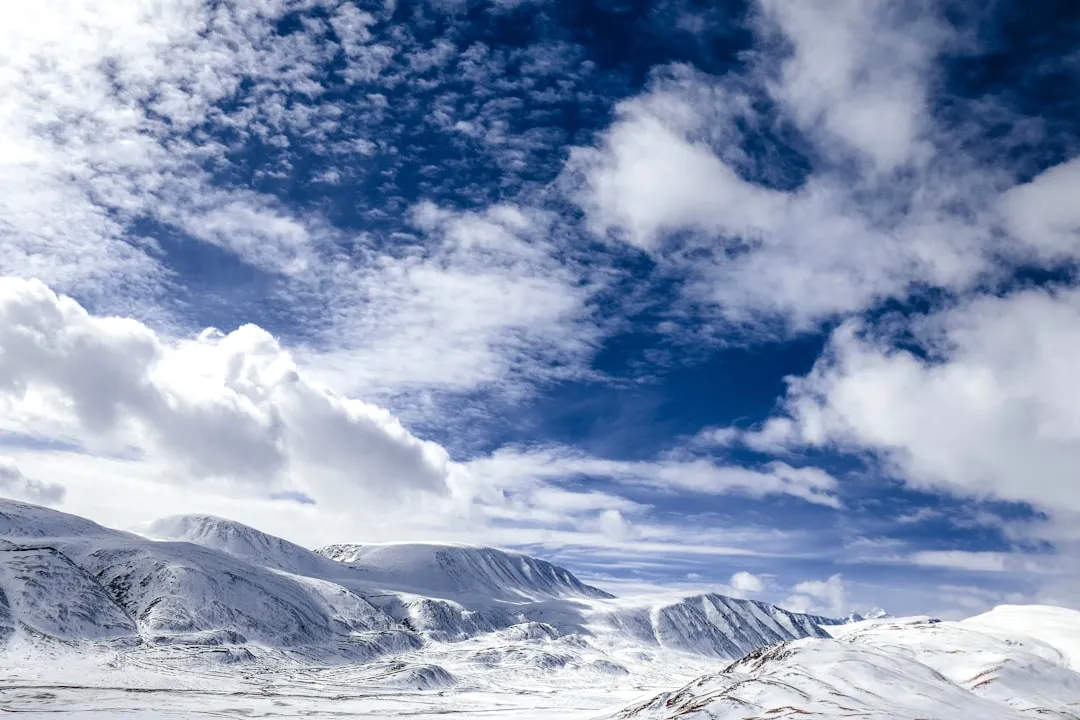
Altai Tavan Bogd Trek - Mongolia's Majestic Peaks
The Altai Tavan Bogd Trek is an epic journey through the heart of Mongolia's most remote and spectacular mountain range, the Altai Mountains. This challenging trek leads you to the very roof of Mongolia, the Tavan Bogd massif, a cluster of five snow-capped peaks, including the country's highest point, Khüiten Peak (4,374 metres). This is not just a hike; it's an immersion into a raw, untamed wilderness where vast glaciers meet stark desert landscapes, and where the nomadic culture of the Kazakh people remains a vibrant, living tradition. The trek offers a profound sense of isolation and adventure, traversing rugged terrain, crossing glacial moraines, and offering unparalleled views of the surrounding peaks and the vast Mongolian steppe stretching towards the Chinese and Russian borders.
- Distance: Approximately 70 km one-way
- Duration: 6-8 days
- Season: July to September
- Highest point: Khüiten Peak (4,374 m)
- Difficulty: Challenging
- Base town: Ölgii
- Access: Fly to Ölgii, then 4x4 transport to trailhead
Overview
The Altai Tavan Bogd Trek is a true expedition, demanding a high level of fitness, resilience, and a spirit of adventure. Unlike more established trekking routes, this journey requires significant logistical planning, including hiring local guides, drivers, and often pack animals (horses or camels) to carry supplies. The landscape is dramatic and varied: you'll begin by traversing rolling hills and arid steppes, gradually ascending into alpine meadows dotted with wildflowers, and finally confronting the formidable glacial environment of the Tavan Bogd peaks. The trek culminates at the base of the highest peaks, offering breathtaking vistas of the Potanin Glacier, the largest glacier in Mongolia, and the surrounding jagged summits.
The cultural experience is as significant as the physical challenge. You will likely encounter nomadic Kazakh families living in traditional gers (yurts), herding their livestock across the vast pastures. These encounters offer a unique glimpse into a way of life that has endured for centuries, largely unchanged by the modern world. Sharing a cup of salty milk tea or a simple meal with a nomadic family is a highlight for many trekkers, providing a deep connection to the land and its people.
The remoteness of the Altai Tavan Bogd means that you will experience a profound sense of solitude. The trails are often faint, and navigation can be challenging, requiring experienced local guides. The weather is unpredictable, with rapid changes from warm sunshine to cold winds, rain, and even snow, even in the summer months. This trek is for those seeking an authentic wilderness experience, a true test of endurance, and an unforgettable encounter with the wild beauty and enduring culture of Mongolia.
History and Cultural Context
The Altai Mountains have been a crossroads of cultures and empires for millennia. This region, part of the larger Altai mountain system that spans Russia, China, Kazakhstan, and Mongolia, has been inhabited by various peoples, including Turkic groups, Mongols, and later, the Kazakhs who migrated to western Mongolia in the 19th century. The Kazakhs brought with them their unique nomadic traditions, their Islamic faith, and their distinctive eagle hunting culture, which is still practiced in the region today.
The Tavan Bogd massif itself, meaning "Five Saints" in Mongolian, has long held spiritual significance for the local peoples. The highest peak, Khüiten Peak, was first summited by a Soviet-Mongolian expedition in 1956. The area is part of the Altai Tavan Bogd National Park, established in 1996 to protect its unique biodiversity, glacial systems, and cultural heritage. The park encompasses a vast area of rugged mountains, alpine lakes, and arid steppes, providing a sanctuary for wildlife such as the Altai snow leopard, ibex, and argali sheep.
The history of trekking in this region is relatively recent. Due to its remoteness and the logistical challenges involved, it has only been in the last few decades that Altai Tavan Bogd has become accessible to international trekkers. The development of tourism infrastructure is minimal, which contributes to the area's pristine condition and the authentic experience it offers. The trek is a journey not only through a stunning natural landscape but also through a region rich in history, folklore, and the enduring traditions of its nomadic inhabitants.
Seasonal Highlights and Weather Reality
The trekking season for Altai Tavan Bogd is strictly limited due to the harsh climate. The optimal window for trekking is during the summer months, from July to September. During this period, the weather is generally at its most favourable, although still highly unpredictable.
July: This is typically the warmest month, with longer daylight hours. Alpine meadows are often in full bloom, creating a vibrant contrast to the stark mountain scenery. Snowfall is less frequent, but rain showers are common. Temperatures can range from 10-20°C during the day, dropping to near freezing (0-5°C) at night, especially at higher altitudes.
August: Similar to July, August offers good trekking conditions. The days are still long, and the landscapes are beautiful. However, the weather can become more volatile, with increased chances of rain and stronger winds. Nights remain cold, and frost is possible.
September: This month marks the beginning of autumn. The days start to shorten, and temperatures begin to drop more noticeably. The colours of the landscape can be stunning, with golden hues appearing on the steppes. However, September also brings a higher risk of early snowfalls, particularly at higher elevations, which can make the passes impassable. The wind can also be a significant factor.
Outside the season (October to June): The Altai Tavan Bogd region experiences extreme winter conditions. Heavy snow, freezing temperatures, and strong winds make trekking impossible and extremely dangerous. The national park is largely inaccessible during these months.
Weather Reality: It is crucial to understand that "good weather" in the Altai is relative. Even during the peak season, you should be prepared for all conditions. Rapid temperature fluctuations, strong winds, heavy rain, hail, and snow can occur at any time, often within the same day. Hypothermia is a genuine risk, even in summer, due to the altitude and exposure. Flexibility in your itinerary is essential, as weather can force changes to your route or schedule.
Recommended Itinerary
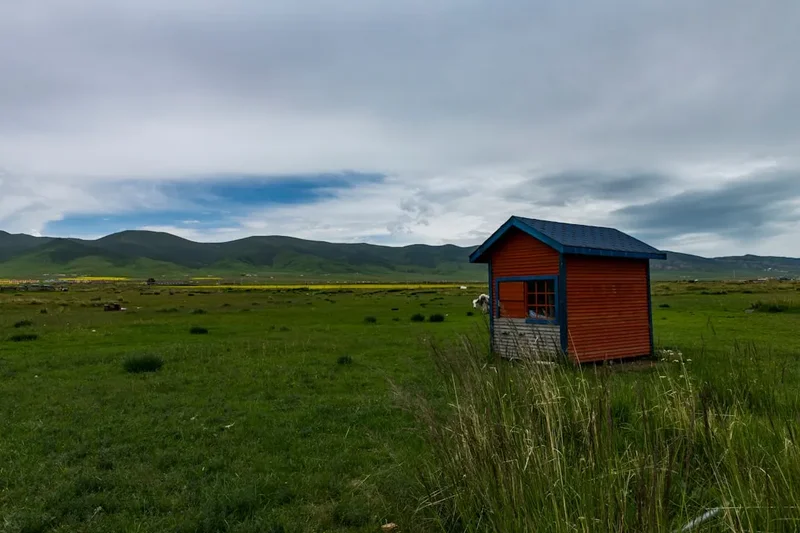
6-Day Altai Tavan Bogd Trek Itinerary (Example)
Day 1: Arrival in Ölgii and Preparation
- Arrive at Ölgii Airport (ULG)
- Meet your local guide and driver
- Transfer to your hotel or guesthouse in Ölgii
- Final gear check and purchase any last-minute supplies
- Briefing on the trek and cultural customs
- Explore Ölgii town, visit the local market and museum
- Overnight in Ölgii
Day 2: Drive to Tsagaan Gol (White River) Valley
- After breakfast, depart Ölgii in a 4x4 vehicle
- Drive towards the Altai Tavan Bogd National Park entrance
- The drive is rough and unpaved, taking approximately 6-8 hours
- Pass through traditional Kazakh settlements and vast steppe landscapes
- Reach the Tsagaan Gol Valley, a common starting point for treks
- Set up camp near the river
- Short acclimatisation walk in the valley
- Overnight camping in Tsagaan Gol Valley (approx. 2,200 m)
Day 3: Trek to Base Camp (Tavan Bogd Base Camp)
- Distance: Approximately 15 km
- Elevation gain: Approximately 800 m
- Time: 6-7 hours
- Begin trekking up the Tsagaan Gol Valley
- The terrain becomes more rugged, with rocky paths and river crossings
- Pass through alpine meadows and moraine fields
- Arrive at Tavan Bogd Base Camp, situated at the foot of the Potanin Glacier
- Spectacular views of the surrounding peaks, including Malchin, Nevil, and Tavan Bogd
- Set up camp and rest
- Overnight camping at Base Camp (approx. 3,000 m)
Day 4: Exploration of Potanin Glacier and Malchin Peak (Optional Ascent)
- Distance: Variable (depending on exploration)
- Elevation gain: Variable
- Time: Full day
- Option 1: Explore the Potanin Glacier. Hike onto the glacier (with crampons and ice axe if necessary, guided) to witness its immense scale and unique ice formations.
- Option 2: Ascend Malchin Peak (4,056 m). This is a challenging but achievable climb for fit trekkers, offering incredible panoramic views. Requires good weather and acclimatisation.
- Return to Base Camp in the afternoon
- Overnight camping at Base Camp (approx. 3,000 m)
Day 5: Trek to Shiveet Khairkhan Mountain
- Distance: Approximately 18 km
- Elevation gain: Approximately 500 m
- Time: 6-7 hours
- Descend from Base Camp, retracing steps part of the way
- Continue trekking towards Shiveet Khairkhan Mountain, a sacred site for local Kazakhs
- The landscape shifts, offering different perspectives of the Altai range
- Set up camp near Shiveet Khairkhan, known for its ancient petroglyphs
- Overnight camping near Shiveet Khairkhan (approx. 2,700 m)
Day 6: Return Drive to Ölgii
- Distance: Approximately 100 km (drive)
- Time: 6-8 hours
- After breakfast, meet your 4x4 vehicle
- Drive back to Ölgii
- The drive offers a final chance to soak in the vastness of the Mongolian landscape
- Arrive in Ölgii in the late afternoon
- Check into your hotel and enjoy a celebratory dinner
- Overnight in Ölgii
Note: This is a sample itinerary. Actual duration and route may vary based on weather, group fitness, and local conditions. Khüiten Peak (4,374 m) ascent is a separate, more technical expedition requiring additional days and specialised equipment/guides.
Planning and Bookings
Book Your Trip
Everything you need to plan your journey
Accommodation
Find places to stay near Ölgii
Flights
Search flights to Ölgii
Essential Preparation
The Altai Tavan Bogd Trek is an expedition that requires meticulous planning. Unlike well-trodden paths, this is a remote wilderness adventure. Key preparation includes:
- Logistics: You MUST hire a local tour operator based in Ölgii. They will arrange your 4x4 transport, experienced local guides (essential for navigation and cultural understanding), cooks, and pack animals (horses or camels) for carrying gear. Independent travel is not recommended and often not feasible due to the lack of infrastructure and the need for local knowledge.
- Fitness: This is a challenging trek. You need excellent cardiovascular fitness, stamina, and the ability to walk for 6-8 hours a day over varied and often rough terrain, including ascents and descents, and potentially across glacial moraines. Prior experience with multi-day trekking and camping in remote areas is highly beneficial.
- Acclimatisation: The trek reaches altitudes of around 3,000 metres at Base Camp, with options to go higher. Spending a day or two in Ölgii (around 1,700 m) upon arrival can aid acclimatisation. Listen to your body and communicate any symptoms of altitude sickness to your guide.
- Base Town: Ölgii is the provincial capital of Bayan-Ölgii aimag (province) and the primary gateway to the Altai Tavan Bogd National Park. It's a bustling town with a strong Kazakh cultural identity. You'll find basic hotels, guesthouses, restaurants, and shops here. It's essential to spend at least one night here before and after your trek for preparation and recovery.
- Visa Requirements: Check current visa regulations for Mongolia well in advance of your travel dates.
Trail Accommodation
Accommodation on the Altai Tavan Bogd Trek is primarily camping. There are no permanent huts or lodges along the trekking route itself.
- Camping: You will be camping in tents provided by your tour operator. Campsites are typically established in scenic valleys or at the base of mountains. Your guides and support crew will set up tents, cook meals, and manage camp logistics.
- Ölgii Accommodation: Before and after the trek, you will stay in hotels or guesthouses in Ölgii. These range from basic to comfortable, offering private rooms with shared or en-suite bathrooms.
- Facilities Provided: Your tour operator will provide tents, sleeping mats, cooking equipment, and all meals during the trek. They will also provide experienced guides, drivers, and support staff.
- What's NOT Provided: You will need to bring your own sleeping bag (rated for cold temperatures), personal clothing, toiletries, and any personal snacks or medications. Huts, lodges, or campsites with amenities like showers or electricity are non-existent on the trail.
- Seasonal Availability: Camping is available throughout the trekking season (July to September). Ölgii accommodation is available year-round but is busiest during the trekking season.
- Costs: Accommodation costs in Ölgii vary, typically ranging from $30-$80 USD per night for a double room. The main cost of the trek will be the tour package, which includes transport, guides, food, and camping equipment.
Required Gear
- Sturdy Hiking Boots: Waterproof, broken-in, with good ankle support. Essential for varied terrain.
- Waterproof Jacket and Trousers: High-quality, breathable, and fully waterproof (e.g., Gore-Tex). Essential for rain, wind, and snow.
- Warm Layers: Multiple layers are key. Include thermal base layers (merino wool or synthetic), fleece mid-layers, and an insulated down or synthetic jacket for evenings and high altitudes.
- Sleeping Bag: A 4-season sleeping bag with a comfort rating of at least -10°C to -15°C is highly recommended due to cold nights at altitude.
- Backpack: A comfortable trekking backpack (50-70 litres) with a rain cover. Your main pack will be carried by pack animals, but you'll need a daypack for essentials.
- Head Torch: With spare batteries. Essential for navigating camp and tents in the dark.
- Sun Protection: High SPF sunscreen, lip balm with SPF, sunglasses (Category 3 or 4), and a wide-brimmed hat or cap. The sun is intense at altitude.
- Navigation Tools: While your guide will navigate, a personal compass and map, or a GPS device with pre-loaded maps, are good backups.
- First-Aid Kit: Comprehensive personal kit including blister treatment, pain relievers, antiseptic wipes, bandages, and any personal medications.
- Trekking Poles: Highly recommended for stability on uneven terrain and to reduce strain on knees during descents.
What to Bring
- Food and Water: While your tour operator provides meals, bring high-energy snacks like nuts, dried fruit, energy bars, and chocolate. Water bottles or a hydration reservoir (at least 2-3 litres capacity). Water purification tablets or a filter are advisable as a backup, though guides will ensure safe water sources.
- Toiletries: Biodegradable soap, toothbrush and toothpaste, wet wipes, hand sanitiser, and toilet paper (carry out used paper).
- Personal Items: Camera and spare batteries/power bank, journal and pen, book for downtime.
- Clothing: Several pairs of hiking socks (wool or synthetic), comfortable camp clothes (e.g., fleece trousers, warm jumper), gloves (warm and waterproof), warm hat (beanie).
- Footwear: Camp shoes or sandals for relaxing in the evenings.
- Documents: Passport, visa (if required), travel insurance details, emergency contact information.
- Money: Mongolian Tugrik (MNT) for any personal purchases in Ölgii or tips for guides and drivers. USD is also accepted in some places.
- Duct Tape: Invaluable for quick repairs to gear.
Permits
To trek in the Altai Tavan Bogd National Park, you will need to obtain permits. These are typically arranged by your local tour operator as part of your expedition package.
National Park Entry Permit: This permit is required for all visitors entering the Altai Tavan Bogd National Park. It covers the cost of park maintenance and conservation efforts.
Border Permit: Since the Altai Tavan Bogd region is close to the borders with China and Russia, a special border zone permit is also required for trekkers. This permit allows you to be in the designated border area.
Arranging Permits: Your tour operator in Ölgii will handle the application process for both permits. This usually involves providing them with copies of your passport and visa information well in advance of your trek. They will then submit the applications to the relevant authorities in Ölgii. The process can take several days, so it's crucial to confirm the exact timeline with your operator.
Costs: The cost of these permits is usually included in your tour package. If not, expect to pay approximately $20-50 USD per person for the combined permits, though this can vary.
Timing: It is essential to inform your tour operator of your travel dates and permit requirements as early as possible. They will advise you on the lead time needed to secure these permits, which can sometimes be several weeks, especially during peak season.
Documentation: Always carry copies of your permits with you throughout the trek, as park rangers or border guards may request to see them.
Other Activities in the Area
While the Altai Tavan Bogd Trek is the primary draw, the region offers other unique experiences:
- Eagle Hunting Demonstrations: In the autumn months (September/October), you may have the opportunity to witness traditional Kazakh eagle hunting demonstrations. This ancient practice involves trained golden eagles hunting small animals. Your tour operator can often arrange this if you are travelling at the right time.
- Visiting Nomadic Families: Beyond the trek, spending time with Kazakh nomadic families in their gers offers a profound cultural immersion. You can learn about their daily lives, traditions, and hospitality.
- Exploring Ölgii: The provincial capital has a vibrant local market where you can find traditional crafts, textiles, and local produce. The Ölgii Museum provides insights into the region's history, ethnography, and the unique culture of the Kazakh people.
- Horse Riding: For those who wish to experience the landscape in a different way, horse riding excursions can be arranged in the valleys surrounding Ölgii or as part of the trek itself (though the main trek is on foot).
- Petroglyphs of Shiveet Khairkhan: The area around Shiveet Khairkhan Mountain is known for its ancient rock carvings, dating back thousands of years. These petroglyphs offer a glimpse into the region's prehistoric past.
- Photography: The Altai Mountains offer unparalleled photographic opportunities, from dramatic mountain vistas and glacial landscapes to intimate portraits of nomadic life and wildlife.
Safety and Conditions
Altitude Sickness: The trek reaches altitudes of up to 3,000 metres at Base Camp, with potential for higher ascents. Symptoms of altitude sickness (headache, nausea, dizziness) can occur. Acclimatise properly in Ölgii, ascend gradually, stay hydrated, and inform your guide immediately if you experience symptoms. Your guide will have knowledge of basic altitude sickness management.
Weather: The weather in the Altai is notoriously unpredictable and can change rapidly. Be prepared for cold temperatures, strong winds, rain, hail, and snow, even in summer. Hypothermia is a serious risk. Always wear appropriate layers and waterproof gear. Your guide will monitor weather conditions and make decisions regarding safety.
Terrain: The trekking terrain is challenging and varied, including rocky paths, scree slopes, river crossings, and glacial moraines. Sturdy hiking boots and trekking poles are essential for stability and to prevent injuries. Always follow your guide's instructions, especially when crossing rivers or navigating difficult sections.
Remoteness: The Altai Tavan Bogd is a remote region with limited access to medical facilities. Ensure you have comprehensive travel insurance that covers emergency evacuation and medical treatment. Carry a well-stocked first-aid kit and any personal medications.
Guides: It is mandatory to trek with a local guide. They possess invaluable knowledge of the terrain, weather patterns, local customs, and emergency procedures. Trust their judgment and follow their advice at all times.
Pack Animals: If using pack animals (horses or camels), ensure they are handled by experienced handlers. Be aware of their presence on the trail and maintain a safe distance.
Communication: Mobile phone reception is virtually non-existent outside of Ölgii. Your guide may carry a satellite phone for emergencies, but do not rely on being able to communicate with the outside world during the trek.
Water: While water sources are generally plentiful, it is advisable to treat all drinking water using purification tablets or a filter, or by boiling. Your guides will advise on safe water sources.
Side Trips and Points of Interest
Potanin Glacier: As the largest glacier in Mongolia, the Potanin Glacier is a major highlight. Hiking onto its surface (with appropriate gear and guidance) allows you to witness its immense scale, deep crevasses, and the raw power of glacial ice. The textures and colours of the ice are mesmerising, and the sheer size of the glacier is awe-inspiring.
Malchin Peak (4,056 m): For experienced and fit trekkers, an optional ascent of Malchin Peak offers a rewarding challenge. While not technically difficult, it requires good acclimatisation and stamina. The summit provides unparalleled 360-degree views of the Tavan Bogd massif, the surrounding valleys, and into China and Russia. It's a true high-altitude experience.
Tavan Bogd Massif Peaks: Even if not attempting ascents, viewing the five peaks of Tavan Bogd—Khüiten (4,374 m), Nevil (4,173 m), Malchin (4,056 m), Bürged (4,070 m), and Olgii (4,031 m)—from Base Camp is a spectacular sight. Their snow-capped summits and rugged faces dominate the skyline.
Petroglyphs of Shiveet Khairkhan: This mountain is a sacred site for the local Kazakh people and is adorned with ancient rock carvings. These petroglyphs, some dating back thousands of years, depict animals, hunting scenes, and human figures, offering a fascinating glimpse into the region's prehistoric past and the beliefs of its early inhabitants.
Tsagaan Gol Valley: The valley itself is a point of interest, with its rolling hills, clear river, and opportunities to observe local flora and fauna. It serves as a beautiful introduction to the Altai landscape.
Nomadic Ger Camps: While not a "side trip" in the traditional sense, encountering and interacting with nomadic families in their gers is a significant part of the experience. These encounters offer insights into a traditional way of life that has persisted for centuries.
Leave No Trace
The Altai Tavan Bogd region is a pristine wilderness, home to unique ecosystems and a fragile environment. Practising Leave No Trace principles is paramount to preserving this incredible landscape for future generations and respecting the local culture.
Plan Ahead and Prepare: Understand the remoteness and challenges of the trek. Hire reputable local operators who adhere to LNT principles. Pack appropriately to minimise waste.
Travel and Camp on Durable Surfaces: Stick to established trails where they exist. When camping, choose established sites or camp on durable surfaces like rock, gravel, or dry grass, well away from water sources. Avoid trampling vegetation.
Dispose of Waste Properly: Pack out everything you pack in, including all food scraps, wrappers, and toilet paper. Use designated toilet facilities where available, or dig catholes at least 60 metres away from water, trails, and campsites. Ensure all waste is carried out of the park.
Leave What You Find: Do not disturb or remove any natural objects, plants, or cultural artefacts. The petroglyphs and historical sites are precious; observe them respectfully without touching or defacing them.
Minimise Campfire Impacts: Campfires are generally not permitted in the national park due to the risk of wildfires and the impact on vegetation. Use portable stoves for cooking.
Respect Wildlife: Observe wildlife from a distance. Never feed animals, as this can disrupt their natural behaviours and diets. Store food securely to prevent attracting animals.
Be Considerate of Other Visitors: While solitude is a hallmark of this trek, you may encounter other trekkers or nomadic families. Keep noise levels down, respect their privacy, and be courteous. If you encounter nomadic families, ask permission before taking photographs and be mindful of their customs.
By adhering to these principles, you help ensure that the Altai Tavan Bogd remains a wild and beautiful place for all to experience.
 USA
USA