
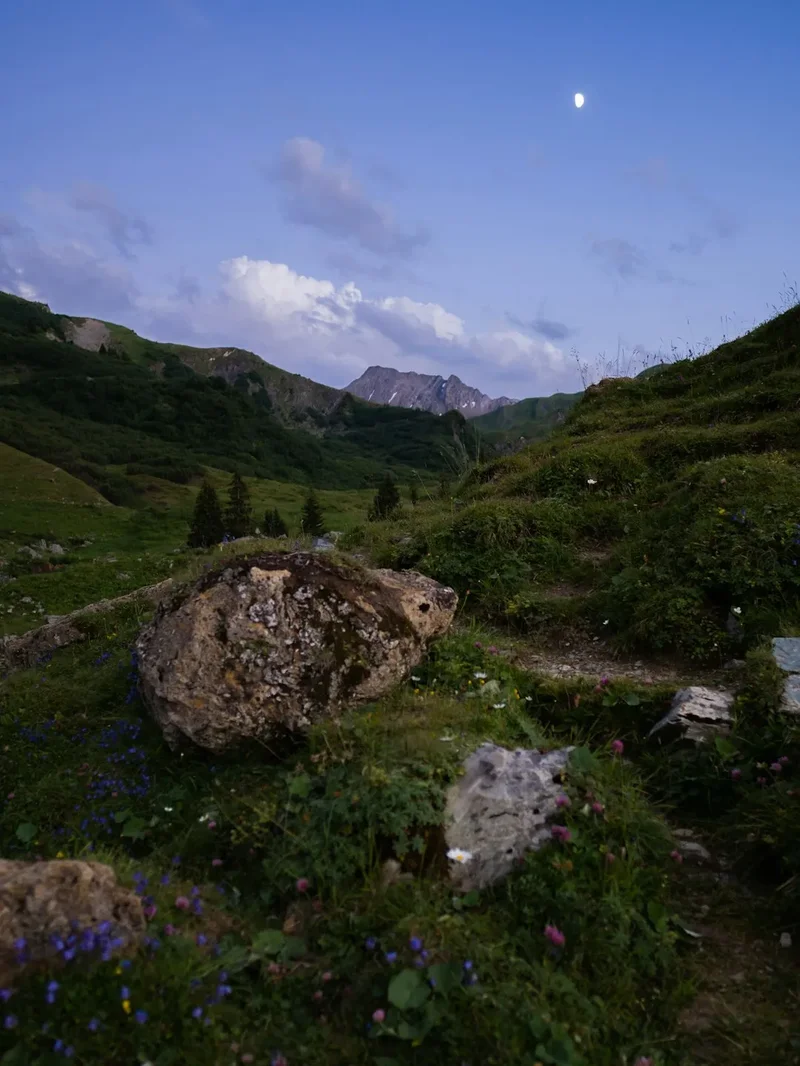
Alpilles Ridge Trail - Provence's Limestone Spine
The Alpilles Ridge Trail is a captivating day walk that traverses the dramatic limestone backbone of the Alpilles mountain range in Provence, France. This route offers a unique blend of rugged natural beauty, ancient history, and panoramic vistas stretching across the Rhône Valley and towards the Mediterranean coast. Unlike the grand alpine treks, the Alpilles present a more intimate, yet equally rewarding, landscape of sun-baked rock, fragrant Mediterranean scrub, and the enduring presence of human history etched into the very stone.
This trail is an excellent choice for those seeking a moderate challenge with significant scenic payoff, accessible from the historic city of Arles. It's a journey through a landscape that has inspired artists and shaped civilizations for millennia, offering a tangible connection to the past and a vibrant immersion in the present-day Provençal environment.
- Distance: 25.0 km
- Elevation Gain: 800 m
- Duration: 1-2 days (recommended as a long day walk or two shorter days)
- Difficulty: Moderate
- Best Time: Spring (April-May) and Autumn (September-October)
- Closest City: Arles
- Trailhead Access: Nearest airport: Marseille Provence (MRS). From Marseille, take a train to Arles, then a bus or taxi to Fontvieille (trailhead). Road conditions good. Driving time from Marseille ~1 hour. Parking available near Fontvieille.
- Permits: No permits required for this day walk.
- Coordinates: 43.7000, 4.8000 (approximate central point)
Overview
The Alpilles Ridge Trail is a linear route that generally follows the crest of the Alpilles massif, a relatively low-lying but geologically striking mountain range composed primarily of limestone. The trail is not a single, officially designated path but rather a combination of marked hiking trails (GR and local paths) and well-trodden tracks that allow for a continuous traverse. The experience is one of walking on a sun-drenched, rocky spine, with dramatic drops and expansive views on either side.
To the north, the landscape unfolds into the fertile Rhône Valley, dotted with vineyards, olive groves, and the occasional picturesque village. To the south, the views extend towards the Camargue wetlands and, on clear days, the distant shimmer of the Mediterranean Sea. The trail winds through garrigue – the characteristic Mediterranean scrubland of wild herbs like rosemary, thyme, and lavender, which release their intoxicating aromas, especially when warmed by the sun. The air is often filled with the buzz of insects and the calls of birds of prey circling overhead.
The moderate difficulty stems from the cumulative elevation gain and the rocky, uneven terrain. While not technically demanding, good footwear and a reasonable level of fitness are essential. The trail passes through or near several significant historical and natural sites, including ancient Roman ruins, medieval villages perched on hilltops, and unique geological formations. The best times to undertake this walk are spring and autumn, when the weather is pleasant, the vegetation is vibrant, and the intense summer heat is absent.
History and Cultural Context
The Alpilles have been inhabited and shaped by humans for millennia. The region's strategic location and abundant resources attracted early settlers, and its limestone cliffs provided natural defence and building materials.
Prehistoric and Ancient Times: Evidence of human activity dates back to the Neolithic period. The area was later settled by the Ligurians and then became a significant territory for the Celto-Ligurian people, notably the powerful Volcae Arecomici tribe. The Romans conquered the region in the 2nd century BC, and the Alpilles became an integral part of Roman Gaul. The most enduring legacy of this period is the magnificent Roman aqueduct and theatre at Glanum, near Saint-Rémy-de-Provence, and the triumphal arch at the same site. The Romans also established settlements and agricultural practices that shaped the landscape for centuries.
Medieval Period: Following the decline of the Roman Empire, the region experienced periods of instability but also saw the rise of fortified villages. Many of the picturesque hilltop villages that dot the Alpilles today, such as Les Baux-de-Provence, have medieval origins, serving as defensive strongholds against various invaders and feudal conflicts. The strategic importance of these elevated positions is evident in their architecture and layout.
Artistic Inspiration: In more recent history, the unique light and landscape of the Alpilles profoundly influenced Vincent van Gogh during his stay in Saint-Rémy-de-Provence (1889-1890). He painted many of his most famous works here, including "Starry Night," "Wheatfield with Cypresses," and numerous depictions of olive groves and the local flora. The rugged beauty and vibrant colours of the Alpilles continue to inspire artists and visitors alike.
The trail itself often follows ancient pathways, shepherd's tracks, and routes used for centuries to connect villages and access quarries. Walking the Alpilles Ridge Trail is, in essence, walking through layers of history, from prehistoric settlements to Roman engineering and medieval fortifications.
Seasonal Highlights and Weather Reality
The Alpilles Ridge Trail is best enjoyed during the shoulder seasons, offering a more comfortable and immersive experience.
Spring (April-May): This is arguably the ideal time to walk the Alpilles. The landscape bursts into vibrant colour with wildflowers carpeting the hillsides. The air is fresh, and the temperatures are mild, perfect for extended walking. The garrigue is at its most fragrant, and the light is soft and beautiful. Days are long enough to complete the walk comfortably. However, spring can also bring unpredictable showers, so waterproofs are advisable.
Summer (June-August): Summers in Provence are notoriously hot, with temperatures frequently exceeding 30°C and often reaching 40°C. While the long daylight hours might seem appealing, walking the exposed ridge under the intense midday sun is extremely challenging and potentially dangerous due to heatstroke risk. If attempting the walk in summer, it must be done very early in the morning or late in the evening, with ample water and sun protection. Many local businesses and attractions may also have reduced hours or close during the hottest parts of the day.
Autumn (September-October): Autumn offers a welcome respite from the summer heat. Temperatures become more moderate, and the landscape takes on a golden hue. The air is often clear, providing excellent visibility for the panoramic views. The garrigue may still retain some fragrance, and the colours of the changing vegetation add to the visual appeal. This is another excellent period for the walk, though occasional rain showers are possible.
Winter (November-March): Winters in the Alpilles are generally mild but can be cool and damp. Frost is possible at higher elevations, and snow is rare but not impossible. The days are shorter, which can limit the time available for a long day walk. While the landscape is less vibrant, the clear, crisp air can offer stunning views, and the absence of crowds is a significant advantage. However, some facilities in nearby villages might have reduced operating hours.
Recommended Itinerary
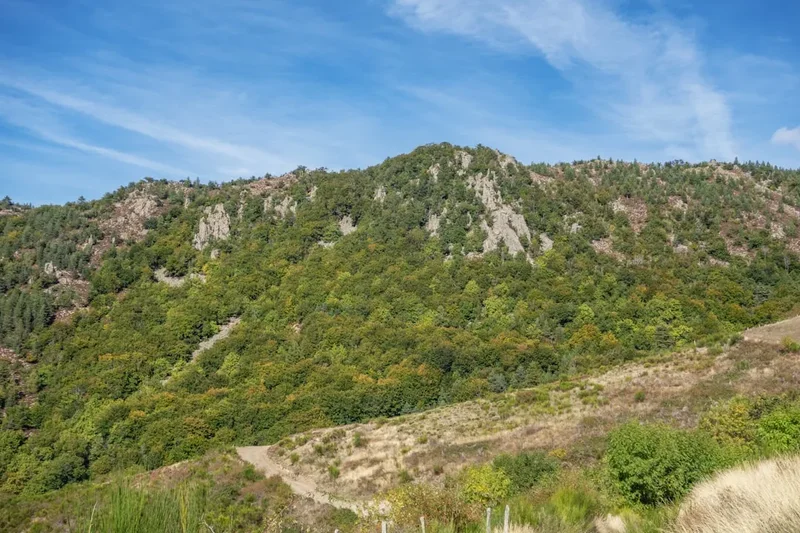
Alpilles Ridge Trail - Day Walk Itinerary
This itinerary assumes a start from Fontvieille and a finish near Eygalières or Saint-Rémy-de-Provence, requiring transport arrangements for the end point. It can be adapted for a linear walk with a shuttle or a two-day option.
Day 1: Fontvieille to Les Baux-de-Provence (or nearby)
- Start: Fontvieille (near the Roman aqueduct and mills)
- End: Area around Les Baux-de-Provence or a suitable point for onward transport.
- Distance: Approximately 10-12 km
- Elevation Gain: Approximately 300-400 m
- Time: 3-4 hours
- Morning: Begin from Fontvieille, exploring the Roman mills and aqueduct remnants. Ascend towards the Alpilles ridge, following marked trails (e.g., GR6). The initial climb can be steep in places.
- Midday: Reach the main ridge. Enjoy panoramic views north towards the Rhône Valley. Navigate along the ridge, passing through characteristic garrigue.
- Afternoon: Continue along the ridge towards the iconic village of Les Baux-de-Provence. Explore the village's medieval citadel and enjoy the spectacular views from its ramparts.
- End of Day 1: Depending on your chosen itinerary (one or two days), you might arrange accommodation in or near Les Baux, or continue a short distance further along the ridge if planning a single, longer day.
Day 2: Les Baux-de-Provence to Eygalières (or finish point)
- Start: Les Baux-de-Provence area
- End: Eygalières or a pre-arranged pick-up point.
- Distance: Approximately 13-15 km
- Elevation Gain: Approximately 400-500 m
- Time: 4-5 hours
- Morning: Depart from Les Baux, continuing along the Alpilles ridge. The terrain remains rocky and undulating.
- Midday: Traverse through varied landscapes, with sections of open scrubland and rocky outcrops. Pass through areas with ancient stone shelters or shepherd's huts.
- Afternoon: The trail gradually descends towards the eastern end of the Alpilles. Aim for the charming village of Eygalières, known for its hilltop castle ruins and stunning views.
- Finish: Arrive in Eygalières for transport back to Arles or your accommodation.
Alternative Single Day Walk:
- Start: Fontvieille
- End: Eygalières (requires pre-arranged transport or a taxi from Eygalières back to Fontvieille/Arles)
- Distance: Approximately 25 km
- Elevation Gain: Approximately 800 m
- Time: 7-9 hours (depending on pace and stops)
- This option requires an early start and a good level of fitness. Ensure you have sufficient water and food, and check daylight hours.
Important Notes:
- This is a linear walk; transport logistics at the end point are crucial.
- Water sources are scarce; carry all necessary water.
- The trail is marked with a combination of GR (red and white) and local trail markers. However, always carry a map and compass/GPS.
- Sun protection is paramount, especially during warmer months.
- Footwear: Sturdy hiking boots are essential due to the rocky terrain.
Planning and Bookings
Book Your Trip
Everything you need to plan your journey
Accommodation
Find places to stay near Arles
Flights
Search flights to Arles
Essential Preparation
The Alpilles Ridge Trail is a day walk, but its length and elevation gain necessitate careful planning. The primary logistical challenge is arranging transport to the start point (Fontvieille) and from the end point (e.g., Eygalières or another village along the route). Given it's a linear walk, a shuttle service or a pre-arranged taxi is highly recommended. If undertaking it as a single 25 km day, ensure your transport is booked for your estimated finish time, allowing for potential delays.
Base Town: Arles is the closest major city and offers a wide range of accommodation, from budget hotels to charming guesthouses. It's a historic city with Roman ruins and a vibrant atmosphere, making it an excellent base for exploring the region. Other smaller towns like Saint-Rémy-de-Provence or Fontvieille itself offer more local charm and closer proximity to the trail.
Fitness: A moderate level of fitness is required. The 800 metres of elevation gain, spread over 25 km, means sustained uphill and downhill sections on uneven terrain. Regular walking, hiking, or similar activities will prepare you well. If planning the two-day option, the physical demand is spread out, allowing for more leisurely exploration of villages.
Trail Accommodation
This is a day hike requiring no overnight accommodation on the trail itself. However, if you choose to split the walk into two days, or wish to stay in the vicinity of the trail, the following options are available:
Accommodation near the Trail:
- Fontvieille: Offers a few hotels and gîtes (holiday rentals).
- Les Baux-de-Provence: A stunning medieval village with boutique hotels and charming guesthouses, though often more expensive.
- Eygalières: A picturesque hilltop village with gîtes and some small hotels.
- Saint-Rémy-de-Provence: A larger town with a wider selection of hotels, B&Bs, and apartments, offering more amenities and dining options.
- Arles: The main base city, providing the most extensive range of accommodation types.
Booking Requirements: Accommodation in popular Provençal villages can book up, especially during peak season (summer and early autumn). It is advisable to book in advance, particularly if travelling during these times.
Required Gear
- Hiking Boots: Sturdy, broken-in hiking boots with good ankle support are essential. The terrain is rocky and uneven, and good grip is vital.
- Waterproof Jacket: Lightweight and breathable, suitable for potential spring or autumn showers.
- Backpack: A comfortable daypack (20-30 litres) to carry essentials.
- Navigation Tools: A detailed map of the Alpilles, a compass, and/or a GPS device or smartphone with offline maps. Trail markings can be inconsistent in places.
- Head Torch: With spare batteries, in case of unexpected delays or if starting very early/finishing late.
- First Aid Kit: Including blister treatment, antiseptic wipes, bandages, pain relievers, and any personal medications.
- Sun Protection: High SPF sunscreen, a wide-brimmed hat, and sunglasses are non-negotiable due to the exposed nature of the trail.
What to Bring
- Food: Plenty of high-energy snacks (nuts, dried fruit, energy bars) and a substantial packed lunch. There are very few, if any, reliable water sources or places to buy food along the ridge itself.
- Water: Carry at least 2-3 litres of water per person. Hydration is critical, especially in warmer months. Consider a water filter or purification tablets as a backup, though finding water sources is unlikely on the ridge.
- Toiletries: Hand sanitiser, biodegradable wet wipes, and any personal hygiene items.
- Trekking Poles: Highly recommended for stability on descents and ascents, and to reduce strain on knees.
- Insect Repellent: While not as notorious as Fiordland, biting insects can be present, especially in spring and near vegetation.
- Camera: The views are spectacular and worth capturing.
- Mobile Phone: For emergencies, though signal can be intermittent. Ensure it's fully charged.
Permits
No specific permits are required to walk the Alpilles Ridge Trail. The paths are generally public rights of way or marked hiking routes within a natural park area. Access is free and open to the public.
However, it is always advisable to check for any local restrictions or temporary closures that might be in place due to fire risk (especially in summer) or maintenance work. Information can usually be found at local tourist offices or on regional park websites.
Important Considerations:
- Fire Risk: During dry periods, particularly in summer, the risk of wildfires is high. Open fires are strictly prohibited, and access to certain areas may be restricted. Always be aware of local fire regulations.
- Respect Private Property: While the main trails are public, ensure you stay on marked paths and respect any private land boundaries.
- National Park Regulations: The Alpilles are a protected natural area. Familiarise yourself with general park regulations regarding waste disposal, noise, and wildlife.
Other Activities in the Area
The Alpilles region offers a wealth of activities beyond the ridge walk:
- Explore Roman Glanum: Visit the remarkably preserved Roman city and its archaeological museum near Saint-Rémy-de-Provence.
- Discover Les Baux-de-Provence: Wander through the medieval streets of this stunning hilltop village, explore its castle ruins, and visit the Carrières de Lumières (a unique multimedia art exhibition in former quarries).
- Visit Saint-Rémy-de-Provence: Explore this charming Provençal town, known for its art galleries, markets, and its connection to Vincent van Gogh. Visit the Saint-Paul de Mausole asylum where he stayed.
- Wine Tasting: The Rhône Valley surrounding the Alpilles is a renowned wine-producing region. Visit local vineyards for tastings of Côtes du Rhône wines.
- Olive Oil Mills: The Alpilles are famous for their olive oil. Visit local mills (moulins) to learn about production and sample the local produce.
- Markets: Experience the vibrant Provençal market culture in towns like Arles, Saint-Rémy, and Eygalières, offering local produce, crafts, and textiles.
- Camargue National Park: Explore the unique wetlands south of the Alpilles, known for its wild horses, flamingos, and bulls.
- Arles: Discover its Roman amphitheatre, theatre, and the Fondation Vincent van Gogh Arles.
Safety and Conditions
Pre-Departure Checks:
- Weather Forecast: Always check the local weather forecast for the Alpilles region before setting out. Pay close attention to temperature, wind, and any chance of rain or thunderstorms. Metéo-France is a reliable source.
- Fire Risk: In dry periods, check the local fire risk level. If it is high, be extra cautious and avoid any activities that could spark a fire.
- Trail Conditions: While generally well-maintained, sections can be rough. Be aware of loose scree and uneven surfaces.
Heat and Sun Exposure: This is the most significant hazard. The Alpilles are exposed and can get extremely hot, especially from June to September.
- Hydration: Carry more water than you think you'll need. Dehydration can set in quickly.
- Sun Protection: Wear a hat, sunglasses, and high SPF sunscreen. Apply regularly.
- Timing: Start as early as possible, ideally before sunrise, and aim to finish before the midday heat. If walking in summer, consider splitting the walk over two days with an early morning start and late afternoon finish, or avoid the hottest hours altogether.
- Shelter: While there is some scrubland, large sections of the ridge offer little shade.
Terrain: The trail is rocky and uneven.
- Footwear: Sturdy hiking boots are essential to prevent ankle injuries and provide grip.
- Trekking Poles: Highly recommended for stability, especially on descents.
- Loose Rock: Be mindful of loose stones and scree, particularly on steeper sections.
Navigation: While marked, trail markers can sometimes be faded or absent.
- Map and Compass/GPS: Always carry reliable navigation tools and know how to use them.
- Stay on Marked Trails: Avoid venturing off-path, as the terrain can be treacherous and you risk getting lost.
Communication: Mobile phone signal can be intermittent along the ridge.
- Emergency Contacts: Save local emergency numbers (112 is the European emergency number) on your phone.
- Inform Someone: Let someone know your planned route and expected return time.
Wildlife: While generally not dangerous, be aware of snakes (vipers are present but shy), scorpions, and insects.
Side Trips and Points of Interest
Roman Mills of Barbegal: Located near Fontvieille, these are the remains of one of the largest and most sophisticated industrial complexes of the Roman world – a series of water-powered mills used for grinding grain. A fascinating glimpse into Roman engineering.
Château des Baux: The dramatic medieval fortress perched above Les Baux-de-Provence. Exploring its ramparts and ruins offers incredible views and a deep dive into the region's feudal past. The village itself is a living museum.
Carrières de Lumières: Adjacent to Les Baux, this is an immersive art experience where famous artworks are projected onto the walls and ceilings of a vast former quarry. A unique and unforgettable cultural stop.
Glanum Archaeological Site: Near Saint-Rémy-de-Provence, this ancient site was inhabited from the Neolithic period through to Roman times. The well-preserved ruins include a Roman city, a Hellenistic sanctuary, and a triumphal arch.
Saint-Paul de Mausole: The asylum in Saint-Rémy-de-Provence where Vincent van Gogh voluntarily committed himself. Visitors can see his former room and learn about his time there, with reproductions of his paintings displayed.
Eygalières Castle Ruins: At the eastern end of the Alpilles, the ruins of the medieval castle offer panoramic views and a sense of the strategic importance of these hilltop locations.
Garrigue Vegetation: The trail passes through extensive areas of garrigue, the characteristic Mediterranean scrubland. Take time to appreciate the diverse flora, including wild rosemary, thyme, lavender, cistus, and various aromatic herbs. The scent of these plants, especially when warmed by the sun, is a defining feature of the walk.
Leave No Trace
The Alpilles are a precious natural and cultural landscape, enjoyed by locals and visitors alike. Practising Leave No Trace principles ensures its preservation for future generations.
- Pack It In, Pack It Out: Carry out all litter, including food scraps, wrappers, and any other waste. Do not bury or burn rubbish.
- Stay on Marked Trails: Stick to designated paths to prevent erosion and protect fragile vegetation. The garrigue, though seemingly robust, can be easily damaged.
- Respect Wildlife: Observe animals from a distance and never feed them. Avoid disturbing nesting birds or other wildlife.
- Dispose of Waste Properly: Use toilet facilities in villages or designated areas. If caught short in the wild, dig a cathole at least 70 metres away from water sources, trails, and campsites, and bury human waste and toilet paper.
- Leave What You Find: Do not take rocks, plants, or historical artefacts. Appreciate the natural and historical environment without altering it.
- Minimise Campfire Impacts: Campfires are generally prohibited in this region, especially during dry seasons. If permitted in specific designated areas (unlikely on this ridge walk), use existing fire rings and ensure fires are completely extinguished.
- Be Considerate of Others: Keep noise levels down, especially in natural areas and villages. Respect the peace and tranquility of the landscape.
By following these principles, you help maintain the beauty and ecological integrity of the Alpilles for everyone to enjoy.
 France