
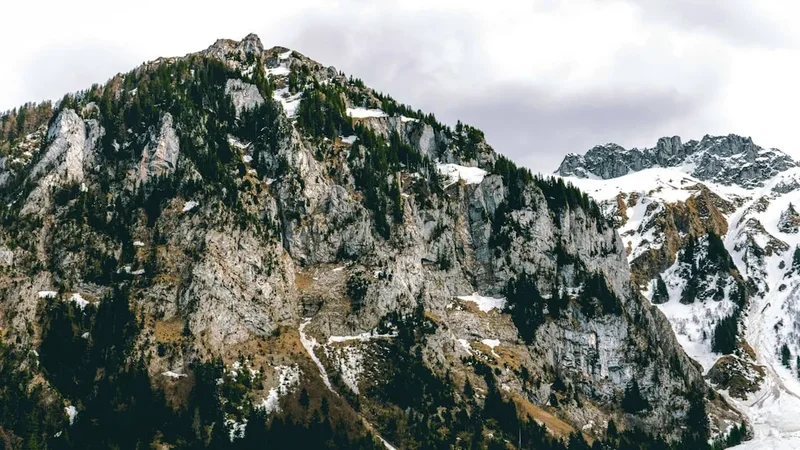
Allevard Ridge Walk - A French Alpine Traverse
The Allevard Ridge Walk is a spectacular mountain traverse in the French Alps, offering a challenging yet immensely rewarding multi-day hiking experience. This route winds through dramatic alpine landscapes, past rugged peaks, and alongside pristine mountain lakes, providing breathtaking vistas and a true sense of wilderness immersion. It is a journey that tests endurance and rewards with unparalleled natural beauty, making it a must-do for experienced hikers seeking an authentic alpine adventure.
- Distance: 45.0 km one-way
- Duration: 2-3 days
- Season: July to September (summer months)
- Difficulty: Challenging
- Highest point: Approximately 2,500 m
- Accommodation: Mountain refuges and bivouac options
- Direction: Typically traversed from west to east, but can be done in reverse
Overview
The Allevard Ridge Walk is a demanding but exhilarating trek that showcases the raw beauty of the French Alps. This route is not for the faint-hearted; it involves significant elevation gain and loss, often on steep and rocky terrain. The trail navigates high mountain ridges, offering panoramic views that stretch across vast mountain ranges, verdant valleys, and sparkling alpine lakes. Each day presents a new challenge and a fresh perspective on the alpine environment.
The walk typically begins in a lower valley, gradually ascending through alpine meadows dotted with wildflowers in summer, before reaching the higher, more exposed ridges. Here, the landscape transforms into a rugged, rocky terrain where hardy alpine flora clings to life. The air is crisp and clean, and the silence is broken only by the wind and the distant calls of marmots or birds of prey. The sense of remoteness and wildness is profound, offering a genuine escape from the hustle and bustle of everyday life.
The Allevard Ridge Walk is best undertaken during the summer months when snow has receded from the higher passes and refuges are typically open. The weather in the Alps can be unpredictable, even in summer, so hikers must be prepared for all conditions, including sudden storms, strong winds, and significant temperature drops. This trail demands a good level of fitness, sure-footedness, and experience in mountain environments.
History and Cultural Context
The Allevard region, nestled in the heart of the French Alps, has a rich history intertwined with mountain life, agriculture, and early mountaineering. For centuries, local communities have relied on the mountains for pasture, timber, and as routes for trade and travel. The trails that now form the Allevard Ridge Walk were often ancient shepherd paths or routes used by hunters and local inhabitants to traverse the high country.
The development of mountaineering and hiking as recreational pursuits in the late 19th and early 20th centuries saw these rugged landscapes become destinations for exploration. Early pioneers and adventurers were drawn to the dramatic peaks and challenging terrain, establishing routes and, in some cases, the first mountain refuges. These structures, often basic stone buildings, provided essential shelter for those venturing into the high Alps.
The Allevard Ridge Walk, as a defined multi-day route, has evolved over time, with trail maintenance and the establishment of more formal refuges enhancing its accessibility for hikers. While the region may not have the same historical narrative as some of the more famous Alpine traverses, its history is deeply rooted in the human interaction with a powerful and beautiful mountain environment. The legacy of those who first navigated these ridges and valleys continues to inspire those who walk them today.
Seasonal Highlights and Weather Reality
The Allevard Ridge Walk is a summer-season trek, with the optimal window for hiking generally running from July to September. During these months, the snow typically melts from the higher passes, making the trails passable and the mountain refuges operational.
July: The start of the summer season often brings vibrant alpine meadows bursting with wildflowers. The days are long, providing ample daylight for hiking. However, early July can still see lingering snow patches at higher elevations, and the weather can be more unsettled, with a higher chance of thunderstorms. Temperatures are generally mild but can drop significantly at night.
August: This is often considered the peak of the summer season. The weather is generally more stable, though afternoon thunderstorms remain a possibility. The alpine flora is in full bloom, and wildlife, such as marmots and chamois, are often more active. August is also the busiest month for mountain refuges, so booking accommodation well in advance is crucial.
September: As autumn approaches, the landscape begins to change. The vibrant greens of summer give way to the golden hues of autumn, creating a different kind of beauty. The air becomes crisper, and the days start to shorten. While the weather can be excellent in September, there is an increased risk of early snowfalls, particularly towards the end of the month. The crowds also begin to thin out, offering a more tranquil experience.
Weather Reality: It is imperative to understand that alpine weather is notoriously unpredictable. Even in the height of summer, conditions can change rapidly. Hikers must be prepared for sun, rain, strong winds, and potentially even snow, regardless of the season. Hypothermia is a risk, even on warm days, if one becomes wet and exposed to wind. Always check the mountain forecast before setting out and be prepared to alter your plans if conditions deteriorate.
Recommended Itinerary
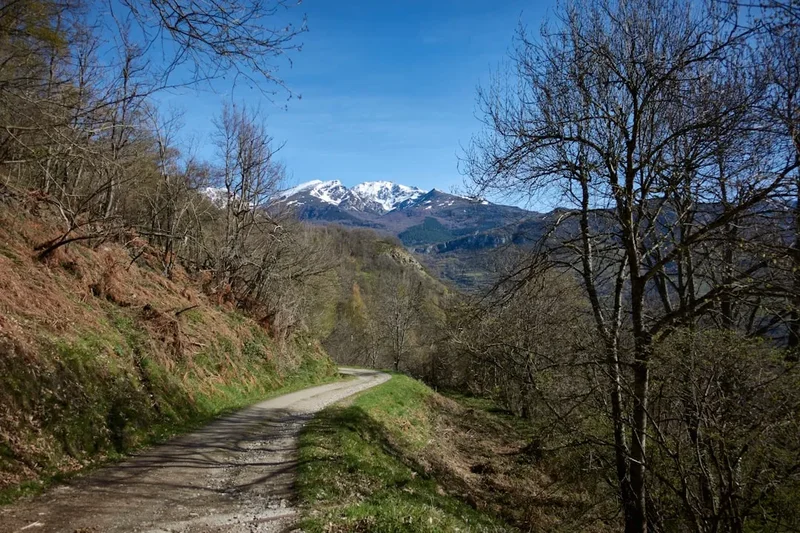
2-Day Allevard Ridge Walk Itinerary
Day 1: Access Point to Refuge A
- Distance: 15 km
- Elevation gain: 1,200 m
- Time: 6–7 hours
- Start from a designated access point (e.g., a village or parking area near the start of the trail)
- Ascend through forests and alpine meadows
- The trail becomes steeper and more exposed as you gain altitude
- Pass by smaller streams and potentially some seasonal snowfields early in the season
- Arrive at Refuge A, a mountain hut offering basic accommodation and meals
- Enjoy panoramic views of the surrounding valleys and peaks
- Settle in, prepare for the next day's challenging ridge traverse
Day 2: Refuge A to Exit Point via Ridge Traverse
- Distance: 30 km
- Elevation gain: 1,300 m
- Elevation loss: 1,500 m
- Time: 8–10 hours
- Begin with an early start to maximise daylight and potentially avoid afternoon thunderstorms
- Ascend to the main ridge line, which forms the backbone of the Allevard Ridge Walk
- Traverse the ridge, navigating rocky sections, scree slopes, and exposed paths
- Experience breathtaking 360-degree views of the Alps
- Pass several smaller summits and cols
- Descend from the ridge towards a designated exit point or village
- The descent can be steep and demanding on the knees
- Arrive at your final destination, concluding the Allevard Ridge Walk
3-Day Allevard Ridge Walk Itinerary (More Relaxed Pace)
Day 1: Access Point to Refuge B
- Distance: 12 km
- Elevation gain: 900 m
- Time: 4–5 hours
- A gentler start, allowing for acclimatisation and enjoyment of the lower alpine scenery
- Ascend through forests and open pastures
- Arrive at Refuge B, a comfortable mountain hut with good facilities
- Spend the afternoon exploring the surroundings or resting
Day 2: Refuge B to Refuge A via Intermediate Peaks
- Distance: 18 km
- Elevation gain: 1,000 m
- Elevation loss: 800 m
- Time: 6–7 hours
- A moderate day of ridge walking, connecting to the main Allevard Ridge
- Enjoy stunning views and potentially explore a minor summit or two
- Arrive at Refuge A, preparing for the most challenging day tomorrow
Day 3: Refuge A to Exit Point via Ridge Traverse
- Distance: 15 km
- Elevation gain: 500 m
- Elevation loss: 700 m
- Time: 5–6 hours
- A shorter but still challenging day focusing on the most dramatic sections of the ridge
- Descend towards the exit point, reflecting on the incredible journey
Important Notes:
- Itinerary is a suggestion and can be adapted based on fitness, weather, and available accommodation.
- Refuge booking is essential, especially during peak season (July-August).
- Always check weather forecasts and trail conditions before and during your hike.
- Carry sufficient water or a reliable water filter, as water sources can be scarce at higher altitudes.
- Be prepared for steep ascents and descents, and rocky, uneven terrain.
Planning and Bookings
Book Your Trip
Everything you need to plan your journey
Accommodation
Find places to stay near Grenoble
Flights
Search flights to Grenoble
Essential Preparation
The Allevard Ridge Walk is a serious undertaking that requires thorough preparation. Before embarking on this trek, it is crucial to assess your fitness level. This route involves sustained ascents and descents, often on challenging terrain, so a good level of cardiovascular fitness and leg strength is essential. Training hikes that simulate the elevation gain and duration of the planned days are highly recommended.
Logistics are key. Determine your starting and ending points, and arrange transportation accordingly. This might involve driving to a trailhead and arranging a pick-up at the end, or utilising local bus services where available. Research the nearest towns or villages that can serve as a base for your trip. Allevard itself is a good starting point, offering amenities such as accommodation, restaurants, and outdoor gear shops. Other nearby villages might also provide convenient access to the trailheads.
Coordination of accommodation is paramount. Mountain refuges (refuges de montagne) are the primary accommodation options along the Allevard Ridge Walk. These are typically basic but comfortable shelters offering dormitory-style sleeping, and often meals. Booking well in advance, especially for July and August, is absolutely essential as they have limited capacity and are very popular.
Trail Accommodation
Accommodation along the Allevard Ridge Walk primarily consists of mountain refuges (refuges de montagne). These are managed by local alpine clubs or private operators and provide essential shelter for hikers traversing the high mountain routes.
Refuge Facilities:
- Dormitory-style sleeping with bunk beds and mattresses.
- Blankets are usually provided, but a sleeping bag liner is often required or recommended for hygiene.
- Communal dining areas where meals are served.
- Basic toilet facilities (often composting or pit toilets).
- Access to running water, though it may be from a spring and treatment is recommended.
- Some refuges offer hot meals and drinks, but this varies.
What's NOT Provided:
- Private rooms are rare; expect shared dormitory accommodation.
- Pillows and bed linen are not typically provided; a sleeping bag liner is essential.
- Cooking facilities for personal use are usually not available.
- Electricity for charging devices is often limited or non-existent.
- Showers are uncommon in higher, more remote refuges.
Seasonal Availability: Refuges are generally open from June/July to September/October, depending on the specific refuge and snow conditions. It is vital to confirm opening dates and times for the year you plan to hike.
Costs: Prices vary, but expect to pay approximately €40-€70 per person per night for a dormitory bed, often including a simple breakfast. Evening meals are usually an additional charge (€15-€25). Booking is mandatory.
Bivouac Options: In some areas, wild camping (bivouacking) may be permitted at higher altitudes, away from refuges and sensitive ecological zones. However, regulations vary, and it is essential to check local rules and practice Leave No Trace principles rigorously if choosing this option. It is generally recommended to use the designated refuges for safety and convenience.
Required Gear
- Sturdy hiking boots: Waterproof, with good ankle support and a well-worn sole for grip on rocky and uneven terrain.
- Waterproof and windproof jacket: Essential for protection against sudden alpine weather changes. Gore-Tex or similar breathable material is recommended.
- Waterproof overtrousers: Full-length zips are useful for easy on/off over boots.
- Warm layers: A fleece jacket or insulated jacket (down or synthetic) is crucial for cooler temperatures, especially at higher altitudes and in the evenings.
- Base layers: Moisture-wicking tops and bottoms (merino wool or synthetic) to manage sweat and regulate body temperature.
- Hiking trousers: Durable, quick-drying trousers.
- Hat: A warm hat (beanie) for cold weather and a sun hat for protection from the strong alpine sun.
- Gloves: Warm gloves, even in summer, as temperatures can drop significantly.
- Backpack: A comfortable, well-fitting backpack of 40-60 litres capacity, with a rain cover.
- Head torch: With spare batteries, essential for navigating refuges in the dark or for early morning starts.
- First-aid kit: Comprehensive kit including blister treatment, pain relievers, antiseptic wipes, bandages, and any personal medications.
- Navigation tools: Map of the area, compass, and a GPS device or smartphone with offline maps. Knowledge of how to use them is vital.
- Sunscreen: High SPF sunscreen, as the sun is intense at altitude.
- Sunglasses: To protect eyes from glare, especially on snow or rock.
What to Bring
- Food: While refuges offer meals, it's wise to carry high-energy snacks (nuts, dried fruit, energy bars) for during the day's hike. Some hikers prefer to carry all their own food if not planning to eat at refuges.
- Water bottles or hydration reservoir: Capacity for at least 2 litres per person.
- Water purification method: A filter or purification tablets are recommended, as not all water sources are guaranteed safe.
- Sleeping bag liner: Essential for hygiene in refuge dormitories.
- Toiletries: Biodegradable soap, toothbrush, toothpaste, small towel, toilet paper.
- Personal items: Camera, power bank for electronics, book or journal for downtime.
- Trekking poles: Highly recommended for stability on ascents and descents, and to reduce strain on knees.
- Cash: Many refuges do not accept credit cards, so carry sufficient Euros for accommodation, meals, and any incidentals.
- Small backpack or daypack: For carrying essentials if you opt for a shorter day hike from a refuge.
Permits
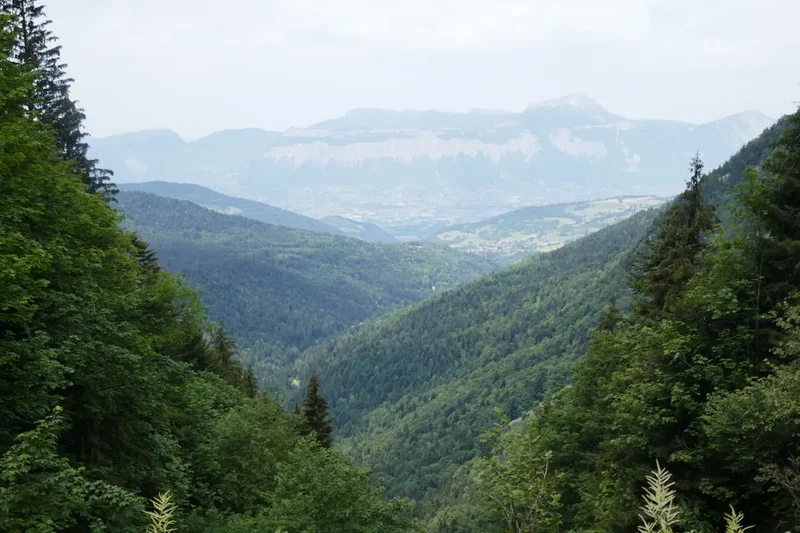
For the Allevard Ridge Walk, specific permits are generally not required for hiking the trails themselves. The routes are typically part of public land access in the French Alps. However, this does not mean there are no regulations or booking requirements.
Refuge Bookings: The most critical aspect of "permitting" for this trek is securing accommodation in the mountain refuges. These refuges have limited capacity and are extremely popular, especially during the peak summer months of July and August. It is imperative to book your stays at each refuge well in advance, often several months ahead of your planned hiking dates. Failure to book can mean being turned away, which could force a significant change in your itinerary or even necessitate abandoning the trek.
Booking Process:
- Identify Refuges: Determine which refuges you will use based on your chosen itinerary.
- Contact Refuges Directly: Most refuges have their own websites or can be contacted via telephone or email. Some may use online booking platforms managed by local alpine clubs or tourism offices.
- Provide Details: You will typically need to provide your name, the number of people in your party, your desired dates of stay, and whether you require dinner and breakfast.
- Payment: A deposit may be required, and full payment is usually expected upon arrival or departure. Be prepared to pay in Euros, as credit card facilities are not always available.
Wild Camping (Bivouacking): In France, wild camping is generally restricted, especially in protected natural parks and within a certain distance of mountain refuges. While some exceptions may exist for bivouacking at high altitudes for a single night, it is crucial to research and adhere to local regulations. Always practice Leave No Trace principles if you choose to bivouac, ensuring you leave no trace of your presence.
National Park Regulations: Depending on the specific area the Allevard Ridge Walk traverses, it may pass through national or regional parks. These areas often have specific rules regarding waste disposal, fire-making, and behaviour. Familiarise yourself with any such regulations before your trip.
Other Activities in the Area
The region surrounding the Allevard Ridge Walk offers a wealth of activities for those looking to extend their stay or explore beyond the hiking trails:
- Via Ferrata: Several locations in the French Alps offer "Via Ferrata" routes – protected climbing paths equipped with steel cables, rungs, and ladders. These provide an exhilarating way to experience vertical terrain without requiring advanced climbing skills.
- Rock Climbing: The Alps are a world-renowned destination for rock climbing, with routes catering to all skill levels, from beginner crags to challenging multi-pitch ascents.
- Mountain Biking: Many valleys and lower slopes are crisscrossed with dedicated mountain biking trails, offering a different perspective on the alpine landscape.
- Paragliding: For the truly adventurous, tandem paragliding flights offer breathtaking aerial views of the mountain ranges and valleys.
- Canyoning: Explore narrow gorges and waterfalls by rappelling, jumping, and swimming through natural water slides.
- Visiting Local Villages: Explore charming alpine villages like Allevard, known for its thermal spa, or discover smaller hamlets with traditional architecture, local markets, and regional cuisine.
- Lake Activities: If your route passes near any alpine lakes, activities such as swimming, fishing, or simply enjoying the scenery can be a welcome respite.
- Scenic Drives: The mountain roads themselves offer spectacular views and access to viewpoints and points of interest that may not be reachable on foot.
Safety and Conditions
Pre-Trip Checks:
- Weather Forecasts: Always check the most up-to-date mountain weather forecast from reliable sources (e.g., Météo-France) before and during your hike. Be prepared for rapid changes.
- Trail Conditions: Inquire at local tourist offices or with refuge wardens about current trail conditions, especially regarding snow, rockfall, or any closures.
- Route Familiarisation: Study your maps and route in detail. Understand the terrain, potential hazards, and escape routes.
On the Trail:
- Altitude Sickness: Be aware of the symptoms of altitude sickness (headache, nausea, dizziness). Ascend gradually, stay hydrated, and descend if symptoms worsen.
- Hypothermia: Even in summer, temperatures can drop significantly, especially with wind and rain. Carry adequate warm layers and waterproofs, and know how to recognise and treat hypothermia.
- Falls and Injuries: The terrain can be steep and slippery. Wear appropriate footwear, use trekking poles for stability, and move cautiously, especially on descents and exposed sections. Carry a well-stocked first-aid kit and know how to use it.
- Navigation: Do not rely solely on electronic devices. Carry a physical map and compass and know how to use them. Mobile phone reception can be unreliable in mountainous areas.
- Water Sources: While streams are common, treat all water before drinking to avoid waterborne illnesses.
- Wildlife: Be aware of local wildlife. Marmots are common, and you might encounter chamois or ibex. Keep a safe distance and do not feed them.
- Emergency Contacts: Know the emergency number for the region (112 in Europe). Consider carrying a personal locator beacon (PLB) for remote areas with no mobile signal.
Refuge Safety: Follow the instructions of refuge wardens. Be mindful of noise levels, especially during sleeping hours. Ensure you have adequate lighting if moving around the refuge at night.
Travel Insurance: It is highly recommended to have travel insurance that covers mountain activities, including potential search and rescue operations.
Side Trips and Points of Interest
Summit Ascents: Numerous smaller peaks and summits are accessible from the main Allevard Ridge. These often involve short but steep detours from the main trail and offer even more expansive panoramic views. Examples might include a prominent peak visible from the ridge, offering a challenging but rewarding climb.
Alpine Lakes: The Allevard region is dotted with beautiful alpine lakes (lacs d'altitude). Some may be directly on the route, while others require short excursions. These pristine bodies of water, often reflecting the surrounding mountains, are perfect spots for a rest, a picnic, or photography.
Glacial Features: Depending on the specific route and altitude, you may encounter evidence of past glaciation, such as U-shaped valleys, moraines, and cirques. These geological features offer a glimpse into the powerful forces that shaped the Alps.
Panoramic Viewpoints: The ridge itself is a continuous series of viewpoints. However, specific col (mountain pass) or saddle points often offer particularly striking vistas, providing opportunities to survey the vastness of the mountain landscape stretching out before you.
Local Flora and Fauna: Keep an eye out for the unique alpine flora that thrives in this environment, from colourful wildflowers in summer to hardy mosses and lichens. Wildlife such as marmots, chamois, and various bird species are also commonly sighted.
Leave No Trace
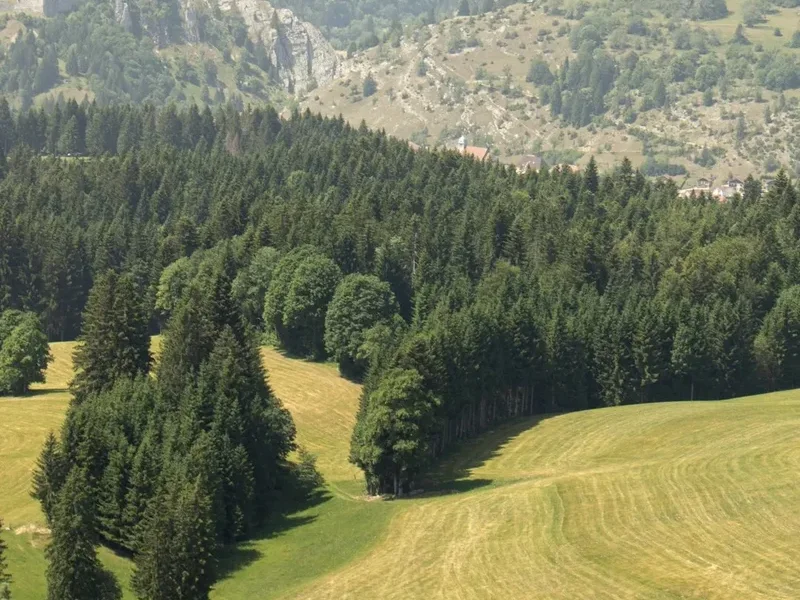
The Allevard Ridge Walk traverses a fragile alpine environment. Adhering to Leave No Trace principles is crucial to preserving its beauty and ecological integrity for future generations. These principles are not just guidelines; they are essential for responsible mountain travel.
Plan Ahead and Prepare: Research your route, understand the terrain, and be aware of local regulations. Pack appropriately for the conditions to avoid unnecessary impact. Book refuges in advance to prevent overcrowding.
Travel and Camp on Durable Surfaces: Stick to marked trails to avoid damaging vegetation. If bivouacking, choose established sites or durable surfaces like rock or gravel, well away from water sources and sensitive plant life.
Dispose of Waste Properly: Pack out everything you pack in, including all food scraps, wrappers, and toilet paper. Use designated toilet facilities in refuges. If wild camping, bury human waste at least 15 cm deep and 60 m (60 metres) away from water, camp, and trails, and then disguise the cathole.
Leave What You Find: Do not disturb or remove natural objects, plants, or cultural artifacts. Take only photographs and memories.
Minimise Campfire Impacts: Campfires are generally prohibited in alpine environments and near refuges. Use a lightweight stove for cooking.
Respect Wildlife: Observe wildlife from a distance. Never feed animals, as this can disrupt their natural behaviours and diets, and can be harmful to their health.
Be Considerate of Other Visitors: Keep noise levels down, yield to others on the trail, and maintain a respectful attitude towards fellow hikers and refuge staff.
 France