
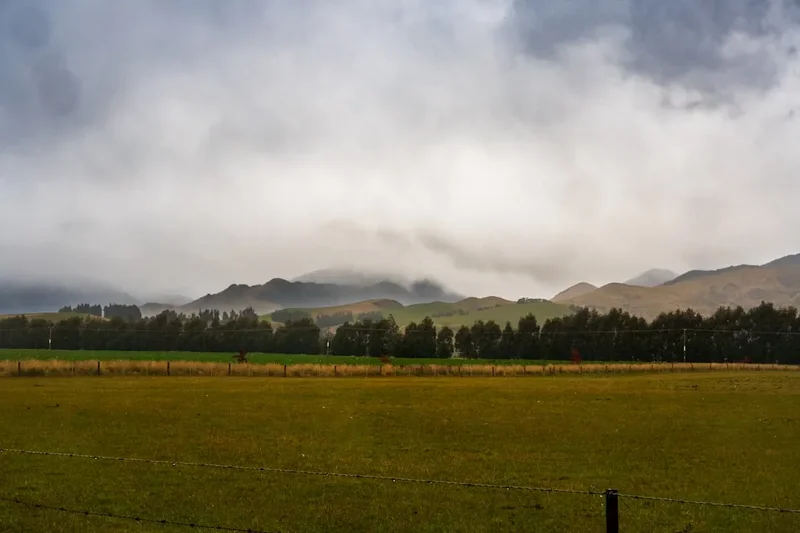
Alex Knob Track - A Challenging Day Hike Above Lake Kaniere
The Alex Knob Track is a demanding day walk located in the West Coast region of New Zealand's South Island. This challenging route ascends steeply through native forest to a prominent knob offering spectacular panoramic views over Lake Kaniere and the surrounding rugged terrain. It's a test of endurance and a rewarding experience for those seeking a significant physical challenge and breathtaking vistas without the commitment of an overnight trek.
- Distance: 17.2 km return
- Duration: 6-8 hours
- Season: November to April (best weather window)
- Elevation Gain: 1100 m
- Difficulty: Challenging
- Closest City: Hokitika
- Trailhead Access: Lake Kaniere Road end
Overview
The Alex Knob Track is a true West Coast adventure, renowned for its relentless climb and the immense reward at its summit. Starting from the shores of the picturesque Lake Kaniere, the track immediately plunges into dense, temperate rainforest. The initial stages are a gentle introduction, but this quickly gives way to a sustained and often steep ascent. Hikers will traverse through a variety of forest types, from lush fern-filled gullies to more mature beech forest, all while gaining significant elevation.
The trail is well-formed but can be rough and muddy, especially after rain, which is frequent in this region. The 1100 metres of elevation gain are concentrated over a relatively short distance, making it a strenuous workout for the legs and lungs. The forest canopy provides shade for much of the journey, but occasional clearings offer glimpses of the surrounding mountains and the expansive Lake Kaniere below, serving as a constant reminder of the progress made.
The true highlight of the Alex Knob Track is the summit. Reaching the top of Alex Knob (often referred to as "The Knob") provides an unparalleled 360-degree vista. Lake Kaniere stretches out below, a shimmering expanse of blue, framed by the dramatic peaks of the Southern Alps. On a clear day, views extend to the Tasman Sea and the rugged West Coast coastline. The sense of accomplishment after completing such a demanding climb is immense, making the panoramic views all the more satisfying. This track is best suited for experienced day hikers with a good level of fitness and a desire for a challenging ascent with a spectacular payoff.
History and Cultural Context
The West Coast of New Zealand, including the area around Lake Kaniere, has a rich history deeply intertwined with Māori exploration and European settlement. For Māori, particularly the Ngāti Waewae hapū of Ngāi Tahu, this region was a vital area for resources, including pounamu (greenstone), and a pathway for travel. The dense forests and rugged terrain presented significant challenges, and routes were often dictated by river valleys and natural passes.
European settlement in the late 19th century was driven by the discovery of gold and, later, by the timber industry. Lake Kaniere itself was a significant transport route, with early settlers using boats to access the surrounding forests for milling. The development of tracks like the Alex Knob Track would have been part of the infrastructure built to access these resources or for recreational purposes as the area became more accessible.
The specific history of the Alex Knob Track's development as a hiking trail is less documented than some of New Zealand's more famous Great Walks. However, its existence points to a long-standing appreciation for the area's natural beauty and the desire to explore its elevated viewpoints. The track's challenging nature suggests it was likely carved out by individuals or groups seeking a strenuous ascent to a prominent vantage point, a common practice in the early days of trampers and mountaineers exploring New Zealand's wilderness.
Today, the track is maintained by the Department of Conservation (DOC), ensuring its accessibility and safety for modern hikers, while preserving the wild character of the West Coast landscape.
Seasonal Highlights and Weather Reality
The Alex Knob Track is a year-round destination, but its accessibility and the quality of the experience are heavily influenced by the season and the notoriously unpredictable West Coast weather.
Summer (December to February): This is generally considered the best time to tackle the Alex Knob Track. Days are longer, offering more daylight hours for the challenging ascent and descent. The forest is at its most vibrant, and the chances of clear, sunny weather at the summit are highest. However, summer also brings the peak of sandfly season, so robust insect repellent is essential. Temperatures are mild, typically ranging from 15-25°C, but can feel cooler at higher elevations or during rain.
Autumn (March to May): Autumn offers a beautiful transition. The forest canopy may begin to show hints of colour, and the crowds of summer have thinned. The weather can still be favourable, with crisp, clear days possible. However, rainfall increases, and the track can become significantly muddier and more slippery. Temperatures begin to drop, especially at higher altitudes.
Winter (June to August): Winter on the West Coast is characterised by frequent rain, strong winds, and cooler temperatures, often dropping to 5-10°C. Snow is possible at higher elevations, including on Alex Knob itself, which can make the track treacherous and impassable without appropriate winter mountaineering gear and experience. Visibility can be severely limited by cloud and fog. While the forest can be dramatically atmospheric in winter, this season is generally not recommended for this challenging day hike unless you are an experienced winter hiker.
Spring (September to November): Spring sees a gradual improvement in weather conditions. Days lengthen, and temperatures begin to rise. However, it remains a wet season, and the track can be very muddy. Snowmelt can also contribute to water levels in streams. The forest begins to reawaken, with new growth appearing. This is a good shoulder season, but preparedness for wet and changeable weather is crucial.
Weather Reality: It cannot be overstated that the West Coast is one of New Zealand's wettest regions. Expect rain at any time of year. The summit of Alex Knob is often shrouded in cloud, and conditions can change rapidly. Always check the weather forecast before you go and be prepared for all conditions, including wind, rain, and cooler temperatures, even on a seemingly fine day.
Recommended Itinerary
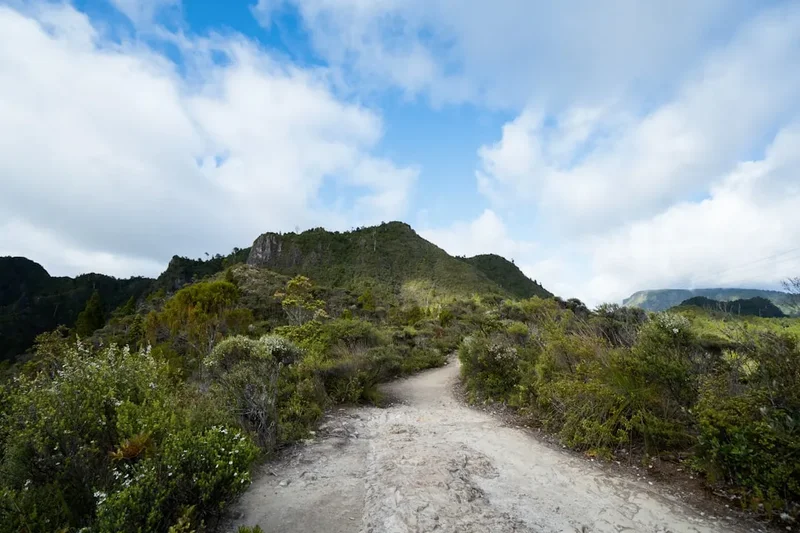
Alex Knob Track - Day Hike Itinerary
Early Morning (Approx. 7:00 AM - 8:00 AM): Preparation and Departure
- Depart from Hokitika or your accommodation.
- Drive approximately 15 minutes south on State Highway 6 (SH6) towards Ross.
- Turn right onto Lake Kaniere Road.
- Continue along Lake Kaniere Road for approximately 25 km to the end of the road.
- The trailhead and parking area are located at the end of Lake Kaniere Road.
- Final gear check, apply sunscreen and insect repellent, and register your intentions at the trailhead if a logbook is available.
Morning (Approx. 8:00 AM - 12:00 PM): Ascent Through Forest
- Begin the hike from the trailhead.
- The track immediately enters dense native forest.
- Initial section is relatively gentle but soon begins to climb steadily.
- Pass through areas of lush ferns, moss-covered trees, and native bush.
- The gradient becomes steeper, with sections of exposed roots and rocks.
- Occasional viewpoints may offer glimpses of Lake Kaniere through the trees.
- Maintain a steady pace, taking short breaks as needed.
- Focus on conserving energy for the sustained climb.
Midday (Approx. 12:00 PM - 1:00 PM): Reaching the Summit Ridge
- The forest may begin to thin slightly as you gain significant altitude.
- The track continues its steep ascent, often on exposed ridgelines.
- You will start to experience more open views of the surrounding landscape.
- The final push towards the summit knob.
- Arrive at the summit of Alex Knob.
- Take time to enjoy the panoramic 360-degree views.
- Have your lunch and rehydrate, but be mindful of wind and potential weather changes.
- Photograph the expansive vistas of Lake Kaniere, the Southern Alps, and the Tasman Sea.
Afternoon (Approx. 1:00 PM - 5:00 PM): Descent and Return
- Begin the descent back down the track.
- Exercise caution on the steep and potentially slippery sections.
- Use trekking poles if you have them to aid stability and reduce strain on knees.
- Continue through the forest, retracing your steps.
- Be aware of other hikers on the track.
- Arrive back at the trailhead and parking area.
- Clean off any mud and check for ticks.
- Drive back to Hokitika or your accommodation.
Important Notes:
- This is a challenging day hike requiring good fitness.
- Carry sufficient water and food for the entire duration.
- Be prepared for rapidly changing weather conditions.
- Wear sturdy, broken-in hiking boots.
- Insect repellent is essential, especially during warmer months.
- Inform someone of your plans and expected return time.
Planning and Bookings
Book Your Trip
Everything you need to plan your journey
Accommodation
Find places to stay near Hokitika
Flights
Search flights to Hokitika
Essential Preparation
The Alex Knob Track is a demanding day hike that requires careful planning to ensure a safe and enjoyable experience. Given its challenging nature and the remote location, thorough preparation is paramount. The closest major town and logistical hub is Hokitika, which offers a range of accommodation options from budget hostels to motels and hotels. Hokitika also has supermarkets for purchasing food and supplies, outdoor gear shops for any last-minute equipment needs, and visitor information centres.
Before setting out, it is crucial to check the weather forecast for the West Coast and specifically for the Lake Kaniere area. Conditions can change rapidly, and attempting the track in severe weather (heavy rain, strong winds, or snow at higher elevations) is strongly discouraged. Informing someone of your hiking plans, including your intended route, start time, and expected return time, is a vital safety measure. While there are no formal booking requirements for this track, registering your intentions at the trailhead if a logbook is present is a good practice.
Trail Accommodation
This is a day hike requiring no overnight accommodation.
Required Gear
- Sturdy Hiking Boots: Waterproof and with good ankle support. Ensure they are well broken-in to prevent blisters.
- Waterproof Jacket and Trousers: Essential for protection against the frequent rain and wind on the West Coast.
- Warm Layers: Including a fleece or wool mid-layer and a thermal base layer. Even in summer, temperatures can drop significantly at higher elevations.
- Hat and Gloves: For warmth and sun protection.
- Backpack: A comfortable day pack (20-30 litres) to carry essentials.
- Navigation: A map of the area and a compass, or a GPS device/smartphone with offline maps. While the track is generally well-marked, it's wise to have backup navigation.
- Head Torch: With spare batteries, in case your hike takes longer than expected or you encounter unexpected delays.
- First-Aid Kit: Including blister treatment, pain relievers, antiseptic wipes, bandages, and any personal medications.
- Sun Protection: Sunscreen (SPF 30+), sunglasses, and a wide-brimmed hat. The sun can be intense, especially at higher altitudes.
- Trekking Poles: Highly recommended for the steep ascents and descents to provide stability and reduce strain on joints.
What to Bring
- Water: Carry at least 2-3 litres of water per person. There are no reliable water sources on the track, and any water encountered would require treatment.
- Food: Plenty of high-energy food, including lunch, snacks (e.g., muesli bars, nuts, dried fruit), and an extra snack in case of delays.
- Insect Repellent: A strong repellent containing DEET is crucial, especially during warmer months, to ward off sandflies.
- Toilet Paper and Trowel: For personal hygiene if needed, and to pack out all waste.
- Hand Sanitiser: For hygiene before eating and after using the toilet.
- Mobile Phone: Fully charged, for emergency use (note that reception can be intermittent).
- Whistle: For signalling in an emergency.
- Small Dry Bag: To protect electronics and valuables from moisture.
Permits
No permits are required to hike the Alex Knob Track. It is a public track managed by the Department of Conservation (DOC). However, it is strongly recommended to register your intentions at the trailhead if a logbook is available. This helps DOC track visitor numbers and provides a record in case of an emergency.
While no booking is necessary, it is essential to be aware of the track's conditions and any potential alerts. DOC regularly updates information on track status, closures, and hazards on their website. It is advisable to check the DOC website for the Hokitika area or Fiordland National Park (which encompasses this region) for any relevant alerts before your visit.
Key considerations:
- No booking system: This is a free-access day hike.
- Trailhead registration: Use logbooks if provided to record your visit.
- DOC website: Check for alerts and track conditions prior to departure.
- Weather: Always check the MetService forecast for the West Coast region.
Other Activities in the Area
The Lake Kaniere area and the wider West Coast region offer a variety of activities for visitors:
- Lake Kaniere Walks: Several shorter, easier walks are available around Lake Kaniere, offering different perspectives of the lake and its surrounding forest. The Lake Kaniere Water Race Walkway is a popular option.
- Hokitika Gorge: A stunningly beautiful spot with a suspension bridge crossing over a turquoise river. It's a relatively short and easy walk to the gorge viewpoint.
- Hokitika Town: Explore the vibrant town of Hokitika, known for its jade carving galleries, artisan shops, and the Hokitika Museum. The Hokitika beachfront is also a popular spot for sunset views.
- West Coast Treetop Walk & Cafe: Located near Hokitika, this offers a unique perspective of the rainforest canopy from a series of elevated walkways.
- Punakaiki Pancake Rocks and Blowholes: A scenic drive north from Hokitika leads to this iconic geological formation.
- Glacier Country (Franz Josef and Fox Glaciers): While a longer drive south, these famous glaciers offer opportunities for guided walks, heli-hikes, and scenic flights.
- Cycling: The West Coast Wilderness Trail is a popular cycle trail that passes through Hokitika and offers various sections suitable for different skill levels.
Safety and Conditions
Weather: The West Coast is renowned for its unpredictable and often severe weather. Rain, strong winds, and fog are common, even in summer. Always check the MetService forecast for the Hokitika and Lake Kaniere area before you depart. Be prepared for conditions to change rapidly during your hike.
Track Conditions: The Alex Knob Track is a challenging and steep trail. It can be very muddy and slippery, especially after rain. Exposed tree roots and rocks can create tripping hazards. Wear sturdy, waterproof hiking boots with good grip. Trekking poles are highly recommended to aid stability and reduce the impact on your knees during the descent.
Sandflies: Sandflies are prevalent in the West Coast region, particularly during warmer months. They are small but persistent biting insects. Carry a strong insect repellent containing DEET (at least 15-20% concentration) and apply it liberally to all exposed skin. Wearing long sleeves and trousers can also help. If possible, avoid stopping for extended periods in areas where sandflies are particularly active.
Navigation: While the track is generally well-marked, it is essential to carry a map and compass or a GPS device with offline maps. Do not rely solely on mobile phone reception, as it can be intermittent or non-existent in many areas. Familiarise yourself with the route before you start.
Fitness: This is a strenuous hike with significant elevation gain. Ensure you have a good level of cardiovascular fitness and leg strength. If you are not accustomed to steep ascents and descents, consider a less challenging walk.
Water and Food: Carry more water than you think you will need, as dehydration can occur quickly, especially during a strenuous hike. Pack high-energy food and snacks. There are no facilities or water sources along the track.
Emergency: Inform someone of your hiking plans, including your expected return time. Carry a fully charged mobile phone and a whistle for signalling in an emergency. Consider carrying a personal locator beacon (PLB) if you are hiking alone or in remote areas.
Wildlife: Be aware of native wildlife. While encounters are rare, maintain a safe distance and do not feed any animals. The track passes through native forest, so be mindful of your surroundings.
Side Trips and Points of Interest
Lake Kaniere Foreshore: Before or after your hike, take time to explore the shores of Lake Kaniere. The lake itself is a beautiful glacial lake, offering opportunities for photography and relaxation. Several shorter, easier walking tracks also meander along its edges, providing different perspectives of the water and surrounding bush.
Lake Kaniere Water Race Walkway: This historic walkway follows an old water race that was used for gold sluicing. It's a relatively flat and easy walk that offers insights into the region's gold mining past and showcases the diverse forest flora.
Summit Views: The primary point of interest on the Alex Knob Track is, of course, the summit itself. The panoramic views from Alex Knob are exceptional. On a clear day, you can see:
- Lake Kaniere: Stretching out below in its full glory.
- The Southern Alps: A majestic mountain range forming the backbone of the South Island.
- Tasman Sea: The vast expanse of the Pacific Ocean to the west.
- Surrounding Forested Hills: The rugged, bush-clad landscape characteristic of the West Coast.
The summit area is often exposed, so be prepared for wind and potentially cooler temperatures. It's an ideal spot for a well-deserved break and a picnic lunch.
Forest Ecology: While not a specific "point of interest" in the traditional sense, the diverse temperate rainforest ecosystem encountered on the track is a significant feature. Look for the abundance of ferns, mosses, lichens, and native trees such as beech and rimu. The damp, shaded environment creates a unique and vibrant habitat.
Leave No Trace
The Alex Knob Track, like all natural areas, benefits from visitors adhering to Leave No Trace principles. These guidelines help to minimise your impact on the environment, ensuring that the natural beauty of the area is preserved for future generations.
Plan Ahead and Prepare: Research the track, check weather forecasts, and pack appropriately. Inform someone of your plans.
Travel and Camp on Durable Surfaces: Stick to the marked track at all times. Avoid walking on vegetation, especially the delicate mosses and ferns that are easily damaged. The track itself is the most durable surface.
Dispose of Waste Properly: Pack out everything you pack in. This includes all food scraps, wrappers, and any other litter. Use the toilet facilities at the trailhead if available, or dig a cathole at least 10 metres away from water sources and the track, and bury human waste. Pack out used toilet paper.
Leave What You Find: Do not remove any natural objects, such as rocks, plants, or flowers. Take only photographs and memories.
Minimise Campfire Impacts: Not applicable for this day hike, as camping is not permitted on the track.
Respect Wildlife: Observe wildlife from a distance. Do not feed animals, as this can disrupt their natural behaviours and diets. Keep pets under control if you bring them (though dogs are generally not recommended on challenging hikes).
Be Considerate of Other Visitors: Keep noise levels down and yield to other hikers, especially on narrow sections of the track. Allow others to enjoy the peace and solitude of the natural environment.
 New Zealand