
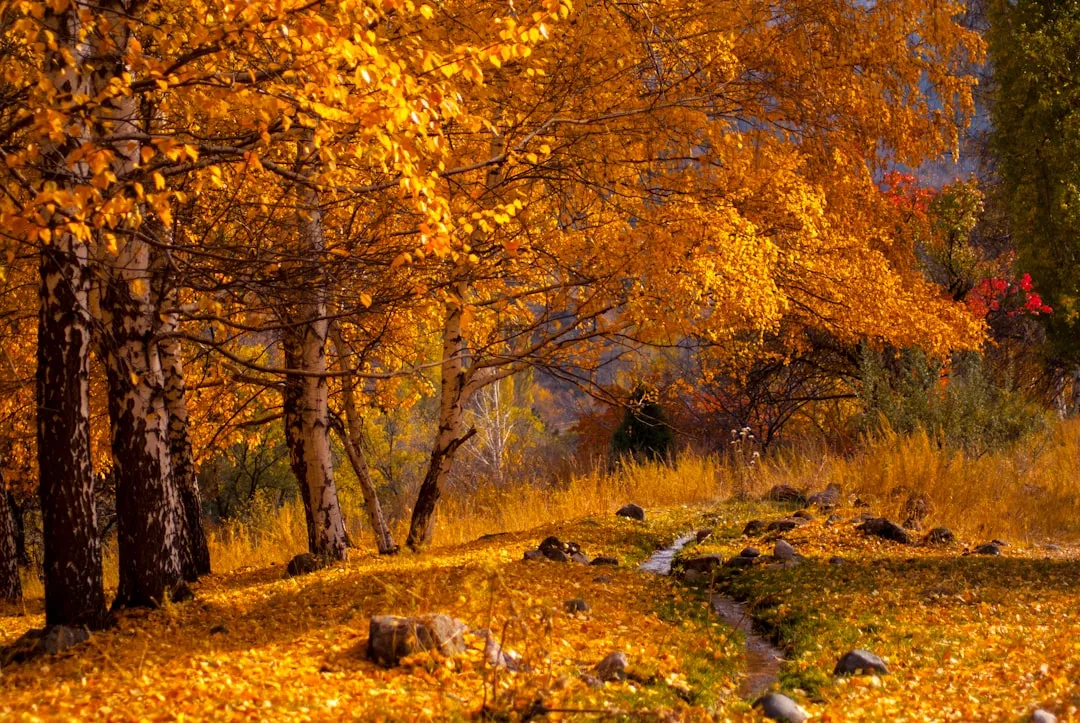
Ak-Suu Transverse - Kyrgyzstan's Alpine Jewel
The Ak-Suu Transverse is a challenging and rewarding multi-day trek in the heart of Kyrgyzstan's Tian Shan mountains, offering a profound immersion into high-altitude wilderness. This route traverses dramatic alpine landscapes, passing through remote valleys, over high mountain passes, and alongside turquoise glacial lakes. It is a journey for experienced hikers seeking solitude, spectacular scenery, and a true test of endurance. The trail is not formally maintained and requires a good level of self-sufficiency and navigation skill. It offers a raw, untamed experience of Central Asian alpine beauty, far from the well-trodden paths of more popular trekking destinations.
- Distance: 55.0 km
- Duration: 5-7 days
- Season: July-September
- Difficulty: Challenging
- Highest point: Approximately 3,800 metres
- Closest City: Karakol
- Trailhead Access: Via Karakol, then 4x4 to Ak-Suu Sanatorium area
Overview
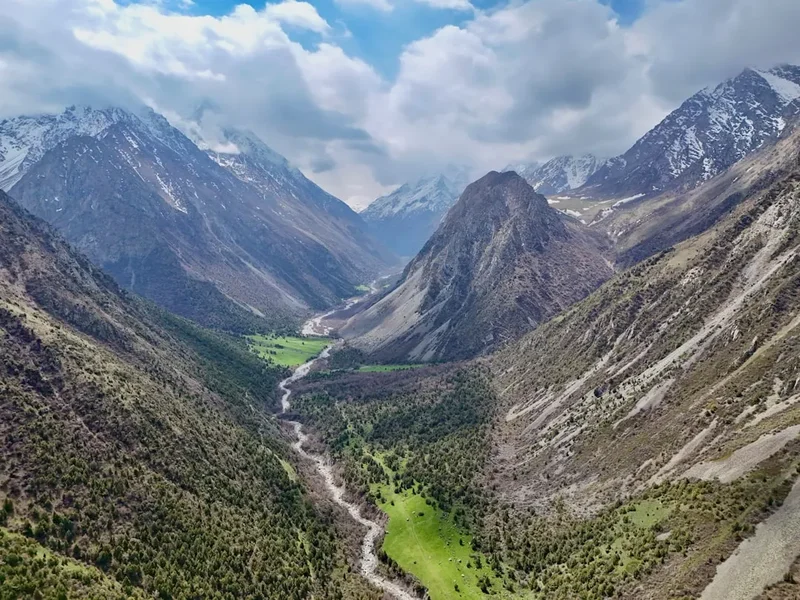
The Ak-Suu Transverse is a trek that embodies the rugged grandeur of the Tian Shan range. It begins near the Ak-Suu Sanatorium, a relic of Soviet-era health resorts, and quickly ascends into remote alpine territory. The trail winds through valleys carved by ancient glaciers, where wildflowers carpet meadows in summer and the air is crisp and clean. Expect to encounter nomadic shepherds and their yurts, offering a glimpse into traditional Kyrgyz life.
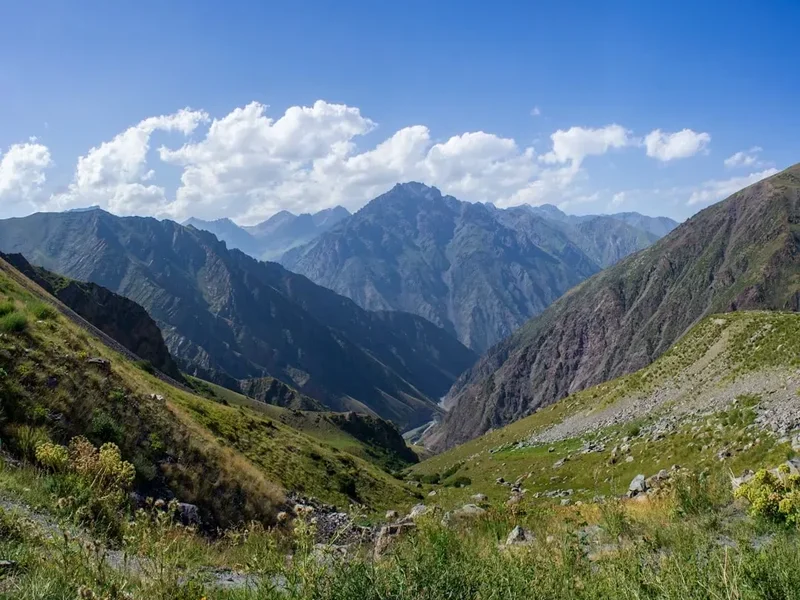
The route is characterised by significant elevation gains and descents, with several passes exceeding 3,500 metres. These high points offer breathtaking panoramic views of snow-capped peaks, vast scree slopes, and the vibrant blue of glacial lakes. The terrain is varied, ranging from grassy valleys and rocky trails to boulder fields and potentially snow-covered passes, depending on the season and weather conditions. Water sources are generally plentiful from glacial melt, but purification is essential.
This trek is not for the faint-hearted. It demands a high level of physical fitness, excellent navigation skills, and the ability to be self-sufficient in a remote environment. The rewards, however, are immense: unparalleled solitude, stunning natural beauty, and a deep sense of accomplishment. The Ak-Suu Transverse offers a genuine adventure into one of Central Asia's most spectacular mountain ranges.
History and Cultural Context
The Tian Shan mountains, meaning "Celestial Mountains," have been a natural frontier and a vital corridor for millennia. This region has witnessed the ebb and flow of empires, trade routes, and nomadic cultures. For centuries, the valleys and passes of the Tian Shan served as routes for Silk Road caravans, connecting East and West. The nomadic Kyrgyz people have a deep, ancestral connection to this land, their lives and traditions intrinsically linked to the rhythms of the mountains, the grazing of livestock, and the seasonal movements dictated by the alpine environment.
The area around Ak-Suu has a more recent history tied to the Soviet era. The Ak-Suu Sanatorium, established in the mid-20th century, was designed to harness the region's mineral springs and clean mountain air for therapeutic purposes. While many of these Soviet-era facilities have fallen into disrepair, they stand as remnants of a past era, often serving as starting points or landmarks for modern trekkers. The presence of these structures also hints at the accessibility and perceived value of these mountains for human health and recreation, even if the infrastructure is now largely defunct.
Modern trekking in the Tian Shan gained traction in the late 20th and early 21st centuries as Kyrgyzstan opened its borders and its spectacular mountain landscapes to international visitors. The Ak-Suu Transverse, while not a formally designated "trail" in the Western sense, has emerged through the collective knowledge of local guides and adventurous trekkers. It represents a blend of ancient nomadic routes and more recent exploration, offering a unique cultural and historical context to the physical challenge of the trek.
Seasonal Highlights and Weather Reality
The trekking season for the Ak-Suu Transverse is relatively short, dictated by the harsh alpine climate. The best window for this trek is typically from July to September.
July: The start of the prime trekking season. Snow begins to melt from the lower and mid-altitude passes, and wildflowers are often at their peak in the alpine meadows. Days are generally longer, and temperatures are milder, though still cool at higher elevations. Nights can be cold, with frost possible.
August: Considered by many to be the ideal month. The weather is often at its most stable, with clear skies and sunny days being more common. The mountain scenery is spectacular, and the risk of significant snowfall on passes is lower. However, this is also peak season for nomadic activity, and you may encounter more shepherds and their livestock. Nights remain cold.
September: The autumn colours begin to appear in the valleys, offering a different kind of beauty. The air becomes crisper, and the days start to shorten. While generally still good for trekking, the weather can become more unpredictable, with an increased chance of early snowfalls, particularly on higher passes. Temperatures drop noticeably, and frost is common.
Weather Reality: Regardless of the month, mountain weather in the Tian Shan is notoriously unpredictable. You must be prepared for all conditions, including bright sunshine, strong winds, heavy rain, hail, and snow, even in mid-summer. Temperatures can fluctuate dramatically throughout the day and night. Hypothermia is a genuine risk at higher altitudes. Always check the latest weather forecasts before and during your trek, and be prepared to alter your plans if conditions become dangerous.
Recommended Itinerary
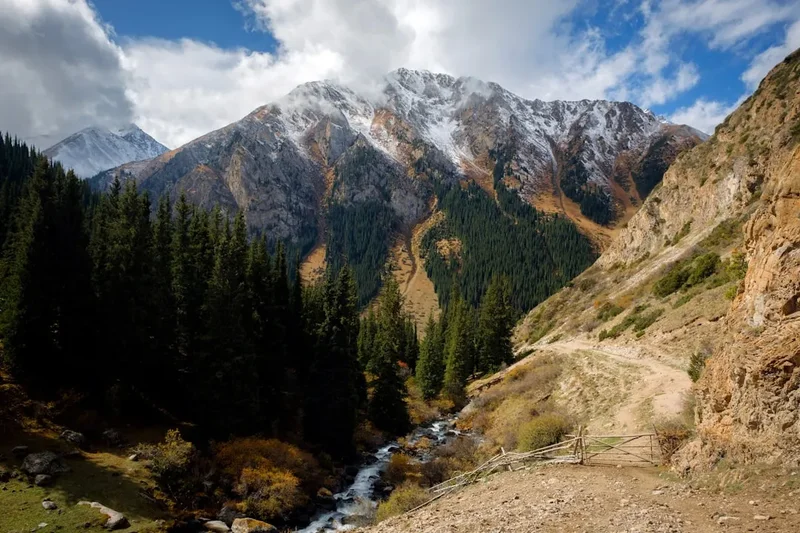
5-7 Day Ak-Suu Transverse Itinerary (Challenging)
Day 1: Arrival in Karakol & Transfer to Ak-Suu Trailhead
- Distance: ~20 km drive
- Elevation gain: Minimal drive, then start ascent
- Time: 1-2 hours drive + 3-4 hours trekking
- Arrive in Karakol, the gateway city to the Tian Shan.
- Arrange 4x4 transport to the Ak-Suu Sanatorium area (approx. 1,800 m).
- Begin the trek, gradually ascending through pine forests and meadows along the Ak-Suu River.
- Set up camp at a suitable spot in the valley, perhaps near a shepherd's yurt.
- Focus on acclimatisation and enjoying the initial mountain scenery.
Day 2: Ak-Suu Valley to Altyn Arashan Valley
- Distance: 12-15 km
- Elevation gain: ~800-1000 m
- Time: 6-8 hours
- Continue ascending the Ak-Suu Valley.
- The landscape opens up, revealing wider valleys and more imposing peaks.
- Cross a moderate pass (approx. 2,800-3,000 m) to descend into the adjacent Altyn Arashan Valley.
- Altyn Arashan is famous for its natural hot springs.
- Camp near the hot springs, offering a chance for a relaxing soak.
Day 3: Altyn Arashan to Lake Ala-Kul Base Camp
- Distance: 8-10 km
- Elevation gain: ~700-900 m
- Time: 5-7 hours
- A significant climbing day towards the iconic Ala-Kul Lake.
- The trail becomes steeper and more rugged as you gain altitude.
- Pass through alpine meadows dotted with wildflowers.
- Reach the vicinity of Lake Ala-Kul (approx. 3,500 m), a stunning turquoise gem nestled beneath towering peaks.
- Set up camp at a suitable spot below the lake, preparing for the pass crossing tomorrow.
Day 4: Lake Ala-Kul Crossing to Kurgak-Tor Valley
- Distance: 10-12 km
- Elevation gain: ~300 m to pass, ~800-1000 m descent
- Time: 7-9 hours
- The most challenging day of the trek.
- Ascend the final section to Ala-Kul Pass (approx. 3,800 m).
- Enjoy spectacular views of Lake Ala-Kul and the surrounding Tian Shan peaks from the pass.
- Descend steeply on the other side into the Kurgak-Tor Valley.
- The descent is on scree and rocky terrain, requiring careful footing.
- Camp in the Kurgak-Tor Valley.
Day 5: Kurgak-Tor Valley to Jyrgalan Valley (or further)
- Distance: 10-15 km
- Elevation gain: Gradual descent with some ups and downs
- Time: 5-7 hours
- Continue descending through the Kurgak-Tor Valley.
- The valley gradually widens, and the vegetation becomes more abundant.
- Aim to reach the Jyrgalan Valley, a popular area for trekking and horse riding.
- Depending on energy levels and time, you might camp here or push further towards a road access point.
Day 6: Jyrgalan Valley to Karakol
- Distance: Variable, depending on Day 1 ms end point
- Elevation gain: Mostly descent
- Time: 4-6 hours trekking + drive
- Complete the descent towards a road access point in the Jyrgalan area.
- Arrange for pre-booked transport (4x4 or local vehicle) to return to Karakol.
- Celebrate the completion of your trek in Karakol.
Day 7: Buffer Day / Departure
- This day can be used as a buffer for weather delays, a more relaxed exploration of Karakol, or departure from the region.
Important Notes:
- This is a challenging trek requiring excellent fitness and navigation skills.
- All accommodation is camping.
- Food and cooking equipment must be carried.
- A local guide is highly recommended for navigation and cultural insights.
- Weather can change rapidly; be prepared for all conditions.
- Water sources are generally available but require purification.
Planning and Bookings
Book Your Trip
Everything you need to plan your journey
Accommodation
Find places to stay near Karakol
Flights
Search flights to Karakol
Essential Preparation
The Ak-Suu Transverse is a remote trek that requires meticulous planning. Unlike established trails with booking systems, preparation here centres on logistics, self-sufficiency, and safety. Karakol is the primary base town, offering essential services like accommodation, gear rental, and the crucial organisation of transport and guides. It's advisable to spend at least one full day in Karakol before starting your trek to finalise arrangements, purchase supplies, and acclimatise to the altitude.
Logistics involve arranging reliable 4x4 transport to and from the trailhead, which is often rough and remote. Hiring a local guide is strongly recommended, not only for navigation but also for their knowledge of the terrain, weather patterns, and local customs. They can also assist with arranging horse support for carrying gear, which can significantly enhance the experience.
Trail Accommodation
This is a wilderness trek, and there are no established huts or lodges along the Ak-Suu Transverse. All accommodation will be camping.
Camping:
- Requirements: You will need to carry a sturdy, 4-season tent capable of withstanding strong winds and potential snow.
- Facilities: None. You are entirely self-sufficient. This includes carrying all your own cooking equipment, fuel, and waste disposal bags.
- What's NOT provided: Absolutely nothing. No shelter, no cooking facilities, no water sources (beyond natural ones requiring treatment), no toilets.
- Seasonal Availability: Camping is possible only during the trekking season (July-September) when passes are generally clear of deep snow. Outside this window, the conditions are extreme and dangerous.
- Costs: The cost is associated with your own camping gear and supplies.
Nomadic Yurts: In some valleys, you may encounter nomadic herders living in yurts. While not formal accommodation, it is sometimes possible to arrange a stay with them for a small fee, offering a unique cultural experience. This is usually arranged through your guide.
Required Gear
- Backpack: A robust 60-80 litre trekking backpack with a good hip belt and rain cover.
- Tent: A high-quality, 4-season tent suitable for alpine conditions.
- Sleeping Bag: A warm, 0°C to -10°C comfort rating sleeping bag.
- Sleeping Mat: Insulated sleeping mat for warmth and comfort.
- Boots: Sturdy, waterproof, broken-in hiking boots with ankle support.
- Clothing:
- Waterproof and windproof jacket and trousers (Gore-Tex or similar).
- Insulating layers: Fleece jacket, down or synthetic insulated jacket.
- Base layers: Merino wool or synthetic thermal tops and bottoms.
- Hiking trousers (quick-drying).
- Warm hat (beanie) and gloves.
- Camp shoes or sandals.
- Navigation:
- Map of the region (detailed topographic map).
- Compass.
- GPS device or smartphone with offline maps and fully charged power bank.
- Safety Gear:
- First-aid kit (comprehensive, including blister treatment, pain relief, personal medications).
- Head torch with spare batteries.
- Sunscreen (high SPF).
- Sunglasses.
- Emergency whistle.
- Personal Locator Beacon (PLB) or satellite messenger (highly recommended).
What to Bring
- Food: Sufficient high-calorie, lightweight food for the entire trek (7-10 days to allow for delays). This includes breakfast, lunch, dinner, and snacks. Dehydrated meals are ideal.
- Water Treatment: Water filter or purification tablets/drops. Natural water sources are abundant but must be treated.
- Cooking Equipment: Lightweight camping stove, fuel, cooking pot, mug, bowl, spoon/fork.
- Toiletries: Biodegradable soap, toothbrush, toothpaste, toilet paper, hand sanitiser, trowel for digging catholes (if not using designated spots or yurts).
- Trekking Poles: Highly recommended for stability on ascents and descents, especially on scree.
- Duct Tape and Repair Kit: For gear repairs.
- Camera and spare batteries/power bank.
- Small towel.
- Insect repellent (though less of an issue at higher altitudes).
- Cash: For local purchases, tips, and potential emergencies.
Permits
The Ak-Suu Transverse does not require formal permits in the same way as national parks in some other countries. However, it is crucial to understand the local regulations and recommended practices:
Border Zone Permits: Depending on the exact route taken and proximity to international borders (particularly with China), you may need to obtain special permits. This is especially true if your route ventures into areas designated as border zones. It is essential to clarify this with your guide or local trekking agency in Karakol well in advance of your trek. Failure to have the correct permits can lead to significant issues, including being turned back by border guards.
National Park Fees: While not a designated national park with entry fees in the traditional sense, some areas may fall under regional protection or require small contributions for access or use of facilities (like shepherd camps). Your guide will be aware of any such requirements.
Registration: It is highly advisable to register your trekking plans with a local trekking agency or the local authorities in Karakol. This is a safety measure, ensuring that someone knows your intended route and expected return date. In case of an emergency, this information can be vital for search and rescue operations.
Guides and Local Knowledge: The most practical way to navigate the permit and registration landscape is by hiring a reputable local guide or trekking company. They will have up-to-date knowledge of all necessary permits, border zone regulations, and registration procedures. They can often facilitate the permit application process on your behalf, saving you considerable time and potential confusion.
Key Considerations:
- Advance Planning: Permit applications, especially for border zones, can take time. Start this process weeks, if not months, before your intended trek date.
- Route Flexibility: Be prepared for your route to be adjusted based on permit availability or local conditions.
- Documentation: Ensure you have your passport and any necessary visa documentation readily available, as these will be required for permit applications.
Other Activities in the Area
Karakol and its surrounding region offer a wealth of activities for those looking to extend their stay or explore beyond the Ak-Suu Transverse:
- Karakol City Exploration: Visit the Dungan Mosque (a unique Chinese-Muslim architectural style), the Holy Trinity Orthodox Cathedral (a beautiful wooden church), and the local bazaar for a taste of Kyrgyz culture and commerce.
- Jyrgalan Valley: This valley, often a destination or exit point for the Ak-Suu Transverse, is a hub for trekking and horse riding. It offers numerous day hikes and multi-day options with stunning alpine scenery and opportunities to interact with local communities.
- Altyn Arashan Hot Springs: Even if not part of your main trek, a dedicated trip to Altyn Arashan for its natural hot springs is a popular and relaxing excursion from Karakol.
- Issyk-Kul Lake: The world's second-largest alpine lake is a major attraction. Visit the northern shore for resort towns like Cholpon-Ata, with its petroglyphs and cultural sites, or explore the more remote southern shore for a quieter experience.
- Terskey Ala-Too Range: Explore other trekking routes in this extensive mountain range, such as the trek to Ala-Kul Lake from the south or routes leading to the Karakol Peak base camp.
- Horse Riding Treks: Kyrgyzstan is the land of horse nomads. Numerous operators offer guided horse riding tours ranging from a few hours to several days, providing a traditional way to experience the landscape.
- Cultural Homestays: Experience Kyrgyz hospitality by staying with local families in villages around Karakol or Issyk-Kul.
Safety and Conditions
Pre-Trek Briefing: Before setting off, ensure you have a thorough briefing from your guide or trekking agency regarding current conditions, weather forecasts, and any specific hazards for your chosen route.
Altitude Sickness: The Ak-Suu Transverse reaches significant altitudes (up to 3,800 m). Acclimatisation is crucial. Ascend gradually, stay hydrated, avoid alcohol and strenuous activity on your first day at higher elevations, and be aware of the symptoms of Acute Mountain Sickness (AMS): headache, nausea, dizziness, fatigue. If symptoms worsen, descend immediately.
Navigation: The trails are often faint or non-existent, especially at higher elevations. Relying solely on GPS can be risky due to battery failure or signal loss. A good map, compass, and the ability to use them are essential. A local guide is the safest option for navigation.
Weather: Mountain weather is highly unpredictable. Be prepared for rapid changes, including strong winds, heavy rain, hail, and snow, even in summer. Hypothermia is a serious risk. Always carry appropriate layers, waterproofs, and a warm hat and gloves.
Terrain: Expect varied terrain including steep ascents and descents, rocky paths, scree slopes, and potentially snowfields. Trekking poles are highly recommended for stability and to reduce strain on your knees.
Water: While water sources are generally available from glacial melt, always treat water before drinking to prevent waterborne illnesses. Use a reliable filter or purification tablets.
Remote Environment: You will be far from immediate medical assistance. Carry a comprehensive first-aid kit and know how to use it. A Personal Locator Beacon (PLB) or satellite messenger is strongly recommended for emergency communication.
Wildlife: While large dangerous animals are rare, be aware of your surroundings. Respect any wildlife you encounter and do not feed them.
Communication: Mobile phone signal is virtually non-existent outside of Karakol and some lower valley areas. Inform someone of your trekking plans and expected return date.
Insurance: Ensure you have comprehensive travel insurance that covers high-altitude trekking and emergency evacuation.
Side Trips and Points of Interest
Lake Ala-Kul: The undisputed highlight of the trek. This stunning alpine lake, with its vibrant turquoise waters, is nestled at an elevation of approximately 3,500 metres. The views of the lake from the Ala-Kul Pass are breathtaking, with snow-capped peaks reflecting in its pristine surface. It's a photographer's paradise and a true reward for the challenging ascent.
Altyn Arashan Hot Springs: Located in the Altyn Arashan Valley, these natural hot springs offer a welcome respite after days of trekking. The springs are housed in simple bathhouses, providing a unique opportunity to relax and soak in the mineral-rich waters while surrounded by dramatic mountain scenery. It's a perfect spot for a mid-trek rest day or a soothing end to a day's hike.
Shepherd Yurts and Nomadic Culture: Throughout the trek, particularly in the lower valleys, you may encounter nomadic herders living in traditional yurts. Interacting with these communities offers a fascinating glimpse into a traditional Kyrgyz way of life, deeply connected to the land and livestock. Your guide can often facilitate respectful interactions and perhaps even arrange a tea invitation or a short stay.
Panoramic Views from Passes: The Ak-Suu Transverse involves crossing several high passes, each offering spectacular panoramic vistas. The views from Ala-Kul Pass (approx. 3,800 m) are particularly memorable, showcasing the vastness of the Tian Shan range, including peaks like Ak-Suu and Koruna. These high points are ideal for photography and for appreciating the scale of the alpine environment.
Alpine Flora and Fauna: During the summer months, the alpine meadows are carpeted with a diverse array of wildflowers. Keep an eye out for marmots, various bird species, and if you're very lucky, perhaps even signs of ibex or snow leopards (though sightings are extremely rare). The changing vegetation zones, from pine forests to alpine meadows and barren scree slopes, are a point of interest in themselves.
Leave No Trace
The Ak-Suu Transverse traverses pristine, remote wilderness. Adhering to Leave No Trace principles is paramount to preserving this fragile environment for future generations and for the local communities who depend on it.
Plan Ahead and Prepare: Understand the terrain, weather, and potential hazards. Organise your gear and food meticulously. Hire a reputable guide and inform someone of your plans.
Travel and Camp on Durable Surfaces: Stick to established paths where they exist. When camping, choose established sites or durable surfaces like rock or gravel. Avoid camping on fragile meadows or near water sources.
Dispose of Waste Properly: Pack out everything you pack in, including all food scraps, wrappers, and toilet paper. Use designated toilet facilities where available (e.g., at shepherd camps or hot springs). If not, dig catholes at least 60 metres away from water, camp, and trails, and bury human waste. Pack out all toilet paper.
Leave What You Find: Do not disturb plants, rocks, or historical/cultural artifacts. Take only photographs and memories.
Minimise Campfire Impacts: Campfires are generally not recommended or permitted in this remote alpine environment due to the risk of wildfires and the slow regeneration of vegetation. Use a lightweight camping stove for cooking.
Respect Wildlife: Observe wildlife from a distance. Never feed animals, as it can alter their natural behaviour and diet, and can be harmful to their health. Store food securely to prevent attracting animals.
Be Considerate of Other Visitors: While this trek is remote, you may encounter nomadic herders or other trekkers. Be respectful of their space and culture. Keep noise levels down and allow others to enjoy the solitude.
By following these principles, you help ensure that the Ak-Suu Transverse remains a wild and beautiful place.