
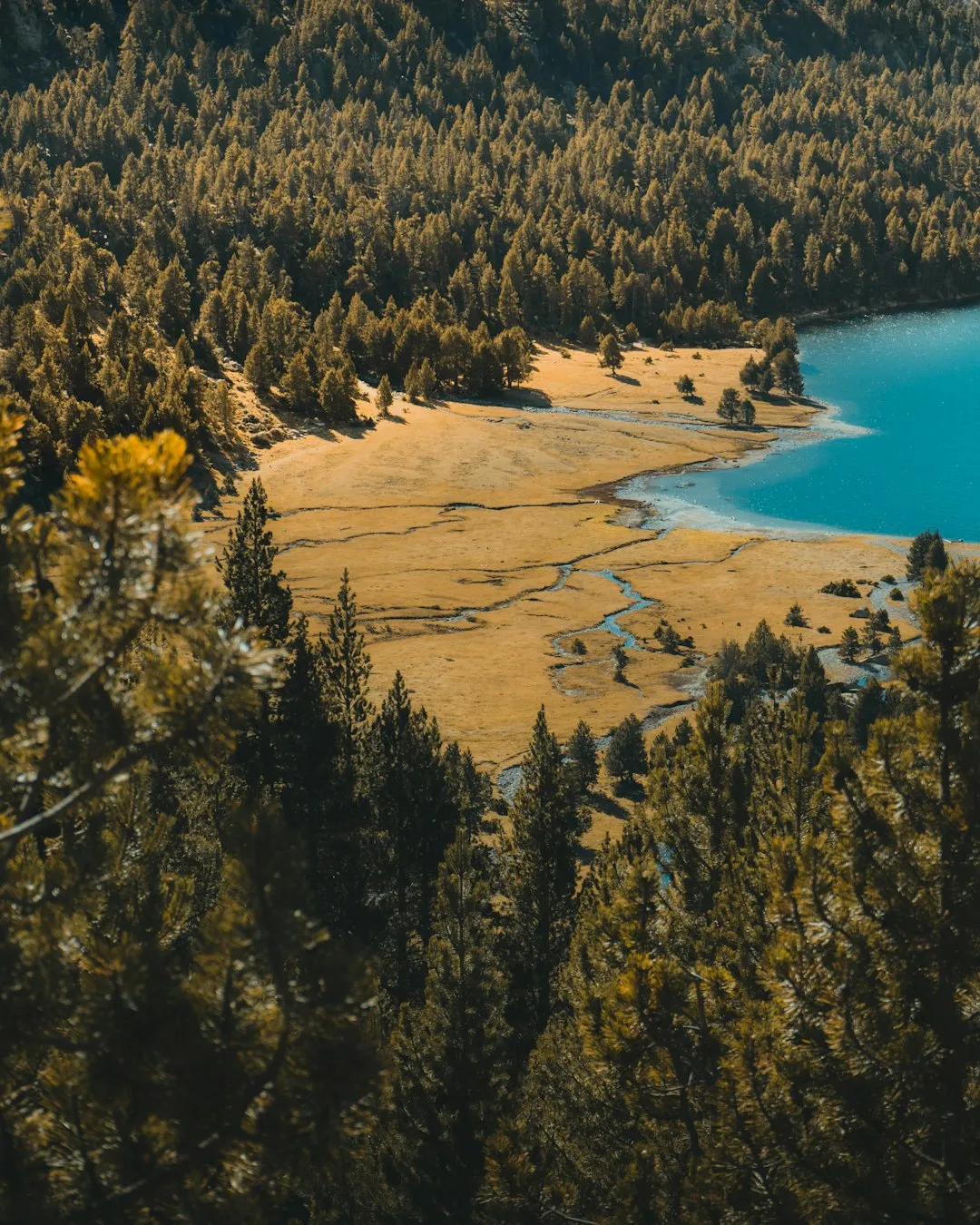
Aigüestortes Lakes Loop
The Aigüestortes Lakes Loop is a spectacular multi-day trek through the heart of the Aigüestortes i Estany de Sant Maurici National Park in the Spanish Pyrenees. This high-altitude circuit showcases a breathtaking landscape of granite peaks, pristine alpine lakes, and rugged mountain terrain. Renowned for its exceptional concentration of glacial lakes (over 200), the park offers a truly immersive wilderness experience for seasoned hikers. The loop typically spans four to five days, allowing ample time to explore its diverse scenery, from verdant valleys to stark, rocky summits. It's a challenging yet immensely rewarding journey that appeals to those seeking dramatic mountain vistas and the tranquility of remote alpine environments.
- Distance: 55.0 km
- Duration: 4-5 days
- Season: June to September
- Huts: Refugis (mountain huts) available along the route
- Highest point: Approximately 2,700 metres
- Difficulty: Moderate to Challenging
- Country: Spain
Overview
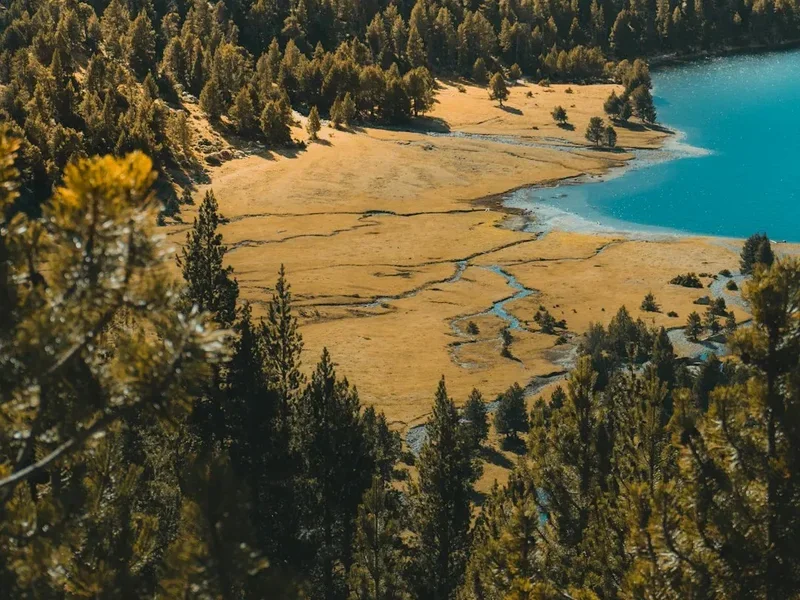
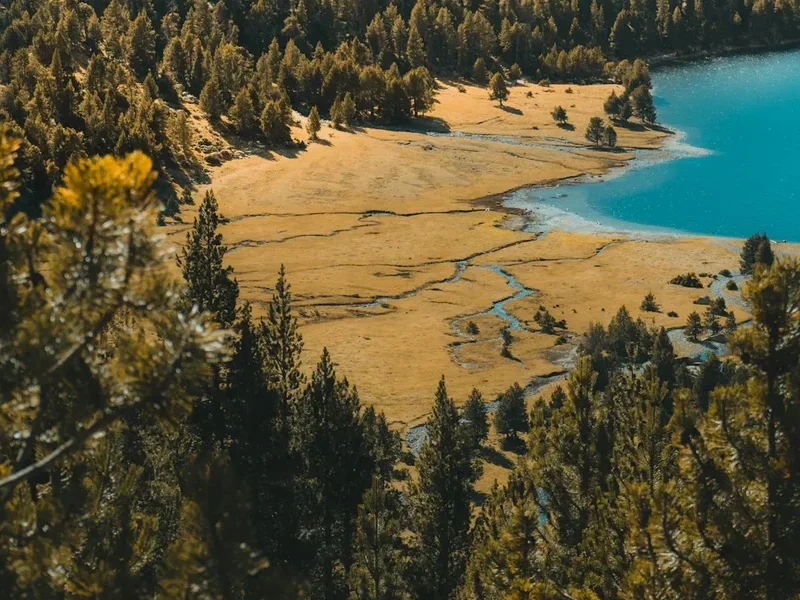
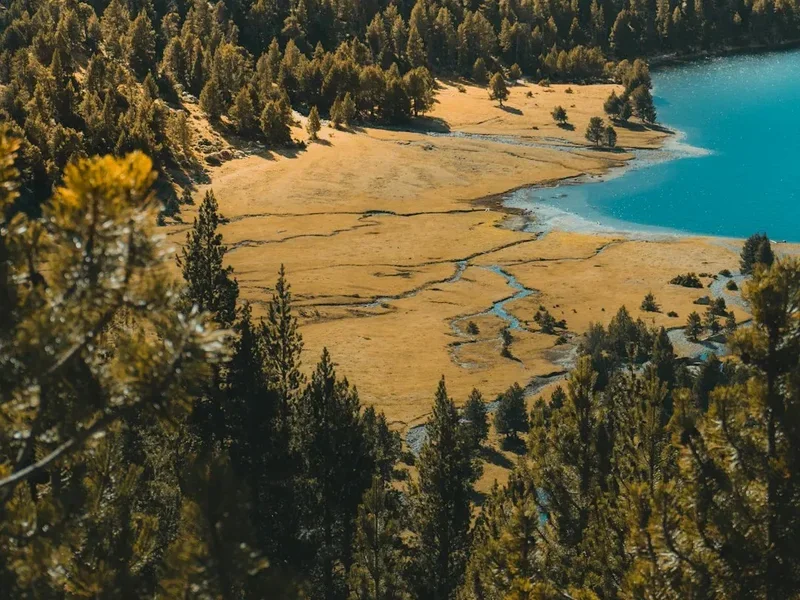
The Aigüestortes Lakes Loop is a quintessential Pyrenean high-mountain traverse, celebrated for its unparalleled concentration of glacial lakes, or "estanys" in Catalan. The name "Aigüestortes" itself translates to "Twisted Waters," a fitting description for the meandering streams and rivers that carve through the park's granite bedrock. This trek is not a single, well-trodden path but rather a network of trails that can be combined to form a loop, offering flexibility in duration and difficulty. The most popular iteration typically takes 4 to 5 days, taking hikers through a variety of landscapes, from the lush, forested valleys of the lower altitudes to the stark, scree-covered slopes and jagged peaks of the higher reaches.
The park's geology is dominated by granite, sculpted over millennia by glacial activity, which has left behind a stunning array of cirques, U-shaped valleys, and, most notably, hundreds of crystal-clear alpine lakes. These lakes, reflecting the surrounding peaks and the vast blue sky, are the defining feature of the Aigüestortes experience. The loop often incorporates ascents to panoramic viewpoints, offering sweeping vistas of this glacial wonderland. The trails are generally well-marked but can be steep and rocky, demanding good physical fitness and sure-footedness. The remoteness of the park ensures a profound sense of solitude, with encounters with other hikers often limited to the mountain refuges.
The best time to undertake this trek is from June to September, when snow has typically receded from the higher passes, and the weather is most stable. Even during this period, mountain weather can be unpredictable, with sudden storms, temperature drops, and strong winds being common. The refuges along the route provide essential accommodation and sustenance, offering a welcome respite and a chance to connect with fellow trekkers. The Aigüestortes Lakes Loop is an unforgettable journey for those who appreciate raw, untamed mountain scenery and the challenge of high-altitude trekking.
History and Cultural Context
The Aigüestortes i Estany de Sant Maurici National Park, established in 1955, is the only national park in Catalonia and one of the most important protected natural areas in the Pyrenees. Its history is deeply intertwined with the pastoral traditions of the surrounding valleys and the geological forces that shaped its dramatic landscape.
For centuries, the high mountain pastures of Aigüestortes were used by shepherds from the nearby villages, such as Espot and Boí, for summer grazing. The network of trails that now forms the basis of the hiking routes often follows ancient shepherd paths, connecting valleys and providing access to remote grazing areas. The mountain refuges, or "refugis," that dot the landscape have their origins in these traditional shepherd shelters and later became vital outposts for mountaineers and hikers exploring the region.
The geological history of the area is crucial to understanding its current form. The Pyrenees are a relatively young mountain range, and the dramatic sculpting by glaciers during the Quaternary period is evident everywhere. The characteristic U-shaped valleys, sharp arêtes, and the abundance of glacial lakes are direct results of this intense glacial erosion. The granite bedrock, resistant to weathering, has preserved these features, creating the unique and stunning scenery that defines the park.
In more recent times, the designation of the park as a protected area has been vital in preserving its natural beauty and biodiversity. The park is home to a rich array of flora and fauna, including chamois, marmots, and various bird species, as well as unique alpine plant communities. Conservation efforts focus on maintaining the delicate balance of this high-mountain ecosystem, ensuring that the "twisted waters" and their surrounding landscapes remain pristine for generations to come.
Seasonal Highlights and Weather Reality
The Aigüestortes Lakes Loop is a high-altitude trek, and its accessibility and character are heavily influenced by the seasons.
Spring (May): While the lower valleys may be greening, the higher passes and trails are still likely to be covered in snow. This period is generally not suitable for the full loop unless you possess advanced winter mountaineering skills and equipment. Snowmelt can also lead to swollen rivers and challenging stream crossings.
Summer (June to September): This is the prime season for hiking the Aigüestortes Lakes Loop. By June, most of the snow has melted from the trails and passes, making them accessible. The weather is generally more stable, with longer daylight hours. Wildflowers are abundant in the alpine meadows, and the lakes are at their most inviting. However, summer is also the busiest period, and mountain weather can still be unpredictable. Afternoon thunderstorms are common, bringing heavy rain, lightning, and a rapid drop in temperature. It is essential to be prepared for all conditions.
Autumn (October): The autumn colours can be spectacular, with the larch trees turning golden. The crowds thin out, offering a more tranquil experience. However, the weather becomes more unpredictable, with a higher chance of early snowfalls, particularly at higher elevations. Temperatures will be significantly colder, and daylight hours shorten. Some refuges may begin to close towards the end of October.
Winter (November to April): The park is largely inaccessible for hiking during winter due to heavy snow cover. The trails are buried, and the refuges are closed or operate with very limited facilities. This period is for experienced ski-tourers and winter mountaineers only, requiring specialised equipment and knowledge.
Weather Considerations: Regardless of the season, mountain weather is notoriously fickle. Expect rapid changes, with sunshine one moment and heavy rain or even snow the next. Temperatures can fluctuate significantly between day and night, and at higher altitudes. Always check the weather forecast before setting out and be prepared for cold, wet, and windy conditions, even in mid-summer.
Recommended Itinerary
4-Day Aigüestortes Lakes Loop Itinerary
Day 1: Espot to Refugi Ernest Mallafré
- Distance: Approximately 12 km
- Elevation gain: Approximately 800 m
- Time: 4-5 hours
- Start from the village of Espot.
- Follow the marked trail towards the Parc Nacional d'Aigüestortes i Estany de Sant Maurici.
- The initial ascent is steady, passing through pine and beech forests.
- Reach the stunning Estany de Sant Maurici, a large glacial lake with the iconic Pic de Peguera as a backdrop.
- Continue to Refugi Ernest Mallafré, located near the lake.
- Settle in and enjoy the views of the lake and surrounding peaks.
Day 2: Refugi Ernest Mallafré to Refugi Amitges
- Distance: Approximately 10 km
- Elevation gain: Approximately 700 m
- Time: 4-5 hours
- Depart from Refugi Ernest Mallafré.
- Ascend towards the higher alpine terrain, passing numerous smaller lakes.
- The trail becomes rockier and more exposed as you gain altitude.
- Cross the Port de Ratera (Ratera Pass), offering spectacular panoramic views.
- Descend towards Refugi Amitges, situated in a dramatic high-mountain setting.
- This day offers some of the most iconic lake scenery in the park.
Day 3: Refugi Amitges to Refugi Ventosa i Calders
- Distance: Approximately 15 km
- Elevation gain: Approximately 600 m
- Elevation loss: Approximately 500 m
- Time: 5-6 hours
- Leave Refugi Amitges and continue traversing the high mountain landscape.
- The route may involve crossing passes and navigating rocky terrain.
- Pass by more beautiful alpine lakes and enjoy the vastness of the park.
- Descend towards Refugi Ventosa i Calders, another well-situated refuge.
- This day involves significant high-level traversing and offers a true sense of wilderness.
Day 4: Refugi Ventosa i Calders to Espot
- Distance: Approximately 18 km
- Elevation loss: Approximately 1000 m
- Time: 5-6 hours
- Begin the descent back towards Espot.
- The trail will gradually lead you out of the high alpine zone and back into forested areas.
- Enjoy the final views of the Pyrenean peaks as you descend.
- The path can be steep in sections, so take care with your footing.
- Arrive back in the village of Espot, completing the loop.
Alternative 5-Day Itinerary: For a more relaxed pace or to explore more side areas, consider adding an extra day. This could involve a shorter hiking day between refuges, or dedicating a day to exploring a specific valley or summit from one of the refuges.
Important Notes:
- Refuge bookings are essential, especially during peak season (July-August).
- The trails are generally well-marked with GR (Grande Randonnée) or local trail markers.
- Carry a detailed map and compass/GPS device, as visibility can be poor in bad weather.
- Be prepared for significant temperature variations and potential for afternoon thunderstorms.
- Water sources are generally plentiful, but purification is recommended.
Planning and Bookings
Book Your Trip
Everything you need to plan your journey
Accommodation
Find places to stay near Vielha
Flights
Search flights to Vielha
Essential Preparation
The Aigüestortes Lakes Loop requires careful planning, particularly regarding accommodation and logistics. The closest major town with comprehensive services is Vielha, which is accessible by road from Toulouse (France) or Barcelona (Spain). Espot is the primary gateway village for the eastern side of the park, and Boí for the western side. Access to the park's interior is often restricted to foot traffic or specific park shuttle services during peak season to minimise environmental impact. Ensure you have a reliable way to reach your chosen starting point, whether that's by private vehicle (parking is available in Espot and Boí, but can be limited) or public transport. Researching the park's shuttle bus system, which operates between key access points and trailheads, is highly recommended. Given the remote nature of the trek, it's advisable to have a flexible itinerary to account for potential weather delays or personal pace.
Trail Accommodation
Accommodation along the Aigüestortes Lakes Loop is provided by mountain refuges (refugis). These are typically staffed during the hiking season and offer basic but comfortable facilities. Booking in advance is absolutely crucial, especially during the peak months of July and August, as they have limited capacity and are very popular.
Refuge Facilities:
- Dormitory-style bunk beds with mattresses and blankets. You will need your own sleeping bag liner.
- Communal dining area.
- Evening meal and breakfast service (usually half-board).
- Access to water (often from springs or streams; purification is recommended).
- Toilets and washbasins. Some refuges may have showers, but this is not guaranteed and often depends on water availability.
- Emergency communication (radio or satellite phone).
What's NOT Provided:
- Pillows or sleeping bags (a liner is mandatory).
- Cooking equipment or food for self-catering (unless specified by the refuge).
- Electricity for charging devices (limited charging points may be available in some refuges, but do not rely on them).
- Hot showers are not always available.
Seasonal Availability: Most refuges are open from June to September/October. Some may offer winter or off-season access with guardian services, but this requires specific arrangements and is for experienced winter hikers only. Always check the specific opening dates for the refuges you plan to use.
Costs: Prices vary between refuges and whether you are a member of a national hiking federation (e.g., FEEC in Catalonia). Expect to pay approximately €30-€50 per night for half-board (dinner and breakfast). Discounts are often available for federation members.
Booking Requirements: Bookings are typically made directly with the refuge via their website or by telephone. It is highly recommended to book several months in advance for peak season.
Required Gear
- Sturdy hiking boots: Waterproof, well broken-in, with good ankle support.
- Backpack: 40-60 litre capacity, with a rain cover.
- Waterproof jacket and trousers: Essential for protection against rain and wind.
- Warm layers: Fleece jacket or down vest, thermal base layers (merino wool or synthetic).
- Hat and gloves: Even in summer, temperatures can drop significantly at altitude.
- Sleeping bag liner: Mandatory for use in refuges.
- Head torch: With spare batteries, for use in refuges and early morning starts.
- Navigation tools: Detailed topographic map of the area, compass, and a GPS device or smartphone with offline maps.
- First-aid kit: Including blister treatment, pain relievers, antiseptic wipes, bandages, and any personal medications.
- Sun protection: High SPF sunscreen, sunglasses, and a wide-brimmed hat.
- Trekking poles: Highly recommended for stability on steep and rocky terrain.
What to Bring
- Food: While refuges provide meals, carry plenty of high-energy snacks (nuts, dried fruit, energy bars) for lunches and between meals.
- Water bottles or hydration reservoir: Capacity of at least 2 litres per person.
- Water purification method: Filter, purification tablets, or UV steriliser.
- Personal toiletries: Biodegradable soap, toothbrush, toothpaste, small towel.
- Toilet paper: While refuges have facilities, it's wise to carry a small supply.
- Hand sanitiser.
- Camera and spare batteries/power bank.
- Cash: For refuge payments (some may not accept cards) and small purchases.
- Personal identification and any relevant membership cards (e.g., hiking federation).
- Small backpack or daypack: For shorter excursions from refuges if desired.
Permits
The Aigüestortes i Estany de Sant Maurici National Park does not typically require specific permits for day hiking or multi-day treks along the established routes, provided you are staying in the designated refuges. However, there are some regulations to be aware of:
- Access Restrictions: During the peak summer months (typically July and August), access to certain areas of the park, particularly the main access roads leading to trailheads like Estany de Sant Maurici, may be restricted to private vehicles. A shuttle bus service is usually operated by the park authorities or concessionaires, and using this service is often mandatory. Check the official park website for the most current information on access and shuttle bus operations.
- Camping: Wild camping is generally prohibited within the national park to protect the fragile alpine environment. Hikers are expected to stay in the designated mountain refuges. If you intend to camp in permitted areas outside the park or in designated zones (if any exist), you must research local regulations thoroughly.
- Group Size: While not strictly enforced for small groups, large organised groups may require special authorisation.
- Fires: Open fires are strictly forbidden within the national park.
It is always advisable to consult the official website of the Parc Nacional d'Aigüestortes i Estany de Sant Maurici or the Catalan environmental authorities for the most up-to-date information on regulations, access, and any potential permit requirements before your trip.
Other Activities in the Area
Beyond the Aigüestortes Lakes Loop itself, the surrounding region offers a wealth of activities for nature enthusiasts and cultural explorers:
- Exploring the Boí Valley: This valley, a UNESCO World Heritage site, is renowned for its exceptionally well-preserved Romanesque churches, such as Sant Climent de Taüll and Santa Maria de Taüll. These architectural gems offer a glimpse into medieval art and history.
- Ascent of Pic d'Estats: For experienced mountaineers, the ascent of Pic d'Estats (3,143 m), the highest peak in Catalonia, is a challenging but rewarding objective. This typically requires additional days and advanced mountaineering skills.
- Photography: The park is a paradise for photographers, with its dramatic landscapes, crystal-clear lakes, and abundant wildlife. Sunrise and sunset over the lakes, particularly Estany de Sant Maurici, offer spectacular opportunities.
- Wildlife Spotting: Keep an eye out for chamois, marmots, ibex, and a variety of bird species, including eagles and vultures.
- Stargazing: Due to its remote location and minimal light pollution, the Aigüestortes National Park offers excellent conditions for stargazing.
- Via Ferrata: Several via ferrata routes are available in the vicinity of the park, offering a thrilling way to experience the vertical landscape for those with appropriate gear and experience.
- Local Gastronomy: Sample traditional Catalan mountain cuisine in the villages surrounding the park, featuring hearty stews, local cheeses, and cured meats.
Safety and Conditions
Weather: Mountain weather is highly unpredictable. Be prepared for rapid changes, including sudden storms, heavy rain, strong winds, and significant temperature drops, even in summer. Afternoon thunderstorms are common and can bring lightning and hail. Always check the forecast before you depart and be ready to alter your plans if conditions deteriorate.
Altitude: The trek reaches significant altitudes, with passes often exceeding 2,500 metres. Acclimatisation is important. Be aware of the symptoms of altitude sickness, such as headache, nausea, and dizziness. If symptoms persist or worsen, descend to a lower altitude.
Terrain: The trails can be steep, rocky, and uneven. Good quality hiking boots with ankle support are essential. Loose scree and rocky sections require careful footing. Trekking poles can significantly improve stability and reduce strain on your knees.
Water: While water sources are generally plentiful, it is strongly recommended to treat all water (filter, boil, or use purification tablets) to avoid waterborne illnesses.
Navigation: Trails are generally marked, but visibility can be severely reduced in fog or bad weather. Carry a detailed topographic map, compass, and a GPS device or smartphone with offline maps. Familiarise yourself with the route before you set off each day.
Refuge Safety: Follow the instructions of the refuge wardens. Be mindful of fire safety and conserve water and energy resources. Ensure your sleeping bag liner is clean and used correctly.
Emergency: In case of emergency, contact the refuge warden, who will have access to emergency communication systems. The general emergency number in Spain is 112. Carry a fully charged mobile phone, but be aware that signal coverage is unreliable in many parts of the park.
Wildlife: While generally shy, be aware of local wildlife. Do not approach or feed animals. Store food securely in refuges to prevent attracting rodents or other animals.
Insurance: Ensure you have adequate travel insurance that covers trekking at altitude and potential emergency evacuation.
Side Trips and Points of Interest
Estany de Sant Maurici: This is the most iconic lake in the park, with the dramatic Pic de Peguera (2,983 m) forming a stunning backdrop. The area around the lake is relatively accessible and offers beautiful walking opportunities. The reflection of the peak in the still waters is a photographer's dream, especially at sunrise or sunset.
Pic de Peguera: For experienced hikers with good fitness and navigation skills, the ascent of Pic de Peguera offers unparalleled panoramic views of the park. This is a challenging climb, typically requiring a full day and good weather conditions.
Circ de Colomèrs: This is a spectacular glacial cirque containing a large number of lakes, accessible from Refugi Amitges. A detour to explore this area can add significant beauty and interest to the trek, showcasing the park's glacial legacy in its purest form.
Refugi Ernest Mallafré: Even if not staying overnight, the area around this refuge offers excellent viewpoints of Estany de Sant Maurici and the surrounding peaks. It's a good spot for a picnic lunch.
Romanesque Churches of the Boí Valley: While not directly on the hiking loop, a visit to the nearby Boí Valley (accessible from the western side of the park) is highly recommended for its UNESCO World Heritage Romanesque churches. These ancient structures are architectural marvels and offer a rich cultural counterpoint to the natural beauty of the mountains.
Port de Ratera: This pass, often crossed on Day 2, provides a breathtaking vantage point over a vast expanse of lakes and peaks. It's a perfect spot to pause and absorb the scale of the Aigüestortes landscape.
Leave No Trace
The Aigüestortes i Estany de Sant Maurici National Park is a pristine alpine environment, and adhering to Leave No Trace principles is paramount to preserving its beauty and ecological integrity. As a visitor, you play a crucial role in ensuring the park remains wild and unspoiled for future generations.
- Plan Ahead and Prepare: Research the park's regulations, weather conditions, and your route thoroughly. Pack appropriately for the conditions and carry all necessary gear. Book accommodation in refuges well in advance.
- Travel and Camp on Durable Surfaces: Stick to marked trails to avoid damaging fragile vegetation. When resting or taking breaks, use established paths or rocky areas. Wild camping is prohibited within the park; use designated refuges for overnight stays.
- Dispose of Waste Properly: Pack out everything you pack in, including all food scraps, wrappers, and any other litter. Use the waste disposal facilities provided at the refuges. Do not bury or burn waste.
- Leave What You Find: Resist the temptation to take souvenirs such as rocks, plants, or flowers. Leave the natural and cultural heritage of the park as you found it.
- Minimise Campfire Impacts: Campfires are strictly prohibited within the national park. Use only the cooking facilities provided in the refuges.
- Respect Wildlife: Observe wildlife from a distance and never feed them. Feeding animals can disrupt their natural behaviours and diets, and can be harmful to their health. Store food securely to prevent attracting animals.
- Be Considerate of Other Visitors: Keep noise levels down, especially in refuges and natural areas. Yield to other hikers on narrow trails. Respect the tranquility of the wilderness.
By following these principles, you contribute to the long-term conservation of this extraordinary mountain landscape.
 Spain
Spain