
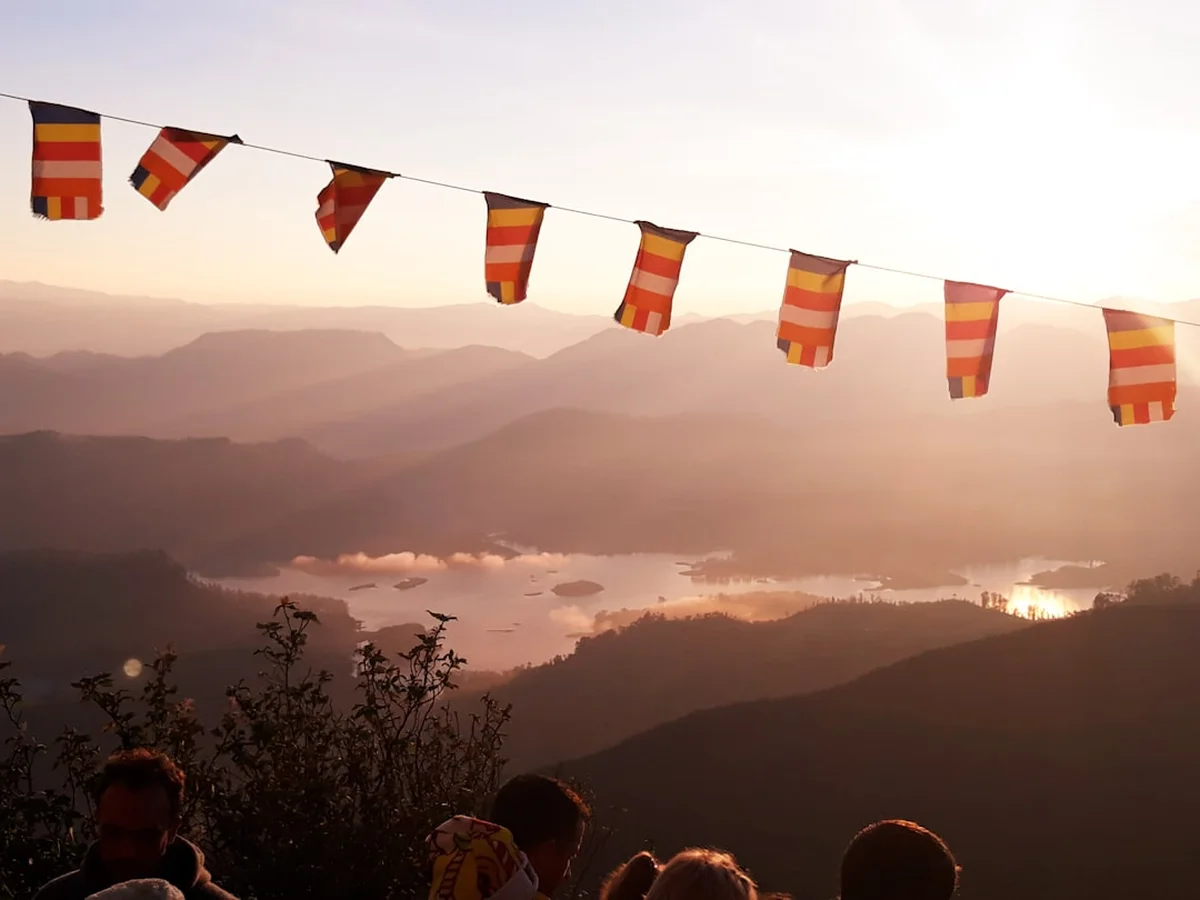
Adam's Peak (Sri Pada) - The Sacred Ascent of Sri Lanka
Adam's Peak, known locally as Sri Pada (the Sacred Footprint) or Samanalakanda (Butterfly Mountain), is not merely a hiking trail; it is a profound spiritual odyssey that has drawn pilgrims for over a millennium. Rising 2,243 metres above the lush jungles of the Central Highlands, this conical mountain holds a unique position in the world as a site of veneration for four major religions. To Buddhists, the indentation at the summit is the footprint of the Buddha; to Hindus, it is the footprint of Lord Shiva (Shiva Padam); to Muslims and Christians, it is the spot where Adam first set foot on Earth after being exiled from Eden. This shared sanctity creates an atmosphere of communal devotion that is perhaps unmatched anywhere else on the planet.
The journey is defined by its verticality. Unlike traditional mountain treks that wind through switchbacks, the ascent of Adam's Peak is a relentless climb up thousands of stone steps. The most traditional and challenging route, starting from Ratnapura (the Palabaddala trail), covers approximately 30 kilometres round trip and involves an elevation gain of over 1,000 metres. Most travellers opt for the shorter but still demanding Nallathanniya (Dalhousie) route, but regardless of the path chosen, the goal remains the same: to reach the summit before dawn to witness the "Ira Sewaya"—the spectacular sunrise where the mountain casts a perfect triangular shadow across the surrounding mist-covered plains. This is a test of physical endurance, mental fortitude, and spiritual resolve, set against the backdrop of the Peak Wilderness Sanctuary, one of Sri Lanka's most biodiverse and ecologically significant regions.
- Distance: 30.0 km (Ratnapura/Palabaddala round trip)
- Elevation Gain: 1,000 m+
- Duration: 1 day (typically 6–10 hours depending on route and pace)
- Difficulty: Challenging (high physical exertion on knees and calves)
- Highest Point: 2,243 m (Summit Shrine)
- Best Time: December to April (Pilgrimage Season)
- Closest City: Ratnapura or Hatton (via Nallathanniya)
Overview
Adam's Peak is the fourth highest mountain in Sri Lanka, but its isolation and striking conical profile make it the most dramatic. Located in the southern reaches of the Central Highlands, it serves as a watershed for the island's major rivers, including the Mahaweli and the Kelani. The mountain is encased within the Peak Wilderness Sanctuary, a vast expanse of tropical rainforest that remains one of the last strongholds for the Sri Lankan leopard and numerous endemic bird species. However, for the hundreds of thousands who climb it annually, the primary focus is the stone staircase that leads to the heavens.
The climb is traditionally performed at night. Starting around midnight, pilgrims and hikers begin their ascent under the glow of string lights that snake up the mountainside like a glowing ribbon. The air, initially humid and warm at the base, turns progressively colder and thinner as the altitude increases. The path is lined with "ambalamas" (rest stops) and small tea stalls where weary climbers can find "roti", ginger tea, and encouragement. The experience is defined by the rhythmic chanting of "Karunawai" (peace/kindness) by pilgrims, a mantra that echoes through the darkness and provides a shared cadence for the struggle upward.
The physical demand of Adam's Peak should not be underestimated. While the path is paved with stone and concrete steps, the sheer number of them—estimated between 5,000 and 6,000 on the shorter route and significantly more on the Ratnapura route—places immense strain on the joints. The final section, known as the "Mahagiridambe" (The Great Rock Climb), is particularly steep, requiring climbers to use iron railings for support. Yet, the reward at the summit is transformative. As the first light of dawn breaks, the religious ceremonies begin with the sounding of bells and the blowing of conch shells, coinciding with a sunrise that paints the sky in hues of violet, gold, and crimson. It is a moment of collective triumph and individual reflection that stays with a person long after the descent is completed.
History and Cultural Context
The history of Adam's Peak is a tapestry of myth, legend, and recorded historical accounts spanning over 2,000 years. The earliest recorded mention of the mountain as a site of pilgrimage dates back to the reign of King Valagamba (1st century BCE), who is said to have discovered the sacred footprint while in exile in the mountain's caves. Later, King Vijayabahu I (1055–1110 CE) constructed rest houses and cleared paths for pilgrims, an act recorded in the "Ambagamuwa" rock inscription. For the Sinhalese people, the mountain is the abode of the deity Saman (Sumana Saman), one of the four guardian gods of Sri Lanka, who is said to have invited the Buddha to leave his footprint on the summit during his third visit to the island.
International recognition of the peak came through the accounts of legendary travellers. The 14th-century Moroccan explorer Ibn Battuta climbed the mountain and provided a detailed description of the "Footprint of our father Adam," noting the chains installed on the steeper sections to assist climbers—chains that some legends attribute to Alexander the Great. Marco Polo, writing in the 13th century, also mentioned the mountain, though he focused more on the religious relics associated with it. The mountain's name "Samanalakanda" refers to the annual migration of thousands of yellow butterflies (Samanala) that appear to be flying toward the summit to pay their respects, a phenomenon that continues to fascinate naturalists today.
Throughout the colonial era, the mountain remained a focal point of interest for British surveyors and naturalists. They were captivated by the "Shadow of the Peak," a meteorological phenomenon where the rising sun casts a perfectly symmetrical triangular shadow of the mountain onto the clouds below, regardless of the mountain's actual irregular shape. Today, the cultural context remains deeply rooted in the concept of "merit." For many Sri Lankans, climbing the peak is a rite of passage; it is common to see elderly grandparents being carried up in chairs or young children making the climb on their own feet, all seeking the spiritual blessing associated with the summit shrine.
Want more background? Read extended notes on history and cultural context → Learn more
Seasonal Highlights and Weather Reality
The experience of Adam's Peak is fundamentally dictated by the "Siripa Season," which traditionally begins on the Unduvap Full Moon Poya Day in December and concludes on the Vesak Full Moon Poya Day in May. During this window, the weather is at its driest, the path is fully illuminated by electric lights, and all the tea stalls and medical outposts are operational. This is the only time when the summit shrine is open for worship and the religious ceremonies are held daily.
Within the season, the busiest times are during "Poya" (full moon) days and the Sinhalese New Year in April. During these periods, the crowds can be overwhelming, with queues for the summit lasting five to eight hours. For those seeking a balance between good weather and manageable crowds, mid-week climbs in January or February are ideal. The temperature at the base may be a pleasant 20–25°C, but at the summit, it frequently drops to 5–10°C before dawn, often accompanied by a biting wind that makes it feel much colder.
The "Off-Season" (May to November) presents a completely different challenge. The mountain is lashed by the Southwest Monsoon, bringing heavy rains, thick mist, and strong winds. The lights are turned off, the stalls are boarded up, and the summit shrine is closed. Climbing during this time is only recommended for experienced hikers with high-quality wet-weather gear and powerful headlamps. The path becomes incredibly slippery, and leeches are a significant nuisance in the lower forested sections. However, for the intrepid, the off-season offers a solitary, raw experience of the mountain's natural power, free from the noise and commercialisation of the pilgrimage months.
Recommended Itinerary
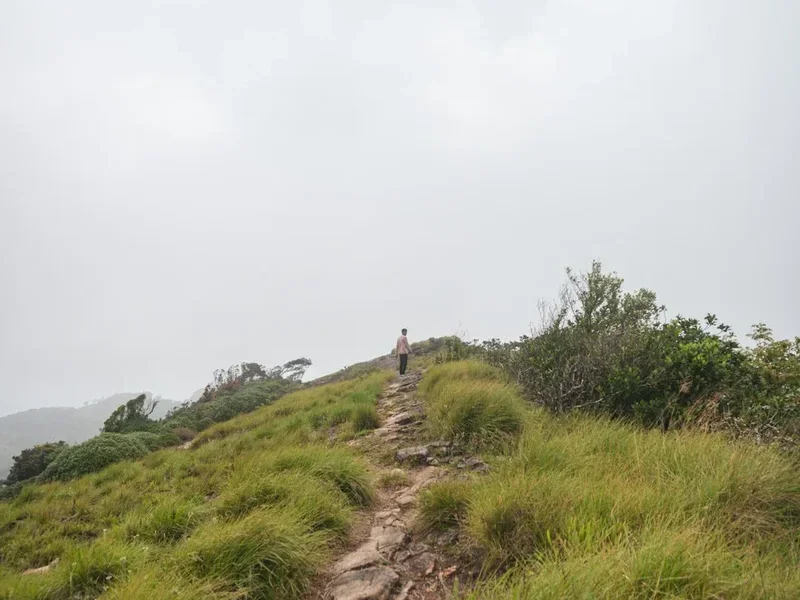
The Classic Night Ascent (Nallathanniya Route)
Late Night: The Departure (22:00 – 00:00)
- Start at the trailhead in Nallathanniya (Dalhousie) village.
- Pass through the initial archway where you may be asked to sign a guest book or receive a traditional white string blessing.
- The first 1.5 kilometres are relatively gentle, passing through small shops and the Japanese Peace Pagoda.
- Cross the bridge over the Seetha Gangula (Cold River), where many pilgrims perform ritual ablutions.
- The gradient begins to increase as you enter the forest zone.
Midnight: The Long Climb (00:00 – 03:00)
- The path becomes a continuous series of stone steps.
- Pass through the "Indikatupana" (Place of the Needle), where pilgrims traditionally thread needles and leave them on the bushes.
- Take frequent breaks at the ambalamas to hydrate and maintain a steady heart rate.
- The air begins to cool significantly; this is the time to add a light layer of clothing.
- Observe the changing vegetation from tropical forest to stunted montane "cloud forest" trees.
Pre-Dawn: The Mahagiridambe (03:00 – 05:00)
- Reach the final, steepest section of the climb.
- The steps here are narrow and the incline is severe; use the iron railings provided.
- In peak season, this is where the "bottleneck" occurs; be prepared to wait patiently in line.
- Arrive at the summit platform (2,243 m).
- Find a spot on the eastern side of the platform to wait for the sunrise.
Sunrise: The Ira Sewaya (05:30 – 07:00)
- Witness the spectacular sunrise over the Peak Wilderness and the Maskeliya Reservoir.
- Observe the religious rituals: the ringing of the bell (once for every time you have climbed the peak) and the offerings at the footprint shrine.
- Look to the west to see the "Shadow of the Peak" cast perfectly onto the mist.
- The summit can be extremely crowded and cold; keep your warm layers on until you begin the descent.
Morning: The Descent (07:00 – 10:00)
- Begin the descent back down the same path.
- The descent is often harder on the legs than the ascent; take small, controlled steps to protect your knees.
- Enjoy the views that were hidden in the darkness during the climb—lush green valleys and distant waterfalls.
- Arrive back in Nallathanniya for a well-earned breakfast and rest.
Important Notes:
- The Ratnapura (Palabaddala) route is much longer (7–9 hours one way) and is recommended only for very fit hikers.
- Always carry a headlamp, even during the lit season, as power cuts can occur.
- Respect the religious nature of the site: remove shoes before entering the summit shrine area and dress modestly.
- Avoid climbing on Poya days if you want to avoid extreme crowds.
Planning and Bookings
Book Your Trip
Everything you need to plan your journey
Accommodation
Find places to stay near Ratnapura
Flights
Search flights to Ratnapura
Essential Preparation
Planning for Adam's Peak requires more physical preparation than logistical booking. Unlike many world-class trails, there is no booking system for the mountain itself, and no permits are required for the ascent. However, your fitness is the primary "permit" you need. The climb involves thousands of steps, which can be punishing for those not accustomed to vertical gain. It is highly recommended to engage in stair-climbing or hill-walking exercises for at least two weeks prior to the trip.
Logistically, you must decide on your base. Nallathanniya (also known as Dalhousie) is the most popular base for the shorter route. It is accessible via a bus or taxi from Hatton, which is a major stop on the scenic Colombo-Kandy-Ella railway line. If you choose the more arduous Ratnapura route, you will need to travel to Ratnapura city and then take local transport to the Palabaddala trailhead. Ensure you have arranged your transport back from the trailhead in advance if you are not staying overnight in the village, as public transport can be sparse in the early morning hours.
Trail Accommodation
There is no accommodation on the mountain itself, other than basic rest shelters (ambalamas) which are intended for short breaks rather than overnight stays. Most hikers stay in the villages at the base of the trail.
Nallathanniya (Dalhousie) Options:
- Numerous guesthouses and "hotels" ranging from basic backpacker rooms to mid-range lodges.
- Most provide "short-stay" rates for hikers who arrive in the evening and depart at midnight.
- Facilities usually include hot showers (essential after the climb) and basic restaurants.
- During peak season (especially Poya days), these can book out weeks in advance.
Ratnapura/Palabaddala Options:
- Accommodation is more limited and generally more basic than in Nallathanniya.
- Small family-run guesthouses are the norm.
- It is advisable to stay in Ratnapura city if you require higher-end facilities, though this adds travel time to the trailhead.
What is NOT provided:
- There are no formal campsites on the trail.
- There are no blankets or sleeping facilities in the ambalamas.
- The summit shrine area does not allow sleeping or loitering after the sunrise ceremonies.
Required Gear
- Footwear: Sturdy trainers with good grip or lightweight hiking boots. Heavy leather boots are generally unnecessary as the path is paved, but ankle support is helpful for the descent.
- Clothing Layers: A moisture-wicking base layer, a warm fleece or down jacket for the summit, and a windproof/waterproof outer shell.
- Headlamp: Essential for the off-season and a vital backup during the pilgrimage season in case of power failure.
- Knee Support: If you have a history of knee issues, bring compression sleeves or trekking poles (though poles can be cumbersome on narrow stairs).
- Small Backpack: 15–25L capacity to carry your layers, water, and snacks.
- Dry Bag: To keep your spare clothes dry in case of sudden tropical downpours.
What to Bring
- Water: At least 2 litres per person. While there are stalls selling bottled water, prices increase with altitude and the environmental impact of plastic is significant.
- High-Energy Snacks: Dates, nuts, chocolate, or energy bars. Traditional Sri Lankan snacks like "aggala" (peppered rice balls) are excellent for sustained energy.
- Personal First Aid: Plasters (band-aids) for blisters, paracetamol for altitude headaches, and muscle rub (like Tiger Balm) for the descent.
- Toiletries: Hand sanitiser and toilet paper (public toilets on the trail are very basic).
- Cash: Small denominations of Sri Lankan Rupees for tea stalls, donations at the temple, and the "shoe-keeping" fee at the summit.
- Modest Clothing: A sarong or large scarf to cover shoulders and legs when entering the sacred summit area.
- Socks: An extra pair of thick socks. You must remove your shoes at the summit, and the stone floor can be freezing cold while you wait for sunrise.
Permits
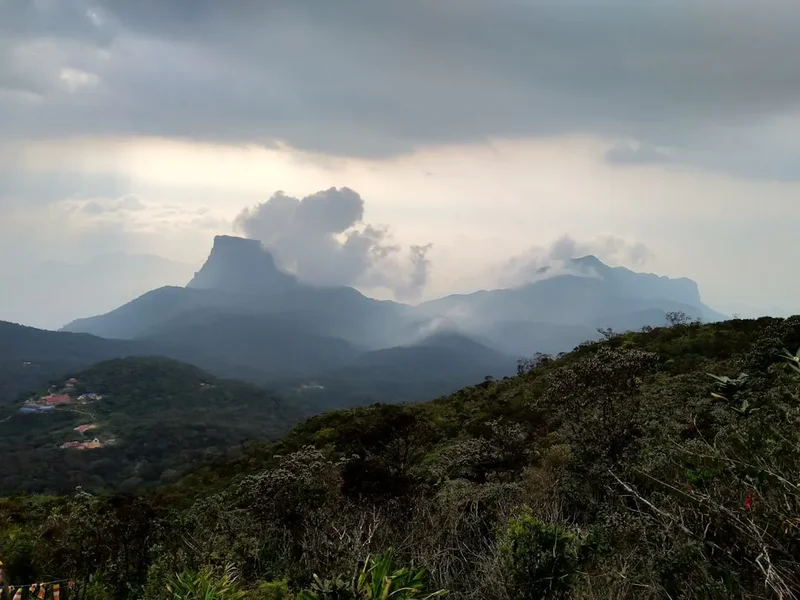
One of the most appealing aspects of Adam's Peak for independent travellers is that no formal permits or entry fees are required by the Sri Lankan government or the Department of Wildlife Conservation to climb the mountain. The trail is open to all, reflecting its status as a public place of worship.
Registration and Donations:
- At the start of the Nallathanniya trail, there is often a police checkpoint or a temple registration desk. You may be asked to provide your name and nationality in a logbook. This is primarily for safety and statistical purposes.
- You will encounter several points where Buddhist monks or volunteers may ask for a donation to maintain the path or the summit shrine. These are voluntary, but contributing a small amount (200–500 LKR) is considered respectful and supports the local community that manages the trail's infrastructure.
- At the summit, there is a traditional "shoe-keeping" area. While there is no fixed price, a small tip is expected when you retrieve your footwear.
Off-Season Access: During the off-season (May–November), there are no restrictions on climbing, but you should inform your guesthouse or the local police of your intentions, as the conditions can be hazardous and there are fewer people on the mountain to assist in case of an emergency.
Other Activities in the Area
The region surrounding Adam's Peak is part of Sri Lanka's "Tea Country" and offers several other attractions for nature lovers and cultural enthusiasts:
- Tea Factory Tours: The area around Hatton is home to some of the world's finest Ceylon tea estates. Many factories, such as the Norwood or Castlereagh estates, offer guided tours explaining the process from leaf to cup.
- Laxapana and Aberdeen Falls: Two of Sri Lanka's most beautiful waterfalls are located within a short drive of the Nallathanniya trailhead. They offer great photography opportunities and a refreshing break for tired legs.
- Castlereagh Reservoir: A stunning turquoise lake surrounded by emerald tea bushes. You can take a boat ride or simply enjoy a picnic on its banks.
- The Kandy-Ella Train Journey: Often cited as the most beautiful train ride in the world, the track passes through Hatton. Taking this train to or from your Adam's Peak adventure is a highlight of any Sri Lankan itinerary.
- Ratnapura Gem Museums: If you take the Ratnapura route, visit the "City of Gems" to learn about the mining of sapphires and rubies that has made this region famous for centuries.
Safety and Conditions
Physical Strain and Altitude: The primary safety concern on Adam's Peak is physical exhaustion. The climb is a "stairmaster" of epic proportions. Dehydration and muscle cramps are common. While 2,243 metres is not high enough for severe Acute Mountain Sickness (AMS), the rapid ascent can cause mild headaches or dizziness in some individuals. Pace yourself, breathe deeply, and do not feel pressured by the speed of the local pilgrims.
Weather Hazards: The weather can change with terrifying speed. Even in the dry season, a sudden thunderstorm can make the stone steps incredibly slick. In the off-season, the wind at the summit can be strong enough to knock a person off balance. Always check the local forecast and be prepared to turn back if conditions deteriorate. Hypothermia is a genuine risk at the summit if you are wet and under-dressed while waiting for the sunrise.
Crowd Management: On peak days, the sheer volume of people creates a safety risk. The "bottlenecks" on the steep upper sections can lead to crushing if people become impatient. If you find yourself in a dense crowd, stay calm, keep your hands free, and follow the instructions of the police officers who are often stationed at the summit to manage the flow of people.
Wildlife: The Peak Wilderness is home to leopards, though they are elusive and rarely seen near the lit path. More common are the monkeys (macaques and langurs), which can be aggressive if they see food. Keep your snacks tucked away and do not feed them. Leeches are prevalent in the lower sections, especially after rain; use salt or leech socks if climbing in the off-season.
Emergency Services: During the pilgrimage season, there are basic medical outposts manned by volunteers and the Sri Lankan Red Cross along the Nallathanniya route. However, for serious injuries, evacuation is difficult and usually involves being carried down by hand. Ensure you have comprehensive travel insurance that covers medical evacuation.
Side Trips and Points of Interest
The Japanese Peace Pagoda: Located near the start of the Nallathanniya trail, this beautiful white stupa was built by the famous Japanese monk Nichidatsu Fujii. It offers a moment of serene contemplation before the rigours of the climb and provides one of the best daytime views of the peak's conical summit.
Seetha Gangula (The Cold River): This mountain stream is a significant landmark. Pilgrims believe the water is holy and use it for ritual washing. For the hiker, it is a place to splash cold water on the face and rejuvenate. There are several small stalls here selling "Lunu Miris" (chilli paste) and hot roti, which are highly recommended.
The "Needle" Bushes (Indikatupana): Look for sections of the trail where the railings or bushes are covered in white thread. This is a tradition where first-time climbers (called "Kodukarayo") thread a needle and leave it behind, symbolising the Buddha mending his saffron robe at this spot. It is a delicate and beautiful sight amidst the rugged stone path.
The Summit Bell: Once you reach the top, you will see a large bronze bell. It is tradition to ring it once for every successful ascent you have made. The sound of the bell echoing across the mountains in the pre-dawn light is one of the most iconic experiences of the journey.
Bhagava Cave: Located about 30 metres below the summit on the Ratnapura path, this cave contains 12th-century inscriptions by King Nissanka Malla and a figure of the Buddha. It was used as a shelter by ancient kings and explorers like Ibn Battuta.
Leave No Trace
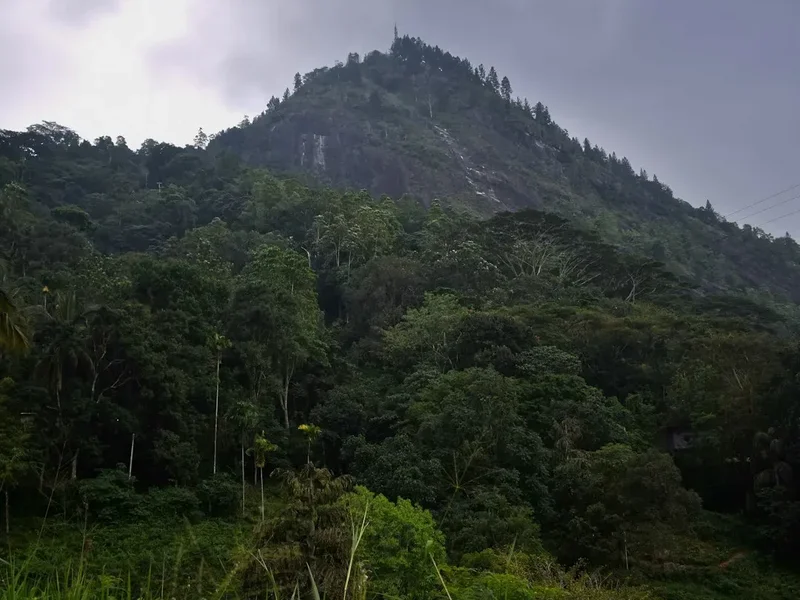
Adam's Peak faces a massive environmental challenge. With hundreds of thousands of visitors each year, the accumulation of plastic waste and sewage is a threat to the delicate ecosystem of the Peak Wilderness Sanctuary. As a visitor, you have a responsibility to minimise your impact on this sacred site.
Environmental Guidelines:
- Zero Plastic Policy: Sri Lanka has implemented bans on single-use plastics on the mountain. Avoid bringing plastic water bottles if possible; use a reusable bladder or bottle. If you must bring plastic, you are strictly required to carry it back down with you.
- Stay on the Path: The stone steps are there for a reason. Stepping off the path to bypass crowds tramples rare montane vegetation and contributes to soil erosion.
- Respect the Silence: While the chanting of pilgrims is part of the experience, avoid playing loud music or shouting. The mountain is a place of prayer for many.
- Waste Disposal: Use the designated bins at the ambalamas, but better yet, pack out all your trash, including organic waste like banana peels, which can take a long time to decompose in the cool mountain air.
- No Graffiti: Do not carve names or messages into the rocks, trees, or railings. This is a sacred site and a protected wilderness area.
 Spain
Spain