
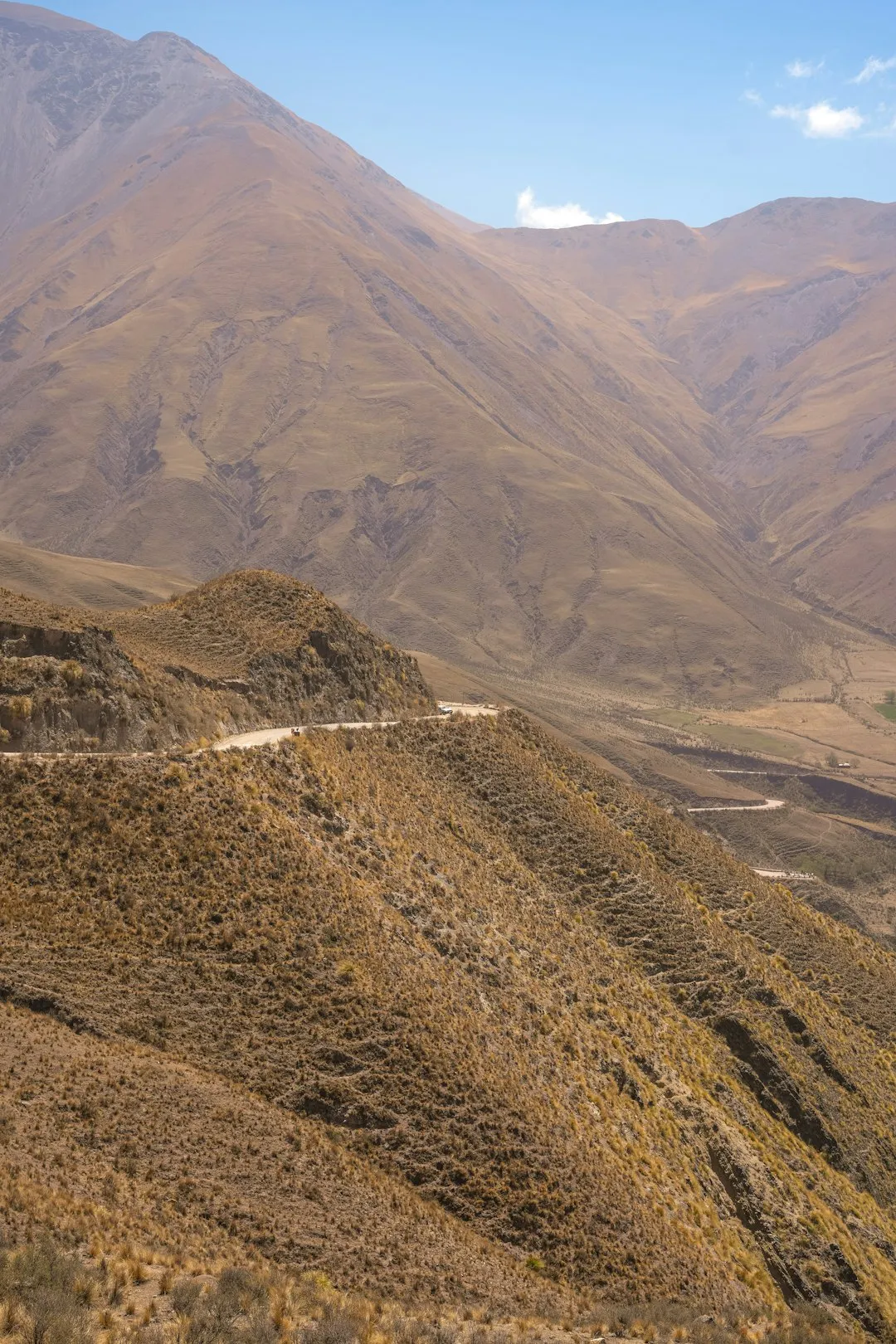
Aconcagua Normal Route - The Highest Trek in the Americas
The Aconcagua Normal Route is the most popular and accessible way to summit the highest peak outside of Asia, standing at a formidable 6,961 metres (6,961 m). Located in the heart of the Andes in Argentina, this route offers a challenging yet achievable high-altitude trekking experience for experienced mountaineers. It is not a technical climb in the traditional sense, relying more on endurance, acclimatisation, and mental fortitude than advanced climbing skills. The journey begins with a trek through the stunning Uspallata Valley, gradually ascending through arid landscapes, past impressive rock formations, and into the stark beauty of the high Andes. The route culminates in a demanding final push to the summit, offering unparalleled panoramic views of the surrounding Andean range.
- Country: Argentina
- Category: Mountain Track
- Distance: 60.0 km (round trip)
- Elevation Gain: 3,000 m
- Duration: 12–15 days
- Difficulty: Very Challenging (High Altitude Mountaineering)
- Best Time: December to February (Argentine Summer)
- Closest City: Mendoza
- Trailhead Access: Fly to Mendoza (MDZ). Bus to Penitentes (approx. 3 hours), then taxi/remis to Horcones trailhead. Road is paved. Parking available. Aconcagua Park entry permit required in advance.
- Coordinates: -32.6532, -70.0109
Overview
The Aconcagua Normal Route is a classic high-altitude trek that tests the limits of human endurance. It is a journey that demands meticulous planning, rigorous physical preparation, and a deep respect for the mountain's power. Unlike many technical climbs, the Normal Route is primarily a trek, albeit at extreme altitudes. The ascent is gradual, allowing for acclimatisation, but the sheer scale of the mountain and the thin air present significant challenges. The route winds through a series of progressively higher base camps, each serving as a stepping stone towards the summit. The landscape transitions from arid foothills to barren scree slopes and finally to snow and ice as one approaches the higher altitudes.
The journey typically begins at the Horcones Valley, a relatively gentle introduction to the Andean environment. As trekkers ascend, they pass through the Confluencia camp, a vibrant hub for climbers, before continuing into the vast Uspallata Valley. The route then progresses through various established camps, including Plaza de Mulas (the main base camp), Camp Canada, Camp Borreras, Camp Piedras Blancas, Camp Independencia, and finally Camp Colera (also known as Camp 3). Each camp represents a significant altitude gain and a further step into the extreme environment of Aconcagua.
The final push to the summit from Camp Colera is the most demanding part of the expedition. It involves navigating steep scree slopes, icy sections, and the infamous "Cruce de los Vientos" (Cross of the Winds), a high-altitude saddle exposed to fierce winds. The summit itself, while not technically difficult, is a place where the effects of altitude are most pronounced. Reaching the summit offers an unparalleled sense of accomplishment and breathtaking 360-degree views of the Andes, a reward for the immense effort invested.
The Normal Route is popular because it offers the highest peak outside of Asia without requiring advanced technical climbing skills. However, it is crucial to understand that "non-technical" does not mean "easy." The altitude, extreme weather, and sheer physical exertion make it a serious undertaking, suitable only for those with prior high-altitude trekking experience and excellent physical condition.
History and Cultural Context
The Andes, and Aconcagua in particular, have a rich history intertwined with indigenous cultures and early European exploration. For centuries, indigenous peoples of the Andes, such as the Incas, revered the mountains as sacred deities (Apus). While there is no definitive evidence of pre-Columbian ascents of Aconcagua, it is believed that the Incas may have used its summit for religious ceremonies or astronomical observations, given its prominence in the landscape.
The first documented European attempt to climb Aconcagua was in 1897 by Matthias Zurbriggen, a Swiss guide working for the British explorer Edward FitzGerald. FitzGerald's expedition aimed to conquer the highest peak in the Americas. Zurbriggen, after several attempts and enduring harsh conditions, successfully reached the summit on 14 January 1897, marking the first recorded ascent of Aconcagua. This achievement was a significant milestone in the history of mountaineering.
Following FitzGerald's expedition, Aconcagua became a target for mountaineers from around the world. Over the decades, various routes were explored and climbed, with the Normal Route eventually becoming the most established and popular. The development of infrastructure, such as base camps and established trails, has made the mountain more accessible, though it remains a formidable challenge. The establishment of the Aconcagua Provincial Park in 1983 has helped to manage the increasing number of visitors and protect the fragile mountain environment.
Today, Aconcagua is a symbol of high-altitude adventure and a pilgrimage for mountaineers seeking to test their limits. The park attracts thousands of visitors annually, drawn by the allure of standing on the roof of the Americas. The legacy of early explorers and the enduring cultural significance of the Andes continue to shape the experience of climbing Aconcagua.
Seasonal Highlights and Weather Reality
The climbing season for Aconcagua is strictly limited to the austral summer, which runs from December to February. This period offers the most favourable weather conditions, though "favourable" in the Andes is a relative term.
December: The beginning of the season. Snowfall is more common, and temperatures can be colder. The trails may still have significant snow cover, especially at higher altitudes. However, there are fewer climbers, offering a more solitary experience. The days are long, providing ample daylight for climbing.
January: This is typically the peak of the climbing season. The weather is generally more stable, with less snowfall and warmer temperatures. However, it is also the busiest month, with more climbers at base camps and on the routes. The long daylight hours are a significant advantage for summit attempts.
February: The end of the season. While still within the climbing window, the weather can become more unpredictable. There is an increased chance of early autumn storms, and temperatures begin to drop. Snowfall can increase again, and the days start to shorten. However, it can still offer excellent climbing opportunities with fewer crowds than January.
Weather Reality: Aconcagua is notorious for its extreme and rapidly changing weather. Even during the summer months, climbers can encounter fierce winds (often exceeding 100 km/h), sudden snowstorms, and plummeting temperatures. The "wind chill factor" is a significant consideration, making exposed conditions feel much colder than the actual air temperature. Altitude sickness is a constant threat, and the thin air at high elevations exacerbates the effects of cold and wind. It is essential to be prepared for all conditions, regardless of the time of year within the climbing season.
Recommended Itinerary
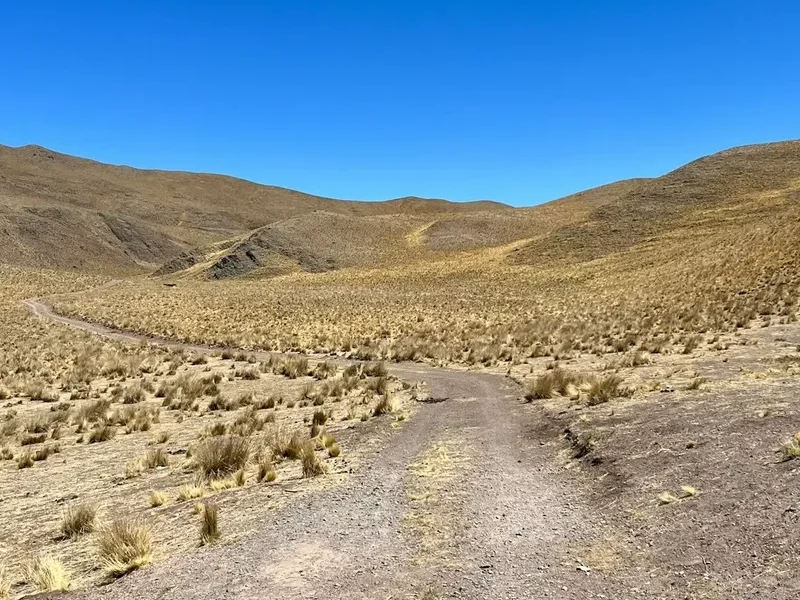
Aconcagua Normal Route - Sample Itinerary (14 Days)
Day 1: Arrival in Mendoza & Preparation
- Arrive in Mendoza (MDZ).
- Meet your expedition operator, final gear check, and briefing.
- Obtain park permits and necessary documentation.
- Rest and acclimatise to the city's altitude (approx. 750 m).
Day 2: Transfer to Penitentes & Horcones Trailhead
- Bus transfer from Mendoza to Penitentes (approx. 3 hours, altitude approx. 2,500 m).
- Short drive to the Horcones trailhead (approx. 2,950 m).
- Begin the trek into the Aconcagua Provincial Park.
- Hike to Confluencia camp (approx. 3,400 m).
- Distance: 8 km
- Time: 3–4 hours
Day 3: Acclimatisation Hike to Plaza Francia
- Day hike to Plaza Francia (approx. 4,200 m) for acclimatisation and stunning views of the South Face of Aconcagua.
- Return to Confluencia camp.
- Distance: 16 km (round trip)
- Time: 6–8 hours
Day 4: Trek to Plaza de Mulas (Base Camp)
- Trek through the Uspallata Valley towards Plaza de Mulas.
- This is a long, relatively flat day, allowing for further acclimatisation.
- Arrive at Plaza de Mulas (approx. 4,300 m), the main base camp.
- Distance: 18 km
- Time: 6–8 hours
Day 5: Rest and Acclimatisation at Plaza de Mulas
- Rest day at Plaza de Mulas.
- Organise gear, hydrate, and continue acclimatising.
- Optional short acclimatisation hikes in the vicinity.
Day 6: Trek to Camp Canada
- Ascend to Camp Canada (approx. 4,900 m).
- The terrain becomes steeper and more challenging.
- Distance: 5 km
- Time: 3–4 hours
Day 7: Acclimatisation Hike to Camp Borreras
- Day hike to Camp Borreras (approx. 5,300 m) for acclimatisation.
- Return to Camp Canada.
- Distance: 4 km (round trip)
- Time: 3–4 hours
Day 8: Trek to Camp Borreras
- Move camp to Camp Borreras (approx. 5,300 m).
- This camp is exposed and can be very windy.
- Distance: 4 km
- Time: 3–4 hours
Day 9: Acclimatisation Hike to Camp Piedras Blancas / Camp Independencia
- Ascend towards Camp Piedras Blancas (approx. 5,500 m) or Camp Independencia (approx. 6,000 m) for acclimatisation.
- Return to Camp Borreras.
- Distance: Varies
- Time: Varies
Day 10: Trek to Camp Independencia
- Ascend to Camp Independencia (approx. 6,000 m).
- This camp is often referred to as "Camp Berlin" or "Camp High Camp."
- The altitude here is extreme, and acclimatisation is critical.
- Distance: 5 km
- Time: 4–5 hours
Day 11: Summit Push - Camp Independencia to Summit & Return to Plaza de Mulas
- Very early start (e.g., 3:00 AM) for the summit push.
- Ascend via the "Cruce de los Vientos" and the summit ridge.
- Reach the summit of Aconcagua (6,961 m).
- Descend back to Camp Independencia, then continue down to Plaza de Mulas. This is a very long and demanding day.
- Distance: Approx. 15 km (summit push and descent)
- Time: 12–16 hours
Day 12: Trek from Plaza de Mulas to Horcones Trailhead
- Trek back down the Uspallata Valley to the Horcones trailhead.
- Distance: 26 km
- Time: 7–9 hours
Day 13: Transfer to Mendoza
- Transfer from Horcones trailhead back to Mendoza.
- Celebration dinner and rest.
Day 14: Departure from Mendoza
- Depart from Mendoza.
Important Notes:
- This itinerary is a sample and can vary significantly based on weather, acclimatisation, and individual pace.
- Expedition operators will have their own detailed itineraries.
- Acclimatisation days are crucial and should not be skipped.
- Summit attempts are highly weather-dependent.
- The descent from the summit to Plaza de Mulas in one day is extremely challenging and often split into two days by some operators.
Planning and Bookings
Book Your Trip
Everything you need to plan your journey
Accommodation
Find places to stay near Mendoza
Flights
Search flights to Mendoza
Essential Preparation
Climbing Aconcagua requires extensive preparation, both physically and logistically. The most critical aspect is physical fitness. Climbers must have a high level of cardiovascular endurance and strength, developed through consistent training over several months. This includes regular aerobic exercise (running, cycling, swimming) and strength training, with a focus on legs and core. Prior experience with high-altitude trekking or mountaineering is highly recommended, as it helps in understanding how your body reacts to thin air and extreme conditions.
Logistically, booking with a reputable expedition operator is essential. These operators handle permits, park fees, transport, food, and often provide guides and support staff. It is advisable to book at least 6–12 months in advance, especially for the peak season (January). Research operators thoroughly, checking reviews, safety records, and the experience of their guides. Ensure your chosen operator provides adequate acclimatisation protocols and emergency support.
Mendoza, Argentina, is the gateway city for Aconcagua expeditions. It offers a range of accommodation from budget hostels to luxury hotels. It's also a place to make final gear purchases or rent equipment. Ensure you have all necessary travel documents, including a valid passport and any required visas. Travel insurance that specifically covers high-altitude mountaineering and emergency evacuation is non-negotiable.
Trail Accommodation
The Aconcagua Normal Route involves camping at various designated camps. There are no permanent lodges or huts along the route. All accommodation is in tents, and climbers must carry their own camping equipment or have it provided by their expedition operator.
Camps and Facilities:
- Horcones (Trailhead): Starting point, basic facilities.
- Confluencia (approx. 3,400 m): First camp, often has a ranger station and basic facilities. Expedition operators usually set up comfortable base camps here.
- Plaza de Mulas (approx. 4,300 m): The main base camp. This is a large, organised camp with facilities provided by expedition companies, including dining tents, medical support, and sometimes even internet access (at a cost). Individual climbers may have simpler setups.
- Camp Canada (approx. 4,900 m): A more exposed camp, typically with basic tent sites.
- Camp Borreras (approx. 5,300 m): Known for its wind exposure. Basic tent sites.
- Camp Independencia (approx. 6,000 m): Also known as Camp Berlin or Camp High Camp. This is the highest camp and is extremely exposed. Tents are often anchored with rocks and snow.
- Camp Colera (approx. 6,000 m): Sometimes used as an alternative or additional camp to Independencia, located slightly higher.
Booking Requirements: Accommodation is not booked in advance in the same way as a national park hut. Instead, your expedition operator will manage the logistics of setting up and supplying these camps. If climbing independently, you will need to carry all your camping gear and food. The Aconcagua Provincial Park requires a permit for entry and camping, which is usually handled by the expedition operator.
Seasonal Availability: All camps are only accessible and used during the official climbing season (December to February).
Costs: While there are no direct "accommodation fees" for these camps beyond the park permit, the cost of expedition services, including tent provision, food, and logistics, is substantial and included in the overall expedition price.
Required Gear
- Boots: High-altitude mountaineering boots (double boots recommended for extreme cold), waterproof and insulated, with good ankle support.
- Clothing:
- Base layers: Merino wool or synthetic thermal tops and bottoms.
- Mid layers: Fleece jackets or down vests for insulation.
- Outer layers: Waterproof and windproof jacket and trousers (Gore-Tex or similar), insulated down jacket for summit days.
- Headwear: Warm beanie, balaclava, sun hat.
- Gloves: Liner gloves, warm insulated gloves, and waterproof over-mittens.
- Backpack: 60-80 litre expedition backpack with a rain cover.
- Sleeping Bag: Rated to at least -20°C to -30°C (--15°C to --5°C).
- Sleeping Pad: Insulated, high-R-value sleeping pad.
- Head Torch: With spare batteries (essential for early morning summit pushes).
- Sunglasses: High-UV protection, glacier glasses recommended.
- Goggles: For wind and snow protection.
- Trekking Poles: Adjustable, with snow baskets.
- Ice Axe: General mountaineering ice axe.
- Crampons: With anti-balling plates, suitable for your boots.
- Harness: Lightweight climbing harness.
- Helmet: Climbing helmet.
- First Aid Kit: Comprehensive personal kit including blister treatment, pain relievers, and any personal medications.
- Sunscreen: High SPF (50+), lip balm with SPF.
What to Bring
- Food: High-energy, lightweight food for the duration of the expedition. Expedition operators usually provide main meals, but personal snacks are essential. This includes energy bars, nuts, dried fruit, chocolate, and electrolyte drinks.
- Water Bottles/Hydration Reservoir: At least 2-3 litres capacity. Insulated covers are recommended to prevent freezing.
- Water Treatment: Water filter or purification tablets (though water sources at higher camps may be frozen). Melting snow is often necessary.
- Toiletries: Biodegradable soap, toothbrush, toothpaste, wet wipes, hand sanitiser.
- Personal Items: Camera, power bank for electronics, book, journal.
- Duffel Bag: For gear transport to base camp (often handled by mules or porters).
- Small Daypack: For summit attempts or shorter hikes.
- Duct Tape and Repair Kit: For gear repairs.
- Personal Locator Beacon (PLB) or Satellite Phone: Highly recommended for emergency communication.
Permits
To climb Aconcagua, you must obtain an official park permit from the Aconcagua Provincial Park authorities. This permit is mandatory for all individuals entering the park for climbing or trekking purposes. The permit system is managed by the provincial government of Mendoza.
Permit Acquisition:
- Expedition Operators: If you are climbing with an organised expedition, the operator will typically handle the permit application process on your behalf. This is usually included in the expedition cost.
- Independent Climbers: If you are climbing independently, you will need to apply for the permit yourself. This can often be done online through the official Aconcagua Provincial Park website or in person at the park's administrative offices in Mendoza prior to your departure. It is advisable to secure your permit well in advance of your expedition start date, especially during the peak season.
Permit Fees:
- The cost of the permit varies depending on the duration of your stay in the park and the type of activity (trekking vs. climbing).
- As of recent seasons, permit fees for climbing Aconcagua (Normal Route) can range from approximately US$800 to US$1,200 per person for a 15-day expedition during the peak season (January).
- Fees are generally lower for shorter stays or during the shoulder seasons (December and February).
- It is crucial to check the official Aconcagua Provincial Park website for the most up-to-date fee structure and application procedures.
Required Documentation for Permit:
- Valid passport.
- Proof of travel insurance covering high-altitude mountaineering and emergency evacuation.
- Medical certificate stating you are fit for high-altitude climbing (often required, especially for independent climbers).
- Details of your expedition plan, including dates and intended route.
Important Considerations:
- The park authorities enforce strict regulations regarding waste disposal, camping, and environmental protection.
- All climbers must adhere to the park's rules and regulations.
- Failure to obtain the correct permit can result in fines or expulsion from the park.
Other Activities in the Area
While Aconcagua is the primary draw, the Mendoza region offers a wealth of other activities for those looking to extend their stay or explore before or after their climb:
- Wine Tasting in Mendoza: Mendoza is Argentina's premier wine region, famous for its Malbec. Numerous wineries offer tours and tastings, providing a delightful contrast to the mountain environment.
- Hiking in the Andes: Beyond Aconcagua, the surrounding Andes offer numerous trekking opportunities, from day hikes to multi-day treks in areas like the Uspallata Valley or the Potrerillos region.
- Potrerillos Dam and Lake: A popular recreational area offering water sports, hiking, and scenic views.
- Villavicencio Nature Reserve: A protected area with beautiful landscapes, hiking trails, and the historic Villavicencio hotel.
- Skiing and Snowboarding (Winter Season): During the austral winter (June-August), the ski resorts near Mendoza, such as Los Penitentes and Las Leñas, are popular destinations.
- Rafting and Adventure Sports: The Mendoza River and its tributaries offer opportunities for white-water rafting, kayaking, and other adventure activities.
- Exploring Mendoza City: The provincial capital itself is a pleasant city with tree-lined avenues, plazas, museums, and a vibrant culinary scene.
Safety and Conditions
Altitude Sickness (Acute Mountain Sickness - AMS): This is the most significant risk on Aconcagua. Symptoms include headache, nausea, dizziness, and fatigue. Proper acclimatisation, gradual ascent, and hydration are crucial. Expedition guides are trained to recognise and manage AMS. If symptoms are severe, descent is the only cure.
Extreme Weather: Aconcagua is known for its unpredictable and severe weather. High winds, sudden snowstorms, and extreme cold can occur at any time, even during the summer. Hypothermia and frostbite are serious risks. Always carry appropriate clothing and be prepared to turn back if conditions deteriorate.
Terrain Hazards: The Normal Route involves trekking over scree slopes, rocky terrain, and snow and ice at higher altitudes. Falls are a risk, especially on steep or slippery sections. The "Cruce de los Vientos" is particularly exposed to high winds.
Avalanches: While less common on the Normal Route compared to more technical ascents, avalanches are still a potential hazard, especially after heavy snowfall. Guides will assess conditions and choose safe routes.
Dehydration and Sun Exposure: The dry air at altitude and intense sun at high elevations can lead to rapid dehydration and severe sunburn. Drink plenty of water and use high SPF sunscreen and lip balm. Sunglasses and goggles are essential to protect your eyes.
Logistics and Support: Relying on experienced expedition operators with qualified guides and robust emergency protocols is paramount. Ensure your operator has a comprehensive medical plan, including communication devices (satellite phones, PLBs) and evacuation procedures.
Pre-Expedition Medical Check: It is highly recommended to have a thorough medical check-up with your doctor before undertaking an Aconcagua expedition. Discuss your plans and any pre-existing medical conditions.
Side Trips and Points of Interest
Plaza Francia: Located at the base of Aconcagua's imposing South Face, Plaza Francia is a popular acclimatisation destination from Confluencia camp. The dramatic sheer rock walls of the South Face are a breathtaking sight, offering a stark contrast to the more gradual ascent of the Normal Route. It's a challenging day hike but provides incredible photographic opportunities and a sense of the mountain's true scale.
Plaza de Mulas (Base Camp): While a logistical hub, Plaza de Mulas itself is a point of interest. It's a bustling temporary city of tents, a testament to the human endeavour involved in climbing Aconcagua. You'll find a ranger station, a medical clinic, and often a small "museum" of artefacts left by past climbers. The sheer volume of activity here is impressive.
The "Cruce de los Vientos" (Cross of the Winds): This is a high-altitude saddle that climbers must traverse on their way to the summit from Camp Independencia. It is notorious for its extreme wind exposure, which can make passage incredibly difficult and dangerous. The name itself highlights the constant battle against the elements at this critical juncture.
Summit Ridge: The final approach to the summit is a long, exposed ridge. While not technically difficult, the altitude and potential for high winds make it a demanding section. The views from the ridge as you approach the summit are unparalleled, offering a vast panorama of the Andes.
The Summit of Aconcagua: Reaching the summit at 6,961 metres is the ultimate goal. The views from the top are spectacular, stretching across the vast Andean range. It's a moment of immense achievement and reflection, a culmination of weeks of effort and preparation.
Leave No Trace
Climbing Aconcagua, a prominent peak in a protected national park, necessitates a strong commitment to Leave No Trace principles. The fragile alpine environment is susceptible to damage from human activity, and preserving its integrity is paramount for future generations.
Your responsibility as a climber:
- Pack It In, Pack It Out: This is the golden rule. All waste, including food scraps, packaging, toilet paper, and any other refuse, must be carried out of the park. Expedition operators usually provide specific waste management systems.
- Dispose of Waste Properly: Human waste must be disposed of in designated toilets at established camps or packed out in approved waste bags if no facilities are available. Never bury human waste, as it does not decompose effectively at high altitudes and can contaminate water sources.
- Stay on the Trail: Stick to established trails and routes to minimise erosion and protect fragile vegetation. Avoid creating new paths or shortcuts.
- Minimise Campfire Impacts: Campfires are strictly prohibited on Aconcagua. Use lightweight stoves for cooking.
- Respect Wildlife: Observe wildlife from a distance and never feed animals. They are adapted to their environment and human food can be harmful.
- Leave What You Find: Do not take rocks, plants, or any natural or historical objects from the park.
- Be Considerate of Other Visitors: Respect the solitude and experience of other climbers. Keep noise levels down and be mindful of shared spaces at camps.
- Plan Ahead and Prepare: Proper planning, including understanding the risks and carrying appropriate gear, is a fundamental aspect of Leave No Trace. This includes having a plan for waste disposal and emergency situations.
Adhering to these principles ensures that Aconcagua remains a pristine and awe-inspiring destination for all who seek to experience its grandeur.
 Argentina