
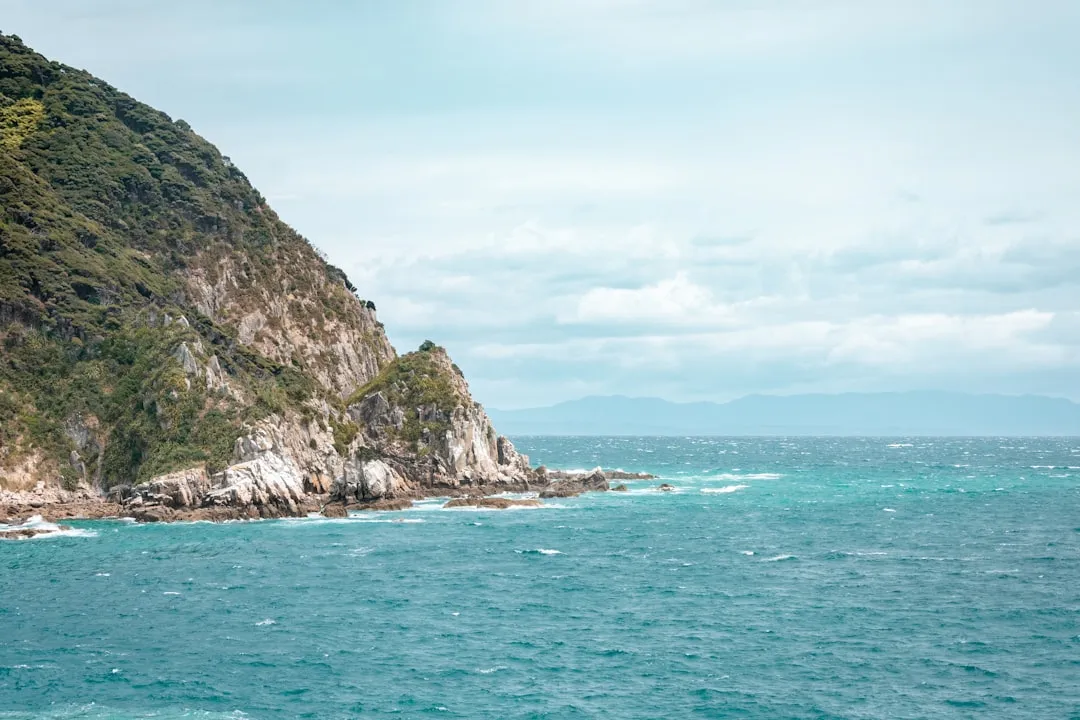
Abel Tasman Coastal Track (Day Section) - New Zealand's Golden Coastal Paradise
The Abel Tasman Coastal Track is widely considered the most accessible and visually stunning coastal walk in New Zealand. While the full Great Walk spans 60 kilometres over three to five days, the day section from Marahau to Anchorage offers a concentrated 13.5-kilometre journey that captures the very essence of the park's allure. This route traverses a landscape defined by its unique geology—the Separation Point Granite—which has weathered over millennia to create the iconic golden sand beaches and turquoise lagoons that have made this region world-famous. Walking this section is not merely a physical exercise; it is an immersion into a coastal ecosystem where the lush, temperate rainforest of the South Island meets the gentle, sun-drenched waters of Tasman Bay/Te Tai-o-Aorere. The track is meticulously maintained, winding through manuka and kanuka groves, over crystal-clear streams, and along elevated ridges that provide breathtaking panoramas of the coastline and the distant Marlborough Sounds.
- Distance: 13.5 km (Marahau to Anchorage)
- Duration: 4–5 hours (walking time)
- Difficulty: Moderate (well-graded track with gentle undulations)
- Elevation Gain: Approximately 300 m total
- Best Time: October to April (accessible year-round)
- Closest City: Motueka (20-minute drive) or Nelson (1-hour drive)
- Trailhead: Marahau (southern entrance)
- Return Logistics: Water taxi from Anchorage back to Marahau or walk return
Overview
The Abel Tasman Coastal Track is New Zealand's smallest national park, but it consistently ranks as one of its most popular. The day section from Marahau to Anchorage is the quintessential introduction to this coastal wilderness. Unlike the rugged, alpine challenges of the Milford or Routeburn Tracks, the Abel Tasman offers a more Mediterranean feel, characterized by its high sunshine hours, mild climate, and the constant presence of the sea. The track itself is a masterpiece of trail engineering, designed to be accessible to a wide range of fitness levels while still providing a sense of immersion in nature. The path is generally wide and smooth, though it does involve several steady climbs and descents as it navigates the headlands between the various bays.
The journey begins at the Marahau causeway, where the dramatic tides of the estuary dictate the landscape. At low tide, vast golden sandflats are exposed, while at high tide, the water laps against the edge of the forest. As you move inland, the track enters a regenerating forest dominated by kanuka and manuka, interspersed with magnificent tree ferns (ponga) and the occasional towering nikau palm. The air is often filled with the melodic calls of native birds, including the tui, bellbird (korimako), and the inquisitive New Zealand fantail (piwakawaka). One of the most striking features of this walk is the colour palette: the deep emerald of the forest, the brilliant gold of the sand, and the shifting shades of blue and turquoise in the water, which are particularly vivid on a clear, sunny day.
For many, the highlight of this section is the series of secluded bays—Tinline, Coquille, Apple Tree, and Stilwell—each offering a perfect excuse to pause, remove your boots, and feel the sand between your toes. The destination, Anchorage Bay, is a wide, sheltered crescent of sand that serves as a hub for walkers, kayakers, and sailors alike. Whether you choose to walk back to Marahau or take a scenic water taxi ride, this day hike provides a profound sense of the natural beauty that New Zealanders have fought so hard to preserve.
History and Cultural Context
The history of the Abel Tasman region is a rich tapestry of Māori heritage and early European exploration. For centuries, the coastline was home to various iwi (tribes), including Ngāti Tūmatakōkiri, and later, Ngāti Rārua and Te Āti Awa. The area provided a bountiful source of food, with the sea offering fish and shellfish, and the forest providing birds and plant materials. Evidence of Māori occupation, such as shell middens and former pa (fortified village) sites, can still be found throughout the park, particularly on the headlands that offered strategic views of the bay.
The park takes its name from Abel Janszoon Tasman, the Dutch explorer who was the first European to sight New Zealand in 1642. His encounter with the local Māori in nearby Golden Bay was a violent one, leading him to name the area "Moordenaars" (Murderers) Bay before sailing away without ever setting foot on land. It wasn't until 1770 that Captain James Cook sailed past, and later, in 1827, the French explorer Jules Dumont d'Urville spent significant time in the area, naming many of the landmarks we recognise today, such as Astrolabe Roadstead (named after his ship, the Astrolabe).
The creation of the Abel Tasman National Park in 1942 was largely due to the tireless efforts of Pérrine Moncrieff, a conservationist and author who became concerned about the impact of logging and farming on the coastal forest. She campaigned vigorously for the area's protection, and the park was officially opened on the 300th anniversary of Tasman's visit. Today, the park is the focus of one of New Zealand's most ambitious conservation projects, Project Janszoon. This private-public partnership aims to restore the park's ecosystems by removing invasive pests and reintroducing native species like the kaka (forest parrot) and the pateke (brown teal), ensuring that the cultural and natural heritage of the land is preserved for future generations.
Want more background? Read extended notes on history and cultural context → Learn more
Seasonal Highlights and Weather Reality
The Abel Tasman region enjoys a maritime climate, which means it is generally milder and sunnier than many other parts of New Zealand. However, each season offers a distinct experience for walkers on the coastal track.
Summer (December to February): This is the peak season, characterized by long, hot days and the warmest water temperatures, making it ideal for swimming. The park is at its most vibrant, but also its busiest. Water taxis and campsites often book out months in advance. The sun can be intense, so high-SPF sunscreen and plenty of water are essential. This is also the best time for spotting marine life, such as New Zealand fur seals and the occasional pod of dolphins.
Autumn (March to May): Many locals consider this the best time to walk. The weather is often settled and calm, the temperatures are cooler and more comfortable for hiking, and the summer crowds have thinned out. The light in autumn is particularly beautiful for photography, with the low sun casting long shadows across the golden beaches.
Winter (June to August): While the nights can be crisp and frosty, winter days in the Abel Tasman are often clear, blue, and surprisingly mild. You will have the track almost to yourself, providing a sense of solitude that is hard to find in summer. However, the days are shorter, and you will need to be prepared for cooler temperatures once the sun goes down. Some water taxi services may operate on a reduced schedule.
Spring (September to November): This is a time of renewal in the park. The native forest is alive with new growth, and the birdlife is particularly active and vocal. Spring can bring more variable weather, including occasional rain showers, but the waterfalls are at their most impressive, and the fresh, green canopy of the forest is a delight to walk through.
Recommended Itinerary
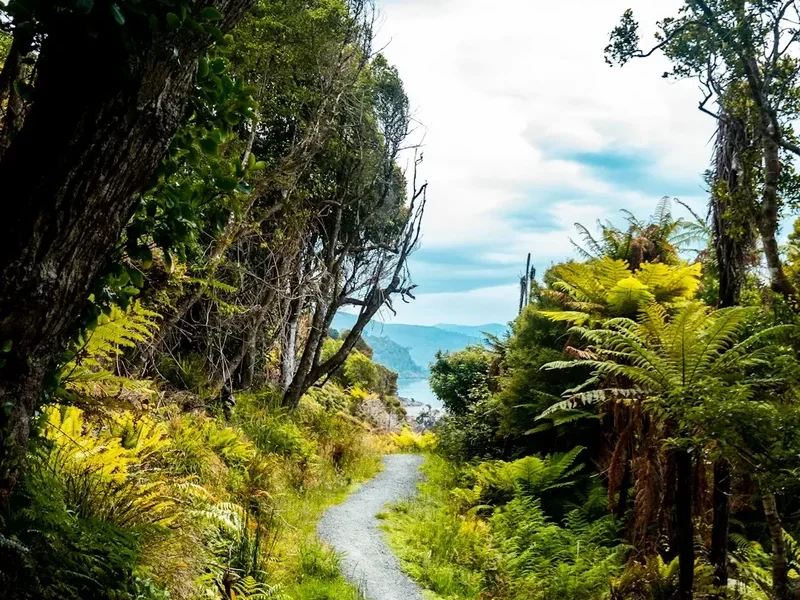
Marahau to Anchorage Day Hike
08:30 AM – 09:00 AM: Arrival and Preparation
- Arrive at Marahau, the gateway to the park.
- Park your vehicle at the public car park near the park entrance.
- Check in with your water taxi operator if you have booked a return trip.
- Ensure you have your water, snacks, and sun protection ready.
09:00 AM – 10:30 AM: Marahau to Tinline Bay
- Distance: 3 km
- Cross the Marahau causeway, an elevated path over the estuary.
- Enter the park boundary and follow the well-graded track as it climbs gently.
- Pass through regenerating kanuka forest with glimpses of the sea.
- Arrive at Tinline Bay, a small, picturesque beach perfect for a quick rest.
- Look for the "Tinline Nature Walk" sign for a short 15-minute loop through the forest.
10:30 AM – 12:00 PM: Tinline Bay to Apple Tree Bay
- Distance: 4 km
- The track climbs over a headland, offering the first expansive views of Tasman Bay.
- Pass through sections of beech forest and see the transition to coastal scrub.
- Descend into Coquille Bay, a secluded spot with beautiful granite boulders.
- Continue to Apple Tree Bay, a long, golden beach with picnic tables and toilets.
- This is an excellent spot for a mid-morning snack and a quick dip in the ocean.
12:00 PM – 01:30 PM: Apple Tree Bay to Anchorage
- Distance: 5.4 km
- The track climbs steadily away from the coast, reaching its highest point on this section.
- Enjoy panoramic views of the Astrolabe Roadstead and Adele Island (Motuareronui).
- Pass the junction for Stilwell Bay (a steep 15-minute descent if you wish to visit).
- The track then descends through lush fern gullies toward Anchorage.
- Arrive at Anchorage Bay, the primary destination for the day.
01:30 PM – 03:30 PM: Lunch and Exploration at Anchorage
- Enjoy your lunch on the beach or at the picnic tables near the Anchorage Hut.
- Explore the wide sweep of the bay or walk to the nearby Te Pukatea Bay (a 45-minute return loop).
- If time permits, take the 20-minute side trip to Cleopatra's Pool, a natural rock pool with a moss-lined slide.
- Relax and soak in the atmosphere of one of the park's most iconic locations.
03:30 PM – 04:30 PM: Return Journey
- Board your pre-booked water taxi from the beach at Anchorage.
- Enjoy a scenic 15-20 minute boat ride back to Marahau, often including a stop to see Split Apple Rock (Tokangawhā).
- Alternatively, if you are feeling energetic, begin the 12.4 km walk back to Marahau (allow 3.5–4 hours).
Planning and Bookings
Book Your Trip
Everything you need to plan your journey
Accommodation
Find places to stay near Motueka
Flights
Search flights to Motueka
Essential Preparation
While the day section of the Abel Tasman Coastal Track does not require the same level of intense planning as a multi-day expedition, a few key logistical steps will ensure a smooth experience. The most important consideration is transport. Most day walkers choose to walk one way and take a water taxi the other. It is highly recommended to book your water taxi in advance, especially during the summer months. Operators like Abel Tasman AquaTaxi and Marahau Water Taxis offer frequent services between Marahau and Anchorage.
Fitness requirements for this section are moderate. The track is well-maintained and lacks the steep, technical terrain found in New Zealand's alpine parks. However, 13.5 kilometres is a significant distance for those not used to walking, and there are several steady climbs. Ensure you are comfortable walking for 4–5 hours with a light day pack. Motueka is the nearest service town, offering supermarkets, pharmacies, and outdoor stores for any last-minute supplies.
Trail Accommodation
This is a day hike requiring no overnight accommodation for the itinerary described. However, for those wishing to extend their stay or start early, there are several options in and around the park.
In the Park (Anchorage):
- Anchorage Hut: A large, modern Department of Conservation (DOC) hut with 34 bunks. Must be booked in advance via the DOC website. Facilities include mattresses, communal cooking areas (no stoves), and flushing toilets.
- Anchorage Campsite: Located right behind the beach, this is a popular spot for tent camping. Bookings are essential. Facilities include toilets and filtered water.
At the Trailhead (Marahau):
- There are numerous private campgrounds, backpacker hostels, and luxury lodges in Marahau. These provide an excellent base for an early start or a place to relax after your walk.
- The Barn: A popular backpackers and campground located right at the park entrance.
- Hooked on Marahau: Offers waterfront accommodation and dining.
Required Gear
- Footwear: Sturdy walking shoes or lightweight hiking boots are recommended. While the track is smooth, the distance and occasional roots make support important. Sandals or flip-flops are great for the beach but not for the walk itself.
- Clothing: Wear moisture-wicking layers (merino or synthetic). Avoid denim, which becomes heavy and cold when wet.
- Rain Jacket: Even on a sunny day, coastal weather can change. A lightweight, waterproof shell is essential.
- Sun Protection: A wide-brimmed hat and high-quality sunglasses are vital for the exposed sections of the track.
- Day Pack: A 15–25L pack to carry your gear, food, and water.
What to Bring
- Water: At least 2 litres per person. While there is water at Anchorage, it is best to carry enough for the duration of the walk.
- Food: A substantial lunch plus high-energy snacks (nuts, dried fruit, chocolate). There are no food outlets within the park.
- Sunscreen: SPF 50+ is recommended. The New Zealand sun is exceptionally strong due to low pollution and a thin ozone layer.
- Swimwear and Towel: The temptation to swim in the turquoise waters of Apple Tree Bay or Anchorage is almost impossible to resist.
- First Aid: A basic kit containing plasters (for blisters), antiseptic wipes, and any personal medications.
- Insect Repellent: While not as bad as Fiordland, sandflies can be present on the beaches, and wasps are common in the beech forest during late summer.
Permits
For day walkers, no permits or fees are required to access the Abel Tasman Coastal Track. The park is free for all to enjoy during daylight hours. This makes it one of the most accessible outdoor experiences in New Zealand. However, there are specific requirements if you plan to stay overnight or use certain services.
Overnight Stays: If you decide to stay at the Anchorage Hut or Campsite, you must have a valid booking from the Department of Conservation. During the peak season (October to April), these spots are in high demand and should be booked weeks or even months in advance. You must carry a printed or digital copy of your booking confirmation, as rangers frequently check permits at the huts and campsites.
Water Taxi Bookings: While not a "permit" in the legal sense, your water taxi ticket is your essential "pass" for the return journey. These are private services and are not managed by DOC. Prices typically range from NZ$35 to NZ$50 for a one-way trip between Anchorage and Marahau. It is best to book these at least 24–48 hours in advance during summer.
Commercial Groups: If you are part of an organised tour or a commercial group, your operator is responsible for obtaining the necessary concessions from DOC. Independent walkers do not need to worry about this.
Other Activities in the Area
The Abel Tasman region is a playground for outdoor enthusiasts. If you have extra time, consider these popular activities:
- Sea Kayaking: This is perhaps the most iconic way to experience the park. Guided tours depart from Marahau and Kaiteriteri, allowing you to explore the coastline from the water, visit seal colonies, and paddle into tiny lagoons that are inaccessible by foot.
- Split Apple Rock (Tokangawhā): Located just outside the main park boundary, this extraordinary granite formation looks exactly like an apple sliced in half. It is accessible by boat or a short walk from the road near Marahau.
- Canyoning: For the more adventurous, the Torrent River (near Anchorage) offers world-class canyoning. This involves jumping into deep pools, sliding down natural rock chutes, and abseiling down waterfalls.
- Seal Watching: Adele Island (Motuareronui) is a sanctuary for New Zealand fur seals (kekeno). Many water taxi and kayak tours stop here to observe the seals basking on the rocks or playing in the water.
- Mountain Biking: While the Coastal Track is for walkers only, the nearby Moa Park and Rameka tracks offer challenging mountain biking through native forest and over high ridges.
- Kaiteriteri Beach: Just a short drive from Marahau, this is one of New Zealand's most famous beaches, known for its vibrant orange sand and excellent mountain bike park.
Safety and Conditions
While the Abel Tasman Coastal Track is considered one of the safer Great Walks, it is still a wilderness environment that requires respect and preparation.
Sun Safety: The most common injury in the park is severe sunburn. The combination of high UV levels and the reflective nature of the sand and water can lead to burns even on cloudy days. Reapply sunscreen every two hours and wear a hat.
Tidal Crossings: For the Marahau to Anchorage section, there are no mandatory tidal crossings. However, if you choose to walk the "low tide" route across the Marahau estuary, you must do so within two hours of low tide. Attempting to cross outside this window can result in being caught in deep water or soft mud. Always check the tide tables provided by DOC or your water taxi operator.
Wasps: During the late summer and autumn months (January to April), German and common wasps can be numerous in the beech forests due to the presence of honeydew. If you are allergic to wasp stings, it is essential to carry an EpiPen or appropriate antihistamines and stay alert.
Water Safety: The beaches are generally safe for swimming, but there are no lifeguards on duty. Be aware of boat traffic, especially near the water taxi landing zones at Anchorage. If you are using a kayak, always wear your life jacket and stay close to the shore.
Dehydration: The combination of physical exertion and the warm climate can lead to dehydration. Drink regularly, even if you don't feel thirsty. The water at Anchorage Hut is treated and safe to drink, but water from streams along the track should be boiled or filtered.
Side Trips and Points of Interest
To make the most of your day hike, consider adding these short detours to your itinerary:
Cleopatra's Pool: Located about 20 minutes from Anchorage, this is a must-visit. The track follows the Torrent River inland to a beautiful natural rock pool. The highlight is a smooth, moss-covered rock slide that allows you to slide into the refreshing (and often cold!) water. It is a perfect spot for families and those looking for a bit of fun.
Pitt Head Loop: This 45-minute loop track starts from the northern end of Anchorage Bay. It takes you out to Pitt Head, a dramatic headland with spectacular views over the Astrolabe Roadstead. The track also passes through Te Pukatea Bay, a stunning, horseshoe-shaped beach that is often much quieter than Anchorage.
Tinline Nature Walk: A short, 15-minute loop near the start of the track at Tinline Bay. It is an excellent way to learn about the local flora, with informative signs identifying various native trees and plants.
Falls River Bridge: While technically a bit further along the track from Anchorage (about 1.5 hours one way), the Falls River Bridge is a spectacular 47-metre suspension bridge that hangs high above the river mouth. If you are a very fast walker or have a late water taxi, it is a worthwhile extension.
Leave No Trace
The Abel Tasman National Park is a precious natural resource, and its survival depends on the responsible behaviour of every visitor. Please follow the seven principles of Leave No Trace to ensure the park remains pristine.
- Plan Ahead and Prepare: Know the weather, the tides, and your own limits. Ensure you have the right gear and transport booked.
- Travel and Camp on Durable Surfaces: Stay on the formed track at all times. Taking shortcuts causes erosion and destroys fragile undergrowth.
- Dispose of Waste Properly: There are no rubbish bins in the park. Everything you carry in, you must carry out. This includes food scraps, fruit peels, and tissues. Use the toilets provided at the bays.
- Leave What You Find: Do not take shells, rocks, or plants from the park. Leave them for others to enjoy and to maintain the natural ecosystem.
- Minimise Campfire Impacts: Fires are strictly prohibited in the Abel Tasman National Park. Use a portable stove if you are camping.
- Respect Wildlife: Do not feed the birds or the seals. Feeding wildlife disrupts their natural diet and can make them aggressive or dependent on humans. Keep a distance of at least 20 metres from seals.
- Be Considerate of Others: The park is a shared space. Keep noise levels down, especially near huts and campsites, and yield to other walkers on narrow sections of the track.
 New Zealand