
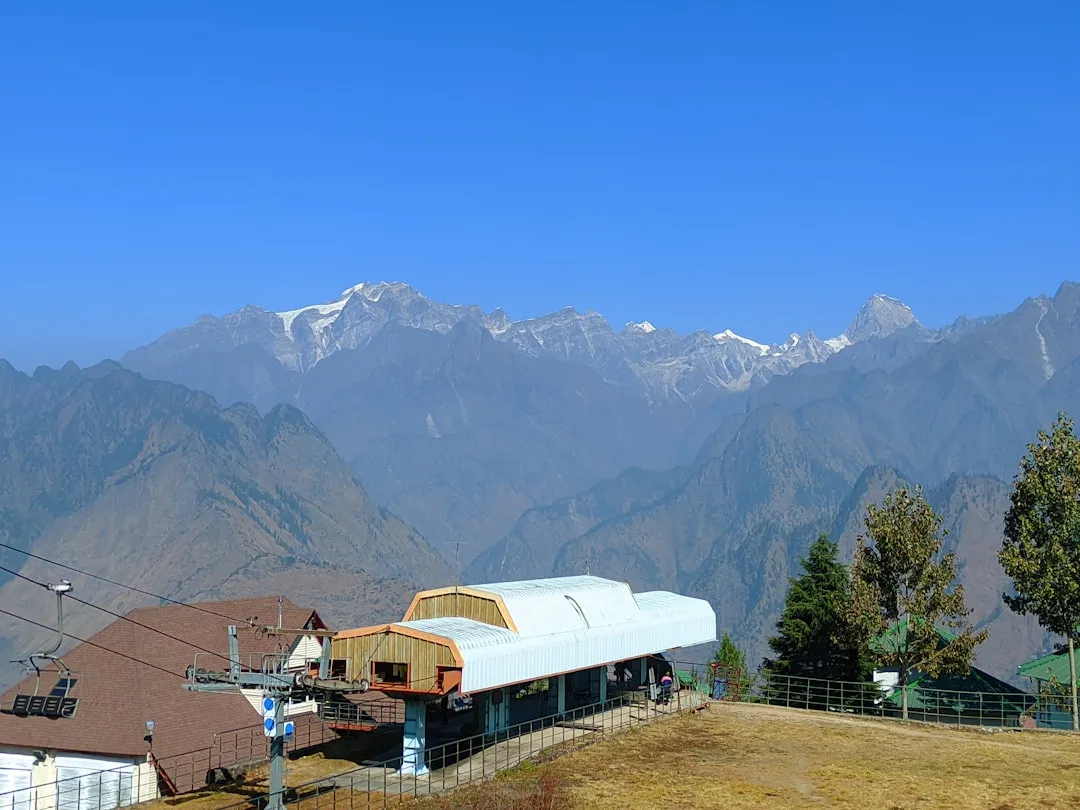
Annapurna Base Camp Trek (Indian Segment)
The Annapurna Base Camp (ABC) Trek, often considered one of the world's premier trekking experiences, offers an unparalleled journey into the heart of the Nepalese Himalayas. While the classic route traverses Nepal, this description focuses on a significant and culturally rich "Indian Segment" that mirrors the spirit and grandeur of the ABC trek, offering a challenging yet accessible mountain adventure. This segment, starting from the foothills near Joshimath in India, ascends through diverse landscapes, from lush valleys and terraced fields to alpine meadows and eventually towards the majestic peaks of the Annapurna massif (though the true ABC is in Nepal, this Indian segment provides a comparable Himalayan experience). It is a trek that demands physical endurance, rewards with breathtaking vistas, and immerses walkers in the vibrant culture of the Indian Himalayas.
- Distance: Approximately 115 km one-way
- Duration: 12–15 days
- Season: October–November (autumn) or March–May (spring)
- Difficulty: Challenging
- Highest point: Varies, but reaches significant alpine altitudes
- Closest City: Joshimath, Uttarakhand, India
- Trailhead Access: Nearest airport is Jolly Grant Airport (Dehradun). From Dehradun, take a bus or taxi to Joshimath (approx. 10–12 hours). Road conditions are generally good but can be affected by landslides during monsoon. Limited parking is available in Joshimath and Govindghat. Registration is required for the Valley of Flowers, which can be a part of this extended trek.
- Coordinates: Joshimath - 30.5667° N, 79.5667° E
Overview
The Annapurna Base Camp Trek (Indian Segment) is a journey that encapsulates the essence of Himalayan trekking: dramatic elevation changes, diverse ecosystems, and profound cultural encounters. This trek is not merely a walk; it's an expedition into a realm where towering snow-capped peaks dominate the horizon and ancient traditions persist in remote villages. The route typically begins in the bustling hill town of Joshimath, a significant pilgrimage centre, and gradually ascends through verdant valleys dotted with terraced farms and small hamlets. As the trek progresses, the landscape transforms, revealing rhododendron forests, alpine meadows, and eventually, the stark beauty of the high Himalayas.
The challenge lies in the significant elevation gain and the sustained periods of walking at altitude. Each day presents a new panorama, from the spiritual serenity of temples and monasteries to the raw power of glacial rivers and the awe-inspiring presence of colossal mountains. The trek offers a unique opportunity to witness the transition from sub-tropical foothills to the arid, high-altitude desert of the upper Himalayas. The cultural immersion is as significant as the physical journey, with opportunities to interact with local communities, understand their way of life, and experience their warm hospitality. This trek is a testament to the enduring spirit of adventure and the profound beauty of the Indian Himalayas.
The trek's difficulty is rated as challenging due to the altitude, the sustained ascents and descents, and the often rugged terrain. However, with proper preparation and a reasonable level of fitness, it is an achievable goal for many adventurous trekkers. The reward is an intimate connection with one of the world's most spectacular mountain ranges, a journey that leaves an indelible mark on the soul.
History and Cultural Context
The region surrounding Joshimath and the trekking routes that extend from it have a rich and ancient history, deeply intertwined with spirituality, trade, and human resilience. Joshimath itself is one of the four cardinal 'maths' (monasteries) established by the great philosopher Adi Shankaracharya in the 8th century CE. It is a vital centre for the worship of Vishnu and a gateway to numerous pilgrimage sites, including Badrinath and Hemkund Sahib. This spiritual significance has drawn pilgrims and travellers for centuries, shaping the cultural landscape and the development of trails.
The trails themselves have historically served as routes for pilgrims, traders, and local communities moving between villages and accessing higher pastures. The development of these routes into established trekking paths for adventurers is a more recent phenomenon, gaining popularity in the latter half of the 20th century as India opened up more to international tourism. The allure of the high Himalayas, with their pristine beauty and spiritual aura, attracted trekkers seeking an authentic mountain experience.
The specific routes that form this "Indian Segment" of the ABC trek often incorporate parts of the famous Valley of Flowers and Hemkund Sahib treks, both of which have their own historical and cultural narratives. The Valley of Flowers, a UNESCO World Heritage Site, was brought to international attention by Frank Smythe in 1931, though local communities have known of its existence for generations. Hemkund Sahib is a sacred Sikh pilgrimage site, drawing thousands of devotees annually to its high-altitude lake and gurudwara.
The cultural fabric of the region is a tapestry woven from Hindu and Sikh traditions, with local folk customs and beliefs adding further depth. The villages encountered along the trek are living examples of a life adapted to the harsh mountain environment, where agriculture, pastoralism, and religious devotion form the cornerstones of existence. Understanding this historical and cultural context enriches the trekking experience, transforming it from a mere physical challenge into a journey of discovery and connection.
Seasonal Highlights and Weather Reality
The trekking season for the Annapurna Base Camp (Indian Segment) is dictated by the weather patterns of the Indian Himalayas, which are distinct from the Nepalese Himalayas but share similar seasonal characteristics.
Autumn (October–November): This is widely considered the best time to trek. The monsoon rains have receded, leaving the air clear and crisp. Visibility is excellent, offering stunning panoramic views of the snow-capped peaks. Temperatures are pleasant during the day, though nights can become quite cold, especially at higher altitudes. The skies are typically a brilliant blue, and the landscapes are bathed in golden sunlight. This season is ideal for photography and enjoying the grandeur of the mountains.
Spring (March–May): Spring is another excellent season for trekking. The snow begins to melt, and the lower valleys burst into bloom with vibrant rhododendrons and other wildflowers, particularly in areas like the Valley of Flowers. Temperatures are mild, and the days are longer, providing ample time for trekking. However, spring can sometimes bring unpredictable weather, including occasional rain showers or dust storms. The higher passes may still have some snow, but generally, conditions are favourable for trekking.
Monsoon (June–September): This period is generally not recommended for trekking. Heavy rainfall can lead to landslides, making the trails dangerous and impassable. The skies are often overcast, obscuring mountain views, and the humidity can be high. Leeches are also prevalent in the lower, forested areas during the monsoon.
Winter (December–February): While possible for experienced trekkers with appropriate winter gear and knowledge, winter trekking presents significant challenges. Heavy snowfall can block trails, especially at higher elevations. Temperatures drop well below freezing, and the days are short. However, for those seeking solitude and a different kind of beauty, a winter trek can be rewarding, offering pristine snow-covered landscapes and a unique sense of peace. Access to higher regions might be restricted due to snow.
Weather Variability: It is crucial to remember that mountain weather is notoriously unpredictable. Even during the best seasons, trekkers can encounter sudden changes, including rain, snow, fog, and strong winds, especially at higher altitudes. Always be prepared for a range of conditions, regardless of the season.
Recommended Itinerary
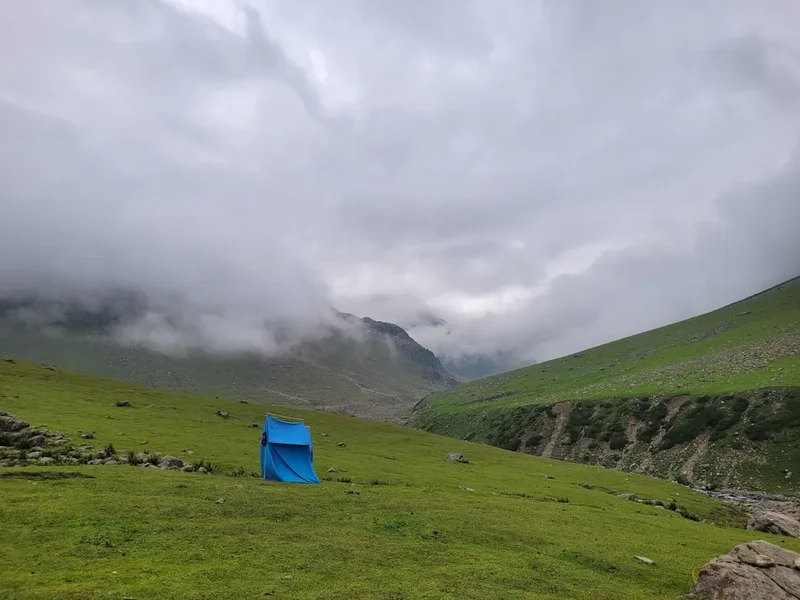
12-15 Day Annapurna Base Camp (Indian Segment) Trek Itinerary
Day 1: Arrival in Dehradun & Transfer to Joshimath
- Distance: Approx. 290 km
- Time: 10–12 hours by road
- Arrive at Jolly Grant Airport (DED), Dehradun.
- Take a pre-booked taxi or a local bus to Joshimath.
- The journey offers scenic views of the Garhwal Himalayas.
- Check into your guesthouse/hotel in Joshimath.
- Rest and acclimatise to the altitude (approx. 1,890 m).
Day 2: Joshimath Exploration & Acclimatisation
- Time: Full day
- Explore Joshimath: visit the Narsingh Temple, Shankaracharya Math, and the Kalpavriksha.
- Take the ropeway to Auli for panoramic views of the surrounding peaks (optional).
- Final gear check and preparation for the trek.
- Briefing with your guide (if applicable).
- Acclimatisation is crucial at this stage.
Day 3: Joshimath to Pulna & Trek to Dhak/Chitrakantha
- Distance: 4 km drive to Pulna, then 8-10 km trek
- Elevation Gain: Approx. 800 m
- Time: 5–7 hours trekking
- Drive from Joshimath to Pulna village (trailhead).
- Begin trek towards Dhak or Chitrakantha.
- Pass through small villages and terraced fields.
- The trail offers initial views of the Dhauliganga river valley.
- Overnight stay in a guesthouse or homestay.
Day 4: Dhak/Chitrakantha to Upper Anni/Bhelni
- Distance: 10–12 km
- Elevation Gain: Approx. 700 m
- Time: 6–8 hours trekking
- Continue ascending through forests and villages.
- The trail becomes steeper in sections.
- Enjoy views of the surrounding peaks as you gain altitude.
- Overnight in a village guesthouse.
Day 5: Upper Anni/Bhelni to Rudranath Base Camp (Sora)
- Distance: 12–14 km
- Elevation Gain: Approx. 900 m
- Time: 7–9 hours trekking
- A challenging day with significant ascent.
- The landscape starts to open up, with more expansive mountain views.
- Reach the vicinity of Rudranath Temple, a sacred site.
- Overnight in basic camps or shelters near Rudranath Base Camp.
Day 6: Rudranath Temple Excursion & Trek to Panar Bugyal
- Distance: 6–8 km trek
- Elevation Gain: Minimal, with some ups and downs
- Time: 4–5 hours trekking
- Morning visit to Rudranath Temple (3,600 m), one of the Panch Kedar shrines.
- Experience the spiritual ambiance and panoramic views from the temple.
- Trek to Panar Bugyal (alpine meadow).
- Overnight camping in the meadows.
Day 7: Panar Bugyal to Dumuk/Luwani Bugyal
- Distance: 10–12 km
- Elevation Gain: Approx. 500 m
- Time: 6–7 hours trekking
- Trek through beautiful alpine meadows.
- The trail offers continuous views of the Himalayan range.
- Reach Dumuk or Luwani Bugyal, high-altitude grazing pastures.
- Overnight camping.
Day 8: Dumuk/Luwani Bugyal to Kalantri/Bhandar
- Distance: 10–12 km
- Elevation Loss: Approx. 800 m
- Time: 6–7 hours trekking
- Begin descent from the higher meadows.
- The trail winds through forests and along streams.
- Reach the village of Kalantri or Bhandar.
- Overnight in a village guesthouse.
Day 9: Kalantri/Bhandar to Ghat & Drive to Auli/Joshimath
- Distance: 6–8 km trek, then drive
- Elevation Loss: Approx. 500 m
- Time: 3–4 hours trekking, then 2–3 hours drive
- Trek down to Ghat village.
- From Ghat, take a vehicle back to Joshimath or Auli.
- Option to stay in Auli for more mountain views or return to Joshimath.
- Overnight in a hotel/guesthouse.
Day 10: Buffer Day / Optional Valley of Flowers Trek (if season permits)
- This day can be used as a buffer for weather delays or for an optional excursion.
- If the season is right (July-August) and permits are obtained, a day trip or overnight to the Valley of Flowers National Park can be arranged from Govindghat/Ghangaria.
- Alternatively, explore more of Joshimath or relax.
Day 11: Drive to Rishikesh/Haridwar
- Distance: Approx. 290 km
- Time: 10–12 hours by road
- Depart from Joshimath/Auli.
- Drive back towards Rishikesh or Haridwar.
- Enjoy the changing scenery as you descend.
- Overnight in Rishikesh/Haridwar.
Day 12: Departure from Dehradun
- Time: Variable
- Depending on your flight schedule, you can spend more time in Rishikesh/Haridwar.
- Transfer to Jolly Grant Airport (Dehradun) for your onward journey.
Note: This itinerary is a sample and can be adjusted based on fitness levels, acclimatisation, and specific interests. Some variations might extend the trek further into higher valleys or incorporate more remote villages, potentially increasing the duration and difficulty.
Planning and Bookings
Book Your Trip
Everything you need to plan your journey
Accommodation
Find places to stay near Joshimath
Flights
Search flights to Joshimath
Essential Preparation
Embarking on the Annapurna Base Camp (Indian Segment) trek requires meticulous planning. The journey begins in Dehradun, the gateway city to Uttarakhand's Garhwal region. From Dehradun, you'll need to arrange transport to Joshimath, the primary base town for this trek. This road journey is long (10-12 hours) and can be subject to delays due to road conditions, especially after heavy rainfall. It is advisable to book your onward transport in advance or arrange it upon arrival in Dehradun.
Joshimath itself is a significant town with basic amenities, including guesthouses, restaurants, and shops for last-minute supplies. However, for more extensive gear needs or specialised equipment, Dehradun or even Delhi would be a better starting point. Acclimatisation is paramount. Spending at least one full day in Joshimath (altitude approx. 1,890 m) before commencing the trek is highly recommended to allow your body to adjust to the altitude. This also provides an opportunity to finalise gear and meet your guide or trekking team.
Logistics for remote trekking in India can be complex. Hiring a local guide is strongly advised, not only for navigation but also for cultural insights, emergency assistance, and to facilitate arrangements in remote villages. Ensure your guide is experienced and reputable. For treks involving camping, arranging porters to carry equipment is essential. Permits, particularly for areas like the Valley of Flowers, must be secured in advance or upon arrival at designated checkpoints.
Trail Accommodation
This trek primarily utilises a combination of village guesthouses, homestays, and camping. There are no large lodges or established trekking huts in the same vein as some international treks.
Village Guesthouses/Homestays:
- Found in villages like Pulna, Dhak, Chitrakantha, Upper Anni, Bhelni, Kalantri, and Bhandar.
- Facilities Provided: Basic rooms with beds (often mattresses on the floor or simple cots), blankets (though bringing your own sleeping bag is recommended), and shared toilet facilities (ranging from basic pit latrines to squat toilets). Some may offer rudimentary dining areas.
- What's NOT Provided: Hot water is often limited and may incur an extra charge. Electricity can be intermittent. No cooking equipment or food supplies are provided; meals are typically ordered from the host family.
- Seasonal Availability: Generally available throughout the main trekking seasons (spring and autumn). Availability might be reduced outside these periods.
- Costs: Relatively inexpensive, typically ranging from ₹500 to ₹1500 per night, depending on the village and facilities.
Camping:
- Used for higher altitude sections, particularly around alpine meadows (Bugyals) like Panar and Luwani.
- Facilities Provided: Tents, sleeping mats, and cooking equipment are provided by the trekking company or guide.
- What's NOT Provided: You will need to bring your own sleeping bag and personal items.
- Seasonal Availability: Only feasible during the main trekking seasons when snow cover is minimal.
- Costs: Included in the overall trekking package cost.
Note: This is a day hike requiring no overnight accommodation. (This statement is not applicable to this trek and should be disregarded.)
Required Gear
- Sturdy Trekking Boots: Waterproof, ankle-supporting, and well broken-in to prevent blisters.
- Backpack: A 45-65 litre capacity backpack with a good hip belt for comfort. A rain cover is essential.
- Sleeping Bag: A 3-season sleeping bag (rated to at least 0°C comfort) is highly recommended, even when staying in guesthouses, as they can be cold.
- Waterproof Jacket and Trousers: Essential for protection against rain and wind. Gore-Tex or similar breathable waterproof material is ideal.
- Warm Layers: Thermal base layers (merino wool or synthetic), fleece jacket or down vest for insulation.
- Headwear: Warm beanie or wool hat for cold evenings and mornings, and a sun hat or cap for daytime protection.
- Gloves: Warm, waterproof gloves.
- Head Torch: With spare batteries, for navigating in the dark or during early morning starts.
- First-Aid Kit: Comprehensive kit including personal medications, blister treatment, pain relievers, antiseptic wipes, bandages, and any specific items recommended by your doctor.
- Sun Protection: High SPF sunscreen, lip balm with SPF, and sunglasses.
- Trekking Poles: Highly recommended for reducing strain on knees during descents and providing stability on uneven terrain.
What to Bring
- Food and Water: While meals are available in villages, carry high-energy snacks like nuts, dried fruits, energy bars, and chocolate. Water purification tablets or a filter are essential, as is a reusable water bottle or hydration reservoir.
- Toiletries: Biodegradable soap, toothbrush, toothpaste, toilet paper (carry out used paper), hand sanitiser, and any personal hygiene items.
- Personal Items: Camera with spare batteries and memory cards, power bank for charging devices (electricity is unreliable), personal identification documents, cash (Indian Rupees) for expenses in villages and for tips.
- Navigation: A detailed map of the region and a compass. A GPS device or smartphone with offline maps downloaded is also useful.
- Clothing: Several pairs of trekking socks (wool or synthetic), quick-drying trousers, t-shirts, and a warm mid-layer.
- Footwear: Camp shoes or sandals for use in villages and at campsites.
- Miscellaneous: Small towel, insect repellent (especially for lower altitudes), a journal and pen, and a small backpack for day hikes.
Permits
For the Annapurna Base Camp (Indian Segment) trek, the primary permit requirement is for the Valley of Flowers National Park, if you choose to include it in your itinerary. This is a UNESCO World Heritage Site, and entry requires a permit.
Valley of Flowers Permit:
- Issuing Authority: Forest Department, Uttarakhand Government.
- Where to Obtain: Permits can typically be obtained at the entry gate of the Valley of Flowers National Park, usually near Ghangaria. It is also sometimes possible to arrange these through your trekking agency or guide in Joshimath or Govindghat.
- Cost: The permit fee is subject to change but is generally around ₹150-200 per person for Indian nationals and ₹600-800 per person for foreign nationals for a 3-day entry. Additional charges may apply for longer stays.
- Validity: Permits are usually valid for a specific duration (e.g., 3 days).
- Requirement: Mandatory for all visitors entering the Valley of Flowers National Park.
Inner Line Permit (ILP):
- Depending on the exact route and specific areas you might venture into, an Inner Line Permit might be required for certain restricted areas in Uttarakhand. However, for the standard routes described, including the Valley of Flowers and the trek towards Rudranath, an ILP is generally not required for Indian nationals. Foreign nationals may need to check specific regulations for their nationality, though typically for these popular routes, it is not a primary concern. It is always best to confirm with your trekking agency or local authorities closer to your travel date.
Registration:
- While not a permit in the traditional sense, registration at the local police station or tourism office in Joshimath or Govindghat might be required for trekkers, especially for longer or more remote expeditions. This is often for safety and tracking purposes. Your guide will be aware of these requirements.
Booking Strategy:
- For the Valley of Flowers, it is advisable to obtain permits upon arrival at the park entrance. However, if you are using a trekking agency, they will usually handle this for you.
- Always carry your identification documents (Aadhaar card for Indians, Passport for foreigners) as they will be required for permit applications and registrations.
Other Activities in the Area
The region surrounding Joshimath and the trekking routes offers a wealth of cultural and natural attractions beyond the main trek:
- Visit Badrinath Temple: A major Hindu pilgrimage site and one of the Char Dham pilgrimage circuit. It is dedicated to Lord Vishnu and is located at an altitude of 3,133 metres. The journey from Joshimath to Badrinath is scenic and culturally significant.
- Explore Auli: Known for its ski slopes in winter, Auli offers breathtaking panoramic views of the Himalayas, including Nanda Devi, Kamet, and Trishul. The Auli ropeway provides a spectacular aerial perspective.
- Hemkund Sahib Trek: A highly revered Sikh pilgrimage site located at an altitude of 4,300 metres. The trek to Hemkund Sahib is challenging but spiritually rewarding, passing through beautiful landscapes and a glacial lake. This can be combined with the Valley of Flowers trek.
- Tapovan Hot Springs: Located near Joshimath, these natural hot springs are believed to have medicinal properties and offer a relaxing experience amidst stunning mountain scenery.
- Nanda Devi National Park: While access might be restricted or require special permits, the Nanda Devi region is a UNESCO World Heritage Site and offers some of the most pristine alpine environments in the Himalayas.
- Local Village Exploration: Spend time interacting with the local communities in the villages along the trekking route. Understanding their way of life, agricultural practices, and cultural traditions provides a deeper appreciation of the region.
- Rishikesh/Haridwar: If time permits, extend your trip to these spiritual hubs on the plains. Rishikesh is known as the "Yoga Capital of the World," and Haridwar is a major Hindu pilgrimage city on the banks of the Ganges River.
Safety and Conditions
Pre-Trek Preparation:
- Medical Check-up: Consult your doctor before undertaking the trek, especially if you have any pre-existing medical conditions. Discuss altitude sickness and necessary vaccinations.
- Fitness: The trek is challenging and requires a good level of cardiovascular fitness. Engage in regular aerobic exercise, including hiking with a weighted backpack, for at least 2-3 months prior to your trip.
- Acclimatisation: This is the most critical factor in preventing altitude sickness. Adhere to the recommended acclimatisation days and ascend gradually. Avoid strenuous activity on arrival at higher altitudes.
- Hydration: Drink plenty of water (3-4 litres per day) to help your body acclimatise and prevent dehydration. Use water purification tablets or a filter for all drinking water.
- Weather Monitoring: Stay updated on weather forecasts for the region. Mountain weather can change rapidly and without warning.
On the Trail:
- Altitude Sickness (AMS): Be aware of the symptoms: headache, nausea, dizziness, fatigue, loss of appetite, and difficulty sleeping. If symptoms appear, do not ascend further. Rest, hydrate, and if symptoms worsen, descend immediately.
- Trail Conditions: Trails can be steep, rocky, and uneven. Wear sturdy, broken-in trekking boots and use trekking poles for stability. Be cautious on descents, as they can be hard on the knees.
- Landslides and Rockfalls: Be aware of potential hazards, especially during and after rainfall. Avoid walking under steep, unstable slopes. Listen to your guide's advice.
- River Crossings: Some trails may involve crossing streams or small rivers. Exercise caution, especially during monsoon season when water levels can be high.
- Wildlife: While encounters with large dangerous animals are rare on these routes, be aware of your surroundings. Respect wildlife and do not feed animals.
- Communication: Mobile phone coverage is sporadic and unreliable in most trekking areas. Consider carrying a satellite phone or personal locator beacon (PLB) for emergencies, especially if trekking independently.
- Guides and Porters: Hiring experienced local guides and porters is highly recommended for safety, navigation, and cultural understanding. Ensure they are properly equipped and insured.
- Emergency Evacuation: Familiarise yourself with emergency evacuation procedures and ensure you have adequate travel insurance that covers high-altitude trekking and helicopter rescue.
Specific Hazards for this Trek:
- Joshimath Land Subsidence: Be aware of the ongoing land subsidence issues in Joshimath. While the main trekking routes are generally unaffected, it's wise to stay informed about local conditions and follow any advisories from authorities.
- Valley of Flowers Access: During peak season, trails can be crowded. Respect park rules and stay on designated paths.
Side Trips and Points of Interest
Rudranath Temple (3,600 m): This ancient temple, dedicated to Lord Shiva, is one of the Panch Kedar shrines. It is a significant pilgrimage site and offers spectacular panoramic views of the surrounding Himalayan peaks, including Nanda Devi, Trishul, and Dronagiri. The trek to Rudranath itself is challenging but immensely rewarding, passing through beautiful alpine meadows (Bugyals).
Valley of Flowers National Park: A UNESCO World Heritage Site, this high-altitude valley is renowned for its meadows of endemic alpine flowers and diverse flora. It is a riot of colour during the monsoon season (July-August) and offers a starkly beautiful landscape in other seasons. The trek to the valley is relatively moderate once you reach Ghangaria.
Hemkund Sahib: A sacred Sikh pilgrimage site situated at an altitude of 4,300 metres. The trek to Hemkund Sahib is arduous, involving steep ascents, but the serene glacial lake and the Gurudwara make it a deeply spiritual destination. It is often combined with a visit to the Valley of Flowers.
Auli: Accessible via a scenic ropeway from Joshimath, Auli offers stunning vistas of the Garhwal Himalayas. It is a popular destination for skiing in winter and provides excellent viewpoints for photography year-round. The transition from the dense forests below to the open meadows of Auli is a notable change in scenery.
Local Villages: The villages encountered along the trekking route, such as Pulna, Dhak, and Bhandar, offer a glimpse into the traditional mountain lifestyle. Interacting with the locals, observing their farming practices, and experiencing their hospitality provides a rich cultural dimension to the trek.
Bugyals (Alpine Meadows): Areas like Panar Bugyal and Luwani Bugyal are vast, undulating alpine meadows that are carpeted with wildflowers in spring and summer. These open spaces offer a sense of freedom and provide excellent camping spots with unobstructed mountain views.
Leave No Trace
The Annapurna Base Camp (Indian Segment) trek traverses pristine natural environments and culturally significant areas. Adhering to Leave No Trace principles is crucial to preserving these landscapes and respecting local traditions for future generations.
Plan Ahead and Prepare: Research your route, understand the conditions, and pack appropriately. Hiring a local guide is recommended for safety and to ensure adherence to local customs and environmental guidelines.
Travel and Camp on Durable Surfaces: Stick to established trails to avoid damaging fragile vegetation. When camping, use designated campsites or durable surfaces like rock or dry grass. Avoid camping near water sources.
Dispose of Waste Properly: Pack out everything you pack in, including all food scraps, wrappers, and toilet paper. Use designated toilets in villages and campsites. If no facilities are available, dig catholes at least 60 metres away from water sources, trails, and campsites.
Leave What You Find: Do not remove natural objects like flowers, rocks, or cultural artifacts. Take only photographs and memories.
Minimise Campfire Impacts: Campfires are generally discouraged and often prohibited in high-altitude areas and national parks due to the risk of environmental damage and wildfires. Use portable stoves for cooking.
Respect Wildlife: Observe wildlife from a distance and never feed them. Feeding animals can alter their natural behaviour and diet, leading to health problems and dependency on humans.
Be Considerate of Other Visitors: Keep noise levels down, especially in villages and campsites. Respect local customs and traditions. Ask for permission before taking photographs of people.
Specific to this region:
- Water Sources: Treat all water from streams and rivers before drinking, even if it appears clear.
- Cultural Sensitivity: When visiting temples or villages, dress modestly and be respectful of religious practices. Remove shoes before entering temples or homes.
- Valley of Flowers: Strictly adhere to park rules. Stay on marked paths to protect the delicate floral ecosystem.
By following these principles, you contribute to the preservation of the natural beauty and cultural heritage of the Indian Himalayas.