
Keywords: hiking gear NZ, tramping essentials, backpacking checklist, hiking equipment list, outdoor gear guide, New Zealand trails
All About Hiking Gear: Everything You Need for NZ Trails
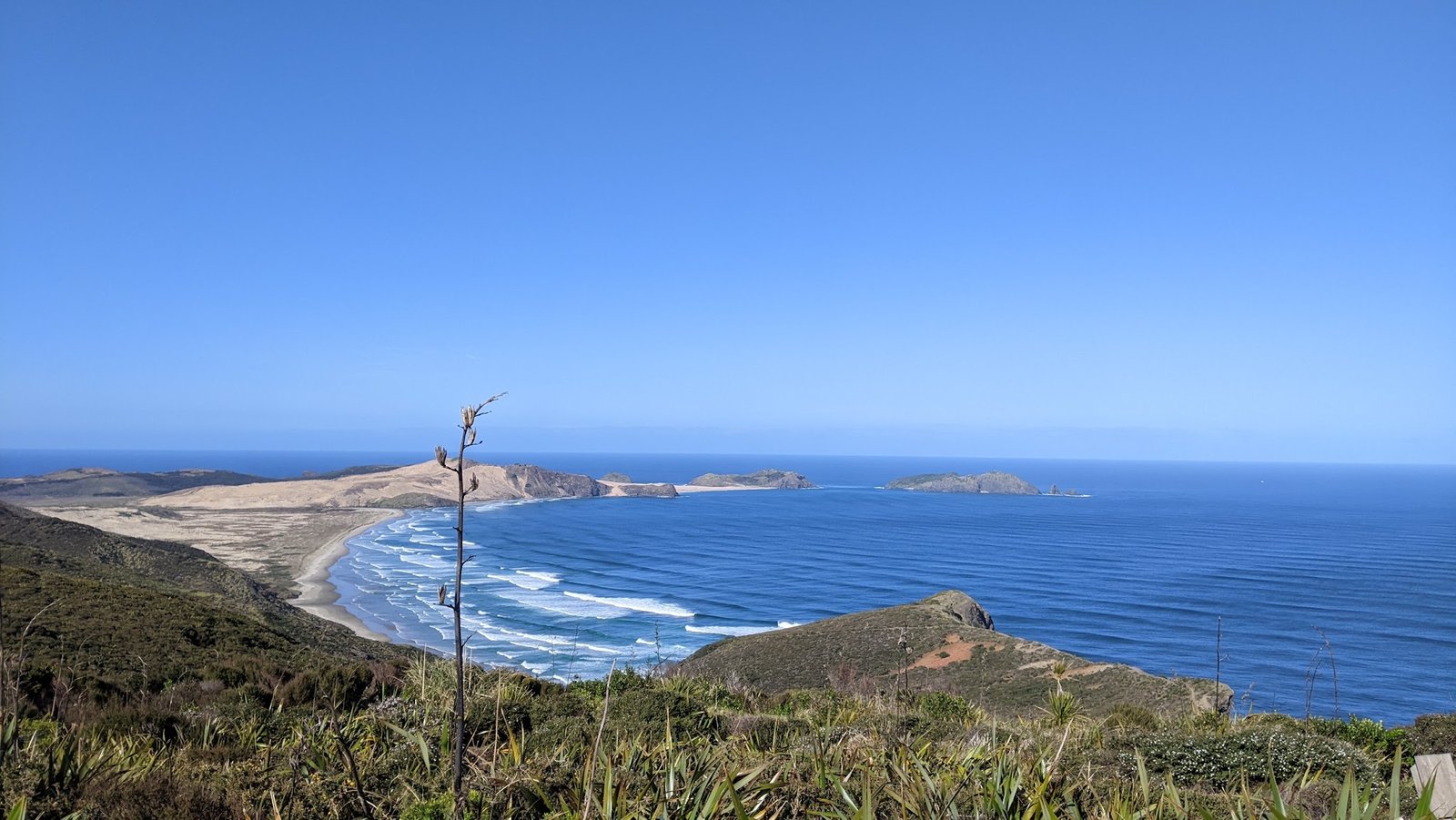
New Zealand offers some of the most diverse hiking terrain in the world — coastal tracks, muddy bush trails, alpine ridges, and everything in between. Having the right gear is not just about comfort; it’s about safety and confidence. This guide brings together the essentials every tramper should consider before heading out.
Footwear: Boots or Trail Shoes?
Your footwear is the foundation of your trip. In New Zealand conditions, you will face mud, roots, slippery rock, and occasionally long beach sections.
- Hiking boots provide ankle support, stability under a heavy pack, and grip on rough terrain.
- Trail shoes are lighter and faster-drying, better for formed tracks and lighter loads.
- Socks matter too — merino or synthetic blends reduce blisters and keep feet dry.
Backpacks: Finding the Right Fit
Whether you’re doing a day trip or a five-day trek, your pack should fit your body and your needs:
- Day packs (20–30 L) carry water, food, layers, and safety gear.
- Multi-day packs (50–70 L) should transfer weight to your hips with a supportive frame.
- Waterproofing is vital: use a liner or dry bags inside the pack, as raincovers often fail in NZ winds.
Clothing Layers for NZ Weather
Weather can shift rapidly — you might start in sunshine and be in mist and rain an hour later. Use the layering system:
- Base layer: merino wool or synthetic to wick sweat.
- Mid layer: fleece or lightweight puffer for warmth.
- Outer shell: waterproof, seam-sealed jacket with a strong hood.
- Always pack a hat, gloves, and sun protection.
Shelter, Sleep, and Safety
Many Great Walks and popular tracks have huts, but always be prepared:
- Sleeping bag: rated for conditions — 0–5 °C comfort for alpine, 5–10 °C for lowland summer trips.
- Sleeping mat: foam or inflatable, essential for warmth and comfort.
- Emergency bivvy or foil blanket in case you get caught out.
- Personal Locator Beacon (PLB): essential when going remote.
Food, Water, and Cooking
Nutrition keeps energy and morale up. Plan simple meals:
- Water: carry 2–3 litres per day, treat stream water with filters or tablets.
- Meals: lightweight, calorie-dense foods such as wraps, trail mix, couscous, or dehydrated meals.
- Cooking: small gas stove and pot — you can’t fly with fuel canisters, so buy locally.
Other Essentials
- Trekking poles for long descents and river crossings.
- Headlamp with spare batteries.
- First aid kit, especially blister care.
- Navigation: map, compass, or GPS with offline maps.
Common Mistakes to Avoid
Many new trampers underestimate New Zealand conditions. Common errors include packing cotton clothing (which stays wet and cold), carrying too little water on exposed tracks, or skipping safety gear like a headlamp and PLB because they think “it’s just a day walk.” Overpacking heavy, bulky gear instead of choosing lighter modern options is another mistake. Always test your pack weight before setting out — if you can’t walk comfortably around the block with it, it will be a struggle on the trail.
Quick Checklist
- Footwear + spare socks
- Layered clothing (base, fleece, waterproof)
- Pack with liner or dry bags
- Food + 2–3 litres water
- Sleeping bag + mat
- Navigation tools + PLB
- First aid kit + headlamp
Ready to hit the trails? Share your own gear list or questions in the Wakahi Forum — the community would love to hear what works best for you.
More from the Blog
10 Trail-Tested Hiking Essentials Our Members Actually Use
3 Hiking Essentials I Never Hit the Trail Without (All Under $50)
Portuguese Camino Day 6
How to Pack for Multi-Day Hikes
Nutrition for Multi-Day Hikes
Is Cape Brett Track Really Hard?